Horus offers life (symbolized by an Ankh) to the pharaoh, Ramesses II. Painted limestone. c. 1275 BCE, 19th dynasty. From the small temple built by Ramses II in Abydos, Louvre museum, Paris, France.
← ホームへ戻る
ホルス古代エジプトエジプト神話隼の神王権

ホルス古代エジプトの王権と天空を司る隼の神

🗓 2026年8月11日

古代エジプトにおいて、国家の守護神として最も崇敬された存在の一人がホルスです。隼の頭を持つ人間、あるいは隼そのものの姿で描かれるこの神は、エジプト全土を統治する王権の象徴であり、天空を保護する役割を担っていました。特に、上下エジプトの両方を支配することを示す「プシェント(二重冠)」を戴いた姿は、彼の権威を象徴しています。
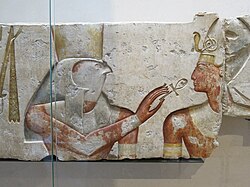
Horus offers life (symbolized by an Ankh) to the pharaoh, Ramesses II. Painted limestone. c. 1275 BCE, 19th dynasty. From the small temple built by Ramses II in Abydos, Louvre museum, Paris, France.

Key Facts

  • 象徴的な姿: 隼の頭を持つ人間、または隼。
  • 主な役割: 王権の守護神、天空の保護者。
  • 代表的なシンボル: ホルスの目(ウェジャト)。
  • 宿敵: 混沌と破壊を司る神セト。
  • 家族構成: 父はオシリス、母はイシス。
  • 聖地: エドフやネケンなどの都市。

ファラオとホルスの密接な関係

古代エジプトの信仰において、現世の統治者であるファラオは、生前は「地上のホルス」として君臨すると考えられていました。ピラミッドテキスト(紀元前2400〜2300年頃の宗教文書)によれば、ファラオは生きていればホルスであり、死後はオシリスとなって神々と合一するとされています。つまり、新しいファラオが即位することは、地上に新たなホルスの化身が降臨することを意味していました。
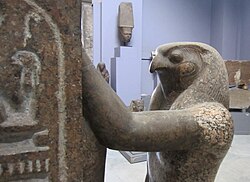
Detail of Horus's face, from a statue of Horus and Set placing the crown of Upper Egypt on the head of Ramesses III. Twentieth Dynasty, early 12th century BC.

このような信仰に基づき、ホルスは王に祝福を与え、正当な統治権を授ける存在として描かれました。美術品の中には、ホルスとセトが共にファラオを祝福する場面もあり、これは対立する力の調和と国家の安定を象徴しています。
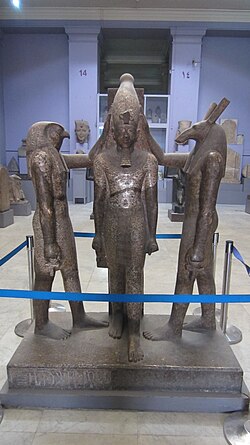
Horus (left) and Set (right) blessing Ramesses III in this statue, currently located in the Egyptian Museum.

神話における葛藤:ホルスとセトの戦い

エジプト神話の核心にあるのが、ホルスと叔父であるセトとの激しい権力争いです。この対立は、単なる家族間の争いではなく、エジプトの政治的・地理的な統合を反映していると分析されています。例えば、上エジプトの支配者が自らを「ホルスの追随者」と呼んでいたことや、異なる都市(ネケンとナガダ)の対立が神話に投影された可能性が指摘されています。
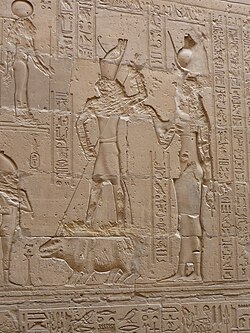
Horus spears Set, who appears in the form of a hippopotamus, as Isis looks on

物語の結末として、ホルスが勝利し、上下エジプトの統合が達成されることで、秩序(マアト)が回復します。この調和は、ホルスとセトが共に国を縛り合わせる図像などによって表現されました。
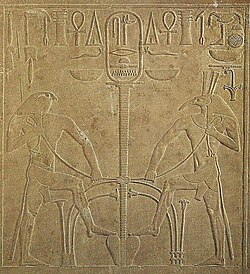
Horus and Set binding together upper and lower Egypt

多様な形態と役割

ホルスは単一の神ではなく、時代や地域によって多様な形態(習合)で現れました。太陽神ラーと結びついた「ラー・ホラクティ」は、地平線上の太陽を擬人化したものであり、宇宙的な権威を象徴しています。
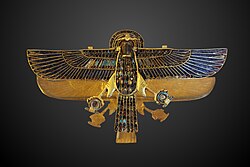
Horus, Louvre, Shen rings in his grasp

また、子供の姿をした「ハルパクレド(幼少のホルス)」や、翼を持つ太陽円盤として描かれる「ヘル・ベフデティ」など、その役割に応じて姿を変えました。さらに、ワニの体を持つ形態やライオンの体を持つ形態など、自然界の強大な力を取り込んだ姿でも表現されています。
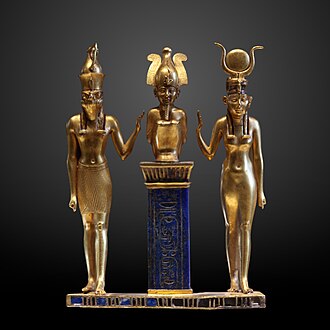
Gold statuette of three human figures. On the right is a woman with a horned headdress, in the center is a squatting man with a tall crown on a pedestal, and on the left is a man with the head of a falcon.

ホルスの目(ウェジャト)の重要性

ホルスを象徴する最も有名なシンボルが「ホルスの目」です。これはセトとの戦いで失われ、後に回復したとされる目で、癒やし、保護、そして完全性の象徴として、お守りや儀式に広く用いられました。
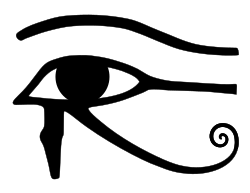
Eye of Horus or Wedjat

この「目」は擬人化して描かれることもあり、神々に香を捧げるなどの宗教的な役割を果たす場面も見られます。

A personified Eye of Horus offers incense to the enthroned god Osiris in a painting from the tomb of Pashedu, thirteenth century BC[37]

血縁と神々の系譜

ホルスの誕生には、ドラマチックな神話が伴います。父オシリスがセトに殺害された後、母イシスが魔法を用いてオシリスを一時的に蘇らせ、ホルスをもうけました。この物語は、死と再生、そして正当な継承というテーマを内包しています。
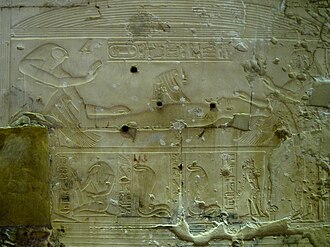
Relief of a man wearing a tall crown lying on a bier as a bird hovers over his phallus. A falcon-headed man stands at the foot of the bier and a woman with a headdress like a tall chair stands at the head.

ホルスは、ハトホルやセルケトなどの女神たちと結びつき、イムセティやハピといった「ホルスの四人の息子」をもうけたとされています。これらの息子たちは、ミイラ作りにおいて内臓を保管するカノポス壺の守護神として知られています。
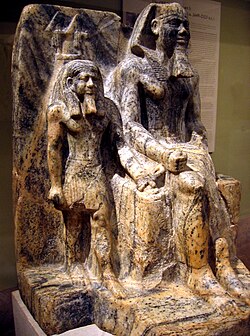
Herui, the 5th nome of Upper Egypt god in Coptos besides the pharaoh Sahure.

ホルスに関するまとめ

ホルス神の基本データ
項目 詳細
主な象徴 隼、プシェント(二重冠)、ホルスの目
家族 父:オシリス、母:イシス
対立神 セト
主要な聖地 エドフ、ネケン
他文化での対応 ギリシャ神話のアポロンなど

Frequently Asked Questions

ホルスはどのような姿で描かれますか?

一般的には隼の頭を持つ男性の姿で描かれ、エジプト全土の支配を象徴する赤と白の二重冠(プシェント)を被っています。また、完全に隼の姿で描かれることもあります。

「ホルスの目」にはどのような意味がありますか?

セトとの戦いで傷つき、後に癒やされたことから、回復、保護、健康、そして完全性の象徴とされています。古代エジプトでは強力な魔除けとして大切にされました。

ホルスとセトの戦いは何を意味していますか?

神話的には王権の正当性を巡る争いですが、歴史的には古代エジプトにおける異なる地域や勢力の対立と、その後の統一プロセスを象徴していると考えられています。

ファラオとホルスの関係は何ですか?

ファラオは現世においてホルスの化身であると見なされていました。王が即位することは、地上の統治者としてホルスの権威を継承することを意味していました。

ホルスにはどのような異なる形態がありますか?

太陽神と融合した「ラー・ホラクティ」、子供の姿の「ハルパクレド」、翼を持つ太陽円盤の「ヘル・ベフデティ」など、役割に応じて多様な形態が存在します。

References

  1. In some accounts.
  2. Rarely attested.
  3. : Ὧρος, Hō̂ros, Ancient Greek pronunciation: ; : Hōrus, Latin pronunciation:
  4. : ḥr; : Ϩⲱⲣ, romanized: Hōr, Coptic pronunciation:

📸 フォトギャラリー

Horus offers life (symbolized by an Ankh) to the pharaoh, Ramesses II. Painted limestone. c. 1275 BCE, 19th dynasty. From the small temple built by Ramses II in Abydos, Louvre museum, Paris, France.
Gold statuette of three human figures. On the right is a woman with a horned headdress, in the center is a squatting man with a tall crown on a pedestal, and on the left is a man with the head of a falcon.
Horus, Louvre, Shen rings in his grasp
Detail of Horus's face, from a statue of Horus and Set placing the crown of Upper Egypt on the head of Ramesses III. Twentieth Dynasty, early 12th century BC.
Eye of Horus or Wedjat
Relief of a man wearing a tall crown lying on a bier as a bird hovers over his phallus. A falcon-headed man stands at the foot of the bier and a woman with a headdress like a tall chair stands at the head.
Horus spears Set, who appears in the form of a hippopotamus, as Isis looks on
Horus (left) and Set (right) blessing Ramesses III in this statue, currently located in the Egyptian Museum.
Horus and Set binding together upper and lower Egypt
A personified Eye of Horus offers incense to the enthroned god Osiris in a painting from the tomb of Pashedu, thirteenth century BC[37]
Herui, the 5th nome of Upper Egypt god in Coptos besides the pharaoh Sahure.