人類にとって最も身近な天体である月は、古くから暦や信仰の対象として人々を魅了してきました。かつては地上からの観測しか手段がなかった月ですが、技術の進歩とともに、私たちは望遠鏡でその表面を覗き、やがては直接その大地に降り立つまでになりました。現代の月探査は、単なる好奇心を満たす段階を超え、将来的な恒久的な有人拠点の構築という壮大な目標へと向かっています。
初期の人類は、月の満ち欠けを空の暦として利用していました。例えば、紀元前1800年から1600年頃のものとされるネブラ・スカイディスクは、太陽や月、プレアデス星団などを描き、天文学的な知識を記録していたと考えられています。
![The Nebra sky disc (c. 1800–1600 BCE), found near a possibly astronomical complex, most likely depicting the Sun or full Moon, the Moon as a crescent, the Pleiades and the summer and winter solstices as strips of gold on the side of the disc,[6][7] with the top representing the horizon[8] and north.](/images/0c/f0/0cf024ffb5ad25cfa6e20ead64cd0506020b50236cac75e68ff126628aa83601.jpg)
その後、中世から近世にかけて、天文学的なアプローチによる月の研究が進みました。アル・ビールーニーは太陽の位置に基づいた月の満ち欠けを解説する著作を残し、天体のメカニズムを理論的に解明しようと試みました。
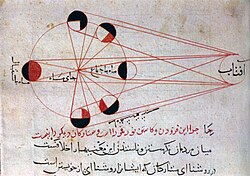
望遠鏡の登場と視覚的革命
17世紀、ガリレオ・ガリレイが自作の望遠鏡を天体観測に導入したことで、月への認識は劇的に変わりました。彼は月面に山々やクレーターが存在することを突き止め、月が地球のような地質学的特徴を持つ天体であることを明らかにしました。
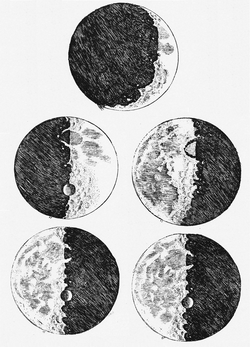
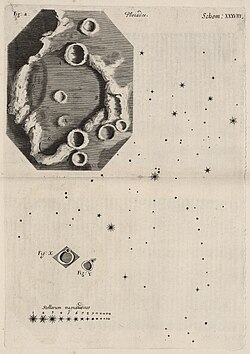
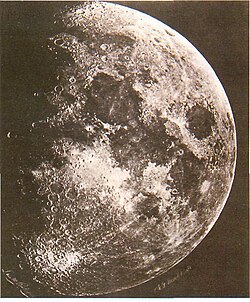
ガリレオに続き、ロバート・フックなどの科学者たちが詳細なスケッチを通じて月の地形を研究し、19世紀にはルイス・ラザフォードによる写真撮影が行われるなど、光学技術の向上とともに月の姿はより鮮明に記録されるようになりました。
宇宙時代の幕開けと激動の競争
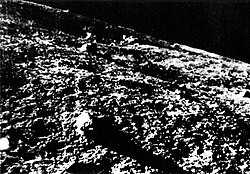
1959年、ソ連のルナ2号が人類史上初めて月に意図的に衝突し、物理的な探査時代が始まりました。続いてルナ3号が、地球からは決して見ることのできない「月の裏側」を初めて撮影し、そこには表側のような海(マリア)がほとんど存在しないことが判明しました。
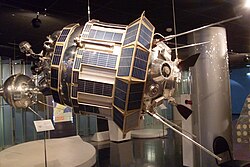
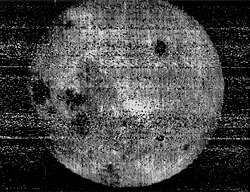
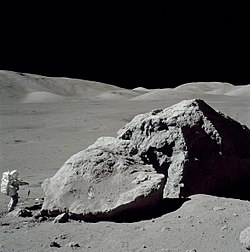
1960年代に入ると、米国NASAのアポロ計画が加速します。1969年のアポロ11号によるニール・アームストロングとバズ・オルドリンの着陸を皮切りに、計6回にわたる有人着陸が実現しました。彼らは静かの海などの地域で科学機器を設置し、貴重な月面サンプルを地球に持ち帰りました。
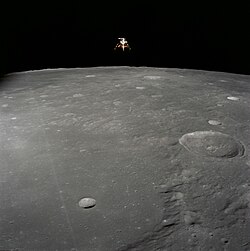
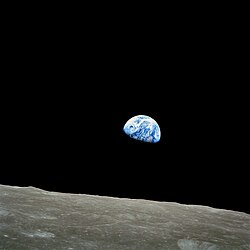
その後、アポロ15号から17号にかけては月面車(LRV)が導入され、より広範囲の調査が可能となりました。1972年12月、ユージン・サーナンがアポロ17号で月面を歩いたのが、現在までで最後の有人月面活動となっています。
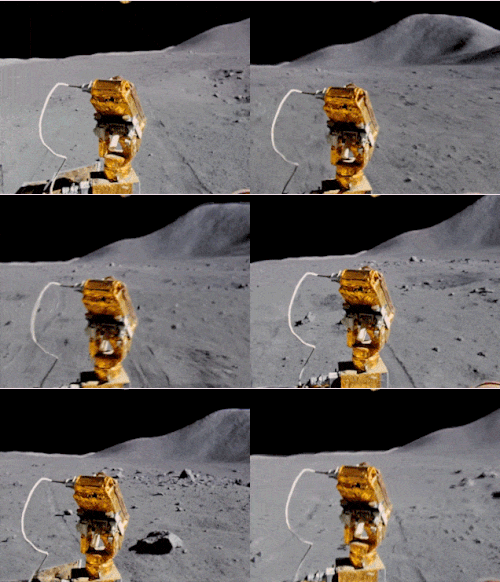
一方、ソ連も無人探査で成果を上げ、1966年にはルナ9号が初のソフトランディングに成功し、1970年には初の遠隔操作ローバーであるルノホート1号を走行させました。1976年のルナ24号によるサンプル回収を最後に、世界的な関心は他の惑星探査や宇宙ステーションへと移行していきました。
現代の多国間探査と新時代
1990年代以降、再び月への関心が高まり、米国以外の国々が独自の探査計画を始動させました。中国のCNSAは「嫦娥(じょうが)」計画を展開し、2019年には嫦娥4号が人類史上初の月裏側へのソフトランディングに成功。さらに2024年には嫦娥6号が月裏側からのサンプルリターンを達成するという快挙を成し遂げました。
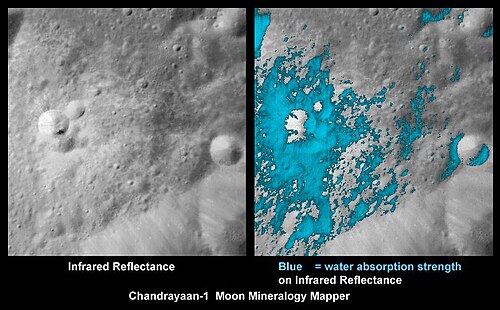
インドのISROによる「チャンドラヤーン」計画も注目を集めています。チャンドラヤーン1号は月面レゴリス(堆積層)に水分子が広く存在することを検出し、2023年のチャンドラヤーン3号は世界で初めて月の南極付近へのソフトランディングに成功しました。
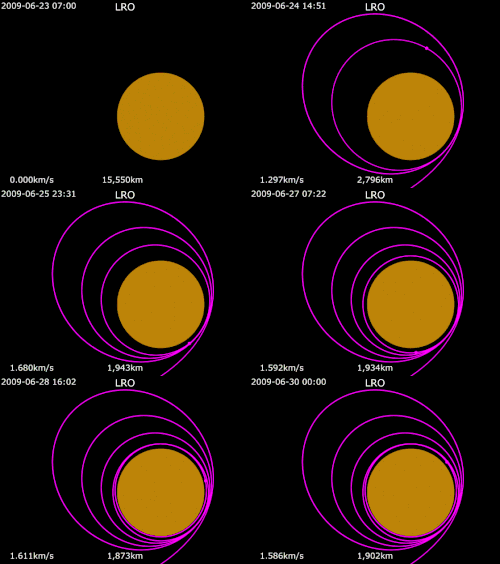
米国NASAも、ルナ・リコネサンス・オービター(LRO)による高精細な表面画像収集や、GRAILミッションによる重力場調査などを通じて、最新のデータを蓄積しています。
さらに、韓国のダヌリ(Danuri)による周回探査や、ロシアのルナ25号(衝突に終わったものの)の挑戦、そしてFirefly Aerospace社による「Blue Ghost」のような民間企業による商業ミッションなど、探査の主体は多様化しています。
また、カッシーニ=ホイヘンスのような他惑星探査機が、目的地へ向かう途中で月をフライバイ(接近通過)し、貴重なデータを収集することもあります。

Key Facts
- 初の物理的接触: 1959年、ソ連のルナ2号が月面に衝突。
- 有人着陸の記録: NASAのアポロ計画により、計6回、12名の人間が月面に降り立った。
- 月裏側の開拓: 中国の嫦娥4号が初のソフトランディングに成功し、嫦娥6号が初のサンプル回収を実現。
- 南極への到達: インドのチャンドラヤーン3号が、世界で初めて月の南極付近への着陸に成功。
- 水資源の発見: チャンドラヤーン1号などが、月面レゴリス中の水分子の存在を確認。
| ミッション名 | 主導国/機関 | 主な成果・特徴 | 時期 |
|---|---|---|---|
| ルナ2号 | ソ連 | 人類初の月面衝突 | 1959年 |
| アポロ11号 | 米国 (NASA) | 人類初の有人月面着陸 | 1969年 |
| ルノホート1号 | ソ連 | 初の無人月面ローバー走行 | 1970年 |
| 嫦娥4号 | 中国 (CNSA) | 初の月裏側ソフトランディング | 2019年 |
| チャンドラヤーン3号 | インド (ISRO) | 初の月南極付近への着陸 | 2023年 |
| 嫦娥6号 | 中国 (CNSA) | 初の月裏側サンプルリターン | 2024年 |
Frequently Asked Questions
月裏側と表側の違いは何ですか?
地球から見える「表側」には、溶岩が溜まってできた暗い平原である「海(マリア)」が多く見られますが、「裏側」にはそれらがほとんどなく、クレーターが密集しているという大きな地質学的違いがあります。
なぜ今、再び月探査が行われているのですか?
単なる到達ではなく、水資源の探索や地質調査を行い、将来的に人間が長期滞在できる「恒久的な有人拠点」を構築することを目標としているためです。これは火星などのさらなる深宇宙探査への足掛かりになると考えられています。
民間企業も月探査に参加しているのでしょうか?
はい。Firefly Aerospace社のBlue Ghostミッションのように、政府機関ではなく民間企業が主導して無人探査機を月面に送り込む商業ミッションが始まっています。
月面からサンプルを持ち帰る意味は何ですか?
地球に持ち帰った岩石や土壌(レゴリス)を高度な分析機器で調べることで、月の形成過程や太陽系の歴史、そして水などの資源の有無を正確に把握できるためです。
インドのチャンドラヤーン3号の功績は何ですか?
月面へのソフトランディングに成功した4番目の国となっただけでなく、世界で初めて困難とされる「月の南極付近」への着陸を実現した点に大きな意義があります。
References
- "Lunar Sample Overview". Lunar and Planetary Institute. Archived from the original on February 7, 2021. Retrieved December 28, 2018.
- Lyons, Kate. "Chang'e 4 landing: China probe makes historic touchdown on far side of the moon". The Guardian. Archived from the original on January 3, 2019. Retrieved January 3, 2019.
- "China successfully lands Chang'e-4 on far side of Moon". Archived from the original on January 3, 2019. Retrieved January 3, 2019.
- Jones, Andrew (January 10, 2024). "China's Chang'e-6 probe arrives at spaceport for first-ever lunar far side sample mission". SpaceNews. Archived from the original on May 3, 2024. Retrieved June 25, 2024.
- Dangwal, Ashish (November 22, 2023). "1st Country With Lunar Outpost, Competition 'Heating-Up' Between US-Led Artemis & China's ILRS". Latest Asian, Middle-East, EurAsian, Indian News. Retrieved May 5, 2024.
- Meller, Harald (2021). "The Nebra Sky Disc – astronomy and time determination as a source of power". Time is power. Who makes time?: 13th Archaeological Conference of Central Germany. Landesmuseum für Vorgeschichte Halle (Saale). .
- Concepts of cosmos in the world of Stonehenge. British Museum. 2022.
- Bohan, Elise; Dinwiddie, Robert; Challoner, Jack; Stuart, Colin; Harvey, Derek; Wragg-Sykes, Rebecca; Chrisp, Peter; Hubbard, Ben; Parker, Phillip; et al. (Writers) (February 2016). Big History. Foreword by (1st American ed.). : . p. 20. . 940282526.
- Boyle, Rebecca (July 9, 2019). "Ancient humans used the moon as a calendar in the sky". Science News. Archived from the original on November 4, 2021. Retrieved May 26, 2024.
- Burton, David M. (2011). The History of Mathematics: An Introduction. Mcgraw-Hill. p. 3. .
📸 フォトギャラリー