ภาพประกอบบทความ
← ホームへ戻る
有人宇宙飛行宇宙開発史アポロ計画ソユーズスペースシャトル

有人宇宙飛行史冷戦の競争から民間宇宙時代の到来まで

🗓 2026年8月11日

人類が地球の重力を振り切り、未知なる宇宙へと足を踏み出した歴史は、単なる科学的探究にとどまらず、政治的な競争や国際的な協調、そして民間企業の参入という劇的な変遷を遂げてきました。1960年代の激しい「宇宙競争」から始まり、現在は誰もが宇宙を目指せる時代の入り口に立っています。

初期の宇宙開発は、旧ソ連とアメリカによる覇権争いの側面が強く、どちらが先に人間を軌道に乗せ、月に到達させるかというスピード競争が繰り広げられました。この時代に開発されたカプセル型の宇宙船は、現代の有人宇宙飛行の基礎を築いた重要な遺産です。
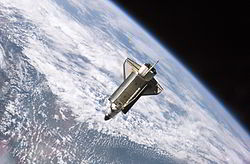
ภาพประกอบบทความ

Key Facts

  • 初の有人飛行: 1961年、ソ連のユーリ・ガガーリンがボストーク1号で地球周回軌道に到達。
  • 月面到達: 1969年、アメリカのアポロ11号によりニール・アームストロングらが人類初の月面着陸に成功。
  • 国際協力の象徴: 米露を中心に建設された国際宇宙ステーション(ISS)は、長期的な有人滞在を可能にした。
  • 新興勢力の台頭: 中国が2003年に神舟5号を打ち上げ、米露に次ぐ3番目の独自有人宇宙飛行能力を確立。
  • 民間時代の幕開け: SpaceXやBlue Originなどの民間企業が、輸送コストの削減と宇宙旅行の現実化を推進。

宇宙開発の黎明期と冷戦下の競争

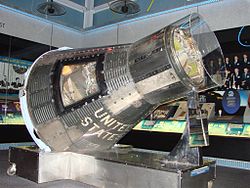
有人宇宙飛行の歴史は、1961年のソ連によるボストーク計画から本格的に始まります。ユーリ・ガガーリンの成功に続き、アメリカはマーキュリー計画で追撃し、アラン・シェパードらが宇宙へと飛び出しました。これらの初期ミッションは、人間が宇宙空間の微小重力環境で生存し、活動できるかを検証する極めてリスクの高い挑戦でした。
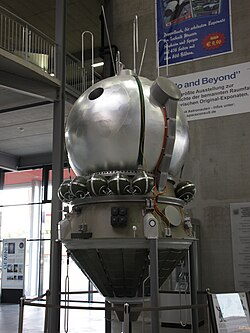
Replica of the Vostok space capsule, which carried the first human into orbit, at Technik Museum Speyer
Mercury space capsule, which carried the first Americans into orbit, on display at the Astronaut Hall of Fame, Titusville, Florida

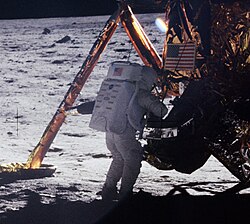
その後、競争は月を目指すアポロ計画へと加速します。1969年、ニール・アームストロングが月面に降り立った瞬間は、人類史上最大の快挙の一つとして記憶されています。また、この時期には極超音速機X-15のような、宇宙の縁に到達する実験機による研究も並行して行われていました。
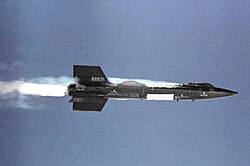
North American X-15, hypersonic rocket-powered aircraft, which reached the edge of space
Neil Armstrong, one of the first two people to land on the Moon and the first to walk on the lunar surface, July 1969

宇宙ステーションの構築と軌道上の生活

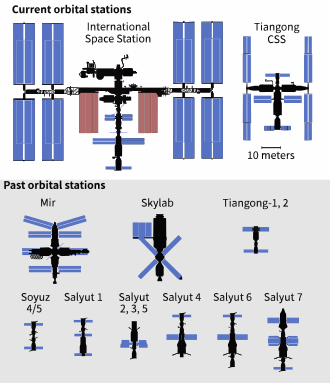
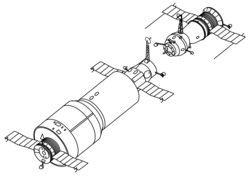
月への到達後、人類の関心は「宇宙でいかに長く暮らすか」へと移りました。ソ連はサリュート計画で世界初の宇宙ステーションを建設し、その後、汎用性の高いソユーズ宇宙船を運用することで、宇宙へのアクセスを定型化させました。
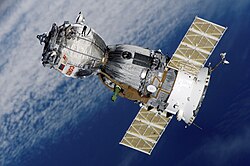
Soyuz, most serial spacecraft
Salyut 1, first crewed space station, with docked Soyuz spacecraft

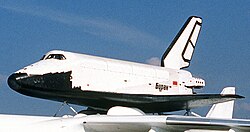
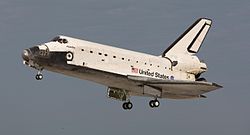
アメリカは再利用可能なスペースシャトルを開発し、大型貨物の輸送や衛星の修理、そして宇宙ステーションの建設を効率化しました。ソ連(後のロシア)も同様のコンセプトを持つブラーンを開発しましたが、シャトルほど広範な運用には至りませんでした。
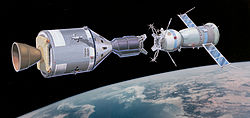
Artist's rendering of an Apollo CSM about to dock with a Soyuz spacecraft
Space Shuttle orbiter, first crewed orbital spaceplane
Buran-class orbiter, Soviet equivalent of the Space Shuttle orbiter

冷戦の終結とともに、宇宙開発は対立から協力へと転換します。その集大成が国際宇宙ステーション(ISS)であり、世界各国が共同で運営するこの巨大施設は、科学研究の最前線として機能し続けています。
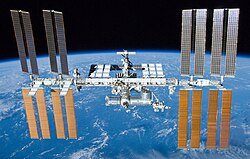
International Space Station, assembled in orbit by US and Russia

多様化する宇宙開発主体と民間企業の参入

21世紀に入ると、中国が神舟計画によって独自の有人宇宙飛行能力を獲得し、宇宙開発のプレイヤーは多極化しました。また、国家主導のプロジェクトだけでなく、民間企業による「ニュースペース」時代の波が押し寄せています。
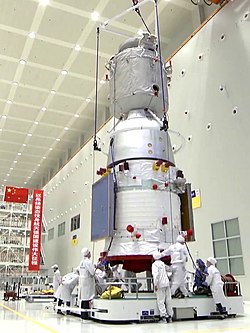
Chinese Shenzhou, first non-USSR and non-USA crewed spacecraft

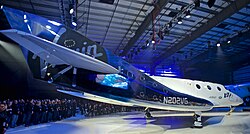
アメリカではスペースシャトルの退役後、一時的に有人飛行の中断期間(シャトル・ギャップ)がありましたが、その後、ヴァージン・ギャラクティックやBlue Originによるサブオービタル飛行、そしてSpaceXによる軌道飛行への挑戦が始まりました。
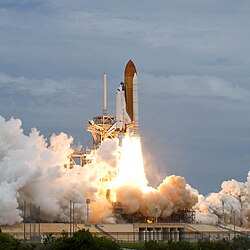
STS-135 (July 2011), the final human spaceflight of the United States until 2018
VSS Unity Flight VP-03 December 2018, the first human spaceflight from the United States since STS-135
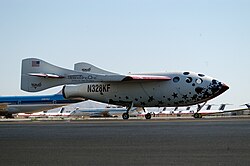
SpaceShipOne, first private sub-orbital spaceplane

特にSpaceXのクルードラゴンは、民間企業として初めて宇宙飛行士をISSへ運ぶことに成功し、宇宙輸送のコスト構造を根本から変えました。
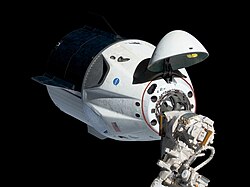
Crew Dragon, first private orbital spacecraft

宇宙飛行の現状とリスク管理

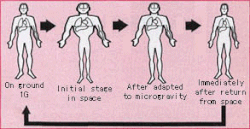
宇宙への旅は依然として危険を伴います。打ち上げ時の爆発や再突入時の事故など、過去には多くの中断や悲劇がありました。また、身体的な影響として、微小重力による体液分布の変化や、宇宙放射線への曝露、隔離環境による心理的ストレスなどが大きな課題となっています。
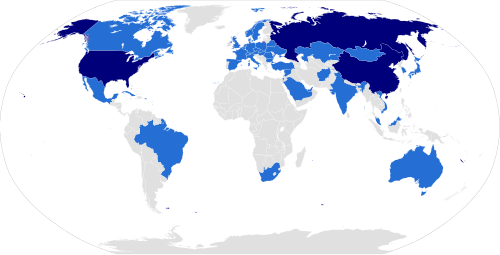
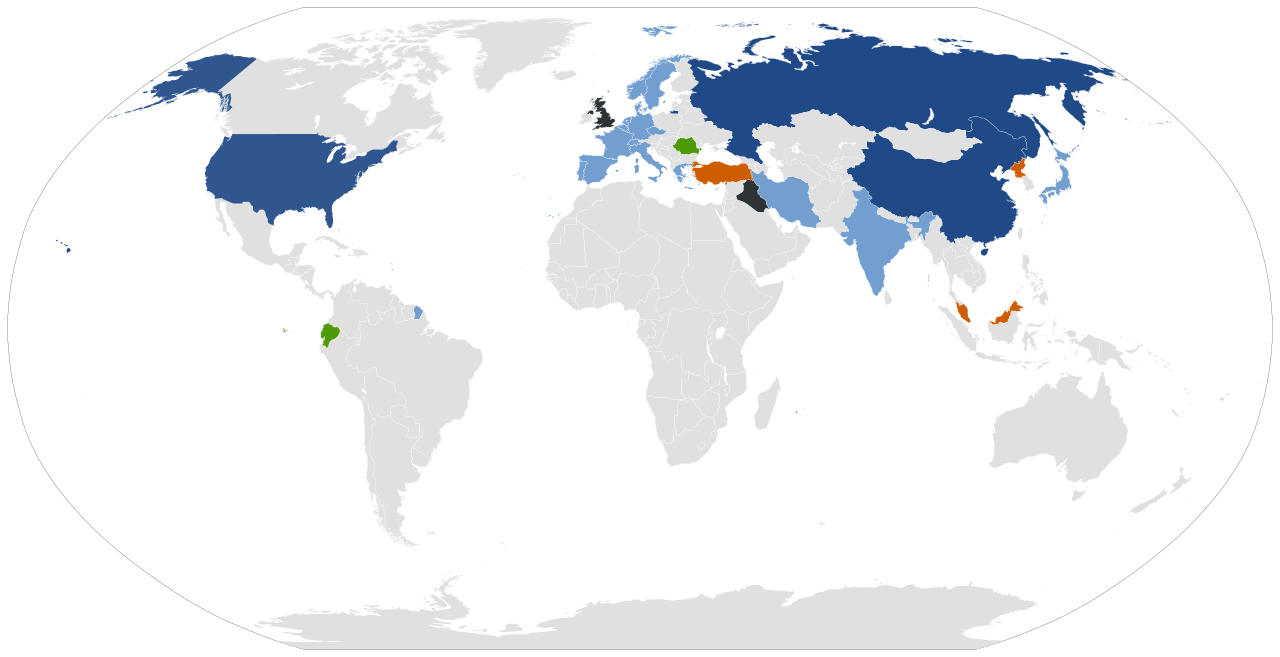
Map of countries (and successor states) that have sent humans into space as of June 2025. In dark blue are countries with their own human spacecraft.
Map of countries which have achieved human spaceflight
The image above contains clickable links
The effects of microgravity on fluid distribution around the body (greatly exaggerated)
Comparison of Radiation Doses – includes the amount detected on the trip from Earth to Mars by the RAD on the MSL (2011–2013)[110]

安全性の向上は最優先事項であり、チャレンジャー号やコロンビア号の事故などの教訓が、現在の厳格な安全基準と脱出システムの開発に活かされています。
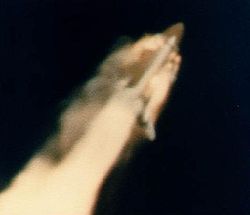
There was no practical way for the Space Shuttle Challenger's crew to safely abort before the vehicle's violent disintegration

宇宙の広がりと未来への展望

現在の有人宇宙飛行は、地球低軌道(LEO)から再び月、そして火星へと視線を向けています。アルテミス計画などの新しいミッションを通じて、人類は持続可能な月面拠点を目指しています。太陽系という広大なキャンバスの中で、私たちはまだ入り口に立ったばかりです。

The Sun, the planets, their moons, and several trans-Neptunian objects
主要な有人宇宙飛行プログラムの比較
プログラム名 主導国/組織 主な目的 特徴的な機体
ボストーク/ソユーズ ソ連/ロシア 初の有人飛行・ISS輸送 ソユーズ宇宙船
アポロ アメリカ 月面着陸 サターンV / 月着陸船
スペースシャトル アメリカ 軌道輸送・再利用 オービター
神舟 (Shenzhou) 中国 独自有人飛行能力の確立 神舟宇宙船
クルードラゴン SpaceX (民間) 商業的宇宙輸送 Crew Dragon

Frequently Asked Questions

宇宙飛行士にどのような身体的影響がありますか?

微小重力環境では体液が上半身に移動し、顔がむくむなどの変化が起こります。また、長期滞在では筋肉の萎縮や骨密度の低下が進むため、激しいトレーニングが必要です。さらに、地球の磁気圏外では強い宇宙放射線にさらされるリスクがあります。

民間人が宇宙に行くことは可能ですか?

はい、可能です。現在はBlue OriginやVirgin Galacticによるサブオービタル飛行(宇宙の縁まで到達し短時間で戻る飛行)や、SpaceXによる軌道飛行などの商業サービスが提供されており、訓練を受けた民間人が宇宙へ旅しています。

宇宙ステーションと宇宙船の違いは何ですか?

宇宙船は、地球から宇宙へ行き、再び戻ってくるための「輸送手段」です。一方、宇宙ステーションは、軌道上に固定して設置され、人間が長期間滞在して研究を行うための「居住施設」です。

過去にどのような重大事故がありましたか?

アポロ1号の地上訓練中の火災、ソユーズ11号の再突入時の減圧事故、そしてスペースシャトル・チャレンジャー号やコロンビア号の空中分解など、多くの悲劇がありました。これらの事故分析が、現在の宇宙飛行の安全性を高める基盤となっています。

今後、人類は火星に行けるのでしょうか?

多くの宇宙機関が計画を立てています。まずは月面に拠点を築くアルテミス計画などを通じて、深宇宙での生存技術を確立し、そのステップとして有人火星探査を目指すというロードマップが進められています。

References

  1. , making his third spaceflight, flew for the first time as a Russian citizen as opposed to a citizen of the Soviet Union which was the case of his first two spaceflights.
  2. and who first flew in 1984 and 1992 respectively on & , were born in Australia, but flew as American citizens.

📸 フォトギャラリー

ภาพประกอบบทความ
Replica of the Vostok space capsule, which carried the first human into orbit, at Technik Museum Speyer
Mercury space capsule, which carried the first Americans into orbit, on display at the Astronaut Hall of Fame, Titusville, Florida
North American X-15, hypersonic rocket-powered aircraft, which reached the edge of space
Neil Armstrong, one of the first two people to land on the Moon and the first to walk on the lunar surface, July 1969
Soyuz, most serial spacecraft
Salyut 1, first crewed space station, with docked Soyuz spacecraft
Artist's rendering of an Apollo CSM about to dock with a Soyuz spacecraft
Space Shuttle orbiter, first crewed orbital spaceplane
Buran-class orbiter, Soviet equivalent of the Space Shuttle orbiter
International Space Station, assembled in orbit by US and Russia
Chinese Shenzhou, first non-USSR and non-USA crewed spacecraft
STS-135 (July 2011), the final human spaceflight of the United States until 2018
VSS Unity Flight VP-03 December 2018, the first human spaceflight from the United States since STS-135
SpaceShipOne, first private sub-orbital spaceplane
Crew Dragon, first private orbital spacecraft
Map of countries (and successor states) that have sent humans into space as of June 2025. In dark blue are countries with their own human spacecraft.
Map of countries which have achieved human spaceflight
The image above contains clickable links
The effects of microgravity on fluid distribution around the body (greatly exaggerated)
Comparison of Radiation Doses – includes the amount detected on the trip from Earth to Mars by the RAD on the MSL (2011–2013)[110]
There was no practical way for the Space Shuttle Challenger's crew to safely abort before the vehicle's violent disintegration
The Sun, the planets, their moons, and several trans-Neptunian objects