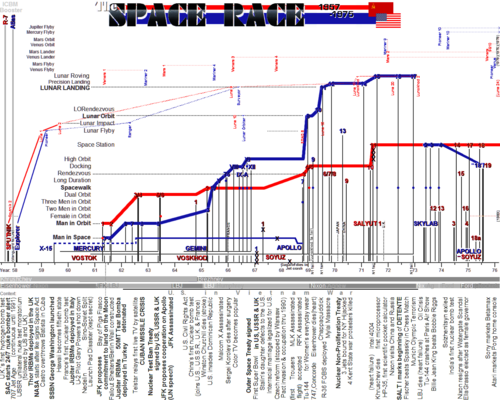
地球の唯一の天然衛星である月は、古くから人類の憧れであり、科学的な好奇心の対象でした。1959年に旧ソ連のルナ2号が初めて月面に到達して以来、人類は無人探査機による偵察から、アポロ計画による有人着陸、そして現代の民間企業による挑戦へと、その歩みを止めることなく進化させてきました。
月への到達は単なる技術的な達成ではなく、国家の威信をかけた政治的な競争から始まり、現在は国際的な協力と商業的な利用を目指す新しい時代へと移行しています。
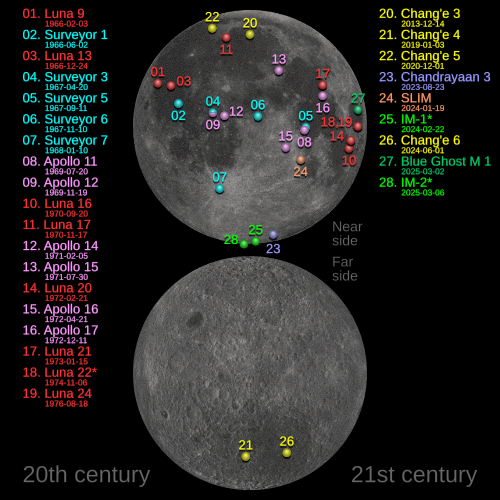
Key Facts
- 初の到達: 1959年、ソ連のルナ2号が人類初の月面衝突(ハードランディング)に成功。
- 初の軟着陸: 1966年、ソ連のルナ9号が機体を破壊せずに着陸することに成功。
- 初の有人着陸: 1969年7月20日、米国ののアポロ11号がニール・アームストロングとバズ・オルドリンを月面に送り出した。
- 現代の多様性: 中国、インド、日本などの国家に加え、民間企業による着陸ミッションが展開されている。
- 最新の成果: 日本のSLIMやインドのチャンドラヤーン3号などが、高精度な着陸や極地探査を実現。
初期の無人探査:衝突から軟着陸へ
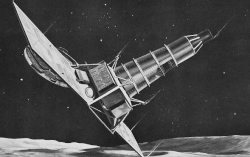
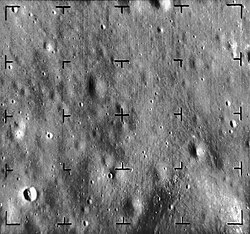
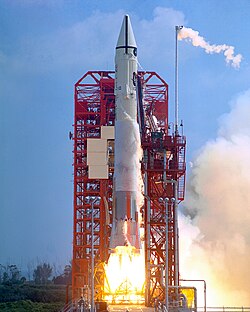
宇宙開発の黎明期、米国とソ連は激しい競争を繰り広げました。初期のミッションは、意図的に月面に衝突させる「ハードランディング」が主流でした。ソ連のルナ2号が1959年に先陣を切り、米国も1962年にレンジャー4号でこれに追随しました。
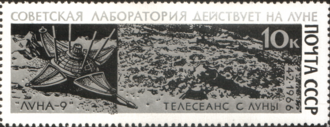
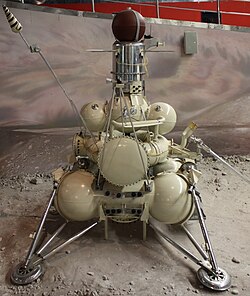
その後、探査の目的は「生存」へと移ります。1966年、ソ連のルナ9号が世界で初めての軟着陸(機体を安全に接地させること)を達成し、月面からの写真を送信しました。米国も同じ年にサーベイヤー1号を成功させ、月面の地質調査を開始しました。
月面サンプルの回収と自動走行
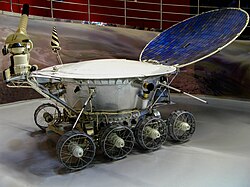
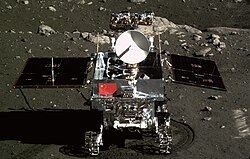
1970年代に入ると、ソ連はルナ16号などで無人でのサンプルリターン(月面の土壌を地球に持ち帰ること)に成功しました。また、ルノホートという自動走行車(ローバー)を投入し、広範囲の地形探索を実現しました。
アポロ計画:人類が月に降り立った時代
1960年代後半から70年代初頭にかけて、米国はアポロ計画を通じて人類を月へ送るという壮大な目標を達成しました。1969年のアポロ11号を皮切りに、計6回の有人着陸が成功し、多くの岩石サンプルと科学的データが持ち帰られました。
![A still frame from a video transmission, taken moments before Neil Armstrong became the first human to step onto the surface of the Moon, at 02:56 UTC on 21 July 1969. An estimated 500 million people worldwide watched this event, the largest television audience for a live broadcast at that time.[1][2]](/images/4c/33/4c334c9bb99861fc7e1c1a4bbea78fa1270c4f29dc56e7caae547151534846e8.jpg)
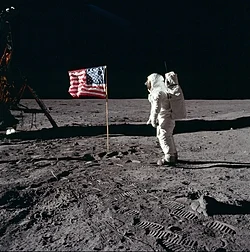
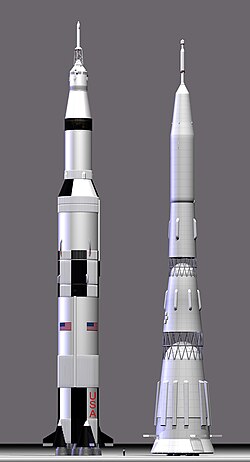
アポロ計画では、サターンVロケットという巨大な打ち上げ能力と、月着陸船(Lunar Module)という専用の機体が不可欠でした。宇宙飛行士たちは月面で船外活動(EVA)を行い、地質調査や実験装置の設置を行いました。
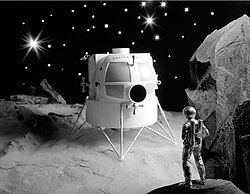
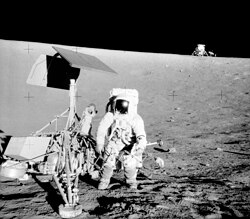
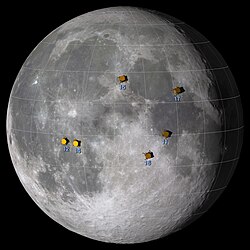
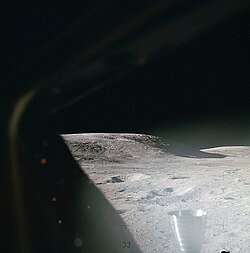
アポロ17号までのミッションを通じて、人類は月の成り立ちや歴史について深い知見を得ましたが、1972年を最後に有人月面着陸は途絶えることとなりました。
21世紀の新時代:多国間競争と民間参入
長い空白期間を経て、21世紀に入ると再び月探査が活発化しました。特に中国の「嫦娥(じょうが)」計画は目覚ましく、世界で初めて月の裏側に着陸(嫦娥4号)させ、さらにサンプルリターン(嫦娥5号)にも成功しています。
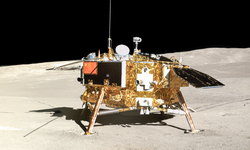
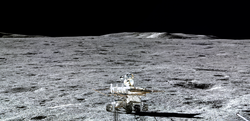

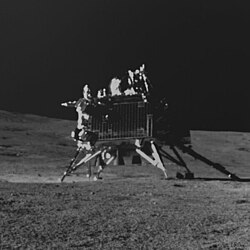
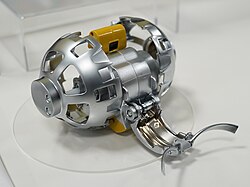
インドのチャンドラヤーン計画も大きな成果を上げており、特にチャンドラヤーン3号は月南極付近への着陸という困難なミッションを完遂しました。また、日本はSLIM(Smart Lander for Investigating Moon)により、ピンポイント着陸という高度な技術を実証しました。
さらに、現代の大きな特徴は民間企業の参入です。米国のCLPS(商業月面輸送サービス)などを通じ、直近ではオデッセウス(IM-1)などの民間機が月面に到達しています。また、日本のispace社によるミッションなど、商業的な月面利用への道が開かれています。
月探査のまとめ
| 時代 | 代表的な計画/機体 | 主な達成事項 | 国/組織 |
|---|---|---|---|
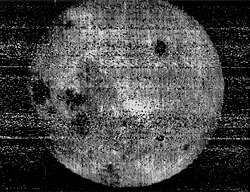
| 1950-60年代 | ルナ / レンジャー | 初の衝突、初の軟着陸、裏面撮影 | ソ連 / 米国 |
| 1969-72年 | アポロ計画 | 人類初の有人着陸、サンプル回収 | 米国 |
| 2010年代-現在 | 嫦娥 / チャンドラヤーン | 裏面着陸、南極付近への到達 | 中国 / インド |
| 現代 | SLIM / IM-1 | ピンポイント着陸、民間機による到達 | 日本 / 米国民間 |
現在は、アルテミス計画などの国際的な枠組みにより、再び人類が月に降り立ち、持続可能な拠点を構築することが目指されています。これは将来の火星探査に向けた重要なステップになると期待されています。
Frequently Asked Questions
人類が初めて月に降り立ったのはいつですか?
1969年7月20日(UTC)に、米国ののアポロ11号のニール・アームストロング船長とバズ・オルドリン飛行士が初めて月面に降り立ちました。
「軟着陸」とは具体的にどのようなことですか?
機体が破壊されない程度の低速で月面に接地することです。対照的に、高速で衝突させることは「ハードランディング」と呼ばれます。
月の裏側に着陸したことはありますか?
はい。中国の嫦娥4号が2019年に世界で初めて月の裏側への軟着陸に成功しました。
民間企業が月に行っているのは本当ですか?
本当です。米国のインテュイティブ・マシンズ社(IM-1)などが、NASAのプログラムを通じて民間機による月面着陸を実現しています。
今後の月探査の目標は何ですか?
アルテミス計画などを通じて、再び有人着陸を実現し、月面に持続可能な基地を建設することで、深宇宙探査(火星など)の拠点とすることが目標とされています。
References
- "Manned Space Chronology: Apollo_11". spaceline.org. Retrieved 6 February 2008.
- "Apollo Anniversary: Moon Landing "Inspired World"". National Geographic. Archived from the original on 21 July 2004. Retrieved 6 February 2008.
- "Luna 2". NASA–NSSDC.
- NASA Apollo 11 40th anniversary.
- "Chinese spacecraft makes first landing on moon's far side". AP NEWS. 3 January 2019. Retrieved 3 January 2019.
- Kumar, Hari; Travelli, Alex; Mashal, Mujib; Chang, Kenneth (23 August 2023). "India Moon Landing: In Latest Moon Race, India Lands First in Southern Polar Region". The New York Times. 0362-4331. Retrieved 25 August 2023.
- Sheetz, Michael (19 January 2024). "Japan announces successful SLIM lunar landing, fifth country to reach moon's surface". CNBC. Retrieved 19 January 2024.
- Dhillon, Amrit (23 August 2023). "India lands spacecraft near south pole of moon in world first". The Guardian. 0261-3077. Retrieved 23 August 2023.
- "Chandrayaan 3 Landing Live: ISRO's Chandrayaan-3 Vikram lander makes successful soft-landing on Moon". The Times of India. 23 August 2023. Retrieved 23 August 2023.
- Sample, Ian (19 January 2024). "Japan's Slim spacecraft lands on moon but struggles to generate power". . Archived from the original on 19 January 2024. Retrieved 19 January 2024.
📸 フォトギャラリー