17世紀初頭、ガリレオ・ガリレイは太陽の表面に現れる暗い斑点、すなわち太陽黒点の観察を通じて、当時の宇宙観に大きな衝撃を与えました。1612年に執筆され、翌1613年にローマのリンチェーイ学士院から出版された『太陽黒点に関する書簡(Istoria e Dimostrazioni intorno alle Macchie Solari)』は、単なる天体観測の記録ではなく、完璧であるはずの天界に「欠陥」が存在することを証明しようとする挑戦的な著作でした。
この著作は、ガリレオがコペルニクスの地動説への支持を表明した『星界の使者』の流れを汲むものであり、太陽が不変で不動であるというアリストテレス的な伝統的見解を根本から揺るがす重要な役割を果たしました。
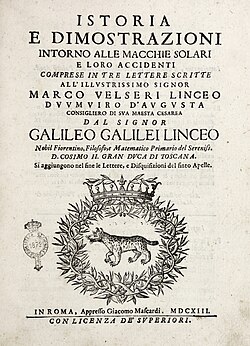
Key Facts
- 核心的な主張:太陽黒点は太陽の表面(または至近距離)に存在し、太陽自体の自転によって移動している。
- 科学的意義:天体が完璧で不変であるというアリストテレス的宇宙観を否定し、地動説を間接的に支持した。
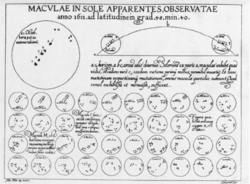
- 視覚的アプローチ:38枚もの精緻な銅版画を用い、黒点の変化を時間経過とともに記録して説得力を高めた。
- 対立構造:イエズス会士クリストフ・シェイナーとの激しい論争を展開し、これが後の宗教裁判への伏線となった。
太陽黒点観測の歴史的背景
ガリレオが黒点を発見したわけではありません。記録を遡れば、古代中国の『易経』や紀元前364年の中国の記録、あるいはギリシャのテオフラストスによる言及が見られます。また、12世紀にはアヴェロエスやジョン・オブ・ウスターがその様子を描写していました。
望遠鏡の登場後、1610年にはトーマス・ハリオットが、1611年にはヨハネス・ファブリキウスが黒点を観測し、後者はパンフレットとして出版しました。しかし、ガリレオは執筆当時、ファブリキウスの著作を認識していませんでした。
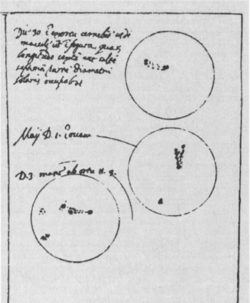
シェイナーとの論争と視覚的証明
ガリレオの最大の論敵となったのが、イエズス会士のクリストフ・シェイナーです。シェイナーは黒点を太陽の周りを回る小さな惑星のような存在であると主張し、太陽本体の完璧さを守ろうとしました。これに対し、ガリレオは黒点が太陽の表面にある「汚れ」のようなものであり、太陽が自転しているために現れたり消えたりするように見えるのだと反論しました。
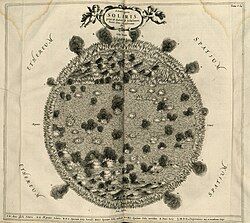
ガリレオは言葉だけでなく、圧倒的な量の図解を用いて読者を説得しようとしました。1612年6月から7月にかけての黒点の推移を詳細に描いた38枚の版画は、当時の読者に写真のような現実感を与え、シェイナーの理論を視覚的に圧倒しました。
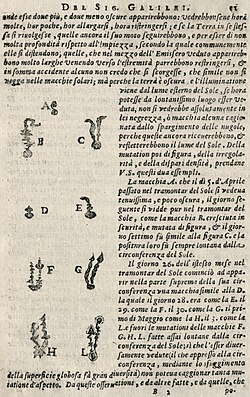
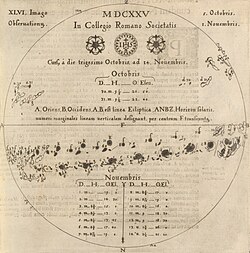
この出版には多額の費用が投じられ、特に銅版画の制作費は全制作費の約半分を占めていました。一部の版には、比較のためにシェイナーの図版も併記されていましたが、ガリレオ側はシェイナーの図を縮小して掲載し、その精緻さで差をつけようとしました。
科学的論証と幾何学的アプローチ
ガリレオは、黒点が太陽の表面にあることを証明するために、視覚的な短縮(フォアショートニング)の概念を用いました。太陽の縁に近づく黒点がどのように変形し、移動速度がどう変化するかを幾何学的に分析したのです。
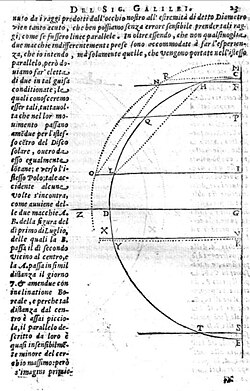
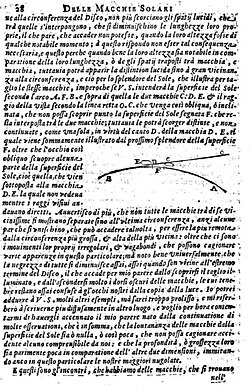
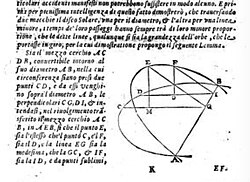
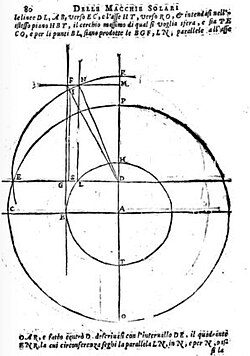
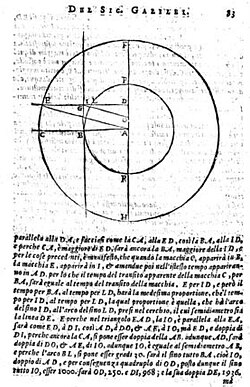
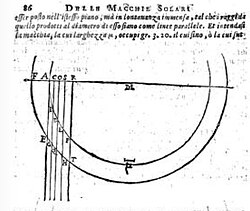
また、1612年8月には肉眼でも確認できるほどの巨大な黒点が出現し、ガリレオはこれを追記として記録に残しています。さらに、後にフランチェスコ・シッツィから「黒点の移動経路が季節によって変化する」という指摘を受け、ガリレオはこれを地球の地軸が傾いて公転している証拠として、後の主著『天文対話』に組み込むことになります。
知的対立から宗教裁判へ
ガリレオとシェイナーの関係は、科学的な議論を超えて個人的な憎しみへと発展しました。ガリレオは著書『試金石』の中でシェイナーを盗作で非難し、激怒したシェイナーは自らの専門性を証明するために大著『ローザ・ウルシナ』を執筆しました。
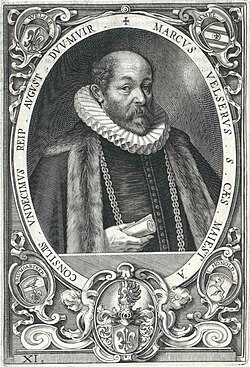
この対立は、ガリレオを支持していたリンチェーイ学士院のチェジさえも危惧したほどであり、イエズス会全体をガリレオに敵対させる要因となりました。直接的な証拠はありませんが、1633年の宗教裁判の背景には、シェイナーによる水面下での働きかけがあったと考えられています。
一方で、1615年に異端審問所が『太陽黒点に関する書簡』を調査した際、地動説に関する記述が含まれていないことが確認されたため、本書自体は禁書に指定されませんでした。これにより、カトリックの学者は地動説こそ議論できずとも、太陽黒点の性質については自由に研究することができました。
後世への影響と他者の視点
ガリレオの理論は、同時代の多くの学者に影響を与えました。ヨハネス・ケプラーは当初、黒点を水星の通過と誤認していましたが、後にガリレオらの研究を経て修正しました。また、ピエール・ガサンディは黒点の観測から太陽の自転周期を25〜26日と推定し、ガリレオの説を支持しました。
ルネ・デカルトも太陽黒点に関心を持ち、自身の「渦動説」の例証として黒点の回転を利用しました。一方で、ジョヴァンニ・バッティスタ・リチョーリのように、オッカムの剃刀(簡潔性の原理)に基づき、地動説よりも天動説の方が黒点現象をより簡潔に説明できると主張した学者も存在しました。
まとめ:観測データの重要性
ガリレオの『太陽黒点に関する書簡』は、単なる天文学の報告書ではなく、権威ある教義よりも「実際に観察されたデータ」を優先させる近代科学の精神を体現した作品でした。彼が追求した視覚的な正確さと論理的な推論は、宇宙の真理を解き明かすための強力な武器となったのです。
| 項目 | 詳細 |
|---|---|
| 執筆・出版年 | 1612年執筆、1613年出版 |
| 主な主張 | 黒点は太陽表面にあり、太陽は自転している |
| 対立相手 | クリストフ・シェイナー(イエズス会士) |
| 視覚資料 | 38枚の太陽黒点銅版画 |
| 歴史的帰結 | アリストテレス的宇宙観の崩壊、地動説への寄与 |
Frequently Asked Questions
ガリレオは太陽黒点を最初に発見した人ですか?
いいえ。古代中国やギリシャ、中世のイスラム圏などで既に観測されていました。また、望遠鏡を用いた観測では、トーマス・ハリオットやヨハネス・ファブリキウスがガリレオより先に黒点を確認していました。
なぜ太陽黒点の発見が地動説に関係するのですか?
当時の定説では、天体は完璧で不変であるとされていました。しかし、太陽に「黒点」という欠陥があり、それが移動していることは、太陽が不完全であり、かつ自転していることを意味します。これは天界が不変であるというアリストテレス的宇宙観を否定し、結果として地動説を受け入れやすい土壌を作りました。
シェイナーはなぜ黒点が太陽の表面にあることを否定したのですか?
太陽が完璧であるという伝統的な宗教的・哲学的見解を守るためです。彼は黒点を太陽の表面にある汚れではなく、太陽の周りを回る小さな衛星(惑星)であると主張することで、太陽本体の純粋性を維持しようとしました。
この本は宗教裁判で禁書になりましたか?
いいえ。異端審問所による調査の結果、本書の中に直接的に地動説を唱える記述が含まれていなかったため、禁書には指定されませんでした。ただし、この本を巡るシェイナーとの論争が、後のガリレオの裁判に影響を与えた可能性が高いとされています。
ガリレオが図版にこだわった理由は何ですか?
黒点が一時的な現象であり、太陽の自転に伴って変化することを視覚的に証明するためです。詳細で自然な描写の図版を大量に提示することで、言葉による議論よりも強力に、読者に「現実」として認識させる戦略を取りました。
References
- "Galileo's letters to Mark Welser". aty.sdsu.edu. Retrieved 10 August 2017.
- A. Bowdoin Van Riper, Science in Popular Culture: A Reference Guide, Greenwood Publishing Group, 2002 p.111
- Giudice, Franco (2014). "Galileo's cosmological view from the Sidereus Nuncius to letters on sunspots". Galilæana.
- Xu Zhen-Tao (1980). "The hexagram "Feng" in "the book of changes" as the earliest written record of sunspot". Chinese Astronomy. 4 (4): 406. :1980ChA.....4..406X. :10.1016/0146-6364(80)90034-1.
- Stefan Hughes, Catchers of the Light: The Forgotten Lives of the Men and Women Who First Photographed the Heavens, ArtDeCiel Publishing, 2012 p.317
- Vaquero, J. M. (2007). "Letter to the Editor: Sunspot observations by Theophrastus revisited". Journal of the British Astronomical Association. 117: 346. :2007JBAA..117..346V.
- J.M. Vaquero, M. Vázquez, The Sun Recorded Through History, Springer Science & Business Media, 2009 p.75 accessed 29 July 2017.
- "This Month in Physics History". Aps.org. Retrieved 10 August 2017.
- Arnab Rai Choudhuri, Nature's Third Cycle: A Story of Sunspots, OUP, 2015 p.7
- "NASA - Sun-Earth Day - Technology Through Time - Greece". sunearthday.nasa.gov. Retrieved 10 August 2017.
📸 フォトギャラリー