夜空に赤く輝く火星は、古来より人類の好奇心を刺激し続けてきました。単なる光る点として捉えられていた時代から、詳細な地形図が描かれ、ついには探査機が地表を駆け巡る現代に至るまで、火星観測の歩みは天文学の進化そのものと言えます。
Key Facts
- 古代の記録: 紀元前2千年紀のエジプトや、紀元前1045年以前の中国ですでに観測されていた。
- モデルの変遷: 天動説からコペルニクスの地動説へ、さらにケプラーによる楕円軌道の提唱へと発展した。
- 望遠鏡の導入: 1609年にガリレオ・ガリレイが初めて望遠鏡で火星を捉えた。
- 誤解と幻想: かつては「運河」のような人工構造物や、大気中の水が存在すると信じられていた時期があった。
- 現代の分析: 宇宙望遠鏡や火星隕石の分析により、二酸化炭素主体の薄い大気と乾燥した環境が判明している。
古代からルネサンスまで:軌道モデルの進化
火星の観測記録は驚くほど古く、古代エジプトや中国の記録にまで遡ります。特にバビロニアの天文学者は、算術的な手法を用いて火星の将来的な位置を予測する技術を確立していました。古代ギリシャやヘレニズム時代の天文学者は、地球を中心とした天動説(地心モデル)を用いて、火星の複雑な動きを説明しようと試みました。
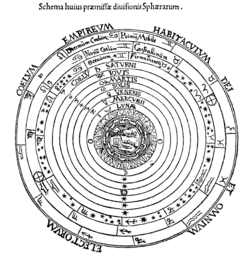
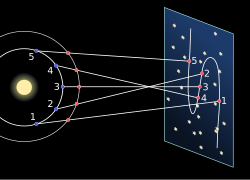
火星の最大の特徴の一つは、地球から見たときに一時的に進行方向を逆にする「逆行」という現象です。これは地球が火星を追い越す際に起こる視覚的な効果ですが、天動説の時代にはこの動きを説明することが大きな課題でした。
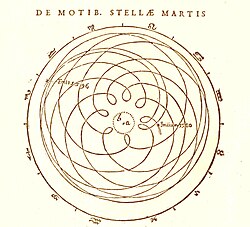
16世紀になると、ニコラウス・コペルニクスが太陽を中心とする地動説(日心モデル)を提唱し、惑星が太陽の周囲を円軌道で回っていると主張しました。その後、ヨハネス・ケプラーが火星の観測データを精査し、軌道が円ではなく「楕円」であることを突き止めたことで、より正確な惑星運動の記述が可能となりました。
望遠鏡時代の幕開けと「火星運河」の幻想
1609年、ガリレオ・ガリレイが初めて望遠鏡を火星に向けました。その後、天文学者たちは火星のアルベド(光の反射率)の違いによる模様に注目し始めます。特に「シルチス・メジャー」と呼ばれる暗い領域や、極地の氷冠が発見され、自転周期や地軸の傾きが算出されるようになりました。
![First drawn record of Martian features (Manuscript K), by Christiaan Huygens, observed on the 28th of November 1659.[29] The feature is probably Syrtis Major Planum. Huygens calculated from the moving of the features the rotation of Mars.](/images/c4/9b/c49b66eb887220c5cea10ba1a21746be79c79aec1e1e2ad225c33d09b3f0f79f.jpg)
19世紀後半、観測精度が向上すると、火星の地図作成が盛んになりました。1877年の大接近時にジョヴァンニ・スキアパレッリは、表面に直線的な構造(canali)があることを報告しました。これが英語に翻訳される過程で「運河(canals)」と誤訳され、パーシヴァル・ローウェルらによって「知的生命体が作った人工的な水路である」という説が広まり、大衆の想像力をかき立てました。
しかし、後の精密な観測により、これらの直線は視覚的な錯覚であったことが判明しました。また、火星の大気は地球のような環境を維持するにはあまりに薄すぎることが明らかになりました。
物理的特性の解明と科学的アプローチ
20世紀に入ると、火星の物理的な性質に関する研究が進みました。1870年代から観測されていた黄色い雲について、エウージェン・アントニアディは風で舞い上がった砂や塵であると推測しました。また、1920年代には表面温度がマイナス85度から7度の範囲にあることが測定されました。
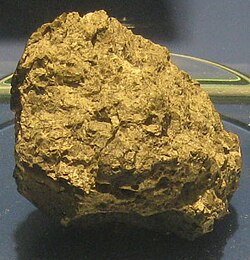
1947年にはジェラード・カイパーが、火星の大気が主に二酸化炭素で構成されており、その量は地球の約2倍に達することを明らかにしました。さらに、地球上に落下した火星由来の隕石の分析により、直接現地に行かずとも化学的な組成を研究することが可能となりました。
現代の遠隔探査:宇宙望遠鏡の視点
現代では、地上望遠鏡だけでなく、宇宙空間に設置された高性能な望遠鏡が火星を監視しています。ハッブル宇宙望遠鏡は、地球から得られる最高解像度の画像を提供し、極地の雲や大規模な砂嵐の様子を捉えています。
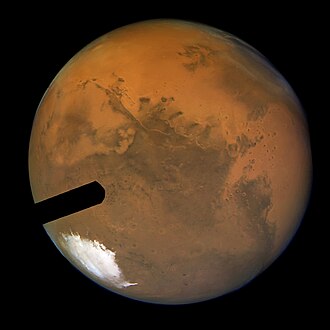
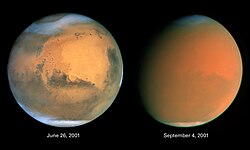
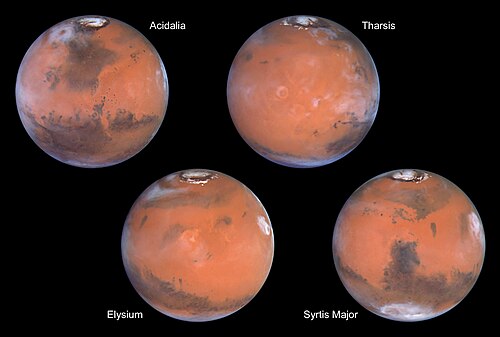
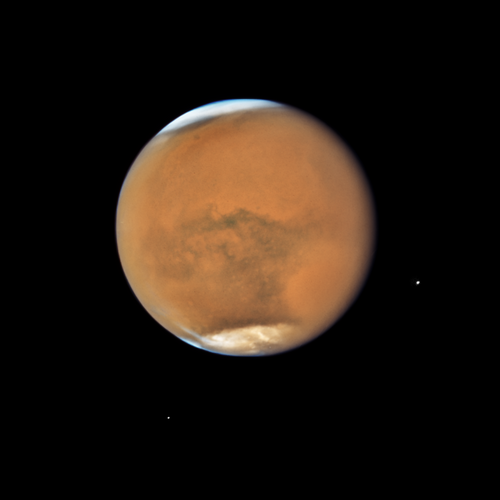
そして2022年、ジェイムズ・ウェッブ宇宙望遠鏡が火星の画像とスペクトルデータを取得し、さらなる詳細な分析の道を開きました。これにより、電磁スペクトルの広範囲にわたる観測が可能となり、火星の環境理解は飛躍的に深まっています。
![The James Webb Space Telescope captured its first images and spectra of Mars on 5 September 2022.[100]](/images/95/bd/95bd266d32a015c9acd28835a91700bf21feba0cf7a5c7c83615814200737d5d.jpg)
火星観測の歴史的まとめ
| 時代/年 | 主要な成果・発見 | 重要人物/機関 |
|---|---|---|
| 古代 | 惑星の運行記録、位置予測の開始 | エジプト、中国、バビロニア |
| 16-17世紀 | 地動説の提唱、楕円軌道の発見、初の望遠鏡観測 | コペルニクス、ケプラー、ガリレオ |
| 19世紀 | アルベド地図の作成、「運河」説の流行と否定 | スキアパレッリ、ローウェル |
| 20世紀 | 大気組成(CO2)の特定、表面温度の測定 | ジェラード・カイパー |
| 現代 | 高解像度画像、スペクトル分析、隕石研究 | NASA (ハッブル、ウェッブ望遠鏡) |
Frequently Asked Questions
火星の「運河」は本当に存在したのですか?
いいえ、存在しませんでした。イタリアの天文学者スキアパレッリが観察した「canali(溝・チャネル)」という言葉が、英語で「canals(人工運河)」と誤訳されたことで広まった幻想です。後の観測で、これらは視覚的な錯覚であったことが証明されました。
なぜ火星は空で逆方向に動くように見えるのですか?
これは「逆行」と呼ばれる現象で、地球が火星よりも速い速度で太陽の周りを公転しているために起こります。地球が火星を追い越す際、相対的な位置関係の変化により、火星が一時的に逆向きに動いているように見えます。
火星の大気にはどのような特徴がありますか?
火星の大気は非常に薄く、乾燥しています。成分の大部分は二酸化炭素であり、酸素や水はごくわずかしか含まれていません。また、風によって舞い上がる砂や塵による大規模な砂嵐が発生することがあります。
火星の隕石が地球で見つかるのはなぜですか?
火星に巨大な隕石が衝突した際、火星の岩石が宇宙空間に弾き飛ばされ、それが長い時間をかけて地球の重力に捉えられたためです。これらの隕石を分析することで、火星の化学的条件を地球上の研究室で調べることができます。
References
- Dunlap, David W. (October 1, 2015). "Life on Mars? You Read It Here First". . Archived from the original on October 2, 2015. Retrieved October 1, 2015.
- Novaković, B. (October 2008). "Senenmut: an ancient Egyptian astronomer". Publications of the Astronomical Observatory of Belgrade. 85: 19–23. :0801.1331. :2008POBeo..85...19N.
- Clagett, Marshall (1989). Ancient Egyptian science: calendars, clocks, and astronomy. Vol. 2. DIANE Publishing. pp. 162–163. .
- North, John David (2008). Cosmos: an illustrated history of astronomy and cosmology. University of Chicago Press. pp. 48–52. .
- Swerdlow, Noel M. (1998). "Periodicity and Variability of Synodic Phenomenon". The Babylonian theory of the planets. Princeton University Press. pp. 34–72. . Archived from the original on 2024-06-11. Retrieved 2016-07-13.
- Ciyuan, Liu (February 1988). "Ancient Chinese Observations of Planetary Positions and a Table of Planetary Occultations". Earth, Moon, and Planets. 40 (2): 111–117. :1988EM&P...40..111C. :10.1007/BF00056020. 124343759. in particular, see table 1.
- Ciyuan, Liu (February 1988). "Ancient chinese observations of planetary positions and a table of planetary occultations". Earth, Moon, and Planets. 40 (2): 111–117. :1988EM&P...40..111C. :10.1007/BF00056020. 124343759.
- Chang, Shuyen; Wu, Zhongliang (1988). An introduction to the historical records of China about Mars. MEVTV Workshop on Nature and Composition of Surface Units on Mars. Lunar and Planetary Institute. pp. 40–42. :1988ncsu.work...40C.
- York, Tom J. (November 2001). "An analysis of close conjunctions recorded in ancient China". Journal for the History of Astronomy. 32, Part 4 (109): 337–344. :2001JHA....32..337Y. :10.1177/002182860103200403. 115908222.
- Valery, Franz; Cumont, Marie (1912). Astrology and religion among the Greeks and Romans. American lectures on the history of religions. Vol. VIII. G. P. Putnam. p. 46.
📸 フォトギャラリー