自分の考えを自由に表現し、情報を得ることができる「言論の自由」は、現代の民主主義社会において不可欠な基盤です。これは単に言葉を発する権利にとどまらず、思想の探求や情報の共有、そして権力に対する批判的な視点を維持するための根源的な権利として位置づけられています。
Key Facts
- 基本的権利の確立: 1789年のフランス人権宣言や米国憲法修正第1条により、法的な権利として明文化されました。
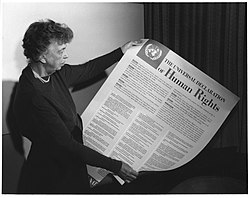
- 国際的な基準: 1948年の世界人権宣言第19条で、情報の追求・受領・伝達の権利が保障されています。
- 多様な制限: 国家による検閲、宗教的な冒涜罪、不敬罪など、国や文化によって異なる制限が存在します。
- 現代の課題: インターネット上のアルゴリズムによる制御や、デジタル空間での監視が新たな課題となっています。
言論の自由の歴史的展開
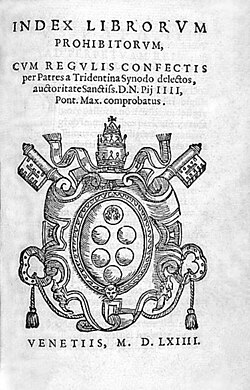
言論の自由という概念は、長い時間をかけて権力による抑圧との闘いを通じて形成されてきました。初期の近代において、印刷技術の普及は知識の拡散を促しましたが、同時に権力者による強い警戒を招きました。例えば、16世紀にはカトリック教会が「禁書目録」を作成し、教義に反する書籍の流通を厳しく制限していました。
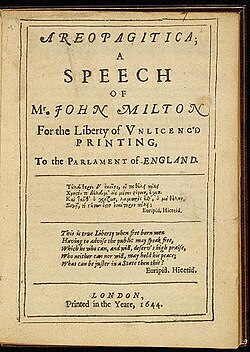
また、印刷機が「有害な嘘」を広めると主張し、タルムードやコーラン、あるいはルターやカルヴァンといった宗教改革者の著作を排除しようとする動きもありました。こうした抑圧に対し、ジョン・ミルトンなどの思想家は、検閲に反対し、自由な議論こそが真理に到達する唯一の道であると説きました。
![In Panegyricae orationes septem (1596), Henric van Cuyck, a Dutch Bishop, defended the need for censorship and argued that Johannes Gutenberg's printing press had resulted in a world infected by "pernicious lies"—so van Cuyck singled out the Talmud and the Qur'an, and the writings of Martin Luther, Jean Calvin and Erasmus of Rotterdam.[22]](/images/bb/3b/bb3bc3e92009286ee8b4aefcd9955cfbd8ba7440d8e5f4a20201251280fa6c37.jpg)
17世紀から18世紀にかけて、啓蒙主義の台頭とともに、言論の自由は個人の不可侵な権利として定義されるようになります。フランス革命時の「人間および市民の権利宣言」や、アメリカ合衆国憲法の修正第1条は、国家が個人の表現を不当に制限することを禁じる画期的な転換点となりました。
表現の自由を巡る社会的・政治的闘争
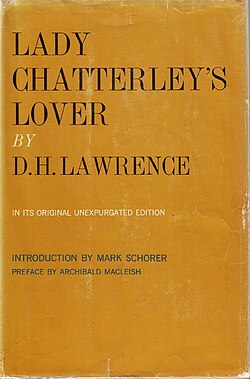
法的な権利が認められた後も、実際的な運用においては激しい対立が続きました。特に、社会的な道徳や公序良俗を理由とした検閲は根強く、文学作品が「わいせつ」として禁止される事例が多々ありました。しかし、裁判を通じてこれらの制限が撤廃され、表現の幅が広がっていった歴史があります。
![This 1688 edition of Jacobus de Voragine's Golden Legend (1260) was censored according to the Index Librorum Expurgatorum of 1707, which listed the specific passages of books already in circulation that required censorship.[26][27]](/images/49/4c/494c1a894cc5bfbb668794a9388cce21e611607644ac784050cce50494d1accd.jpg)
また、ジョージ・オーウェルが指摘したように、自由な社会とは「人々が聞きたくないことを伝える権利」を保障することに他なりません。これは、単に心地よい意見を交わすことではなく、不都合な真実や異論を許容する寛容さが民主主義の核心であることを示しています。
![George Orwell statue at the headquarters of the BBC. A defence of free speech in an open society, the wall behind the statue is inscribed with the words "If liberty means anything at all, it means the right to tell people what they do not want to hear", words from George Orwell's proposed preface to Animal Farm (1945).[32]](/images/ba/90/ba9061a5e947c76583aca28dd12f5a0fe24738d46a63d887d74f89d5662040e5.jpg)
現代における制限と検閲の形態
現代においても、言論の自由は完全なものではなく、様々な形態の制限が存在します。これらは大きく分けて、政治的、宗教的、そして技術的な制限に分類されます。
宗教的・文化的制限
多くの国では、宗教的な権威を傷つける「冒涜罪」や、国家元首への批判を禁じる「不敬罪」が法的に維持されています。特に一部の地域では、信仰を捨てること(棄教)が犯罪とされるなど、思想の自由が厳しく制限されている現状があります。
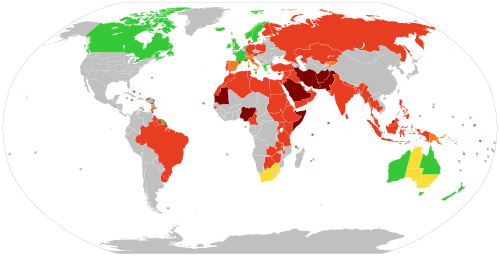
![Restriction of apostasy by country (2020)[104]](/images/43/77/43772777aa0df7d290ef40cff7fee18cdf3c9d0da190e9eb98cc4b6260ad30c5.webp)
政治的制限とヘイトスピーチ
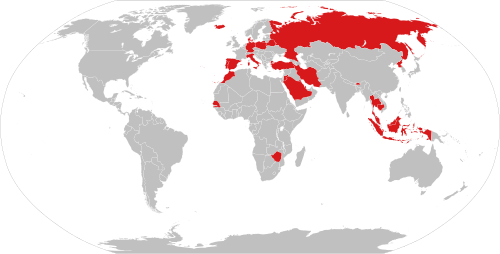
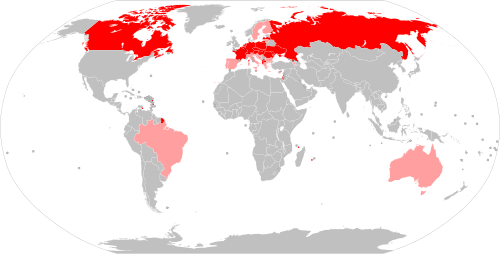
民主主義国家であっても、ホロコーストの否定など、特定の集団に対する憎悪を煽る表現(ヘイトスピーチ)は、他者の権利を侵害し暴力を誘発する可能性があるため、法的に制限される場合があります。
デジタル時代の新たな検閲
インターネットの普及により、情報の伝達速度は飛躍的に向上しましたが、同時に新たな監視体制が構築されました。政府によるウェブサイトの遮断や、プラットフォーム企業による「シャドウバン(密かな制限)」、アルゴリズムによる情報のフィルタリングなど、目に見えにくい形での検閲が進んでいます。
![The Free Speech Flag was created during the AACS encryption key controversy as "a symbol to show support for personal freedoms".[77]](/images/ee/77/ee77b7bd90b66c8c09b7842077c6c81cb6db73c6909f4b1c3831a7257ae486df.webp)
自由な表現の象徴と実践
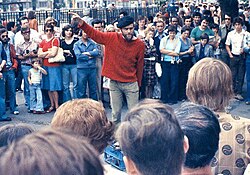
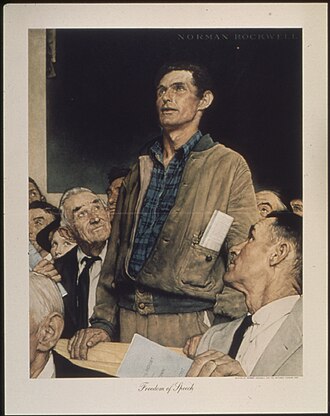
世界各地では、言論の自由を象徴する場所や活動が存在します。ロンドンのスピーカーズ・コーナーのように、誰でも自由に演説できる空間や、アメリカのバージニア州にあるフリースピーチ・ウォールのように、多様な意見を書き込める場所が、市民の権利を視覚的に表現しています。

言論の自由に関するまとめ
| カテゴリー | 保障される権利・概念 | 主な制限・抑圧の手法 |
|---|---|---|
| 政治・法制度 | 憲法による保障、知る権利 | 不敬罪、政治的弾圧、事前抑制 |
| 宗教・道徳 | 信仰の自由、良心の自由 | 冒涜罪、禁書、棄教の禁止 |
| メディア・技術 | 報道の自由、インターネットアクセス | 検閲、シャドウバン、ネット遮断 |
| 社会・倫理 | 多様な意見の表明、批判的思考 | ヘイトスピーチ規制、社会的排除 |
Frequently Asked Questions
言論の自由は完全に無制限なのでしょうか?
いいえ、完全な無制限ではありません。他者の名誉毀損、プライバシーの侵害、あるいは暴力や差別を直接的に煽るヘイトスピーチなど、他者の権利や公共の安全を著しく損なう場合は、法的な制限が課されるのが一般的です。
「検閲」と「コンテンツモデレーション」の違いは何ですか?
検閲は主に国家権力が政治的・宗教的な理由で情報を強制的に排除することを指します。一方、コンテンツモデレーションは、SNSなどの民間プラットフォームが利用規約に基づき、不適切な投稿を管理・削除することを指します。ただし、後者が実質的に検閲のような役割を果たすことが現代の議論となっています。
世界人権宣言における言論の自由とは具体的に何を指しますか?
第19条では、単に意見を持つことだけでなく、国境に関係なく、あらゆるメディアを通じて情報や思想を「探し」、それを「受け取り」、そして他者に「伝える」という一連のプロセスすべてが権利として認められています。
なぜ不敬罪や冒涜罪が今でも存在するのですか?
これらの法律は、国家の統合や宗教的な秩序を維持することを目的としています。伝統的な価値観を重視する社会や、権威による統治を優先する体制においては、権威への批判を社会の不安定化に繋がるリスクと見なすため、制限が維持されています。
References
- "The Core International Human Rights Treaties" (PDF). OFFICE OF THE UNITED NATIONS HIGH COMMISSIONER FOR HUMAN RIGHTS. 2006.
- "Article 19". International Covenant on Civil and Political Rights. Office of the United Nations High Commissioner for Human Rights; adopted and opened for signature, ratification and accession by UN General Assembly resolution 2200A (XXI) of 16 December 1966, entry into force 23 March 1976. Retrieved 19 March 2026.
- van Mill, David (1 January 2016). "Freedom of Speech". In Zalta, Edward N. (ed.). The Stanford Encyclopedia of Philosophy (Fall 2016 ed.). Archived from the original on 18 March 2019. Retrieved 12 October 2016.
- Smith, David (5 February 2006). "Timeline: a history of free speech". The Guardian. London. Archived from the original on 29 August 2013. Retrieved 2 May 2010.
- Raaflaub, Kurt; Ober, Josiah; Wallace, Robert (2007). Origins of democracy in ancient Greece. . p. 65. .
- Ofir Haivry and Yoram Hazony: What Is Conservatism? Archived 7 April 2021 at the American Affairs Summer 2017 / Volume I, Number 2.
- "Bill of Rights 1689". Parliament UK. Archived from the original on 12 March 2017. Retrieved 30 April 2019.
- Williams, E. N. (1960). The Eighteenth-Century Constitution. 1688–1815. Cambridge University Press. pp. 26–29. 1146699.
- "MPs' Guide to Procedure: Freedom of speech". UK Parliament. Retrieved 23 September 2023.
- Voltaire, François Marie Arouet de. (1909–1914) [1734]. "Letters on the English – Introductory Note". www.bartleby.com. The Harvard Classics. Retrieved 11 August 2025.
📸 フォトギャラリー