人間がどのような信仰を持つか、あるいは持たないかを選択する権利である信教の自由は、現代社会における基本的な人権の一つです。この権利は単に特定の宗教を信じることだけでなく、信仰を変える自由や、宗教を持たない自由(無宗教である権利)までを含んでいます。歴史的に見ると、この概念は激しい対立と妥協を経て、法的な保障へと進化してきました。
古代から近代にかけて、宗教は政治権力と密接に結びついていました。しかし、多様な価値観が共存するための「寛容」という考え方が生まれ、それが次第に個人の不可侵な権利として確立されていったのです。
Key Facts
- 普遍的人権:世界人権宣言(1948年)の第18条により、思想、良心、宗教の自由が国際的に保障されている。
- 権利の範囲:信仰を選択する権利、信仰を変更する権利、および宗教的活動に従事しない自由が含まれる。
- 政教分離:国家が特定の宗教を支持せず、宗教的な権威と政治的な権力を分ける「世俗主義(セキュラリズム)」が多くの民主国家の基盤となっている。
- 現状の課題:世界的に保障されている一方で、一部の地域では棄教(信仰を捨てること)や冒涜罪による厳しい処罰が存在する。
信教の自由の歴史的展開
古代から中世の試み
宗教的な寛容の精神は、古代インドのアショーカ王の碑文などに見られるように、早い段階から一部の文明に存在していました。また、モンゴル帝国のチンギス・ハーンも、統治下において完全な宗教的自由を認めていたことで知られています。
ヨーロッパにおける法制化への道
ヨーロッパでは、長い間宗教的な不寛容が支配的でしたが、16世紀以降、徐々に法的保障への動きが加速しました。1568年のトルダ議会(トランシルヴァニア)や、1573年のワルシャワ連合などの取り組みが、宗教的自由の先駆けとなりました。

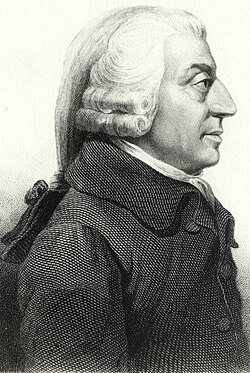
その後、啓蒙主義の時代に入ると、ジョン・ロックやヴォルテール、アダム・スミスといった思想家たちが、個人の良心に基づく信仰の自由を論理的に正当化しました。これが後の近代国家における権利保障の知的基盤となりました。
近代国家における確立
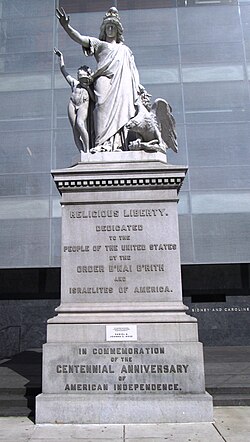
アメリカ合衆国やカナダなどの新世界では、宗教的迫害から逃れた人々が建国に関わったため、信教の自由が国家の根幹に据えられました。例えば、1657年のフラッシング抗議書は、クエーカー教徒への礼拝禁止を撤廃させた重要な出来事です。

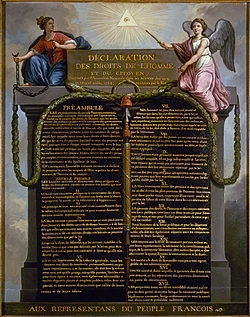
フランスでは1789年の「人間および市民の権利宣言」により、公序良俗に反しない限りにおける宗教の自由が明文化されました。これにより、宗教は国家の管理下から離れ、個人の権利へと移行していきました。
現代における概念と法的枠組み
世俗主義と政教分離
現代の多くの国家では、世俗主義(セキュラリズム)が採用されています。これは、政治や教育などの公的領域から宗教的影響を排除し、国家が特定の宗教に特権を与えない仕組みです。フランスの「ライシテ(Laïcité)」はその代表的な例であり、厳格な政教分離を追求しています。

国際的な人権基準
第二次世界大戦後、国連による世界人権宣言が採択され、信教の自由は世界共通の基準となりました。これには、単に礼拝を行う権利だけでなく、他者に自分の信仰を伝える「布教(プロセリティズム)」の自由や、信仰を捨てる権利も含まれています。
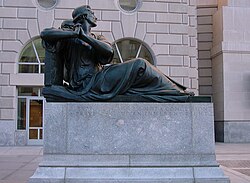
しかし、現実には宗教的なシンボルの使用を制限する法律や、特定の宗教的少数派に対する差別が依然として存在しており、権利の行使を巡る議論は続いています。

世界における現状と課題
宗教的制限と迫害
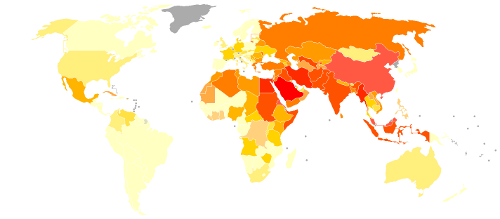
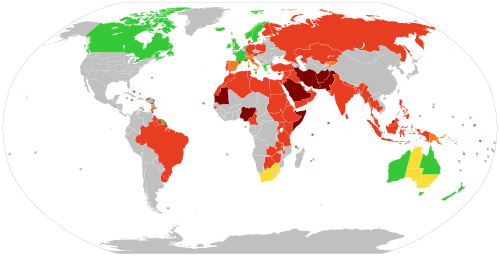
世界的に見ると、信教の自由の程度には大きな格差があります。一部の国家では、国家宗教が定められており、それ以外の信仰や無宗教への転向が法的に制限されています。特に「棄教(アポスタシー)」に対する処罰が厳しい地域では、死刑を含む過酷な刑罰が科されるケースもあります。
![Apostasy penalties in 2020 by country[81]](/images/43/77/43772777aa0df7d290ef40cff7fee18cdf3c9d0da190e9eb98cc4b6260ad30c5.webp)
また、神聖なものを汚したとされる「冒涜罪」を根拠に、言論や表現の自由が制限される事例も報告されています。こうした状況は、国際的な人権団体によって監視され、改善が求められています。

現代的な対立と権利の衝突
現代では、宗教的信念と他の人権(ジェンダー平等やLGBTQ+の権利など)が衝突する場面が増えています。例えば、宗教的な伝統に基づく慣習が、個人の身体的自由や尊厳を侵害しているとして法的に禁止される動きがあります。

また、特定の民族や宗教グループに対する組織的な迫害も深刻な問題となっており、国際社会による保護と支援が不可欠となっています。

まとめ:信教の自由の現状
信教の自由は、単なる宗教的な問題ではなく、個人の尊厳と精神的な自律を守るための不可欠な権利です。歴史的な闘争を経て得られたこの権利を維持し、多様な信仰を持つ人々が共存できる社会を構築することが、現代の大きな課題となっています。
| 概念 | 定義・内容 | 目的・影響 |
|---|---|---|
| 世俗主義 | 政治・公的領域から宗教を分離する考え方 | 宗教的中立性の確保と個人の自由の保護 |
| 政教分離 | 国家権力と宗教権力を法的に分ける仕組み | 特定の宗教による政治支配の防止 |
| 棄教 (Apostasy) | 現在信仰している宗教を捨てること | 一部の地域では法的に禁じられ、処罰の対象となる |
| 宗教的寛容 | 自分と異なる信仰を持つ人々を認める態度 | 社会的な紛争の回避と平和的な共存 |

Frequently Asked Questions
信教の自由には「宗教を持たない自由」も含まれますか?
はい、含まれます。信教の自由は、特定の宗教を信じる権利だけでなく、どの宗教も信じない(無神論や不可知論)を選択する権利、および信仰を持たないことを強制されない権利を保障しています。
「政教分離」と「世俗主義」の違いは何ですか?
政教分離は主に、国家という組織が特定の宗教を公認したり、宗教団体が政治権力を行使したりすることを禁じる法的な仕組みを指します。一方、世俗主義はより広い概念で、社会の価値観や生活様式において宗教的な影響を排除し、理性的・世俗的な基準で物事を判断しようとする思想的な傾向を指します。
信仰を変えることは国際法で認められていますか?
はい。世界人権宣言などの国際的な人権基準では、個人が自分の意思で宗教や信仰を選択し、それを変更する権利が明確に認められています。これには、既存の信仰を捨てて別の宗教に改宗することや、無宗教になることも含まれます。
信教の自由が制限されるケースはありますか?
多くの国では、信教の自由は絶対的なものではなく、他者の権利を侵害する場合や、公衆衛生、公の秩序、国家安全保障を著しく脅かす場合に限り、法律によって制限されることがあります。ただし、その制限は必要最小限であるべきだとされています。
References
- "CCPR General Comment No. 22: Article 18 (Freedom of Thought, Conscience or Religion)". refworld.org. 30 July 1993.
5. The Committee observes that the freedom to 'have or to adopt' a religion or belief necessarily entails the freedom to choose a religion or belief, including the right to replace one's current religion or belief with another or to adopt atheistic views. [...]
- "CASE OF BUSCARINI AND OTHERS v. SAN MARINO". European Court of Human Rights. 18 February 1999. § 34. Retrieved 24 January 2023..
- Davis, Derek H. "The Evolution of Religious Liberty as a Universal Human Right". Archived from the original on 1 February 2008. Retrieved 5 December 2006.
- Congress, U. S. (2008). Congressional Record #29734 – 19 November 2003. U.S. Government Printing Office. . Retrieved 3 September 2011.
- Andrew Koppelman, How could religious liberty be a human right?, International Journal of Constitutional Law, Volume 16, Issue 3, July 2018, Pages 985–1005, https://doi.org/10.1093/icon/moy071
- "Is the liberal state secular? How much state-religion separation is necessary to secure liberal-democratic ideals". Religion and Global Society. 5 April 2017. Retrieved 7 March 2024.
- Rosentiel, Tom (3 December 2007). "Religion and Secularism: The American Experience". Pew Research Center. Retrieved 7 March 2024.
- Farr, Thomas (1 November 2019). "What in the World is Religious Freedom?". Religious Freedom Institute.
- "The story behind 'The New Colossus' poem on the Statue of Liberty and how it became a symbol of immigration". ABC News. Retrieved 13 September 2024.
- "London rejects 48-story skyscraper threatening UK's oldest synagogue". Jerusalem Post. Retrieved 11 June 2025.
📸 フォトギャラリー