人間社会において、個人の内面的な信仰と、社会を統治する公的な権力との関係をどう定義するかは、歴史を通じて重要な課題であり続けてきました。政教分離とは、宗教的な権威と政治的な権力が互いに干渉せず、独立して機能すべきであるという原則です。この概念は、単に宗教を排除することではなく、あらゆる信仰を持つ人々、あるいは信仰を持たない人々が平等に権利を享受できる社会を実現するための知恵として発展してきました。
現代の多くの民主主義国家では、この原則が憲法や法律によって保障されていますが、そのアプローチは国によって異なります。厳格に切り離す「世俗主義」から、特定の宗教を国教として認めつつも個人の自由を尊重する形態まで、多様なあり方が存在します。

Key Facts
- 政教分離の目的: 国家による特定の宗教の強制を防ぎ、個人の良心と信教の自由を保護すること。
- 世俗主義(セキュラリズム): 宗教的な価値観に基づかず、理性的・世俗的な根拠に基づいて政治や法を運用する考え方。
- 多様な国家形態: 特定の国教を持つ「国教国家」、宗教と政治を分離した「世俗国家」、あるいは宗教が統治の根幹となる「神権政治」などがある。
- 歴史的転換点: 啓蒙時代以降、ジョン・ロックやトーマス・ジェファーソンらの思想が、現代の分離原則の基礎となった。
政教分離思想の発展と哲学的背景
政教分離の概念は、中世ヨーロッパの激しい宗教対立や、教会と国家の権力争いという歴史的背景から生まれました。特に重要な役割を果たしたのが、啓蒙時代の思想家たちです。
個人の良心と寛容の追求
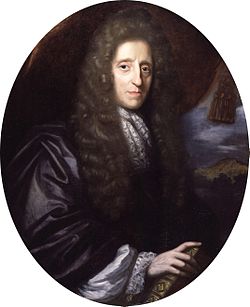
イギリスの哲学者ジョン・ロックは、国家の役割は市民の生命や財産を守ることであり、個人の魂の救済という内面的な領域に介入する権限はないと説きました。彼は、強制による信仰は真の信仰になり得ないとし、個人の良心に基づく自由な選択を重視しました。
アメリカ合衆国における制度化
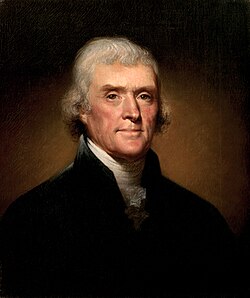
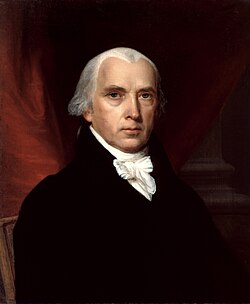
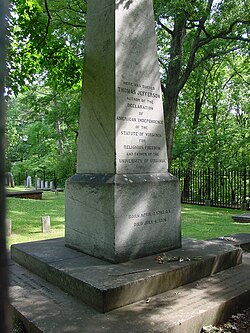
この思想を政治制度として具体化したのが、アメリカ合衆国の建国父たちです。ジェームズ・マディソンは権利章典の起草に携わり、政府が特定の宗教を国教として確立することを禁じました。また、トーマス・ジェファーソンは、教会と国家の間に「分離の壁」を築くべきであるという比喩を用い、宗教的な自由が政治的な圧力から完全に独立している状態を理想としました。
世界各国における実装と現状
政教分離のあり方は、その国の文化や歴史的経緯によって大きく異なります。以下に代表的なモデルを挙げます。
フランスのライシテ(Laïcité)
フランスでは「ライシテ」と呼ばれる厳格な世俗主義が採用されています。これは単なる分離にとどまらず、公的な空間から宗教的な象徴や影響を排除することで、市民としての平等を確保しようとする考え方です。1905年の政教分離法により、国家は宗教団体に公的な資金を提供せず、宗教を私的な領域に限定しました。


国教制度と世俗主義の共存
一方で、イギリスや北欧諸国のように、歴史的に特定の教会を国教として維持しながらも、実質的には信教の自由を保障し、政治的な中立性を保っている国もあります。また、ドイツのように、国家が宗教団体と協力関係を築きつつ、特定の宗教に特権を与えない仕組みを持つ国も存在します。
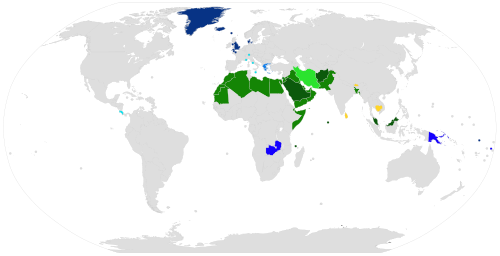

その他の地域的なアプローチ
ブラジルやフィリピンなどの国々でも、憲法を通じて政教分離が謳われています。ブラジルではルイ・バルボザが憲法起草に大きな影響を与え、フィリピンでは1987年憲法で教会と国家の分離が不可侵であると明記されています。また、オーストラリアではH.B.ヒギンスらが連邦結成時の憲法制定において、宗教的な制限を設けない方向性を推進しました。
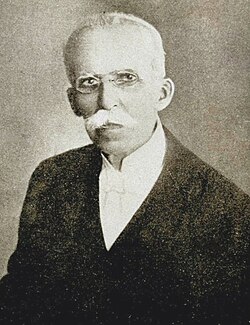

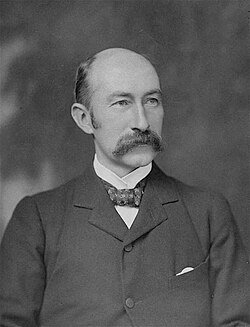
宗教的統治と現代の課題
中東の多くの国々や一部のアジア諸国では、イスラム法(シャリーア)などの宗教法が国家の法体系に組み込まれた神権政治的な形態が見られます。こうした地域では、世俗主義的な価値観と伝統的な宗教的権威との間で、人権や女性の権利を巡る議論が続いています。

国家と宗教の関係性まとめ
世界における国家と宗教の関わり方は、大きく分けて以下の3つのカテゴリーに分類できます。
| 形態 | 特徴 | 主な例・傾向 |
|---|---|---|
| 世俗国家 (Secular State) | 政治と宗教を明確に分離し、国家は特定の宗教を支持しない。 | フランス、アメリカ、日本など |
| 国教国家 (Confessional State) | 特定の宗教を公式に認めつつ、他宗教への寛容さを併せ持つ場合がある。 | イギリス、ノルウェー(移行期)など |
| 神権国家 (Theocracy) | 宗教的指導者が政治権力を握り、宗教法が国家法となる。 | イラン、サウジアラビアなど |
Frequently Asked Questions
政教分離は宗教を禁止することですか?
いいえ、違います。政教分離の目的は宗教の禁止ではなく、国家が特定の宗教を強制したり、特権を与えたりすることを防ぐことです。これにより、あらゆる信仰を持つ人々が平等に、かつ自由に自分の信仰を実践できる環境を整えることを目指しています。
「世俗主義」と「無神論」は何が違うのですか?
無神論は「神は存在しない」という個人の信念や哲学です。対して世俗主義は、個人の信仰に関わらず、政治や教育、法律などの公的な領域を宗教的な教義から切り離して運用しようとする政治的・社会的な仕組みを指します。
なぜ政教分離が必要だったのでしょうか?
歴史的に、宗教的な権威が政治権力と結びついたとき、異なる信仰を持つ人々への迫害や、権力による信仰の強制が起こりやすかったためです。個人の良心と自由を守るためには、国家という強制力を持つ組織から宗教を独立させることが不可欠であると考えられました。
現代でも政教分離に争いがあるのはなぜですか?
「どこまでが私的な宗教活動で、どこからが公的な領域か」という境界線が曖昧だからです。例えば、公立学校での祈祷や、公的な行事での宗教的象徴の使用などが、ある人には「伝統」に見え、別の人には「特定の宗教への特権付与」に見えるため、法的な争いになることがあります。
References
- Fox, Jonathan (2007). "Do Democracies Have Separation of Religion and State?". Canadian Journal of Political Science / Revue canadienne de science politique. 40 (1). [Canadian Political Science Association, Cambridge University Press, Société québécoise de science politique]: 1–25. 0008-4239. 25166062. Retrieved 3 May 2026.
- The Oxford Companion to the Supreme Court of the United States (1992), Kermit D. Hall, Ed. pp. 717–726
- "Establishment Clause: Separation of Church and State". The Free Speech Center. Retrieved 28 March 2024.
- "Jefferson's Letter to the Danbury Baptists (June 1998) - Library of Congress Information Bulletin". www.loc.gov. Retrieved 28 March 2024.
- Nussbaum, Martha (11 July 2010). "Veiled Threats?". . Retrieved 30 September 2017.
On the whole, the accommodationist position has been dominant in U.S. law and public culture─ever since George Washington wrote a famous letter to the Quakers explaining that he would not require them to serve in the military because the "conscientious scruples of all men" deserve the greatest "delicacy and tenderness."
- Separationism Archived 2020-08-07 at the , Princeton University WordNet Archived 8 May 2016 at the reads: "separationism: advocacy of a policy of strict separation of church and state."
- Jefferson, Thomas (1 January 1802). "Jefferson's Letter to the Danbury Baptists". U.S. Library of Congress. Archived from the original on 4 October 2019. Retrieved 30 November 2006.
- Plato, .
- Feldman (2009)
- Vauchez, Andre (2001). Encyclopedia of the Middle Ages. Routledge. p. 445. .
📸 フォトギャラリー