ヨーロッパ大陸から他大陸へと人々が移動した「欧州移民」の歴史は、単なる人口の移動ではなく、世界の政治、文化、そして人種構成を根本から変えた巨大な潮流でした。1500年代から20世紀半ばにかけて、実に6,000万人から6,500万人が故郷を離れ、新天地へと旅立ちました。その大部分は南北アメリカ大陸へと向かい、一部がアジアやアフリカ、オセアニアへと広がりました。
これらの移動は、国家による植民地化、経済的機会の追求、あるいは戦争や政治的混乱からの脱出など、多様な要因によって引き起こされました。その結果、第一次世界大戦前夜には、世界人口の約38%が欧州系の人々で占められることとなりました。
Key Facts
- 総移動数:1500年〜20世紀半ばまでに約6,000万〜6,500万人が欧州を離脱。
- 主な目的地:米国、カナダ、ブラジル、アルゼンチンなどの南北アメリカ大陸が中心。
- 19世紀の傾向:1815年から1918年の間に数百万人が移動し、その71%が北米へ、21%が中南米へ向かった。
- 現代の定義:現代ではEU域内やユーラシア連合内での国家間移動(域内移動)も欧州移民に含まれる。
欧州移民の歴史的展開
古代から近世:初期の定住と植民地化
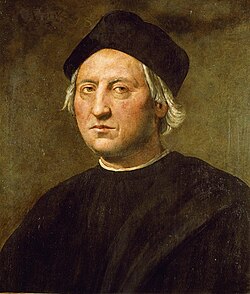
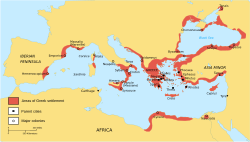
欧州人の外部への進出は古く、紀元前8世紀から5世紀にかけてのギリシャ人による植民活動にまで遡ります。その後、15世紀末から18世紀にかけて、スペインとポルトガルが主導してアメリカ大陸への大規模な移動が始まりました。
特にスペインは、1500年から1650年の150年間で約43.7万人が出航し、主に中米(新スペイン)、南米(ペルー)、カリブ海諸島へと向かいました。1492年から1824年までの総数では186万人以上に達したと推定されています。
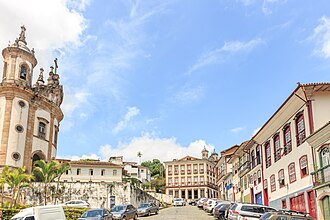
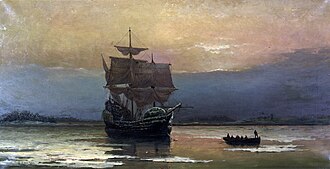
ポルトガルも同様にブラジルなどへ定住を進め、18世紀には大規模な入植都市が形成されました。また、北米ではイギリス、アイルランド、ドイツ系の人々が定住を開始し、独自の社会基盤を築きました。
19世紀から20世紀:大移動の時代
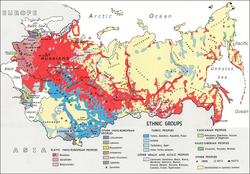
ナポレオン戦争終結後の1815年から20世紀初頭にかけて、欧州は劇的な人口転換期を迎え、政治的激変や戦争が重なったことで「大移動」が加速しました。この時期の移民は、北米だけでなく、南米のアルゼンチンやブラジル、さらにはオーストラリア、ニュージーランド、南アフリカ、ロシアのシベリアへと広がりました。
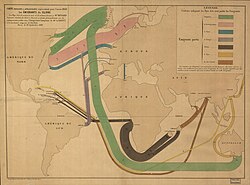
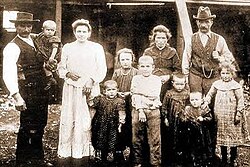
特にラテンアメリカへ向かった約1,100万人のうち、イタリア系が38%、スペイン系が28%、ポルトガル系が11%を占めており、南欧からの流入が顕著でした。
地域別の定住状況と人口統計
北米および中米
米国では、1790年の第1回国勢調査時点で人口の80.7%が白人と自認していました。2020年のデータでは、英語系(19.8%)、ドイツ系(19.1%)、アイルランド系(16.4%)、イタリア系(7.1%)が主要なルーツとなっています。
カナダでも欧州系が圧倒的な割合を占めており、2016年の調査では約1,968万人が欧州系と回答し、特にイギリス諸島系が多く見られます。中米ではコスタリカが最も強い影響を受けており、人口の多くがスペインやイタリア、ドイツなどのルーツを持っています。
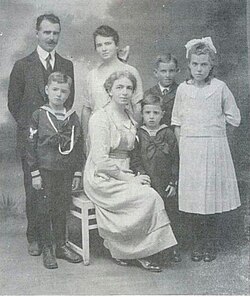
南米およびカリブ海
ブラジルでは、1870年から1920年の間に400万人の欧州人が流入し、人種構成に大きな影響を与えました。2022年の国勢調査では、人口の88.8%が完全または部分的に欧州系であるとされています。

アルゼンチンでは、人口の約62.5%がイタリア系であると推定されており、非常に高い比率を示しています。また、ベネズエラでは石油発見後の経済発展に伴い、第二次世界大戦後から1961年までに約90万人の欧州人が移住しました。
![Italian Argentines during the opening parade of the XXXIV Immigrant's Festival in Oberá, Misiones. An estimated 62.5% of Argentina's population has Italian ancestry.[62]](/images/4c/00/4c00c7111f2b1b15a2ac63193e6d7f7eb5c8e080a58b9112fb6288c9cd78d8ab.jpg)
オセアニアおよびアジア
オーストラリアでは、2016年のデータで人口の76%が欧州系(主にアングロ・ケルト系)であると推定されています。ニュージーランドでも同様に欧州系が最大の民族グループであり、歴史的に強い影響力を保持しています。
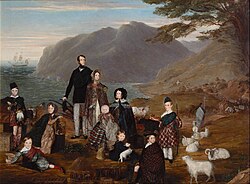
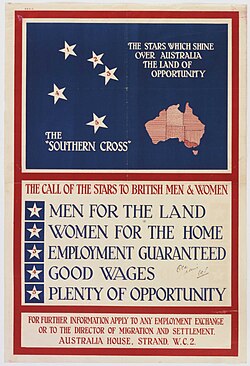
また、アジア圏においても、かつての植民地支配や貿易を通じて欧州人が定住し、独自の文化圏を形成しました。インドのカルカッタ(現コルカタ)などでスポーツや文化が伝播した例が挙げられます。
![An 1875 painting of rugby being played by Europeans in Calcutta (today Kolkata)[82]](/images/87/1b/871b2d600c35fcaa350554372c18aa05b0341f0ca9d81b62d2d4cc712ee81fa3.jpg)
欧州移民の概要まとめ
| 目的地 | 推定流入数 / 比率 | 主なルーツ・特徴 |
|---|---|---|
| アメリカ合衆国 | 約3,224万人 | 英、独、愛、伊など多岐にわたる |
| アルゼンチン | 約640万人 | イタリア系が非常に高い比率を占める |
| カナダ | 約520万人 | イギリス諸島系が中心 |
| ブラジル | 約443万人 | ポルトガル、イタリア系が中心 |
| オーストラリア | 約291万人 | アングロ・ケルト系が主流 |
| キューバ | 約85万人 | 主にスペイン系 |
現代への影響と文化的遺産
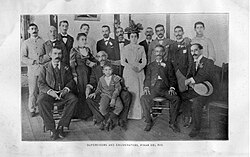
欧州移民の歴史は、現代の多くの国々で多文化的なアイデンティティとして結実しています。映画監督のギレルモ・デル・トロのような「欧州系メキシコ人」の存在は、こうした歴史的な人口移動がもたらした多様性の象徴と言えるでしょう。

また、キューバの国勢調査に見られるように、スペイン系を中心とした欧州ルーツの人々は、カリブ海地域の社会構造に深く組み込まれています。
Frequently Asked Questions
欧州移民が最も多く向かった地域はどこですか?
圧倒的に多かったのは南北アメリカ大陸です。特にアメリカ合衆国への流入数が最大であり、次いでアルゼンチン、カナダ、ブラジルの順に多くの人々が移住しました。
19世紀に移民が急増した理由は何ですか?
欧州内部での劇的な人口増加(人口転換)に加え、ナポレオン戦争後の政治的混乱、度重なる戦争、そして新天地での経済的機会への期待が主な要因となりました。
ラテンアメリカにおける欧州移民の構成はどうなっていましたか?
19世紀から20世紀にかけてラテンアメリカへ向かった移民のうち、イタリア系が約38%と最も多く、次いでスペイン系(28%)、ポルトガル系(11%)となっていました。
現代における「欧州移民」の定義はどう変わりましたか?
かつては他大陸への移動を指していましたが、現在は欧州連合(EU)内やユーラシア連合内での国家間移動(域内移動)も、欧州移民の文脈で語られるようになっています。
オセアニアにおける欧州系の割合はどのくらいですか?
オーストラリアでは人口の約76%が欧州系ルーツを持つと推定されており、ニュージーランドでも欧州系が最大の民族グループとして大きな割合を占めています。
References
- Etemad, Bouda (27 August 2007). "Pour une approche démographique de l'expansion coloniale de l'Europe" [For a demographic approach to the colonial expansion of Europe]. Annales de démographie historique (in French). 113 (1): 13–32. :10.3917/adh.113.0013.
- Samuel L. Baily; Eduardo José Míguez (2003). Mass Migration to Modern Latin America. Rowman & Littlefield. p. xiv. . Retrieved 20 December 2015.
- Altman, Ida; Horn, James (1991). "European Diaspora: The Magnitude and Pace of Emigration". 'To Make America': European Emigration in the Early Modern Period. University of California Press. pp. 3–6. .
- De Lazzari, Chiara; Bruno Mascitelli (2016). "Migrant "Assimilation" in Australia: The Adult Migrant English Program from 1947 to 1971". In Bruno Mascitelli; Sonia Mycak; Gerardo Papalia (eds.). The European Diaspora in Australia: An Interdisciplinary Perspective. Cambridge Scholars Publishing. p. 203. . Retrieved 28 February 2017.
- "European Migration and Imperialism". historydoctor.net. Archived from the original on 22 November 2010. Retrieved 14 September 2013.
The population of Europe entered its third and decisive stage in the early eighteenth century. Birthrates declined, but death rates also declined as the standard of living and advances in medical science provided for longer life spans. The population of Europe including Russia more than doubled from 188 million in 1800 to 432 million in 1900. From 1815 through 1932, sixty million people left Europe, primarily to "areas of European settlement," in North and South America, Australia, New Zealand and Siberia. These populations also multiplied rapidly in their new habitat; much more so than the populations of Africa and Asia. As a result, on the eve of World War I (1914), 38 percent of the world's total population was of European ancestry. This growth in population provided further impetus for European expansion, and became the driving force behind emigration. Rising populations put pressure on land, and land hunger and led to "land hunger." Millions of people went abroad in search of work or economic opportunity. The Irish, who left for America during the great Potato famine, were an extreme but not unique example. Ultimately, one third of all European migrants came from the British Isles between 1840 and 1920. also migrated in large numbers because of poor economic conditions in their home country. German migration also was steady until industrial conditions in improved when the wave of migration slowed. Less than one half of all migrants went to the United States, although it absorbed the largest number of European migrants. Others went to Asiatic Russia, Canada, Argentina, Brazil, Australia and New Zealand.
- Bentley, Jerry H.; Salter, Heather Streets; Ziegler, Herbert F.; Benjamin, Craig (2020). "Civilizations of the Mediterranean Basin: The Greeks". Traditions & Encounters: A Global Perspective on the Past. McGraw-Hill Education. .
- Hellenistic Civilization Archived July 5, 2008, at the []
- " became the ruler of a kingdom extending along the coast of western India, including the whole of and the harbour . His territory also included Mathura, the Punjab, Gandhara and the Kabul Valley", Bussagli p101
- John Pike. "Failaka Island". Globalsecurity.org. Retrieved 20 April 2016.
- Mau, Steffen (2012). Liberal states and the freedom of movement : selective borders, unequal mobility. Houndmills, Basingstoke, Hampshire: Palgrave Macmillan. . 768167292.
📸 フォトギャラリー