パレスチナ人は、中東のレバント地方に深く根ざした豊かな歴史と文化を持つ人々です。彼らのアイデンティティは、古代からの土地への結びつき、複雑な政治的変遷、そして世界中に広がるディアスポラ(離散)という経験を通じて形作られてきました。本記事では、パレスチナ人の民族的なルーツから、現代に至る社会構造、そして世界に誇る芸術文化について詳しく解説します。
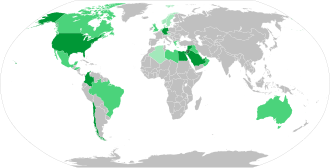
主要な事実(Key Facts)
- 総人口: 世界全体で約1,430万人に達する。
- 主な居住地: パレスチナ(西岸地区・ガザ地区)、ヨルダン、イスラエル、シリア、チリなど。
- 言語: 主にパレスチナ・アラビア語を使用。
- 宗教: スンニ派イスラム教が多数派であり、重要な少数派としてキリスト教が存在する。
- 遺伝的ルーツ: 中東ゲノムグループに属し、サマリア人やベドウィン、ヨルダン人などと親和性が高い。
民族的な起源と遺伝的背景
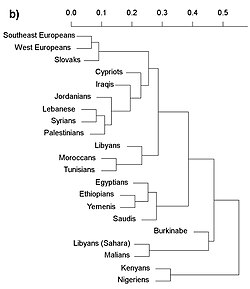
パレスチナ人のルーツはレバント地方にあり、数千年にわたる多様な集団の混交によって形成されました。現代のゲノム研究によれば、彼らは「中東ゲノムグループ」に分類され、近隣のサマリア人やベドウィン、イラク・イエメンのユダヤ人などと遺伝的なクラスターを形成しています。
![In a whole-genome study of modern-day ethnic groups in the world, Palestinian samples clustered in the "Middle Eastern genomic group" (shown as "GG5" in left image), which included samples from populations such as Samaritans, Bedouins, Jordanians, Iraqi Jews and Yemenite Jews. Left image shows clustering following principal component analysis with three dimensions. Top right image shows geographical locations where samples were collected.[122]](/images/a9/d9/a9d9de91c134ff4233250498e5bbaa58aebf265a1552f3f6ac435343ba993264.png)
また、ミトコンドリアDNA(mtDNA)のハプログループ解析などの研究からも、この地域に深く根ざした遺伝的連続性が示されています。
アイデンティティの変遷とナショナリズム
パレスチナ人としての明確な民族意識は、歴史的な地政学的変化とともに発展しました。オスマン帝国時代、地理学者カティプ・チェレビの地図には「パレスチナの地(أرض فلسطين)」という表記が見られ、地域的な概念が存在していたことが分かります。
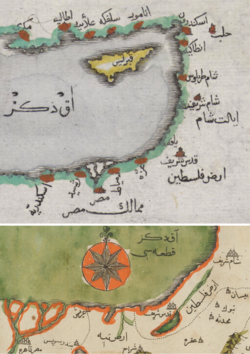
![1732 copy of the map by Ottoman geographer Kâtip Çelebi (1609–57) from the first printed atlas in the Ottoman Empire, and represented the first detailed mapping of the Asian provinces of the empire.[147] with the term ارض فلسطين ("Land of Palestine") extending vertically down the length of the Jordan River](/images/72/19/721916812e558448745f402db44c7abca04f9c7da3c3f382c89431f312bdd265.jpg)
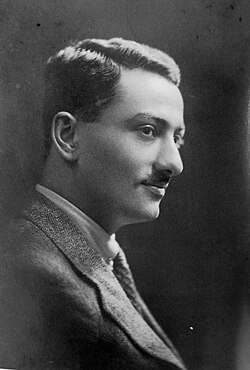
19世紀後半から20世紀にかけて、ハリル・ベイダスのような知識人の著作や、1911年に創刊された新聞『ファラスティン』などのメディアを通じて、近代的なパレスチナ・ナショナリズム(民族主義)が台頭しました。
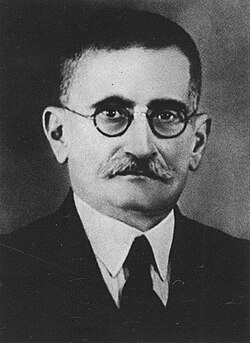
![1936 issue of the Palestinian Arab Christian Falastin newspaper addressed its readers as "Palestinians" since its establishment in 1911.[72]](/images/00/1d/001dbc5873cf33898cbd191f015b1d9341df1207ba7629e66e2aa8abd93336d6.png)
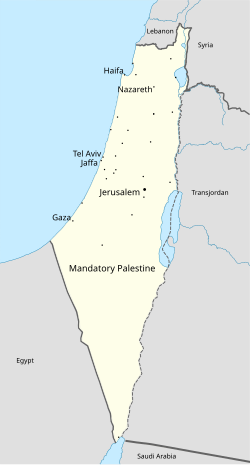
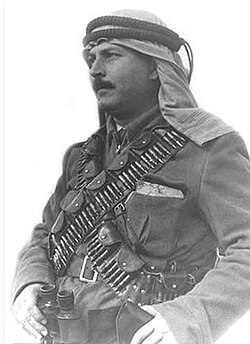
特に1917年から1947年までのイギリス委任統治領時代、そしてその後の1948年の戦争(ナクバ)を経て、パレスチナ人のアイデンティティは「故郷への帰還」という強い願いとともに、政治的な結束を強めていきました。
![A 1930 Palestinian women's protest in Jerusalem against the British Mandate. The sign reads "No dialogue, no negotiations until termination [of the Mandate]"](/images/17/e6/17e6578c456cc7e1978f1627b802286232cc4a81b571d4c03625d9af71541a58.jpg)
人口動態と世界的な分布
パレスチナ人は現在、故郷であるパレスチナだけでなく、世界各地に分散して生活しています。特にヨルダン、シリア、レバノンなどの近隣アラブ諸国に多くの難民が居住しているほか、南米のチリには大規模なコミュニティが存在します。
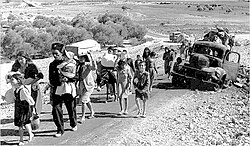
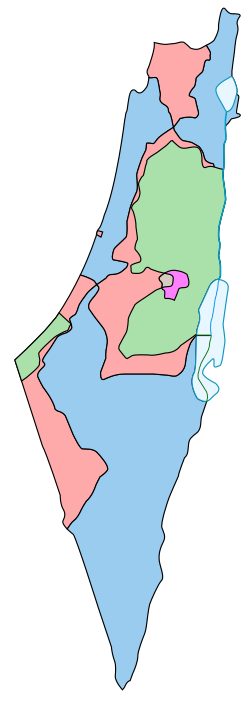
1947年の国連パレスチナ分割計画や、その後の停戦ライン(グリーンライン)の策定により、居住地域は複雑に分断されました。現在、西岸地区とガザ地区を中心に生活する人々と、国外で暮らすディアスポラの間で、文化的な絆が維持されています。
| 地域 | 推定人口 | 備考 |
|---|---|---|
| パレスチナ(西岸・ガザ) | 約535万人 | 本国居住者 |
| ヨルダン | 約230万〜324万人 | 登録難民を含む |
| イスラエル | 約203万人 | 2022年時点 |
| シリア | 約56万人 | 登録難民(2021年) |
| チリ | 約50万人 | 最大規模の在外コミュニティの一つ |
宗教と社会構造
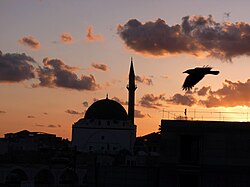
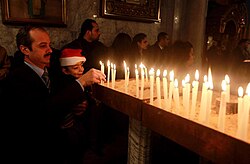
パレスチナ社会の大部分はスンニ派イスラム教徒ですが、非常に重要な少数派としてキリスト教徒が共存しています。ガザ地区やベツレヘムなどには古くからのキリスト教コミュニティがあり、聖墳墓教会や降誕教会などの聖地を大切に守り続けています。
また、ドルーズ派やサマリア人といった独自の信仰を持つ人々も存在し、多様な宗教的背景がパレスチナの社会的な厚みを形成しています。
豊かな文化と芸術
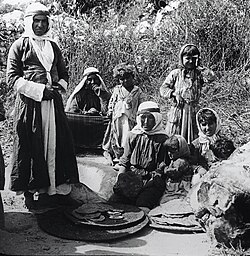
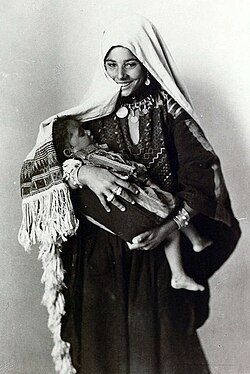
パレスチナの文化は、伝統的な工芸から現代的な表現まで多岐にわたります。特に「タトリーズ」と呼ばれる伝統的な刺繍は、地域ごとのアイデンティティを示す重要な象徴です。
食文化においては、フムスなどの料理が代表的であり、オリーブオイルやパプリカを用いた豊かな味わいが特徴です。
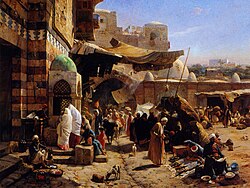
芸術と文学
文学の分野では、詩人マフムード・ダルウィッシュや作家スーザン・アブルハワ、ナオミ・シハブ・ナイなどの作品が、パレスチナの苦難と希望を世界に伝えています。




また、現代ではヒップホップなどの新しい音楽ジャンルを取り入れたアーティスト(例:Saint Levant)が登場し、伝統とモダンを融合させた表現を追求しています。

![Kamanjeh performer in Jerusalem, 1859[293]](/images/be/0c/be0c1d32b5f3689e192e346e26f0380717411ba24c62c04084c7c1beec75d147.jpg)
伝統舞踊と教育
「ダブケ」と呼ばれる民族舞踊は、祝祭や集まりで踊られる情熱的なダンスであり、共同体の結束を象徴しています。
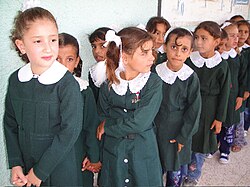
教育への情熱も非常に強く、困難な状況下にあっても高い識字率と教育水準を維持しようとする姿勢が見られます。

現代の象徴と政治的アイデンティティ
パレスチナ暫定自治政府の紋章である「サラーフ・アッディーンの鷲」は、彼らの政治的なアイデンティティと誇りを象徴しています。

現代のパレスチナ人は、ガザ地区や西岸地区での生活、そして世界各地での活動を通じて、自らの権利と文化的な継承を追求し続けています。
Frequently Asked Questions
パレスチナ人の主な宗教は何ですか?
大多数はスンニ派イスラム教徒ですが、歴史的に重要なキリスト教徒のコミュニティも存在します。また、ドルーズ派やサマリア人などの少数派も含まれています。
パレスチナ人は世界中のどこに住んでいますか?
パレスチナ(西岸地区・ガザ地区)のほか、ヨルダン、イスラエル、シリア、レバノンなどの近隣諸国に多く居住しています。また、チリ、アメリカ、ドイツなど世界中にディアスポラが広がっています。
パレスチナ文化の象徴的なものは何ですか?
伝統的な刺繍(タトリーズ)、民族舞踊(ダブケ)、そしてフムスなどの伝統料理が代表的です。また、オリーブの木も土地への結びつきを示す重要な象徴です。
パレスチナ人の遺伝的なルーツはどこにありますか?
主にレバント地方にルーツを持ち、ゲノム解析ではサマリア人、ベドウィン、ヨルダン人などの中東グループと密接な関係があることが示されています。
パレスチナ・ナショナリズムはどのように発展しましたか?
オスマン帝国末期からイギリス委任統治時代にかけて、知識人の活動やメディアの普及、そして1948年のナクバ(大災厄)などの歴史的経験を通じて、独自の民族意識が形成されました。
References
- See: and
📸 フォトギャラリー