Diana as Personification of the Night. Anton Raphael Mengs, c. 1765.
← ホームへ戻る
ディアナローマ神話アルテミス狩猟の女神月の女神

ディアナ狩猟と月の女神が辿った変遷と神話

🗓 2026年8月10日

古代ローマの神々の中でも、ひときわ独立した精神を持つ女神として知られるのがディアナです。彼女は野生動物の守護者であり、狩猟、豊穣、そして夜空を照らす月を司る多面的な神格として崇拝されました。ギリシャ神話のアルテミスと同一視されることが多い彼女ですが、ローマ独自の信仰や地域の伝統が混ざり合い、時代とともにその姿を変えてきました。

ディアナは、最高神ユピテルとラトーナの娘であり、アポロンの双子の姉妹とされています。彼女の象徴である弓と矢、そして傍らに寄り添う鹿や猟犬は、自然界の荒々しさと純潔さを同時に体現しています。
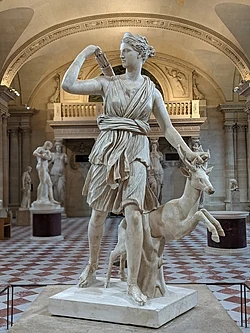
Diana of Versailles, a 2nd-century Roman version in the Greek tradition of iconography (Louvre Museum, Paris).

Key Facts

  • 司る領域: 狩猟、野生動物、豊穣、月、出産。
  • 主な象徴: 弓と矢筒、鹿、猟犬、三日月。
  • 家族構成: 父はユピテル、母はラトーナ、兄はアポロン。
  • 重要拠点: ネミ湖の聖域、ローマ市内のディアナ神殿。
  • ギリシャ神話の対応神: アルテミス。

多面的な神格としてのディアナ

自然と月の支配者

ディアナは単なる狩人の神ではなく、田舎や山々の守護者として深く信仰されていました。特に「三位一体の女神」としての側面が注目されており、狩猟の女神、月の女神、そして冥界を司るヘカテという3つの役割を併せ持つ存在として捉えられていた時期があります。これは紀元前43年のコインなどの考古学的証拠からも示唆されており、彼女が光と闇、生と死の境界を司る強力な力を持っていたことを物語っています。
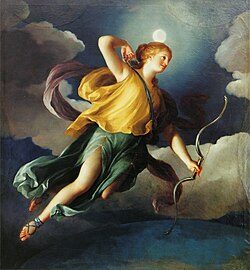
Diana as Personification of the Night. Anton Raphael Mengs, c. 1765.
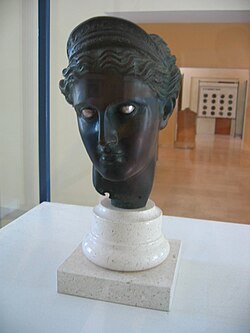
4th-century BCE Praxitelean bronze head of a goddess wearing a lunate crown, found at Issa (Vis, Croatia)

生命の誕生と境界の守護

意外な側面として、ディアナは出産の守護神としての役割も担っていました。また、道が分かれる「交差点」の女神としても知られ、日常の世界から未知の世界へと繋がる境界線を管理する存在と考えられていました。
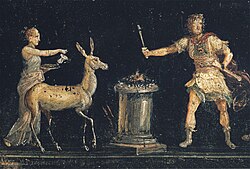
An ancient Fourth-Pompeian-Style Roman wall painting depicting a scene of sacrifice in honor of the goddess Diana; she is seen here accompanied by a deer. The fresco was discovered in the triclinium of House of the Vettii in Pompeii, Italy.

神話と伝説:アクテオンの悲劇とネミの森

アクテオンの物語

ディアナにまつわる最も有名な神話の一つが、狩人アクテオンの物語です。偶然にもディアナが水浴びをしている場面を目撃してしまったアクテオンは、その罰として鹿の姿に変えられ、皮肉にも自らが飼っていた猟犬たちに襲われるという悲劇的な結末を迎えました。この物語は、神聖な領域を侵すことへの警告として語り継がれています。
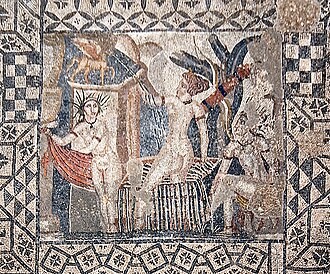
Mosaic depicting Diana and her nymph surprised by Actaeon. Ruins of Volubilis, 2nd century CE.
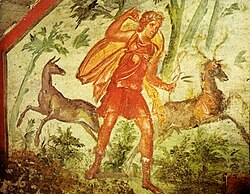
A Roman fresco depicting Diana hunting, 4th century CE, from the Via Livenza hypogeum in Rome

ネミの森と「森の王」

イタリアのネミ湖に位置する聖域では、非常に特異な司祭制度が存在したという伝説があります。レクス・ネモレンシス(森の王)と呼ばれる司祭は、逃亡奴隷が先代の司祭を殺害することでその座に就くという、血塗られた継承儀式によって選ばれたとされています。ジェームズ・ジョージ・フレーザーはその著書『金枝』の中でこの習慣を分析しましたが、現代の歴史学者の間では、実際にこのような残酷な儀式が行われていたかについては懐疑的な見方が強いです。
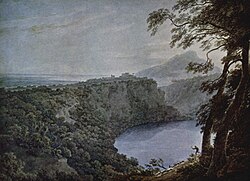
An 18th-century depiction of Lake Nemi as painted by John Robert Cozens
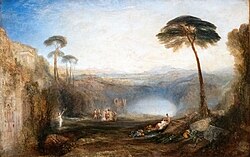
J. M. W. Turner's 1834 painting of the Golden Bough incident in the Aeneid

信仰の広がりと後世への影響

ローマ帝国からヨーロッパへ

ディアナ信仰はローマ帝国全土に広まり、ガロ・ローマ文化など各地の土着信仰と融合しました。中世に入ると、キリスト教の普及に伴い公式な崇拝は衰退しましたが、民俗信仰の中では「夜に女性たちが集まって行進する」という伝説のリーダーとして、ディアナやヘロディアスの名が登場します。教会はこれらを悪魔的なものとして弾圧しましたが、実際には古い時代の豊穣信仰や自然崇拝の名残であったと考えられています。
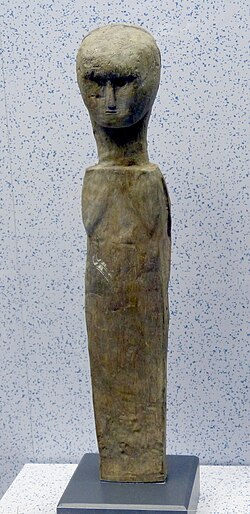
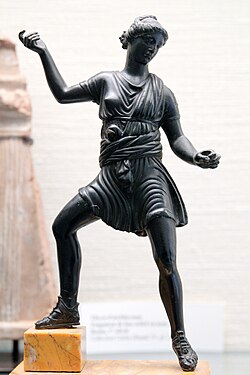
Wooden statue of Diana Abnoba, Museum for Prehistory in Thuringia
Gallo-Roman bronze statuette of Diana (latter 1st century)

近代のオカルトと現代のウィッカ

19世紀後半、チャールズ・リーランドは『魔女の福音書(アラディア)』を著し、ディアナを秘密裏に崇拝し続けた魔女たちの女王として描き出しました。多くの学者がこの説を否定していますが、この概念は後の現代魔術やウィッカ(Wicca)などのネオ・ペイガニズムに影響を与えました。特にフェリ・トラディションでは、ディアナ(またはタナ)を火の元素に関連する創造的な女神として捉えています。
ภาพประกอบบทความ

芸術におけるディアナの表現

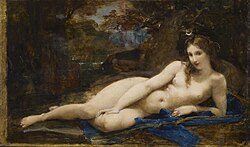
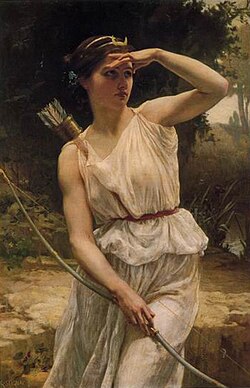
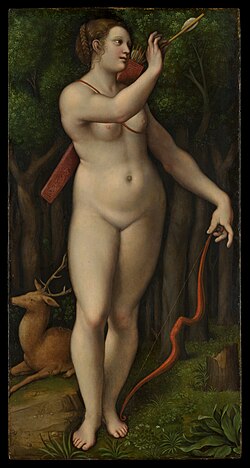
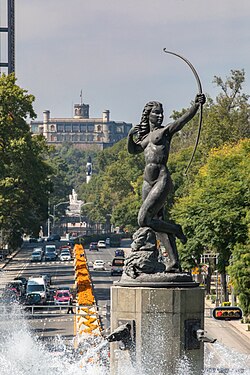
ディアナの凛とした姿は、時代を超えて多くの芸術家にインスピレーションを与えてきました。ルネサンス期の絵画から近代の彫刻に至るまで、彼女は常に自立した女性像の象徴として描かれています。
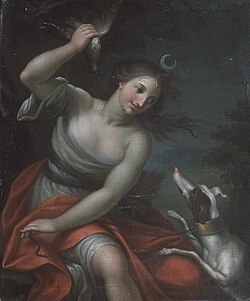
Diana and her hound, c. 1720
Diana Reposing by Paul-Jacques-Aimé Baudry. The nude goddess, identified by the crescent moon in her hair and the bow and quiver at her side, reclines on a blue drapery.
Diana Hunting, Guillaume Seignac
Diana as the Huntress, by Giampietrino
Fuente de la Diana Cazadora (1938–1942) in bronze at Paseo de la Reforma, Mexico City
Fontana di Diana [it] (1907), by Giulio [it] and Mario Moschetti [it] In reinforced concrete at Piazza Archimede in Syracuse, Sicily
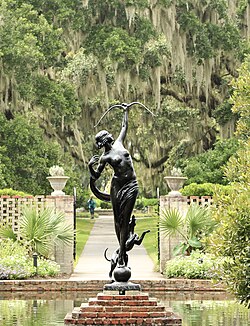
Diana of the Chase (1922), Anna Hyatt Huntington in bronze at Brookgreen Gardens in Murrells Inlet, South Carolina.
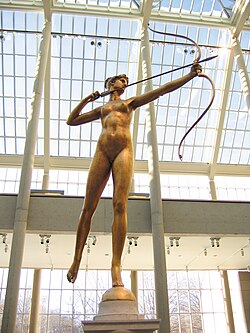
Diana (1892–93), Augustus Saint-Gaudens. Bronze, Metropolitan Museum of Art, New York City.
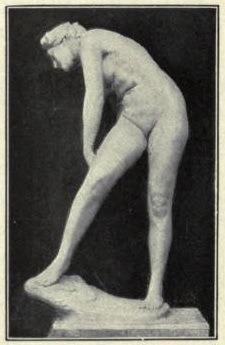
Diana Wounded, bronze statue by Sir Edgar Bertram Mackennal, housed in Tate Gallery of London
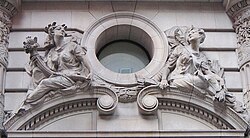
Pomona (left, symbolizing agriculture), and Diana (symbolizing commerce) as building decoration
ディアナの属性まとめ
カテゴリー 詳細内容
主な役割 狩猟、野生動物、月、出産、境界の守護
象徴的なアイテム 弓矢、三日月、鹿、猟犬
関連する場所 ネミ湖(イタリア)、ローマのディアナ神殿
後世の変容 中世の民俗伝説、現代のウィッカにおける女神像

Frequently Asked Questions

ディアナとアルテミスの違いは何ですか?

基本的には同一視されていますが、ディアナはローマ独自の土着信仰(イタリアの古い神々)をルーツに持っており、後にギリシャのアルテミスの属性が統合されました。そのため、ローマ的な地域性や、より広範な「境界の守護」という側面が強調されることがあります。

「レクス・ネモレンシス」とはどのような存在でしたか?

ネミの聖域における司祭のことで、伝説では逃亡奴隷が先代を殺してその地位を奪うという過酷なルールがあったとされています。ただし、これは後世の解釈や文学的な脚色が強く、歴史的な事実として完全に証明されているわけではありません。

なぜディアナが出産の守護神とされるのですか?

古代の信仰では、自然のサイクルや野生の生命力、そして月の満ち欠けが女性の身体的サイクルや出産と深く結びついていると考えられていたため、自然と月の女神であるディアナがその役割を担いました。

現代でもディアナを信仰している人はいますか?

伝統的なローマ宗教としての崇拝はありませんが、ウィッカなどの現代的な異教主義(ネオ・ペイガニズム)において、自然や女性性の象徴としてディアナの名を冠した信仰や儀式が行われている場合があります。

References

  1. : ; conservative pronunciation: . The name was also written as Deiana by the Romans.

📸 フォトギャラリー

Diana as Personification of the Night. Anton Raphael Mengs, c. 1765.
Mosaic depicting Diana and her nymph surprised by Actaeon. Ruins of Volubilis, 2nd century CE.
An ancient Fourth-Pompeian-Style Roman wall painting depicting a scene of sacrifice in honor of the goddess Diana; she is seen here accompanied by a deer. The fresco was discovered in the triclinium of House of the Vettii in Pompeii, Italy.
An 18th-century depiction of Lake Nemi as painted by John Robert Cozens
A Roman fresco depicting Diana hunting, 4th century CE, from the Via Livenza hypogeum in Rome
Diana of Versailles, a 2nd-century Roman version in the Greek tradition of iconography (Louvre Museum, Paris).
Diana and her hound, c. 1720
Wooden statue of Diana Abnoba, Museum for Prehistory in Thuringia
Gallo-Roman bronze statuette of Diana (latter 1st century)
J. M. W. Turner's 1834 painting of the Golden Bough incident in the Aeneid
4th-century BCE Praxitelean bronze head of a goddess wearing a lunate crown, found at Issa (Vis, Croatia)
Diana Reposing by Paul-Jacques-Aimé Baudry. The nude goddess, identified by the crescent moon in her hair and the bow and quiver at her side, reclines on a blue drapery.
Diana Hunting, Guillaume Seignac
Diana as the Huntress, by Giampietrino
Fuente de la Diana Cazadora (1938–1942) in bronze at Paseo de la Reforma, Mexico City
Fontana di Diana [it] (1907), by Giulio [it] and Mario Moschetti [it] In reinforced concrete at Piazza Archimede in Syracuse, Sicily
Diana of the Chase (1922), Anna Hyatt Huntington in bronze at Brookgreen Gardens in Murrells Inlet, South Carolina.
Diana (1892–93), Augustus Saint-Gaudens. Bronze, Metropolitan Museum of Art, New York City.
Diana Wounded, bronze statue by Sir Edgar Bertram Mackennal, housed in Tate Gallery of London
Pomona (left, symbolizing agriculture), and Diana (symbolizing commerce) as building decoration
ภาพประกอบบทความ