人類の歴史において、「神」や「神格」という概念は、宇宙の成り立ちや生命の意味を理解するための中心的な役割を果たしてきました。一般的に神格とは、宇宙の特定の側面や人生の諸相に対して権威を持つ超自然的な存在を指します。多くの文化において、これらの存在は神聖であり、崇拝の対象として敬われてきました。
学術的な視点では、神格は単なる創造主にとどまらず、人間を日常的な悩みや限定的な意識から解き放ち、より高い精神的次元へと導く力を持つ存在として定義されることもあります。このような、世界に干渉する少なくとも一つの神格の存在を信じる立場を有神論(Theism)と呼びます。

Key Facts
- 神格の定義:宇宙や生命を制御し、人間以上の能力を持つ超自然的な存在。
- 信仰の分類:崇拝する神の数によって、一神教、多神教、ヘノテイズムなどに分けられる。
- 属性の多様性:全知全能とされることが多いが、文化によっては死や再生を繰り返す神も存在する。
- ジェンダー:男性的に表現されることが多いが、女性、両性具有、あるいは無性別として捉えられることもある。
神格の分類と信仰の形態
宗教は、どのような神格を、いくつ想定するかによって大きくいくつかのカテゴリーに分類されます。
神の数による分類
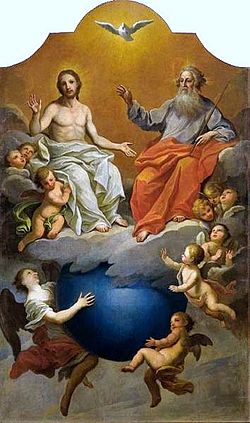
- 一神教(Monotheism):唯一絶対の神のみを認める信仰形態です。
- 多神教(Polytheism):複数の神々が存在することを認める信仰形態です。
- ヘノテイズム(Henotheism):他の神々の存在を否定せず、その多くを単一の神聖な原理の側面として捉えつつ、一つの至高神を崇拝する形態です。
- 非有神論(Nontheism):永遠なる至高の創造主を否定します。ただし、他の生物と同様に生老病死を繰り返す神々の集まり(パンテオン)を認める場合があります。
神格に付与される属性
一神教の伝統では、神はしばしば「全能(Omnipotent)」「遍在(Omnipresent)」「全知(Omniscient)」「至善(Omnibenevolent)」、そして「永遠」であるとされます。しかし、これらはすべての神格に必須の条件ではなく、文化や哲学的なアプローチによって定義は異なります。例えば、汎神論(Pantheism)では、宇宙そのものや万物が単一の神格を構成していると考えます。
![Pantheists believe that the universe itself and everything in it forms a single, all-encompassing deity.[39][40]](/images/89/19/891931d17b52257f274805d8513515a73d48ccda18d9445a5f365d0fbc11f3ee.jpg)
世界各地における神格の展開
神格の捉え方は、地域や時代によって極めて多様です。先史時代から現代に至るまで、人類は自然現象や社会構造を反映した神々を創造してきました。
古代文明と地域的信仰
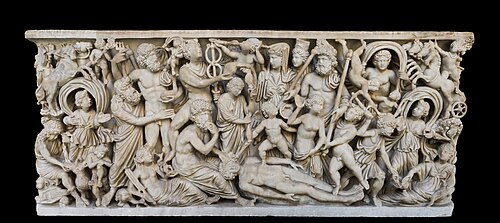
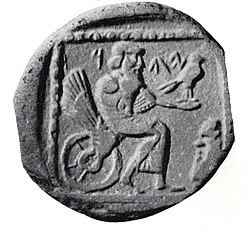
古代エジプトではオシリスやアヌビスのような役割分担のある神々が信仰され、メソポタミアやレバント地方でも独自の神格体系が発展しました。また、インド・ヨーロッパ語族の文化圏では、ギリシャやローマの神々のように、人間的な感情や形態を持つ神々が描かれました。
![Egyptian tomb painting showing the gods Osiris, Anubis, and Horus, who are among the major deities in ancient Egyptian religion[88]](/images/b4/24/b424ee297537909eb9a5147a6f0effaf151540a236b4ba501368e4677ff0b0b5.jpg)
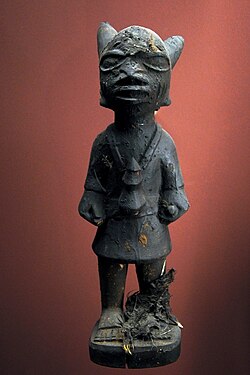
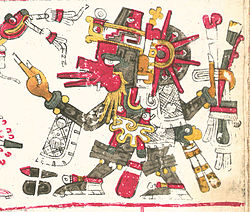
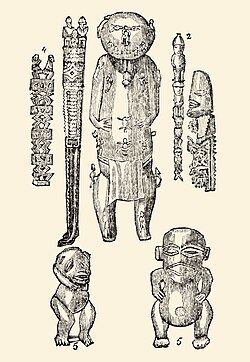
サブサハラアフリカのヨルバ文化や、ポリネシアの木彫りの神々、中南米のマヤ・アステカ文明におけるケツァルコアトルなど、自然界の力や祖先を神格化した例は世界中に見られます。
アジアとアブラハムの宗教
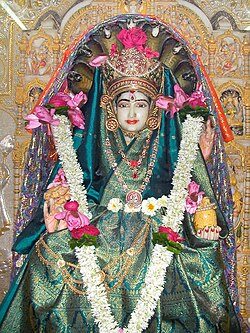
ユダヤ教、キリスト教、イスラム教に代表されるアブラハムの宗教は、厳格な一神教の伝統を持ちます。一方で、アジアの信仰体系はより複雑です。ヒンドゥー教では多様な神々が認められつつ、それらが究極的な一元論に結びつく構造を持ち、ジャイナ教や仏教では創造主としての神の概念とは異なるアプローチが取られています。

その他の特筆すべき事例
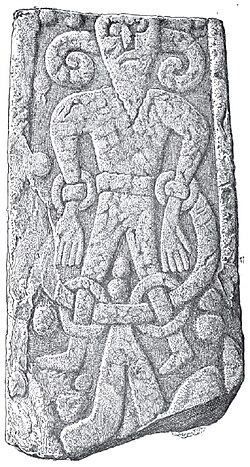
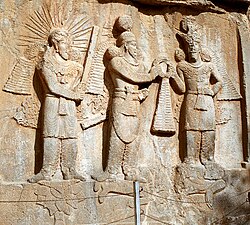
古代ペルシャのゾロアスター教におけるアフラ・マズダや、北欧・ゲルマン神話のロキのようなトリックスター的な神格、さらには先史時代のチャタルヒュユクで発見された女神像など、神格の表現は時代と共に変遷してきました。
![Statuette of a nude, corpulent, seated woman flanked by two felines from Çatalhöyük, dating to c. 6000 BCE, thought by most archaeologists to represent a goddess of some kind[76][77]](/images/29/ae/29ae2e1784e38580c8191331dfd757875ebdd1a50b3cb7507ae2c4f80796331c.jpg)
神格概念のまとめ
以下に、主要な信仰形態とその特徴をまとめます。
| 信仰形態 | 神の数 | 主な特徴 |
|---|---|---|
| 一神教 | 1柱 | 唯一絶対の創造主を崇拝する。 |
| 多神教 | 複数 | 多様な権能を持つ複数の神々を認める。 |
| ヘノテイズム | 1柱(主神) | 他神を認めつつ、特定の至高神を優先的に崇拝する。 |
| 非有神論 | なし / 限定的 | 至高の創造主を否定する。 |
| 汎神論 | 一体 | 宇宙全体を一つの神格として捉える。 |
Frequently Asked Questions
神格と神の違いは何ですか?
一般的に「神」は個別の崇拝対象を指すことが多いですが、「神格(Deity)」はより広義な概念であり、神、女神、あるいは神聖な力を持つあらゆる超自然的な存在を包括する用語として使われます。
すべての宗教に「創造主」が存在しますか?
いいえ。一神教では創造主の概念が不可欠ですが、非有神論的な宗教や一部の東洋哲学では、宇宙に始まりとしての創造主を想定しない、あるいは神々自身も輪廻のサイクルの中にいると考える場合があります。
神格に性別はあるのでしょうか?
文化によって異なります。多くの伝統的な宗教では男性または女性として表現されますが、両性具有的な性質を持つ神や、完全にジェンダーを超越した無性別の存在として定義されることも一般的です。
ヘノテイズムと多神教はどう違うのですか?
多神教が複数の神々を並列的に認めるのに対し、ヘノテイズムは「他の神々の存在は認めるが、自分たちが崇拝するのは唯一の至高神である」という、優先順位をつけた信仰形態である点が異なります。
References
- Compare the role of a .
- Koppen analyzes "mediative elevation" as a tactic by which local religious authorities may "merge an important local deity and a chosen minor transregional deity".
- Yahweh's sphere of influence expanded: in the , the prophet tries (unsuccessfully) to remove himself from the perceived divine domain in the Levant to a far-off land – "to flee unto Tarshish from the presence of the LORD".
📸 フォトギャラリー