バハイ教は、19世紀のペルシャ(現在のイラン)で誕生した独立した一神教です。人類の団結、宗教の統一、そして神の唯一性という3つの根本的な柱を中心に、人種や国籍、宗教的背景を超えた世界平和と社会正義の実現を追求しています。現在では世界中に700万から800万人の信者がおり、地球規模で展開される宗教となっています。
Key Facts
- 創始者:バハオッラー(Baháʼu'lláh)
- 核心的な教え:神、宗教、人類の三つの統一
- 最高管理機関:世界正義の家(Universal House of Justice)
- 聖地:イスラエルのハイファおよびアッカ
- 主な聖典:キターブ・イ・アクダス(Kitáb-i-Aqdas)など
バハイ教の成り立ちと中心人物
バハイ教の歴史は、1844年に「バブ(The Báb)」が自らの使命を宣言したことに始まります。バブは、人類に新たな時代の到来を告げ、後に現れるさらなる神の使者の先駆者であると説きました。しかし、当時の体制による激しい弾圧を受け、1850年に処刑されました。
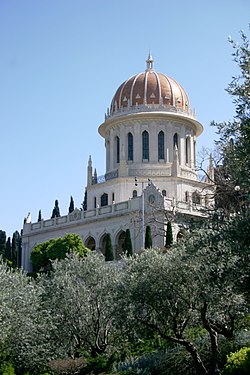
その後、バブが予言した使者として現れたのが、バハイ教の創始者であるバハオッラーです。彼は神からの啓示を受け、人類が一つにまとまるための教えを広めましたが、その活動ゆえに投獄され、オスマン帝国領内のアッカなどへ流刑となりました。バハオッラーは1892年に没しましたが、その遺志は長男のアブドゥルバハーへと引き継がれました。
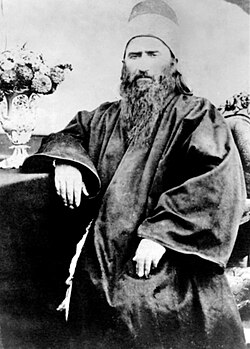
アブドゥルバハーは、父の教えを世界に広める役割を担い、西洋社会への普及に大きく貢献しました。さらに、その孫であるショギ・エフンディが「守護者」として組織的な基盤を整備し、1963年には最高管理機関である「世界正義の家」が初めて選出されるに至りました。
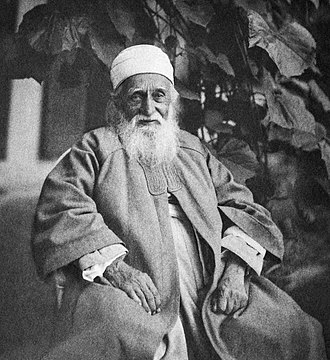
信仰の核心と社会的な原則
バハイ教では、神は唯一であり、歴史上の主要な宗教の開祖たちは、時代の要請に合わせて神の真理を段階的に明らかにしてきたという「漸進的啓示」の考え方を採っています。そのため、キリスト教、イスラム教、ユダヤ教などのアブラハムの宗教を含むあらゆる信仰は、本質的に一つの源泉から来ていると見なされます。
社会的な側面では、男女平等の推進、科学と宗教の調和、偏見の撤廃、そして世界政府のような統一的な秩序の構築を重視しています。これらの理念は、国連の様々な機関(UNICEFやWHOなど)との協力活動や、世界的な社会経済開発プロジェクトを通じて実践されています。
聖典と象徴的な建築物
バハイ教の信仰生活は、多くの聖典に基づいています。特に『キターブ・イ・アクダス(至聖書)』は、信仰の法や指針を定めた重要な書物です。また、個人の精神的な成長を促す『隠れた言葉』などの著作も深く愛読されています。
世界各地には、あらゆる信仰を持つ人々が共に祈り、瞑想できる「バハイ礼拝堂(House of Worship)」が建設されています。これらの建築物は、多くの場合、九角形の構造を持っており、多様性の統合を象徴しています。

インドのロータス寺院は、その独創的なデザインと開放的な精神から、年間約450万人の訪問者を惹きつける世界的な名所となっています。

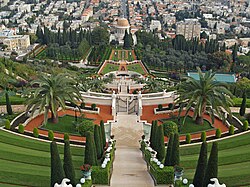
また、イスラエルのハイファにあるバハイ世界センターは、信仰の行政的な中心地であるとともに、美しく整備された庭園で知られています。
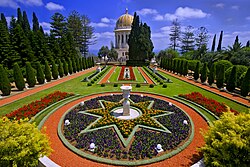
世界正義の家が置かれているこの中心地は、信者にとっての精神的な支柱となっており、1982年に現在の建物が完成しました。

視覚的シンボルと文化
バハイ教には、信仰を象徴するいくつかの重要なシンボルがあります。例えば、「最大の名(The Greatest Name)」と呼ばれるカリグラフィーは、神の栄光を称えるアラビア語の表現であり、礼拝堂の内部などで目にすることができます。

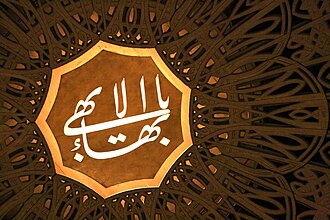
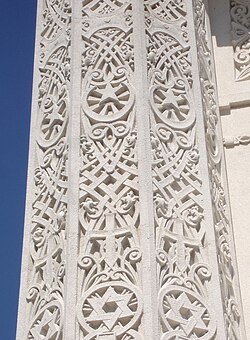
また、人類と神との結びつきを象徴するリングストーンのシンボルや、多様な宗教のシンボルをあしらった建築装飾など、包摂性を視覚的に表現する手法が取り入れられています。

歴史的な試練と現状
バハイ教は世界的な広がりを見せる一方で、特に発祥の地であるイランでは、激しい迫害の歴史を持っています。政府による弾圧により、教育機会の剥奪や、聖地の破壊、信者の逮捕などが続いてきました。
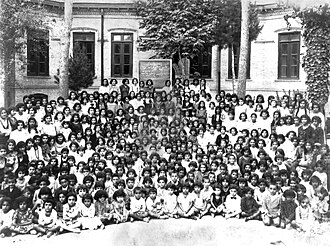

しかし、こうした困難の中でも、バハイ共同体は非暴力の精神を貫き、教育や社会奉仕を通じて人類への貢献を続けています。ドイツやアメリカなど、世界各地に建てられた礼拝堂は、その平和への願いの証となっています。
![The Baháʼí House of Worship in Wilmette, Illinois, US is the oldest surviving Baháʼí House of Worship in the world.[101]](/images/e8/c3/e8c3597d099a7bd48f670cedf2bc6650ca87460ed4ccd25b0d2a4f869339ae37.jpg)

ハイファの庭園は、今や世界中から人々が集まる静謐な空間として、バハイ教の調和の精神を体現しています。
バハイ教の概要まとめ
| 項目 | 内容 |
|---|---|
| 分類 | アブラハム系の一神教 |
| 主要な教義 | 神・宗教・人類の統一、男女平等、科学と宗教の調和 |
| 最高機関 | 世界正義の家(イスラエル・ハイファ) |
| 信者数 | 約700万〜800万人 |
| 重要聖地 | バブの聖廟、バハオッラーの聖廟 |
Frequently Asked Questions
バハイ教は他の宗教とどのような関係にありますか?
バハイ教は、他の主要な宗教を否定するのではなく、それらを一つの大きな神聖な計画の異なる段階として捉えています。すべての宗教の根源は同じ神にあると考え、互いの調和と統一を目指しています。
「世界正義の家」とはどのような組織ですか?
バハイ教の最高管理機関であり、世界中の信者のための指針を決定し、共同体を統治する役割を担っています。民主的な選挙プロセスによって選出される、教義に基づいた行政組織です。
バハイ礼拝堂にはどのような特徴がありますか?
特定の聖職者が存在せず、あらゆる信仰を持つ人々が自由に入り、祈りや瞑想を行うことができる開かれた空間である点が特徴です。多くは九角形の構造をしており、統一を象徴しています。
バハイ教ではどのような社会活動を行っていますか?
教育の普及、男女平等の実現、環境保護、そして国連などの国際機関と連携した社会経済開発など、人類全体の福祉を向上させるための活動に積極的に取り組んでいます。
バハイ教の聖典にはどのようなものがありますか?
創始者バハオッラーによる『キターブ・イ・アクダス(至聖書)』や『キターブ・イ・イカン(確信の書)』、また精神的な瞑想を促す『隠れた言葉』など、多岐にわたる著作が存在します。
References
- The Baháʼí Faith is variously described as a 'religion', 'sect', 'relatively new religion', '', 'major world religion', 'megareligion', 'independent world religion', '', 'alternative religion', and other attempts to convey that it is new (relative to well-established faiths), not mainstream, and with no racial or national focus.
- Sources summarize the Baháʼí Faith as teaching, "the essential worth of all religions, the unity of all peoples, and the equality of the sexes", "the essential unity of all religions and the unity of humanity", "the spiritual unity of mankind and advocates peace and universal education", "the unity of all peoples under God", or "religious unity... the Oneness of Humanity... the equality of all human beings regardless of race, ethnicity, gender, or social class".
- See for various estimates.
- All Ridván messages can be found at Bahai.org.
- In line with this is the thinking that the government encouraged the campaign to distract attention from more serious problems, including acute economic difficulties. Beyond this lay the difficulty that the regime faced in harnessing the nationalist movement that had supported Musaddiq.
- A spokesman for the Iranian Embassy in Argentina explained that the exclusion was prompted by the fact that the Bahá’ís were a "misguided group… whose affiliation and association with world Zionism is a clear fact" and who could not be "in the same category as minorities like the Christian, Jews and Zoroastrians."
- The Iranian leader banished Baháʼu'lláh from Iran to the Ottoman Empire, from where he was later exiled by the Ottoman Sultan, at the behest of the Iranian Shah to territories further from Iran and finally to , which only a century later was incorporated into the state of .
📸 フォトギャラリー