世界中で親しまれているクリスマス(降誕祭)は、キリスト教においてイエス・キリストの誕生を祝う重要な行事です。しかし、現代のクリスマスは単なる宗教的儀式にとどまらず、家族や友人と時間を共有し、贈り物を交換し合う国際的な文化イベントとしての側面を強く持っています。
この祝祭は、聖書に記された物語から始まり、数世紀にわたる歴史の中で、地域の風習や時代ごとの価値観が融合しながら、現在の形へと進化してきました。
![A mosaic dated to around 300 AD in the Tomb of the Julii, an apparently Christian tomb in the Vatican Necropolis. Most scholars believe it depicts Jesus as the sun god Sol / Helios.[207][208]](/images/13/e4/13e434ae13e48a1d1702308830c91795210a06f0139b21dbec48ef8892d54141.jpg)
Key Facts
- 主目的: イエス・キリストの誕生を記念し、祝うこと。
- 主な日付: 西方教会では12月25日、一部の東方教会では1月7日や1月6日に祝われる。
- 象徴的な習慣: ツリーの装飾、プレゼントの交換、教会での礼拝、特別な食事。
- 文化的影響: 宗教的な枠を超え、世界中の多くの国で公休日や文化行事として定着している。
クリスマスの歴史的変遷
初期から中世にかけての形成
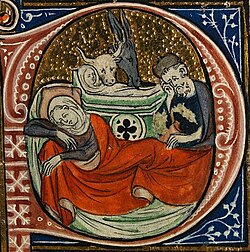
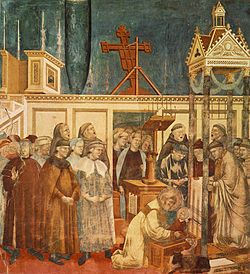
クリスマスの起源は、初期キリスト教の時代にまで遡ります。当初、イエスの正確な誕生日は不明でしたが、次第に12月25日が祝日として定着しました。中世に入ると、キリストの降誕シーンを再現する「ナティビティ(降誕場面)」の描写が芸術や礼拝の中で重要視されるようになりました。
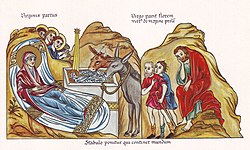
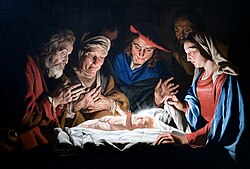
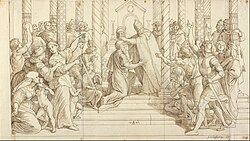
また、800年のクリスマスに行われたシャルルマーニュの戴冠式などは、この祝日の社会的・政治的な重要性を高める一助となりました。
近世から近代への発展
17世紀から18世紀にかけて、クリスマスはより家庭的な祝祭へと変化しました。特に宗教改革期のマルティン・ルターは、クリスマスツリーの普及やクリスマスイブに贈り物を贈る習慣の形成に寄与したと言われています。
![Martin Luther played a role in the emergence of the Christmas tree and in the tradition of presents on Christmas Eve.[46][47]](/images/20/0a/200a5651d0f5c02d6875773a1ec897aaecd7bdc028b8464edc5470b8a9bc0703.jpg)
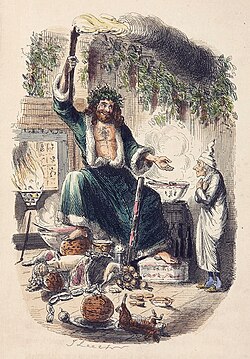
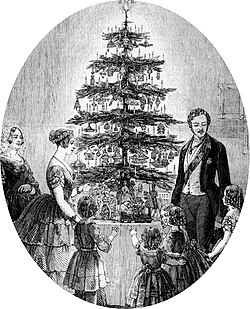
19世紀のヴィクトリア朝時代には、チャールズ・ディケンズの小説『クリスマス・キャロル』などの影響もあり、「家族の絆」や「慈愛」を重視する現代的なクリスマスのイメージが確立されました。この時期、ドイツからイギリスへクリスマスツリーの習慣が広まり、王室が取り入れたことで一般市民の間でも爆発的に普及しました。
20世紀から現代まで
20世紀に入ると、クリスマスは商業的な側面を強め、世界的な消費イベントとなりました。一方で、ソ連のような国家無神論を掲げる体制下では、クリスマスツリーの持ち込みが禁止されるなどの弾圧を受けた歴史もあります。
![A 1931 edition of the Soviet magazine Bezbozhnik, published by the League of Militant Atheists, depicting an Orthodox Christian priest being forbidden to take home a tree for the celebration of Christmastide, which was banned under the Marxist–Leninist doctrine of state atheism[244]](/images/c5/9a/c59a487dd2a3e9ea7dae9cc6ee08c9e41e5c35d563e8ac6a95a935925caf04cc.jpg)
現代では、デジタル技術の発展により、サンタの現在地を追跡するサービスが登場するなど、伝統とテクノロジーが融合した新しい楽しみ方が生まれています。
世界中で愛される多様な伝統と習慣
装飾とシンボル
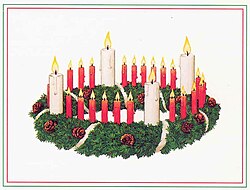
クリスマスの象徴といえばクリスマスツリーです。世界最大のツリーがイタリアのグッビオに設置されるなど、規模や形式は様々ですが、光り輝く装飾は希望と喜びを象徴しています。また、アドベントリース(待降節の輪)は、クリスマスまでの準備期間を数える伝統的な装飾です。
![Mount Ingino Christmas Tree in Gubbio, Italy, the tallest Christmas tree in the world, 2014[106]](/images/f2/a7/f2a7494b4159857fdcd3eb7f967116ce29fe29a2bb34bbce117e9eaa86679095.jpg)
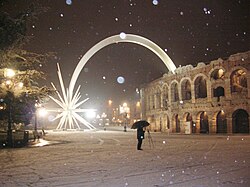
贈り物とサンタクロース
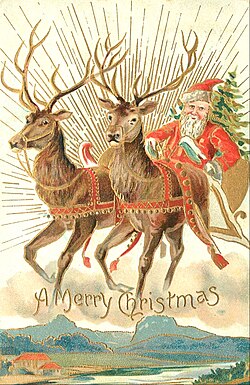
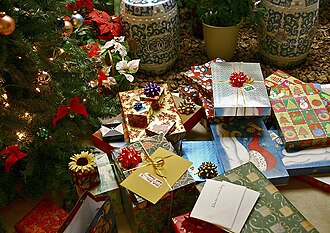
プレゼントの交換は、東方の三賢者が幼いイエスに贈り物を捧げたことに由来します。この伝統を擬人化したのがサンタクロースです。そのルーツは、オランダのシンタクラース(聖ニコラウス)にあると考えられており、時代を経て赤い服を着た親しみやすいキャラクターへと進化しました。
![Saint Nicholas, known as Sinterklaas in the Netherlands, is considered by many to be the original Santa Claus.[195]](/images/c0/95/c0958f4ccf96b6b5bcd9e7d5053d18a29b1ad2295c2cf9da5d834c9fd156de4c.jpg)
音楽と食文化
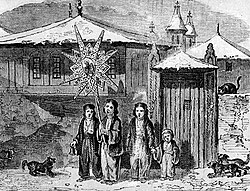
クリスマスキャロル(賛美歌)を歌い歩く習慣は、地域社会の結びつきを強める役割を果たしてきました。また、食事も重要な要素であり、イタリアのパネトーネのような伝統菓子や、豪華なディナーが家族で囲まれます。
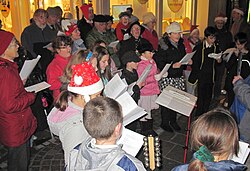



宗教的儀式と再現劇
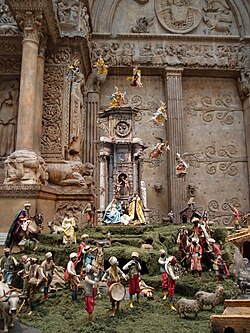
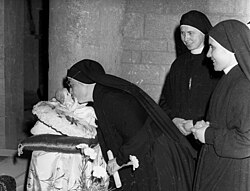
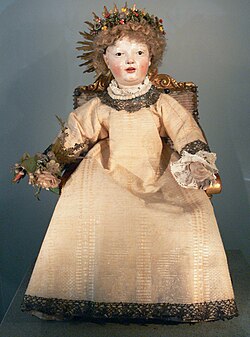
多くのクリスチャンにとって、教会での礼拝は欠かせない行事です。また、イエスの誕生を演じる「ナティビティ・プレイ(降誕劇)」や、精巧な人形を用いた降誕場面の展示(プレセピオ)は、信仰を視覚的に伝える重要な手段となっています。
![Many Christians attend church services to celebrate the birth of Jesus Christ[115]](/images/cc/0f/cc0fed6c76d701f79b51d3336b71313ced0259bb82369da27a20d892b34da9a9.jpg)
祝祭日の日付とカレンダーの違い
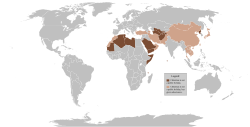
クリスマスを祝う日付は、採用しているカレンダーや教派によって異なります。多くの国ではグレゴリオ暦の12月25日を祝いますが、正教会の一部ではユリウス暦に基づき1月7日に祝います。
| 教派・教会 | 使用カレンダー | 祝日(グレゴリオ暦) |
|---|---|---|
| 西方キリスト教(カトリック・プロテスタント等) | グレゴリオ暦 | 12月25日 |
| アルメニア使徒教会 | グレゴリオ暦 | 1月6日 |
| 多くの東方正教会 | ユリウス暦 | 1月7日 |
| コプト正教会・エチオピア正教会 | 独自の暦 | 1月7日 |
その他の文化的側面
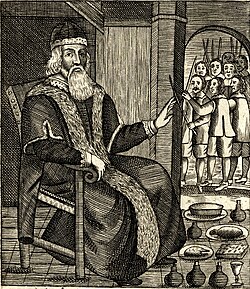
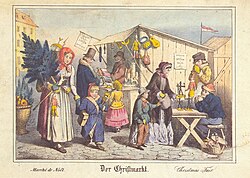
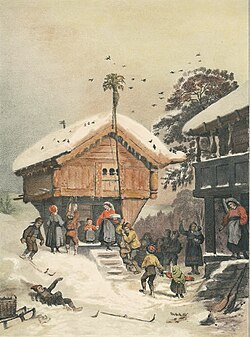
クリスマスは、地域ごとに独自の発展を遂げています。ドイツのクリスマスマーケットは、中世から続く伝統的な市場であり、冬の街を彩る重要な文化イベントです。また、北欧では独自の冬至祭(ユール)の習慣が融合しています。
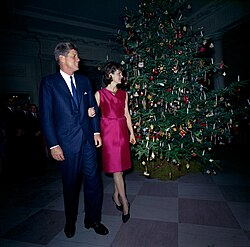
現代では、グリーティングカードの送付や、ホワイトハウスのような公的な場でのツリー展示など、社会的な交流の機会としても機能しています。
Frequently Asked Questions
なぜクリスマスは12月25日なのですか?
聖書に正確な日付は記されていませんが、初期の教会が冬至に近い時期に設定したとされています。これは、古代ローマの太陽神の祭礼などの既存の習慣を取り入れ、キリストを「世界の光」として象徴させるためだったという説が有力です。
サンタクロースのモデルは誰ですか?
4世紀の小アジア(現在のトルコ)の司教であった聖ニコラウスがモデルとされています。彼は貧しい人々や子供たちに密かに贈り物をしたという慈愛に満ちたエピソードで知られており、それが後のサンタクロースのイメージに繋がりました。
クリスマスツリーの習慣はどこから来たのですか?
ドイツの伝統が起源とされており、冬でも葉を落とさない常緑樹に、永遠の命や希望を託したと考えられています。16世紀頃にマルティン・ルターが家に木を持ち込んだという伝説があり、その後ヨーロッパ全土、そして世界へと広がりました。
クリスマスと「エピファニー」の違いは何ですか?
クリスマスがイエスの誕生を祝うのに対し、エピファニー(公現祭)は、東方の三賢者が幼いイエスを訪れ、彼が救世主であることを世界に示したことを祝う行事です。日付は一般的に1月6日とされています。
世界中で同じように祝われていますか?
いいえ、国や地域によって異なります。公休日として祝う国もあれば、文化的なイベントとして楽しむ国もあります。また、前述の通り、教派によって祝う日付が異なるため、12月だけでなく1月に盛大に祝う地域も存在します。
References
- Several branches of that use the also celebrate on December 25 according to that calendar, which is now January 7 on the . Armenian Churches observed the nativity on January 6 even before the Gregorian calendar originated. Most Armenian Christians use the Gregorian calendar, still celebrating Christmas Day on January 6. Some Armenian churches use the Julian calendar, thus celebrating Christmas Day on January 19 on the Gregorian calendar, with January 18 being Christmas Eve. Some regions also celebrate primarily on December 24, rather than December 25.
📸 フォトギャラリー