世界中で最も愛されている賛美歌の一つである「アメイジング・グレイス(Amazing Grace)」。その荘厳なメロディと深い歌詞は、宗教の枠を超え、葬儀や記念式典、さらにはポップミュージックの文脈でも歌い継がれています。しかし、この曲が誕生した背景には、一人の男の激しい人生の転換と、深い悔恨の念がありました。
Key Facts
- 作詞者は元奴隷商人のジョン・ニュートンであり、1772年末に執筆された。
- 現在最も一般的なメロディ「ニュー・ブリテン」が結びついたのは1835年のことである。
- アメリカの「第二次大覚醒」や黒人霊歌としての伝承を経て、世界的な普及を遂げた。
- 年間約1,000万回も演奏されていると推定される、世界で最も有名なフォーク賛美歌である。
作詞者ジョン・ニュートンの波乱の人生
この曲の歌詞を書いたジョン・ニュートンは、かつて大西洋奴隷貿易に従事していた人物でした。1756年頃からリバプールの税関職員として働きながら、独学で神学や古典言語を学んだ彼は、次第に信仰心に目覚めていきます。当初は大学学位がないことや、福音主義的な傾向があることから聖職への道を拒まれましたが、後に後援を得て1764年にイングランド国教会の司祭として叙任されました。
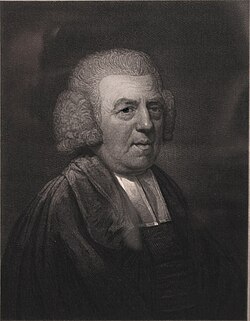
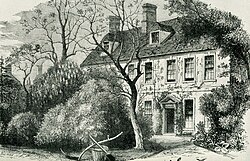
バッキンガムシャー州オルニーの司祭となったニュートンは、詩人のウィリアム・カウパーと共に、礼拝で歌うための賛美歌を書き始めました。「アメイジング・グレイス」は1773年の元旦の説教に合わせて作られたもので、自身の罪深い過去と、そこから救い出した神の慈悲への感謝が込められています。
歌詞に込められた意味と社会的背景
もともとこの詩は「歴代誌上 17:16–17」という聖書の箇所に基づいています。ニュートンは、自分のような罪人が選ばれ、救われたことへの謙虚な喜びを表現しました。後年、彼は熱烈な奴隷制度廃止論者となり、政治家のウィリアム・ウィルバーフォースと共に、1807年の奴隷貿易法成立に向けた運動に尽力しました。
一部の批評家は、歌詞にある「惨めさ」という表現が、奴隷貿易に加担していたことへの自覚を反映していると分析しています。このように、個人の悔い改めから始まった歌が、やがて普遍的な「救済」の象徴へと変化していきました。
メロディの変遷:なぜ今の曲になったのか
意外なことに、ニュートンが歌詞を書いた当時は、現在のような特定のメロディは存在しなかったと考えられています。当時は詩を唱えるか、あるいはその時々の共通の旋律に合わせて歌われていました。19世紀初頭まで、この歌詞には20以上の異なるメロディが付けられていました。
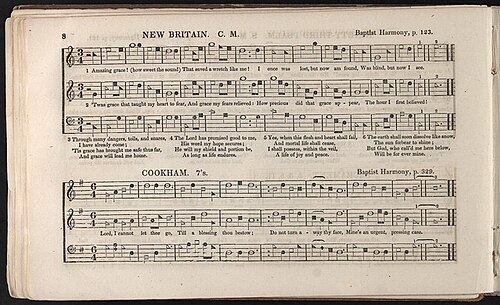
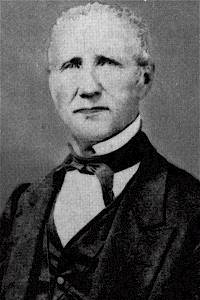
転機となったのは1835年です。アメリカの作曲家ウィリアム・ウォーカーが、自身の楽譜集『サザン・ハーモニー』の中で、伝統的な楽曲「ニュー・ブリテン」をこの歌詞に組み合わせました。この「ニュー・ブリテン」こそが、今日私たちが耳にするお馴染みの旋律です。
アメリカでの普及と文化的象徴への道
この曲が世界的に広まった背景には、アメリカでの受容があります。19世紀の宗教リバイバル(大覚醒)で広く歌われたほか、アフリカ系アメリカ人のコミュニティで「黒人霊歌」として深く根付きました。奴隷制という過酷な現実の中で、この歌は自由と救済への切実な願いを象徴するものとなりました。
20世紀に入ると、録音技術の発展により、ゴスペルやブルースの形式で多様にアレンジされました。特にマハリア・ジャクソンの歌唱は、公民権運動の時代に多くの人々に勇気を与え、政治的な意味合いを持つ「お守り」のような存在となりました。

現代における多様なアレンジ
1960年代のフォーク・リバイバル期には、ジュディ・コリンズがアカペラに近い形式で録音し、ビルボードチャートの上位に入る大ヒットを記録しました。また、1972年にはロイヤル・スコッツ・ドラグーン・ガーズによるバグパイプ演奏が世界的に流行し、軍葬や追悼式での定番曲としての地位を確立しました。

アメイジング・グレイスの概要まとめ
| 項目 | 詳細 |
|---|---|
| 作詞者 | ジョン・ニュートン(1772年頃) |
| 代表的な曲名 | ニュー・ブリテン(1835年〜) |
| 音楽形式 | 共通拍子(Common metre / 8.6.8.6) |
| 主なジャンル | キリスト教賛美歌、黒人霊歌、フォーク |
| 文化的影響 | 奴隷制度廃止運動、公民権運動、追悼式 |
Frequently Asked Questions
もともとこの曲にメロディはついていたのですか?
いいえ、ジョン・ニュートンが歌詞を書いた当時は、特定のメロディは付随していなかったと考えられています。当時は詩を唱えるか、既存の様々な旋律に合わせて歌われていました。
なぜ「黒人霊歌」として知られているのですか?
アメリカに伝わった後、その「救済」というテーマが奴隷制に苦しむアフリカ系アメリカ人の経験と深く共鳴したためです。彼ら独自のスタイルで歌い継がれたことで、象徴的な霊歌となりました。
現在の有名なメロディは誰が作ったのですか?
1835年にアメリカのウィリアム・ウォーカーが、伝統的な曲である「ニュー・ブリテン」をこの歌詞に当てはめたことで、現在の形が定着しました。
ジョン・ニュートンは奴隷制度に反対していたのですか?
人生の後半になってから熱烈な廃止論者となりました。若い頃は奴隷商人として活動していましたが、信仰への目覚めと深い後悔を経て、ウィリアム・ウィルバーフォースらと共に奴隷貿易の廃止に尽力しました。
バグパイプで演奏されるのはなぜですか?
1972年にイギリス軍のロイヤル・スコッツ・ドラグーン・ガーズが演奏したバージョンが世界的に大ヒットしたためです。これにより、厳かな追悼の場でのバグパイプ演奏というスタイルが定着しました。
References
- Stripped of his rank, whipped in public, and subjected to the abuses directed to prisoners and other press-ganged men in the Navy, he demonstrated insolence and rebellion during his service for the next few months, remarking that the only reason he did not murder the captain or commit suicide was because he did not want Polly to think badly of him. (Martin [1950], pp. 41–47.)
- Newton kept a series of detailed journals as a slave trader; these are perhaps the first primary source of the from the perspective of a merchant (Moyers). Women, naked or nearly so, upon their arrival on ship were claimed by the sailors, and Newton alluded to sexual misbehavior in his writings that has since been interpreted by historians to mean that he, along with other sailors, took (and presumably raped) whomever he chose. (Martin [1950], pp. 82–85)(Aitken, p. 64.)
- Newton's father was friends with Joseph Manesty, who intervened several times in Newton's life. Newton was supposed to go to Jamaica on Manesty's ship, but missed it while he was with the Catletts. When Newton's father got his son's letter detailing his conditions in Sierra Leone, he asked Manesty to find Newton. Manesty sent the Greyhound, which travelled along the African coast trading at various stops. An associate of Newton lit a fire, signalling to ships he was interested in trading just 30 minutes before the Greyhound appeared. (Aitken, pp. 34–35, 64–65.)
- Several retellings of Newton's life story claim that he was carrying slaves during the voyage in which he experienced his conversion, but the ship was carrying livestock, wood, and beeswax from the coast of Africa. (Aitken, p. 76.)
- When Newton began his journal in 1750, not only was slave trading seen as a respectable profession by the majority of Britons, its necessity to the overall prosperity of the kingdom was communally understood and approved. Only , who were much in the minority and perceived as eccentric, had raised any protest about the practice. (Martin and Spurrell [1962], pp. xi–xii.)
- Newton's biographers and Newton himself does not put a name to this episode other than a "fit" in which he became unresponsive, suffering dizziness and a headache. His doctor advised him not to go to sea again, and Newton complied. Jonathan Aitken called it a stroke or , but its cause is unknown. (Martin [1950], pp. 140–141.)(Aitken, p. 125.)
- Watts had previously written a hymn named "" that contained the lines "Amazing pity! Grace unknown!/ And love beyond degree!". , another well-known hymn writer, wrote another in 1755 titled "The Humiliation and Exaltation of God's Israel" that began "Amazing grace of God on high!" and included other similar wording to Newton's verses. Newton biographer Jonathan Aitken states that Watts had inspired most of Newton's compositions. (Turner, pp. 82–83.)(Aitken, pp. 28–29.)
- Only since the 1950s has it gained some popularity in the UK; not until 1964 was it published with the music most commonly associated with it. (Noll and Blumhofer, p. 8)
- Franklin's version is a prime example of "long meter" rendition: she sings several notes representing a syllable and the vocals are more dramatic and lilting. Her version lasts over ten minutes in comparison to the Royal Scots Dragoon Guards' that lasts under three minutes. (Tallmadge)(Turner, pp. 150–151.)
📸 フォトギャラリー