17世紀半ばのイングランドで誕生したクエーカー(正式名称:宗教的友人の社会 / Religious Society of Friends)は、既存の教会組織や形式的な儀礼を排し、個人の内面に宿る神の声に耳を傾ける独自の信仰形態を持つグループです。彼らは単なる宗教団体にとどまらず、平和、平等、誠実さといった普遍的な価値観を社会に実践することに心血を注いできました。
Key Facts
- 創始者: ジョージ・フォックスとマーガレット・フェルが中心となり、イングランド国教会から分離して成立。
- 核心概念: すべての人間の中に神聖な導きがあるとする「内なる光(Inward Light)」を重視。
- 4つの証言: 平和、平等、誠実(真実)、簡素という生活指針を掲げる。
- 礼拝形式: 伝統的な「非プログラム形式」では、沈黙の中で神との対話を重視する。
- 社会貢献: 奴隷制反対運動や人道支援、平和活動において世界的に重要な役割を果たした。
クエーカーの起源と歴史的展開
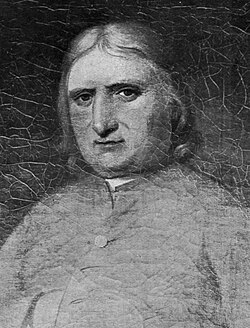
クエーカーの歴史は、ジョージ・フォックスという先駆的な指導者の登場から始まります。彼は、形式的な聖職者や教義よりも、個人の霊的な体験と直接的な神とのつながりを強調しました。
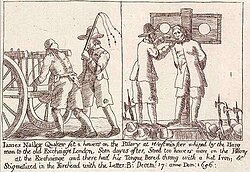
初期のクエーカーたちは、その急進的な平等主義や既存の社会秩序への挑戦により、激しい迫害を受けました。彼らは権威への服従を拒み、信仰に基づいた行動を貫いたため、投獄や身体的な罰を受けることも少なくありませんでした。
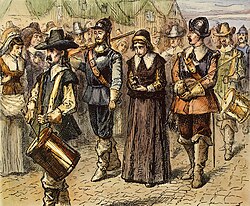
こうした弾圧の中でも、彼らの信念は揺るぎませんでした。例えばメアリー・ダイヤーのような人物は、信仰の自由を求めて命を懸けて闘いました。
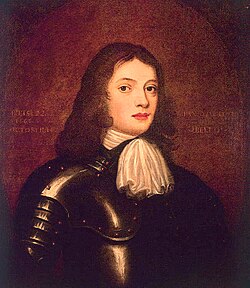
その後、クエーカーは北米へと活動を広げます。特にウィリアム・ペンは、信仰の自由を保障する「聖なる実験」としてペンシルベニア植民地を設立し、多様な人々が共生できる社会のモデルを構築しようと試みました。
信仰の多様性と組織の分化
時代が進むにつれ、クエーカー内部では神学的な解釈を巡って多様性が生まれました。伝統的な沈黙の礼拝を重視するグループから、牧師を置く「プログラム形式」の礼拝を取り入れる福音派的なグループまで、幅広いスペクトラムが存在します。
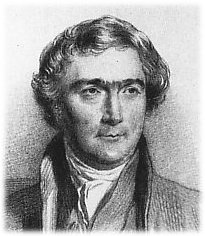
19世紀には、ジョセフ・ジョン・ガーニーのような福音主義的な視点を持つ指導者が現れ、信仰のあり方に新たな方向性がもたらされました。
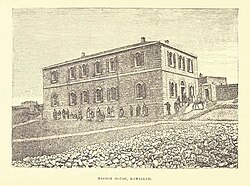
また、彼らの活動は世界規模に広がり、シリアなどの地域でミッションハウスを建設し、教育や医療を通じた人道支援を展開しました。
現代のクエーカーは、世界的な調整機関である「フレンド世界協議会(FWCC)」などを通じて連携していますが、その信仰形態はリベラルなものから保守的なものまで多岐にわたります。

社会正義への献身と実践
クエーカーの最大の特徴は、信仰を具体的な行動に移す「証言(Testimonies)」にあります。特に平和主義への強いこだわりは、戦争への拒否や良心的兵役拒否という形で現れました。第二次世界大戦中には、フレンド救急隊(FAU)のようなボランティア組織が結成され、戦地での人道支援に従事しました。

また、彼らは歴史的に人権擁護の先駆者でもありました。1688年には、クエーカーとメノナイトが共同で奴隷制を非難する宣言に署名しており、人間としての平等な権利をいち早く主張していました。

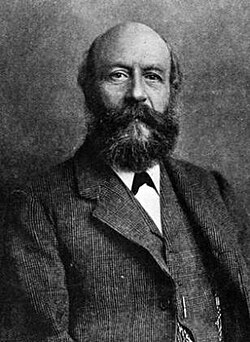
経済活動においても、誠実さと簡素さを重んじる精神が反映されました。例えば、ジョン・キャドバリーが創業したキャドバリー社は、ビジネスにおける倫理的な実践の例として知られています。
礼拝の形態とコミュニティの構造
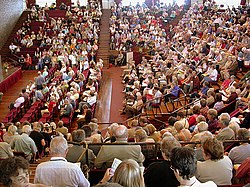
クエーカーの礼拝は、大きく分けて2つの形式があります。一つは、あらかじめ決められたプログラムがなく、沈黙の中で誰かが霊的な導きを感じたときだけ発言する「非プログラム形式」です。もう一つは、他のキリスト教諸派に近い、牧師による説教や賛美歌を含む「プログラム形式」です。
保守的な会合では、男女が分かれて座る伝統的な形式が維持されている場合もあります。

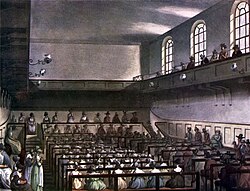
彼らの集会所(ミーティングハウス)は、華美な装飾を排した簡素な造りが特徴です。これは、外見的な豪華さよりも内面的な精神性を重視する「簡素さの証言」に基づいています。

また、意思決定においては、多数決ではなく、コミュニティ全体の合意(コンセンサス)を形成するプロセスを重視します。この手法は、現代の組織運営や紛争解決にも影響を与えています。
現代におけるクエーカーのあり方
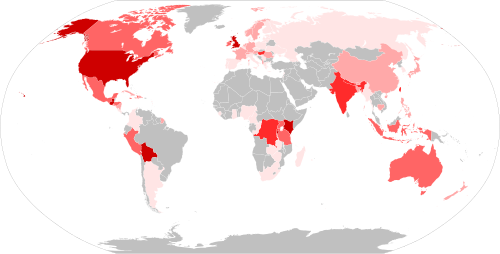
今日のクエーカーは、世界各地に分散して活動しています。その分布は北米、欧州、アフリカなど広範囲に及び、それぞれの地域の文化と融合しながら信仰を維持しています。
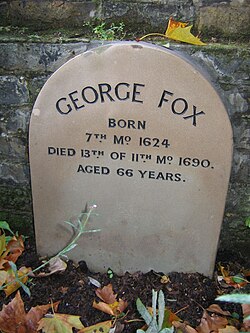
彼らの精神は、墓石のような記念碑さえも簡素にするという徹底した哲学にまで及びます。創始者ジョージ・フォックスの墓も、その精神を体現した質素なものです。
また、多くのサービス団体や人道支援組織が、クエーカーの平和と奉仕の精神を象徴する星のシンボルを用いて活動を続けています。

福音派的なアプローチを重視する「国際福音派フレンド教会」のような組織も、現代のキリスト教世界の中で重要な役割を担っています。

クエーカー信仰の概要まとめ
| 項目 | 内容 |
|---|---|
| 核心的な信念 | 内なる光(すべての人間の中にある神聖な導き) |
| 主要な価値観 | 平和、平等、誠実、簡素(4つの証言) |
| 礼拝スタイル | 非プログラム形式(沈黙)およびプログラム形式(牧師あり) |
| 組織形態 | 月例会(Monthly Meeting)、年次会(Yearly Meeting)などの階層構造 |
| 歴史的貢献 | 奴隷制廃止、平和主義、人道支援、信仰の自由の推進 |
Frequently Asked Questions
クエーカーはキリスト教の一派なのですか?
はい、基本的にはキリスト教の伝統から派生したグループです。しかし、教派によって神学的なスタンスは非常に幅広く、伝統的なキリスト教の教義を重視する福音派から、特定の教義に縛られないリベラルな視点を持つ人々、さらには非有神論的なクエーカーまで存在します。
「内なる光」とは具体的に何を指しますか?
すべての人間の中に宿っているとされる神聖な導きや、神の直接的な啓示のことです。これにより、聖職者という仲介者を介さなくても、個人が直接的に神の意志を理解し、正しい道を選択できると信じられています。
沈黙の礼拝では何をするのでしょうか?
参加者は静かに座り、内省し、神の声に耳を傾けます。誰かが「内なる光」からの強い導きを感じ、それを共有したいと思ったときだけ、自発的に立ち上がって発言します。何も発言がないままに終わる礼拝もありますが、それ自体が価値ある体験とされます。
クエーカーが「平和主義」を重視するのはなぜですか?
すべての人間の中に神が宿っている(平等である)と考えるため、他者の生命を奪う戦争や暴力は、神聖なものを破壊する行為であると見なされるからです。この信念に基づき、彼らは非暴力による紛争解決と平和構築に尽力しています。
クエーカーには聖書や教義書はありますか?
聖書を大切にするグループも多いですが、固定された唯一の教義書を持つことは避ける傾向にあります。代わりに、「信仰と実践(Faith and Practice)」のような、コミュニティの経験や知恵をまとめたガイドラインを共有し、時代に合わせて更新し続けています。
References
- Michael Bjerknes Aune; Valerie M. DeMarinis (1996). Religious and Social Ritual: Interdisciplinary Explorations. SUNY Press. p. 105. .
- "Where Did the Names "Quaker" and "Friends" Come From?". Walnut Creek Friends Church. Retrieved 21 June 2024.
They called themselves 'Friends' because of the words of Jesus recorded in John 15:14, 'You are my friends, if you do what I command you.' The early Friends were Christians who believed they could live like Jesus because Jesus lived in them. The name 'Quaker' was applied to the early Friends by their critics. The early Friends were so aware of the presence of God among them that they sometimes trembled with excitement. Upon being threatened by a judge to 'quake' before the authority of his court, George Fox told him to quake before the authority of God.
- Fox, George (1903). George Fox's Journal. Isbister and Company Limited. pp. 215–216.
This is the word of the Lord God to you all, and a charge to you all in the presence of the living God; be patterns, be examples in all your countries, places, islands, nations, wherever you come; that your carriage and life may preach among all sorts of people and to them: then you will come to walk cheerfully over the world, answering that of God in every one; whereby in them ye may be a blessing, and make the witness of God in them to bless you: then to the Lord God you will be a sweet savour, and a blessing.
- Hodge, Charles (12 March 2015). Systematic Theology. Delmarva Publications, Inc. p. 137.
This spiritual illumination is peculiar to the true people of God; the inward light, in which the Quakers believe, is common to all men. The design and effect of the "inward light" are the communication of new truth, or of truth not objectively revealed, as well as the spiritual discernment of the truths of Scripture. The design and effect of spiritual illumination are the proper apprehension of truth already speculatively known. Secondly. By the inner light the orthodox Quakers understand the supernatural influence of the Holy Spirit, concerning which they teach, – (1.) That it is given to all men. (2.) That it not only convinces of sin, and enables the soul to apprehend aright the truths of Scripture, but also communicates a knowledge of 'the mysteries of salvation.' ... The orthodox Friends teach concerning this inward light, as has been already shown, that it is subordinate to the Holy Scriptures, inasmuch as the Scriptures are the infallible rule of faith and practice, and everything contrary thereto is to be rejected as false and destructive.
- "Membership | Quaker faith & practice". qfp.quaker.org.uk. Retrieved 9 January 2018.
- "Baltimore Yearly Meeting Faith & Practice". August 2011. Archived from the original on 13 April 2012.
- 1 Peter 2:9
- "'That of God' in every person". Quakers in Belgium and Luxembourg.
- Fager, Chuck. "The Trouble With 'Ministers'". quakertheology.org. Retrieved 9 January 2018.
- Birkel, Michael (2017). "Quaker-Buddhist Blendings". Quaker Religious Thought. 129 (2). Retrieved 11 April 2026.
📸 フォトギャラリー