私たちの身の回りにあるあらゆる物質は、原子やイオンが互いに結びつくことで形作られています。この結びつきを化学結合と呼び、それがどのような形態で、どれほどの強さで結ばれているかによって、物質の硬さ、融点、反応性といった物理的・化学的特性が決定します。化学結合の本質は、正の電荷を持つ原子核と負の電荷を持つ電子の間に働く静電的な引力にあります。
Key Facts
- 化学結合は、電子の共有や移動、あるいは静電的な引力によって形成される。
- 強結合(一次結合)には、共有結合、イオン結合、金属結合があり、分子や結晶の骨格を作る。
- 弱結合(二次結合)には、水素結合やファンデルワールス力があり、分子間の相互作用を担う。
- 結合の性質は、原子間の「電気陰性度(電子を引き寄せる強さ)」の差によって大きく変わる。
- 現代の化学では、量子力学に基づいた「原子価結合法」や「分子軌道法」で結合が記述される。
化学結合の歴史的変遷
化学結合の概念は、長い時間をかけて実験的な発見と理論的な推論の積み重ねによって構築されてきました。17世紀後半にロバート・ボイルが「元素」の概念を提唱し、その後アントワーヌ・ラヴォアジエが質量保存の法則や、水が水素と酸素に分解できることを証明したことで、古代の四元素説は否定されました。さらにジョゼフ・プルーストによる定比例の法則が、化合物と混合物を明確に区別する根拠となりました。
19世紀に入ると、ハンフリー・デービーらの研究により、結合と電気的な性質の関連性が注目され、ベルセリウスが原子の電気的な性質を強調する理論を展開しました。その後、ケクレやフランクランドらによって、原子が持つ「結合力」としての原子価の概念が確立されました。
20世紀に入ると、ラザフォードによる原子核の発見や、日本の長岡半太郎が提唱した惑星モデル(電子が核の周囲を回る構造)を経て、ニールス・ボーアが電子軌道の概念を導入しました。これにより、化学的な挙動を決定づける主役が「電子」であることが明確になりました。
現代的な結合理論と表現方法
1916年、ギルバート・ルイスは、2つの原子が電子を共有して安定化するという「電子対」の概念を提唱しました。これは現代でも広く使われるルイス構造式として体系化されています。

その後、量子力学の発展に伴い、より精密な記述が可能になりました。ハイターとロンドンによる「原子価結合法」や、レナードジョーンズらが導入した「分子軌道法(LCAO近似)」が登場し、電子が特定の軌道にどのように分布し、結合を安定化させているかが数学的に説明されるようになりました。特に、結合に関与する軌道(結合性軌道)と、エネルギー的に不安定な軌道(反結合性軌道)の概念は、分子の安定性を理解する上で不可欠です。
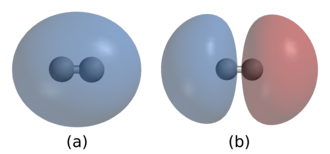
また、3次元的な分子構造を平面で表現するために、有機化学などでは機能基を強調した簡略表記や、立体的な方向を示す楔形結合などが使い分けられています。
強結合(一次結合)の詳細
強結合は、原子間で電子の移動や共有が起こる非常に強力な結びつきです。
イオン結合
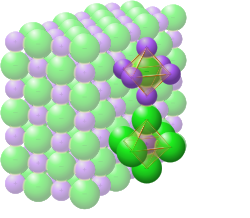
電気陰性度の差が非常に大きい(一般に1.7以上)原子間で起こります。一方が電子を完全に放出し、もう一方がそれを受け取ることで正負のイオンとなり、その間に強い静電引力が働きます。代表例は塩化ナトリウム(食塩)で、特定のペアではなく、正負のイオンが規則正しく配列した結晶構造を形成します。
共有結合
2つ以上の原子が価電子を共有することで形成される結合です。電気陰性度の差が小さい場合に起こりやすく、有機化合物の多くはこの結合で構成されています。電子が均等に共有される「非極性共有結合」と、一方に偏る「極性共有結合」に分けられます。
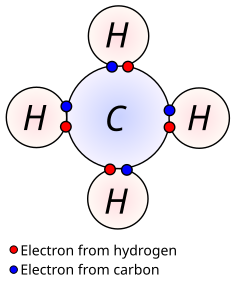
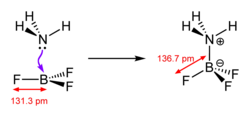
共有結合には、1対の電子を共有する単結合のほか、2対の二重結合、3対の三重結合があります。また、一方の原子が電子対を一方的に提供して形成される配位共有結合(配位結合)という特殊な形態もあり、これはルイス酸とルイス塩基の反応などで見られます。

金属結合
金属原子同士が、自由電子を共有することで形成される結合です。特定の原子間に固定されず、電子が全体を自由に動き回るため、高い電気伝導性や延性が生まれます。
主要な化学結合の特性まとめ
| 結合の種類 | 形成メカニズム | 主な特徴 | 代表例 |
|---|---|---|---|
| イオン結合 | 電子の完全な移動(静電引力) | 高い融点、結晶構造、水に溶けやすい | NaCl (塩化ナトリウム) |
| 共有結合 | 電子対の共有 | 方向性がある、強い結合力、多様な分子構造 | CH4 (メタン), H2O (水) |
| 金属結合 | 自由電子による結合 | 導電性、展延性、光沢 | Fe (鉄), Cu (銅) |
| 弱結合 | 分極による相互作用 | 結合力が弱く、物理的性質に影響 | 水素結合, ファンデルワールス力 |
Frequently Asked Questions
共有結合とイオン結合の決定的な違いは何ですか?
最大の違いは「電子の扱い」です。共有結合は2つの原子が電子を「分け合って」保持しますが、イオン結合は一方の原子からもう一方へ電子が「完全に移動」し、その結果生じた正負の電気的な引き付け合いで結合します。
電気陰性度は結合にどう影響しますか?
電気陰性度は原子が電子を引き寄せる強さのことです。この差が大きいほど電子の偏りが激しくなり、差が極めて大きい場合はイオン結合に、中程度の場合は極性共有結合に、ほとんど差がない場合は非極性共有結合になります。
配位結合とは普通の共有結合と何が違うのですか?
通常の共有結合は、結合に関わる両方の原子が電子を1つずつ出し合ってペアを作ります。一方、配位結合は、一方の原子(ルイス塩基)が持っている電子対を、もう一方の原子(ルイス酸)に一方的に提供することで形成される点が異なります。
なぜ「弱結合」があることが重要なのですか?
弱結合(二次結合)は、個々の分子をバラバラにせず、適度な距離で集める役割を果たします。これにより、物質の融点や沸点が決まり、またタンパク質の立体構造のような複雑な生物学的機能の維持にも不可欠な役割を担っています。
References
- Levine, Daniel S.; Head-Gordon, Martin (2020-09-29). "Clarifying the quantum mechanical origin of the covalent chemical bond". Nature Communications. 11 (1). Springer Science and Business Media LLC: 4893. :2020NatCo..11.4893L. :10.1038/s41467-020-18670-8. 2041-1723. 7524788. 32994392. 222157102.
- Pauling, L. (1931), "The nature of the chemical bond. Application of results obtained from the quantum mechanics and from a theory of paramagnetic susceptibility to the structure of molecules", , 53 (4): 1367–1400, :1931JAChS..53.1367P, :10.1021/ja01355a027
- Hund, F. (1928). "Zur Deutung der Molekelspektren. IV". Zeitschrift für Physik (in German). 51 (11–12): 759–795. :1928ZPhy...51..759H. :10.1007/BF01400239. 1434-6001. 121366097.
- Frenking, Gernot; Krapp, Andreas (2007-01-15). "Unicorns in the world of chemical bonding models". Journal of Computational Chemistry. 28 (1): 15–24. :2007JCoCh..28...15F. :10.1002/jcc.20543. 17109434. 7504671.
- Jensen, Frank (1999). Introduction to Computational Chemistry. John Wiley and Sons. .
- Pauling, Linus (1960). "The Concept of Resonance". The Nature of the Chemical Bond – An Introduction to Modern Structural Chemistry (3rd ed.). Cornell University Press. pp. 10–13. .
{{}}: ISBN / Date incompatibility () - Gillespie, R.J. (2004), "Teaching molecular geometry with the VSEPR model", Journal of Chemical Education, 81 (3): 298–304, :2004JChEd..81..298G, :10.1021/ed081p298
- Housecroft, Catherine E.; Sharpe, Alan G. (2005). Inorganic Chemistry (2nd ed.). Pearson Prentice-Hal. p. 100. .
- Rioux, F. (2001). "The Covalent Bond in H2". The Chemical Educator. 6 (5): 288–290. :10.1007/s00897010509a. 97871973.
- Housecroft, Catherine E.; Sharpe, Alan G. (2005). Inorganic Chemistry (2nd ed.). Pearson Prentice-Hal. p. 100. .
📸 フォトギャラリー