1876年6月25日から26日にかけて、モンタナ州のリトルビッグホーン川付近で、アメリカ合衆国陸軍と北米先住民の連合軍による激しい衝突が起こりました。この戦いは「グレートスー戦争」の一環であり、アメリカ軍のジョージ・アームストロング・カスター中佐率いる第7騎兵連隊が、ラコタ族、北チェイエン族、アラパホ族の連合軍に完敗したことで知られています。
この出来事は、単なる軍事的な敗北にとどまらず、アメリカの西部開拓史における象徴的な悲劇として、また先住民による最大規模の勝利の一つとして歴史に刻まれています。
主要な事実(Key Facts)
- 結果: ラコタ族、北チェイエン族、アラパホ族の連合軍による決定的な勝利。
- 米軍の損害: カスター中佐を含む第7騎兵連隊の約268名が戦死。
- 先住民側の戦力: 推定1,100名から2,500名の戦士が参戦。
- 象徴的な人物: 米軍側のカスター中佐、先住民側のシッティング・ブルやクレイジー・ホース。
- 戦術的要因: 米軍の過小評価と、先住民側の圧倒的な数および地形の利用。
戦いの背景と軍事展開
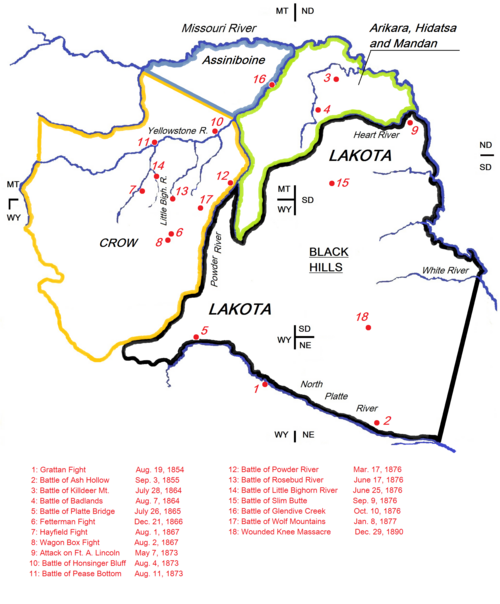
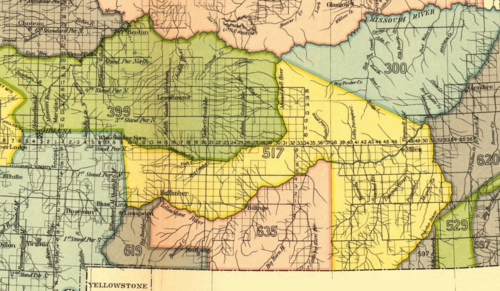
19世紀後半、アメリカ政府は先住民の居住地を制限し、彼らを保留地に集約させようとしました。しかし、聖なる地とされるブラックヒルズへの侵入や金鉱の発見により、緊張が高まっていました。1876年、米軍は大規模なキャンペーンを展開し、先住民の村を包囲して投降を迫る戦略を立てました。
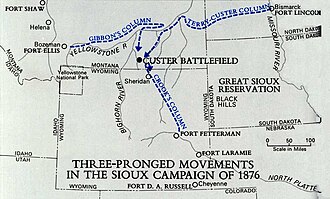
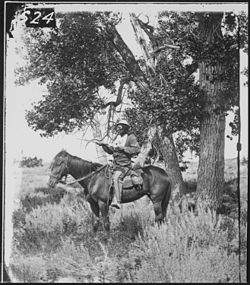
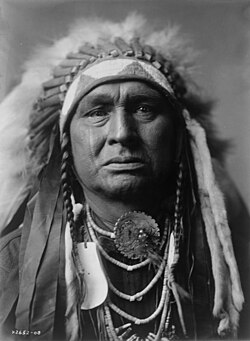
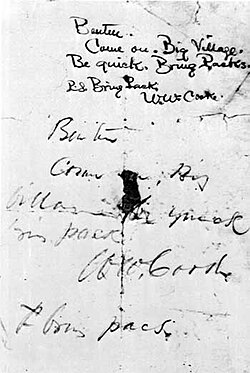
カスター中佐が率いた第7騎兵連隊は、偵察兵(スカウト)を伴い、敵の所在を確認しながら前進しました。彼らはクロウ族やアリカラ族のスカウトを雇い、地形や敵の動きに関する情報を得ていました。
米軍の組織と装備
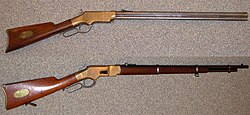
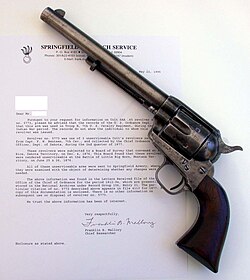
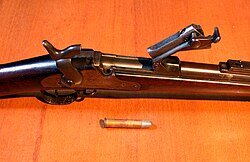
第7騎兵連隊は、カスター中佐、マーカス・レノ少佐、フレデリック・ベンティーン大尉の3つの部隊に分かれて行動しました。装備面では、単発式のスプリングフィールド・トラップドア・ライフルが主力でしたが、一部の将校や民間人は、より連射性能の高いレバーアクション式のヘンリーライフルやウィンチェスターライフルを所持していました。
また、カスター中佐は機動性を重視し、当時最新兵器であったガトリング砲の導入を拒否したと言われています。これは後の戦術的な議論の的となりました。
![The Gatling gun, invented in 1861 by Richard Gatling. Custer declined an offer of a battery of these weapons, explaining to Terry that they would "hamper our movements". Said Custer, "The Seventh can handle anything it meets."[144]](/images/7b/fc/7bfce92015f4042041ae3d4ce6f16085b42fb9b1c387ef75003fa7d5526fd806.jpg)
激突:リトルビッグホーンでの展開
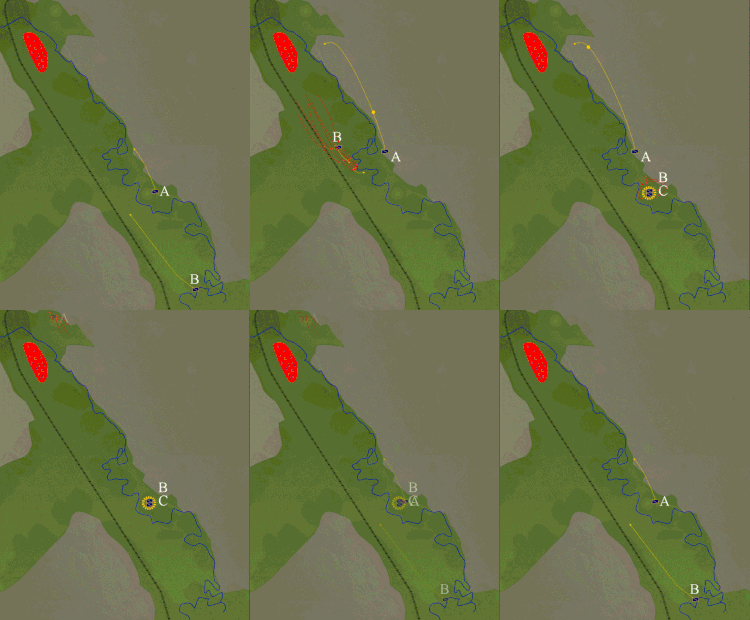
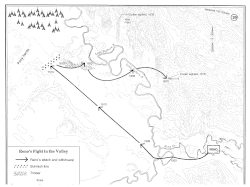
カスター中佐は、先住民の戦力が想定よりも遥かに多いことを認識していなかったと考えられています。彼は部隊を分散させ、攻撃を仕掛けましたが、これが致命的なミスとなりました。
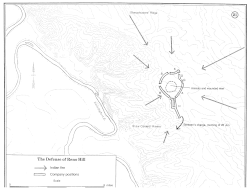
まずレノ少佐の部隊が攻撃を試みましたが、激しい抵抗に遭い、撤退を余儀なくされました。その後、レノ少佐はベンティーン大尉の部隊と合流し、丘の上で防御陣地を築いて耐え忍ぶことになります。
カスターの「最後の抵抗」
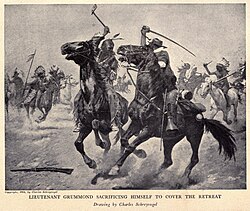
一方、カスター中佐率いる部隊は、孤立した状態で先住民の猛攻にさらされました。彼らは地形を利用して抵抗しましたが、数で圧倒され、最終的に全滅しました。この凄惨な最期は、後に多くの絵画や物語で「カスターの最後の抵抗(Last Stand)」として描かれることになります。
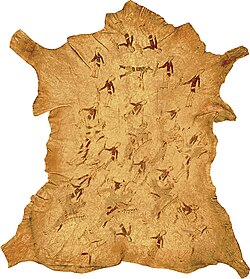
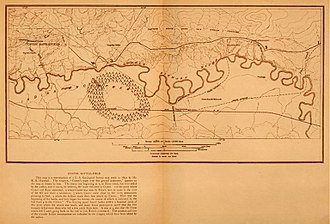
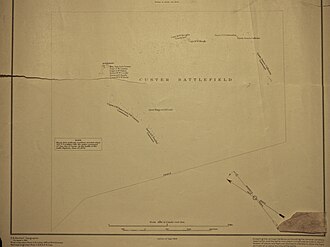
戦場には、米軍の部隊旗(ガイドン)や、兵士たちの遺体が散乱していました。後の調査により、兵士たちがどこで倒れたかが詳細に記録されています。
戦いの結末と影響
戦いの後、負傷者の搬送と敗北の知らせを運ぶため、蒸気船「ファー・ウェスト号」が急派されました。このニュースは全米に衝撃を与え、政府は先住民に対するさらなる軍事圧力を強めることとなりました。
![The shallow-draft steamer Far West was chartered by the Army to carry supplies for the Custer expedition. After the battle, captain and pilot Grant Marsh set a speed record bringing wounded men and news of the Custer disaster back to Fort Lincoln.[96][97]](/images/c2/ea/c2ea24414177df9cba87b8cc1f54cf3ac9ac550fba3e8c279a90bf248c59faad.jpg)
先住民側にとっても、この勝利は一時的な栄光でしたが、結果的に米軍の反撃を招き、最終的には多くの部族が保留地への移住を余儀なくされるという厳しい現実へとつながりました。
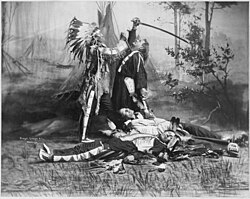
また、この戦いは大衆文化にも大きな影響を与え、ワイルドウェストショーなどの娯楽を通じて、脚色された形で語り継がれてきました。
戦いの概要まとめ
| 項目 | アメリカ合衆国陸軍 | 先住民連合軍 |
|---|---|---|
| 主要リーダー | ジョージ・A・カスター中佐 | シッティング・ブル、クレイジー・ホース |
| 参戦部隊/部族 | 第7騎兵連隊 | ラコタ、北チェイエン、アラパホ |
| 推定兵力 | 約700名(騎兵およびスカウト) | 1,100 〜 2,500名 |
| 主な損害 | 戦死 268名、負傷 55名 | 戦死 31 〜 100名、負傷 最大160名 |
| 結果 | 壊滅的敗北 | 決定的な勝利 |
よくある質問(FAQ)
なぜカスター中佐は敗北したのですか?
主な要因は、敵の兵力(戦士の数)を大幅に過小評価したこと、および部隊を分散させて攻撃したため、個々の部隊が数的に圧倒されたことにあります。
先住民側はどのような武器を使用していましたか?
伝統的な武器に加え、交易を通じて入手したリピーターライフル(連射可能な銃)を所有していました。これにより、米軍の単発式ライフルよりも高い射撃速度を実現していました。
ガトリング砲は戦いに影響しましたか?
カスター中佐は機動性を損なうとしてガトリング砲の導入を拒否しました。もしこの強力な火器があれば結果が変わったのではないかという議論が、後世の歴史家の間でなされています。
この戦いの後、先住民はどうなりましたか?
戦術的な勝利を収めたものの、米軍の怒りを買い、より大規模な追撃を受けることとなりました。最終的には多くの部族が土地を奪われ、保留地への移住を強制されました。
「最後の抵抗」とは何を指しますか?
カスター中佐とその直属の部隊が、包囲されながらも最後まで戦い、全滅した場面を指します。これはアメリカ史における悲劇的な象徴として広く知られています。
References
- Capt. Sheridan (Company L), the brother of Lt. Gen. , served only seven months in 1866–67 before becoming permanent aide to his brother but remained on the rolls until 1882. Capt. Ilsley (Company E) was aide to Maj. Gen from 1866 to 1879, when he finally joined his command. Capt. Tourtelotte (Company G) never joined the 7th. A fourth captain, Owen Hale (Company K), was the regiment's recruiting officer in St. Louis and rejoined his company immediately.
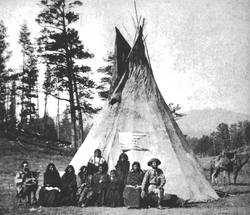
- were semi-nomadic peoples and had no permanent settlements off the (aka "Agencies). A "village" was a collection of , housing a group of Natives under the leadership of a chief, including those of tribes other than the chief's. A village would be created wherever a group stopped by simply erecting the tipis and could last from a single night to several weeks. Young warriors without a tipi would generally create or sleep in the open. When the chief decided that it was time to move on the villagers simply struck their tipis, tied the tipi poles to their horses so as to form a for their goods and children, and followed the chief. The term "village", therefore, refers to the group while moving or encamped.
- Villages were usually arrayed in U-shaped semi-circles open to the east; in multi-tribal villages, each tribe would erect their tipis in this manner separately from the other tribes but close to the other tribes. Sitting Bull's village was multi-tribal, consisted of "a thousand tipis [that] were assembled in six horseshoe-shaped semicircles", had a population of approx. 8000 people, and stretched over two miles end-to-end.
- Testimony of Yellow Nose.
- Reno Court of Inquiry.
- According to United States v. Sioux Nation of Indians, 448 U.S. 371 (1980), the US government had to pay just compensation and interest to the Sioux for taking the Black Hills. This case confirmed the court's view that the government can treat Indian reservations like private property and take them by if just compensation is paid.
- Major Elmer I. Otis of the was promoted to replace Custer effective June 25, 1876, but did not report until February 1877. Two 1876 West Point graduates designated for the 7th Cavalry were advanced to 1st lieutenant effective 10 days after their graduation. Four others appointed to other regiments, along with eight experienced 2nd lieutenants, were transferred and designated one to each company of the 7th. However, five declined the appointment, replaced by 2nd lieutenants of infantry and unappointed new officers in July and August 1876. Only three replacements were able to report while the 7th was still in the field.
- Twenty-three men were called to testify at the inquiry, which met in session daily except Sundays. For the army, far more was at stake than individual reputations, as the future of the service could be affected. On January 2, General Sheridan had quoted Lee's report of agent malfeasance in a supplement to his annual report, which continued the General's running battle with the and the . At the same time, a House committee was busy debating a new appropriations bill that required a major reorganization of the army. "Reduction of expenses" was emphasized. One proposal would lop off entire regiments, including two cavalry regiments. Another would set the line officers (those in the field) from Major down back a few years in the promotion schedule. The total reduction in officers was proposed to be 406, almost 25 percent of the total. The military strongly wanted to avoid confirmation of incompetency or cowardice—rumors of which were circulating around the impending court of inquiry in Chicago. Donovan (2008). A Terrible Glory (Kindle Locations 6395–6403)
- Libbie Custer "spent almost sixty years commemorating her marriage—and her memories of it quite literally kept her alive....she was quintessentially the professional widow, forcing it to become a very touchy matter for any military writer or officer to criticize Custer for having insanely launched an attack without taking the most elementary precautions or making even an attempt at reconnaissance. To say or write such put one in the position of standing against bereaved Libbie". Smith, Gene (1993) op cit.
-
- Terry's column out of Fort Abraham Lincoln included "...artillery (two Rodman and two Gatling guns)..."
📸 フォトギャラリー