Hammurabi (standing), depicted as receiving his royal insignia from Shamash (or possibly Marduk). Hammurabi holds his hands over his mouth as a sign of prayer[8] (relief on the upper part of the stele of Hammurabi's code of laws).
← ホームへ戻る
バビロニアメソポタミアハンムラビ法典バビロンアッカド語

バビロニアの歴史と文明メソポタミアを支配した古代国家の興亡

🗓 2026年8月11日

現在のイラクおよびシリアの一部にまたがるメソポタミア中南部に、かつてバビロニアという強大な国家が存在しました。紀元前1894年から紀元前539年まで続いたこの文明は、バビロン市を中心に発展し、アッカド語を話す人々によって築かれました。バビロニアは、単なる政治的な国家にとどまらず、法典、天文学、数学などの分野で後世に多大な影響を与えた文化的な中心地でもありました。

主要な事実(Key Facts)

  • 中心地: メソポタミア中南部のバビロン市。
  • 公用語: アッカド語、シュメール語、アラム語。
  • 主要な統治時代: 古バビロニア時代、カッシート時代、新バビロニア時代。
  • 歴史的功績: ハンムラビ王による法典の整備や、高度な天文学・数学の発展。
  • 終焉: 紀元前539年にアケメネス朝ペルシアによって征服された。

バビロニアの興隆と古バビロニア時代

バビロニアは紀元前1894年頃、アムル人が統治する国家として誕生しました。特に有名なのがハンムラビ王(紀元前1792年〜1752年頃)の時代です。彼は短期間ながらも広大な帝国を築き上げ、メソポタミアの覇権を握りました。この時代、国家はかつてのアッカド帝国の栄光を継承しようとし、「アッカドの国」とも呼ばれました。

ハンムラビ王の治世には、法による統治が確立されました。しかし、彼の死後、帝国は急速に弱体化し、南部の地域は「シーランド王朝」によって独立するなど、再び小規模な王国へと戻っていきました。

Hammurabi (standing), depicted as receiving his royal insignia from Shamash (or possibly Marduk). Hammurabi holds his hands over his mouth as a sign of prayer[8] (relief on the upper part of the stele of Hammurabi's code of laws).
Old Babylonian Cylinder Seal, hematite. The king makes an animal offering to Shamash. This seal was probably made in a workshop at Sippar.[37]
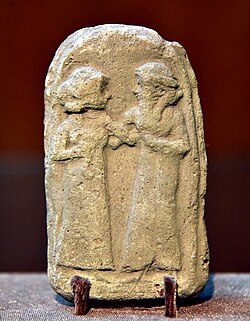
Man and woman, Old-Babylonian fired clay plaque from Southern Mesopotamia. Sulaymaniyah museum, Sulaymaniyah. Iraq

外圧と王朝の変遷:カッシートからアッシリアまで

紀元前1595年頃、ヒッタイトによるバビロン略奪を経て、カッシート人が統治する時代へと移行します。カッシート王朝は長期にわたって存続しましたが、北方の新興勢力であるアッシリアとの激しい対立にさらされました。アッシリアは次第に北バビロニアを侵食し、時にはバビロン市そのものを破壊して支配下に置きました。
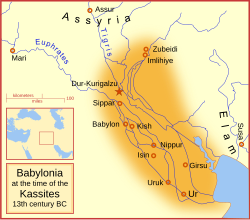
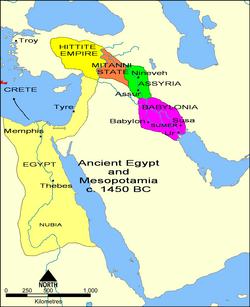
The extent of the Babylonian Empire during the Kassite dynasty.
Map of Mesopotamia c. 1450 BC
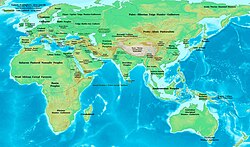
Map of Eurasia around 1300 BC showing the Babylonian Empire under the Kassite dynasty.

その後、紀元前1155年からはイシン第2王朝などの土着のアッカド語話者による統治が戻ります。ネブカドネザル1世は、かつて奪われたマルドゥク神像をエラムから奪還し、国家の威信を取り戻そうとしました。しかし、飢饉やアラム人の流入、そしてアッシリアの再侵攻により、再び混乱の時代へと突き進みます。
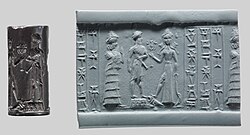
Cylinder seal, c. 18th–17th century BC. Babylonia.
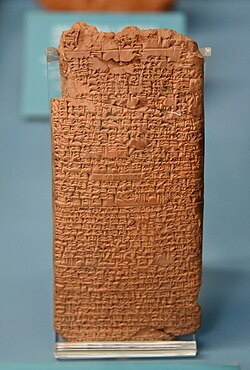
Medical recipe concerning poisoning. Terracotta tablet, from Nippur, Iraq, 18th century BC. Ancient Orient Museum, Istanbul

アッシリアの支配と新バビロニアの黄金時代

紀元前911年頃から、バビロニアは強力な新アッシリア帝国の支配下に置かれました。アッシリアの王たちはバビロンを直接統治し、時には都市を徹底的に破壊しましたが、エサルハドン王のように都市を再建し、平和をもたらそうとした統治者もいました。
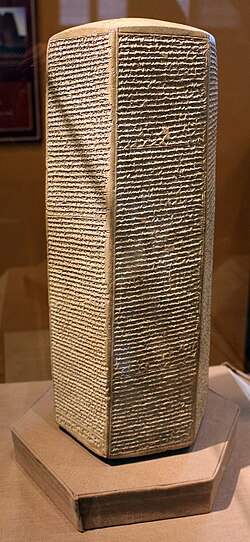
Prism of Sennacherib (705–681 BC), containing records of his military campaigns, culminating with Babylon's destruction. Exhibited at the Oriental Institute of the University of Chicago.
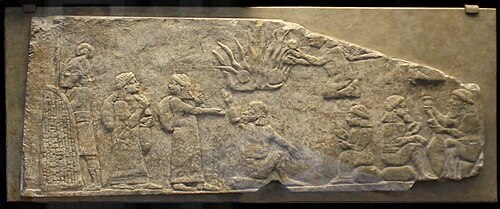
Babylonian prisoners under the surveillance of an Assyrian guard, reign of Ashurbanipal 668–630 BC, Nineveh, British Museum ME 124788

アッシリアが内乱で弱体化した紀元前626年、カルデア人のナボポラッサルが反旗を翻し、新バビロニア帝国(カルデア帝国)を建国しました。特にネブカドネザル2世の時代には、バビロン市は世界で最も壮麗な都市へと変貌し、建築や文化が頂点に達しました。
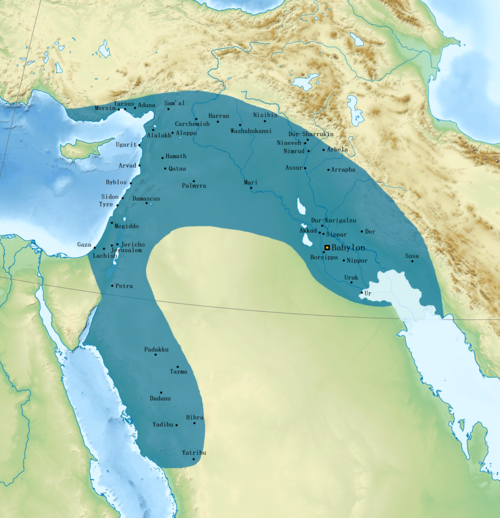
The Neo-Babylonian Empire.
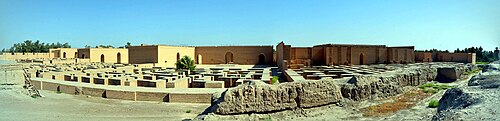
Panorama view of the reconstructed Southern Palace of Nebuchadnezzar II, 6th century BC, Babylon, Iraq.
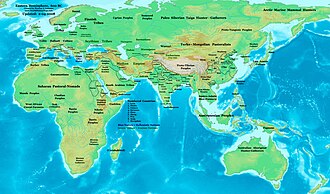
Eurasia around 600 BC, showing Neo-Babylonian Empire (Chaldean Empire) and its neighbors.

帝国の終焉とその後

新バビロニアの繁栄も長くは続きませんでした。紀元前539年、アケメネス朝ペルシアによってバビロンは陥落し、独立した国家としての歴史に幕を閉じます。その後、アレクサンドロス大王による征服を経て、セレウコス朝、パルティア、そしてローマやササン朝へと支配者が移り変わっていきました。
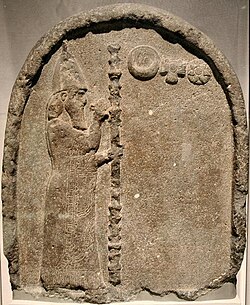
Stele of Nabonidus exhibited in the British Museum. The king is shown praying to the Moon, the Sun and Venus and is depicted as being the closest to the Moon.
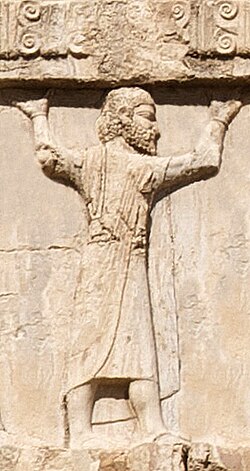
Babylonian soldier of the Achaemenid army, circa 480 BC. Relief of the tomb of Xerxes I.

バビロニア文明の概要まとめ

バビロニアの歴史的変遷
時代 主な特徴・統治者 主要な出来事
古バビロニア時代 ハンムラビ王 法典の整備、短期間の帝国形成
カッシート時代 カッシート人 長期安定とアッシリアとの対立
中バビロニア時代 ネブカドネザル1世 エラムからの神像奪還、アラム人の流入
新バビロニア時代 ネブカドネザル2世 バビロン市の再建、文化の黄金期

よくある質問(FAQ)

バビロニアとアッシリアの違いは何ですか?

どちらもメソポタミアのアッカド語圏の文明ですが、バビロニアは主に南部のバビロンを中心に発展し、文化や宗教的な権威を重視しました。一方、アッシリアは北部の都市アッシュールを中心に発展し、強力な軍事力による帝国拡大を特徴としていました。

ハンムラビ法典とはどのようなものでしたか?

ハンムラビ王が制定した法典で、「目には目を、歯には歯を」という同害復讐法で知られています。これは社会の秩序を維持し、弱者を保護することを目的とした、人類史上極めて初期の成文化された法律の一つです。

新バビロニア帝国の全盛期はいつですか?

紀元前6世紀、ネブカドネザル2世の治世が全盛期とされています。この時期にバビロン市は大規模に再建され、建築や天文学、数学などの学問が非常に高度に発展しました。

バビロニアは最終的にどのように滅びましたか?

紀元前539年、ペルシア帝国(アケメネス朝)のキュロス2世によって征服されました。これにより、独立したバビロニア国家としての歴史は終了し、ペルシア帝国の州の一つとなりました。

References

  1. Freedom = Akk. addurāru.

📸 フォトギャラリー

Hammurabi (standing), depicted as receiving his royal insignia from Shamash (or possibly Marduk). Hammurabi holds his hands over his mouth as a sign of prayer[8] (relief on the upper part of the stele of Hammurabi's code of laws).
Cylinder seal, c. 18th–17th century BC. Babylonia.
The extent of the Babylonian Empire during the Kassite dynasty.
Map of Mesopotamia c. 1450 BC
Map of Eurasia around 1300 BC showing the Babylonian Empire under the Kassite dynasty.
Prism of Sennacherib (705–681 BC), containing records of his military campaigns, culminating with Babylon's destruction. Exhibited at the Oriental Institute of the University of Chicago.
Babylonian prisoners under the surveillance of an Assyrian guard, reign of Ashurbanipal 668–630 BC, Nineveh, British Museum ME 124788
The Neo-Babylonian Empire.
Panorama view of the reconstructed Southern Palace of Nebuchadnezzar II, 6th century BC, Babylon, Iraq.
Stele of Nabonidus exhibited in the British Museum. The king is shown praying to the Moon, the Sun and Venus and is depicted as being the closest to the Moon.
Eurasia around 600 BC, showing Neo-Babylonian Empire (Chaldean Empire) and its neighbors.
Babylonian soldier of the Achaemenid army, circa 480 BC. Relief of the tomb of Xerxes I.
Old Babylonian Cylinder Seal, hematite. The king makes an animal offering to Shamash. This seal was probably made in a workshop at Sippar.[37]
Man and woman, Old-Babylonian fired clay plaque from Southern Mesopotamia. Sulaymaniyah museum, Sulaymaniyah. Iraq
Medical recipe concerning poisoning. Terracotta tablet, from Nippur, Iraq, 18th century BC. Ancient Orient Museum, Istanbul