Period drawing of Montgolfier hot air balloon that made the first confirmed flight by man in 1783
← ホームへ戻る

航空史の金字塔人類が空を征服した「世界初」の記録

🗓 2026年8月14日

人類が大地を離れ、空へと舞い上がった歴史は、数え切れないほどの挑戦と革新の連続でした。初期の気球による浮遊から、現代の超音速飛行に至るまで、航空技術は驚異的なスピードで進化してきました。本記事では、航空の歴史を塗り替えた決定的な「世界初」の瞬間を辿り、私たちがどのようにして空の覇者となったのかを解説します。

Key Facts

  • 1783年: モンゴルフィエ兄弟による人類初の有人気球飛行が実現。
  • 1903年: ライト兄弟が動力付き航空機による初の制御された持続的飛行に成功。
  • 1927年: チャールズ・リンドバーグがニューヨークからパリまで初の単独無着陸横断飛行を達成。
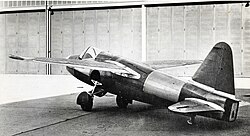
  • 1939年: ハインケル He 178が世界初のターボジェット機として飛行。
  • 1947年: ベル X-1が人類で初めて音速(マッハ1)の壁を突破。
  • 1988年: トゥポレフ Tu-155が水素のみを燃料とした初の飛行に成功。

空への第一歩:軽航空機(エアロスタット)の時代

動力付き飛行機が登場する前、人類は空気より軽いガスを利用して空へ浮かび上がりました。1783年のモンゴルフィエ兄弟による飛行は、有人飛行の時代の幕開けとなりました。
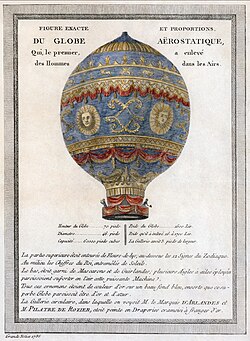
Period drawing of Montgolfier hot air balloon that made the first confirmed flight by man in 1783

その後、気球や飛行船はさらなる進化を遂げます。1799年にはジャンヌ・ジュヌヴィエーヴ・ラブロスが高度約900メートルからパラシュートで飛び降りるという、女性初の快挙を成し遂げました。また、1923年にはUSSシェナンドーがヘリウム充填の硬式飛行船として初の飛行を記録しています。
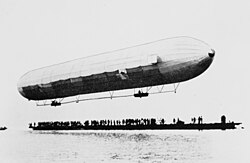
Zeppelin LZ 1, first rigid airship to fly, 1900

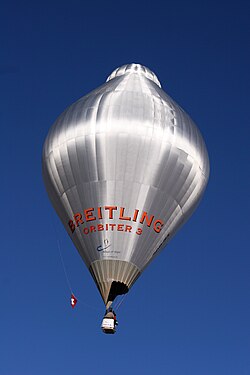
航空技術の探求は地球外へとも及びました。1985年、ソ連のベガ1号が金星の大気圏内で飛行し、人類が作った物体として初めて他惑星での飛行を実現しました。また、1999年にはベルトラン・ピカールとブライアン・ジョーンズが「ブライトリング・オービター3」に乗り込み、19日余りで世界初の無着陸気球世界一周を達成しました。
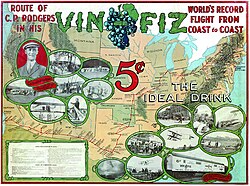
Armour Company poster showing Calbraith Perry Rodgers's Vin Fiz Flyer transcontinental flight route, 1911
The Breitling Orbiter 3 in which the first non-stop balloon circumnavigation was achieved in 1999

動力飛行の夜明け:パイオニア時代(1853年〜1914年)

19世紀後半から20世紀初頭にかけて、空気より重い物体を飛ばす「エアロダイン」の研究が加速しました。初期の試行錯誤の中には、11世紀の修道士エイルマーのような先駆的な試みもありました。
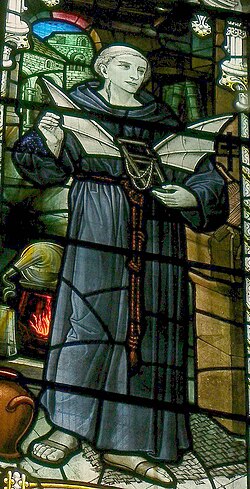
1920 Stained glass window of the monk Eilmer of Malmesbury holding his wings (early 11th century)

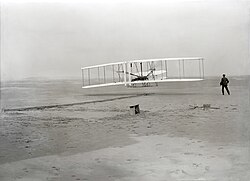
1890年代にはオットー・リリエンタールがグライダーによる飛行を繰り返し、航空力学の基礎を築きました。そして1903年12月17日、オーヴィル・ライトが「ライトフライヤー」で37メートルの飛行に成功し、動力付き航空機による初の制御された持続的飛行という歴史的瞬間を刻みました。
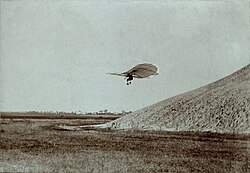
Otto Lilienthal in mid-flight, c. 1895
The Wright brothers' Wright Flyer making the first controlled, sustained flight of a powered airplane in 1903. Orville piloting while Wilbur observes

その後、飛行技術は急速に実用化へと向かいます。1906年にはトライアン・ヴイアが空気入りタイヤを装着した機体で飛行し、同年にはアルベルト・サントス・デュモンがFAI(国際航空連盟)認定の初の飛行を達成しました。1909年にはルイ・ブレリオが飛行機で英仏海峡を横断し、世界にその可能性を証明しました。
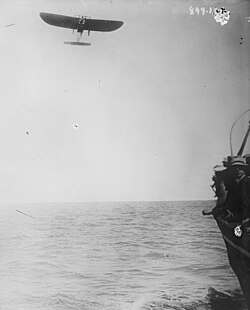
Louis Blériot crossing the English Channel, 1909

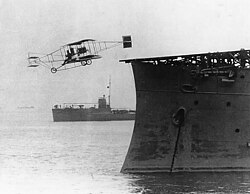
さらに、1910年代には航空機の用途が拡大します。ユージン・バートン・エリーによる初の艦上離陸や、ピョートル・ネステロフによる初のループ飛行など、操縦技術が飛躍的に向上しました。1914年には、トニー・ジャナスが有料旅客を乗せてサンクトペテルブルクからタンパまでを飛び、世界初の定期商業便が運行されました。
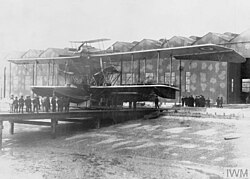
Felixstowe Porte Baby with Bristol Scout composite before flight, 1916
Eugene Burton Ely making the first shipboard takeoff from the USS Birmingham in 1910
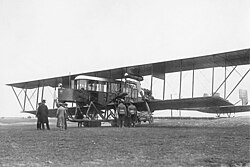
First four-engine aircraft to fly, the Sikorsky Bolshoi Baltiskiy, after two of the engines had been moved out on the wings, 1910
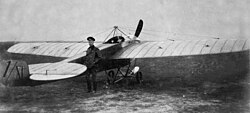
Pyotr Nesterov with the Nieuport IV.G he looped in 1913

実用化と冒険の時代(1914年〜1938年)

第一次世界大戦前後、航空機は軍事的な価値を高めると同時に、地球規模の冒険の道具となりました。1915年にはクルト・ヴィントゲンスが航空機からの攻撃を行い、1918年には航空母艦から発進したソッピース・キャメルがツェッペリン飛行船を撃墜しました。
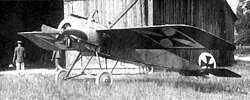
Kurt Wintgens' Fokker M.5K/MG used on July 1, 1915
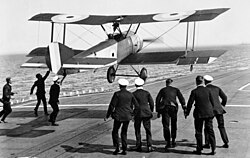
Edwin Dunning landing a Sopwith Pup on HMS Furious in 1917

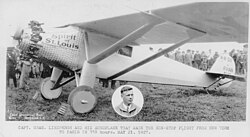
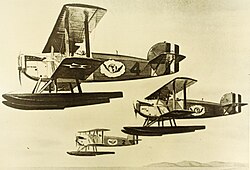
長距離飛行への挑戦も相次ぎました。1919年にはNC-4がニューヨークからプリマスまで大西洋を横断し、1924年にはポルトガルから中国への長距離飛行が達成されました。1927年にはチャールズ・リンドバーグが「スピリット・オブ・セントルイス」でニューヨークからパリまでを単独無着陸で結び、世界的な英雄となりました。
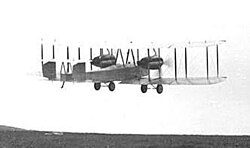
Alcock and Brown beginning their non-stop transatlantic flight in their Vickers Vimy, 1919
USAAS Douglas World Cruisers on their world circumnavigation flight in 1924
Charles Lindbergh and his monoplane the Spirit of St. Louis that made the non-stop flight from New York to Paris on May 21, 1927

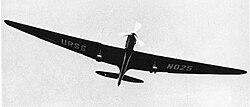
女性の活躍も目覚ましく、1932年にはアメリア・イヤーハートが大西洋単独横断に成功しました。また、1937年にはトゥポレフ ANT-25RDが初の極地横断飛行を完遂し、人類の到達圏を極限まで広げました。
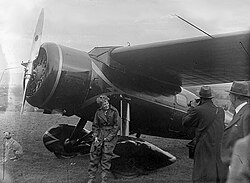
Amelia Earhart with the Lockheed Vega 5B she crossed the Atlantic in May 1932
Tupolev ANT-25RD which completed the first polar crossing in 1937

ジェット時代の到来と現代への進化(1939年〜現在)

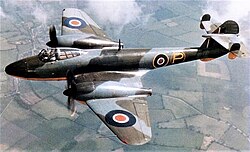
第二次世界大戦を前に、航空機はプロペラからジェットエンジンへと移行します。1939年、ハインケル He 178が世界初のターボジェット機として空を舞いました。その後、1945年には世界初のターボプロップ機であるグロスター・メテオ F.Iが登場します。
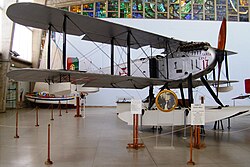
Fairey III.D that completed the first crossing of the South Atlantic in 1922
Heinkel He 178, the first turbojet-powered aircraft to fly
First turboprop to fly, the Gloster Meteor F.I powered by two Rolls-Royce Trent turboprops in 1945

戦後、速度への追求は加速し、1947年10月14日、チャック・イェーガーがベル X-1で音速の壁(マッハ1)を突破しました。1953年にはスコット・クロスフィールドがマッハ2を超え、航空機は超音速の領域へと突入しました。
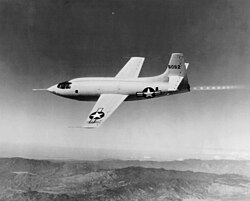
Bell X-1, first aircraft confirmed to have exceeded Mach 1, flown by Chuck Yeager on October 14, 1947

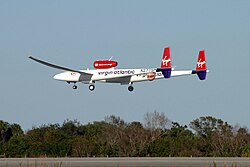
現代では、環境負荷の低減や新燃料への挑戦が続いています。1988年にはトゥポレフ Tu-155が水素燃料のみでの飛行に成功し、2005年にはスティーブ・フォセットが「グローバルフライヤー」で単独無着陸の世界一周を達成しました。そして2025年、ブーム・スーパーソニック社のXB-1が、民間開発の機体として初めて音速を突破し、新たな時代の幕開けを告げました。
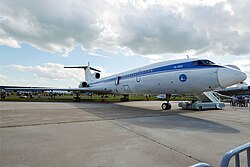
Tupolev Tu-155, the first aircraft to fly solely on hydrogen
The Virgin Atlantic GlobalFlyer that Steve Fossett piloted solo around the world non-stop in 2005

航空史の主要記録まとめ

航空史における重要な「世界初」の記録
カテゴリー 達成内容 機体・人物
軽航空機 有人気球による初飛行 1783 モンゴルフィエ兄弟
動力飛行 制御された持続的飛行 1903 ライト兄弟(ライトフライヤー)
長距離 単独無着陸大西洋横断 1927 C.リンドバーグ
推進方式 ターボジェット機による飛行 1939 ハインケル He 178
速度 音速(マッハ1)突破 1947 チャック・イェーガー(ベル X-1)
新燃料 水素燃料のみでの飛行 1988 トゥポレフ Tu-155

Frequently Asked Questions

世界で初めて動力付き飛行機で飛んだのは誰ですか?

1903年12月17日にオーヴィル・ライトが「ライトフライヤー」を用いて、制御された持続的な動力飛行に初めて成功しました。

音速の壁を最初に突破したのはいつ、誰ですか?

1947年10月14日に、チャック・イェーガーがベル X-1に搭乗し、人類で初めてマッハ1を超える速度を記録しました。

女性として初めて大西洋を単独横断したのは誰ですか?

1932年5月にアメリア・イヤーハートがロックヒード・ベガ 5Bに搭乗し、大西洋の単独横断を達成しました。

世界初のジェット機は何という機体ですか?

1939年8月27日に飛行したドイツの「ハインケル He 178」が、世界初のターボジェット推進機とされています。

民間企業が開発した機体で音速を超えた例はありますか?

はい。2025年1月28日に、ブーム・スーパーソニック社のXB-1がマッハ1.122に達し、民間開発の機体として初めて音速を突破しました。

References

  1. Unless specified, most circumnavigation flights were not done along the greatest distance, at the equator, but merely crossed all lines of longitude – often at high latitudes, and as far north as possible.
  2. Points on opposite sides of the globe

📸 フォトギャラリー

Period drawing of Montgolfier hot air balloon that made the first confirmed flight by man in 1783
1920 Stained glass window of the monk Eilmer of Malmesbury holding his wings (early 11th century)
Zeppelin LZ 1, first rigid airship to fly, 1900
The Breitling Orbiter 3 in which the first non-stop balloon circumnavigation was achieved in 1999
Otto Lilienthal in mid-flight, c. 1895
The Wright brothers' Wright Flyer making the first controlled, sustained flight of a powered airplane in 1903. Orville piloting while Wilbur observes
Louis Blériot crossing the English Channel, 1909
Eugene Burton Ely making the first shipboard takeoff from the USS Birmingham in 1910
Armour Company poster showing Calbraith Perry Rodgers's Vin Fiz Flyer transcontinental flight route, 1911
First four-engine aircraft to fly, the Sikorsky Bolshoi Baltiskiy, after two of the engines had been moved out on the wings, 1910
Pyotr Nesterov with the Nieuport IV.G he looped in 1913
Edwin Dunning landing a Sopwith Pup on HMS Furious in 1917
Kurt Wintgens' Fokker M.5K/MG used on July 1, 1915
Felixstowe Porte Baby with Bristol Scout composite before flight, 1916
Alcock and Brown beginning their non-stop transatlantic flight in their Vickers Vimy, 1919
Fairey III.D that completed the first crossing of the South Atlantic in 1922
USAAS Douglas World Cruisers on their world circumnavigation flight in 1924
Charles Lindbergh and his monoplane the Spirit of St. Louis that made the non-stop flight from New York to Paris on May 21, 1927
Amelia Earhart with the Lockheed Vega 5B she crossed the Atlantic in May 1932
Tupolev ANT-25RD which completed the first polar crossing in 1937
Heinkel He 178, the first turbojet-powered aircraft to fly
First turboprop to fly, the Gloster Meteor F.I powered by two Rolls-Royce Trent turboprops in 1945
Bell X-1, first aircraft confirmed to have exceeded Mach 1, flown by Chuck Yeager on October 14, 1947
Tupolev Tu-155, the first aircraft to fly solely on hydrogen
The Virgin Atlantic GlobalFlyer that Steve Fossett piloted solo around the world non-stop in 2005