宇宙空間において、天体同士が激突するインパクトイベント(天体衝突)は、惑星系の形成と進化に不可欠なプロセスです。多くの場合、小惑星や彗星、流星体による小規模な衝突であり、その影響は限定的ですが、巨大な天体が地球のような岩石惑星に衝突した際は、地質学的・生物学的に壊滅的な変化をもたらします。
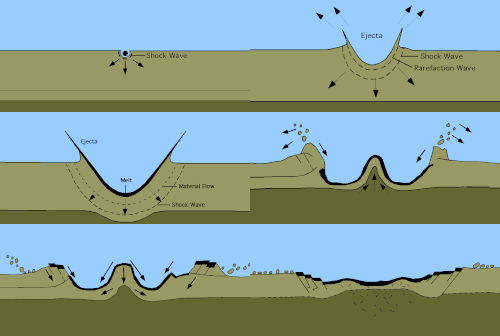
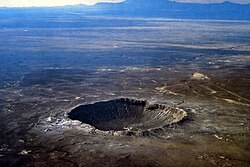
地球に到達する天体は、最低でも秒速11.2km(地球の脱出速度)という猛烈な速さで移動しています。大気圏に突入する際、一部の天体は摩擦熱で燃え尽きますが、十分な質量を持つものは地表まで到達し、巨大なクレーターを形成します。こうした衝突の痕跡は太陽系全域に見られ、宇宙における衝突の頻度と規模を物語る強力な証拠となっています。
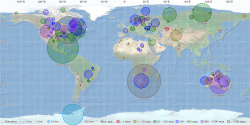
Key Facts
- 衝突速度:地球への最小衝突速度は秒速11.2kmであり、平均して秒速17kmに達します。
- 頻度とサイズ:直径1kmの小惑星は約50万年に一度、5kmのものは約2,000万年に一度衝突すると推定されています。
- 生物への影響:6,600万年前のチクシュルーブ衝突は、恐竜などの大量絶滅を引き起こし、哺乳類の台頭を促しました。
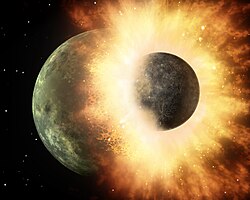
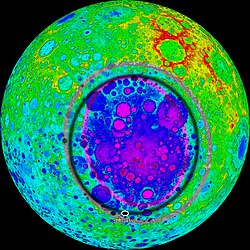
- 惑星形成:月は、地球に火星サイズの天体が衝突して形成されたという説(ジャイアント・インパクト説)が有力です。
宇宙の歴史を塗り替えた巨大衝突
天体衝突は単なる破壊現象ではなく、生命の種や水を地球にもたらした可能性が指摘されています(パンスペルミア説)。また、天王星や金星の逆回転といった特異な自転軸も、過去の巨大衝突による影響と考えられています。
地球上の主要な衝突事例
地球の歴史には、地表の姿を劇的に変えたイベントが刻まれています。約20億年前の南アフリカにあるヴレデフォート衝突や、約18.49億年前のカナダのサドベリー衝突は、直径10〜15km級の天体によるもので、世界規模に破片を飛散させました。
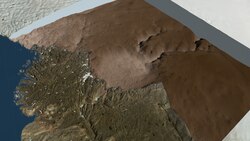
また、グリーンランドのヒアワサ氷河の下には、約5,800万年前の直径31kmのクレーターが隠されており、金属製小惑星による地球規模の影響があったとされています。
大量絶滅と進化の転換点
最も有名な事例は、白亜紀末のチクシュルーブ衝突です。このイベントは生物圏に壊滅的な打撃を与えましたが、同時に哺乳類が進化し、最終的に人類が登場するための環境を整える結果となりました。
現代における衝突リスクと観測
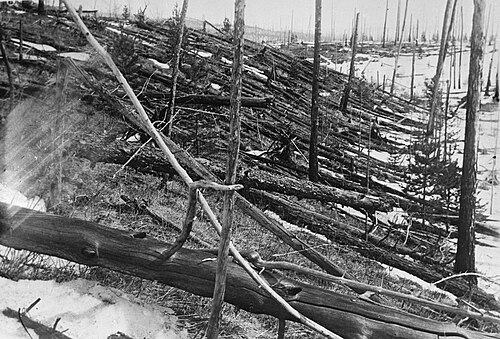
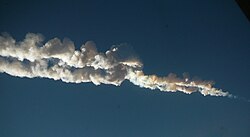
記録に残る歴史の中でも、多くの衝突やボライド(大気圏で爆発する極めて明るい火球)が報告されています。1908年のトゥングースカ大爆発は、地表から6〜10km上空で爆発し、広大な森林をなぎ倒しました。また、2013年のチェリャビンスク隕石は、現代において多数の負傷者を出した稀な事例です。
衝突のエネルギーを決定する要因
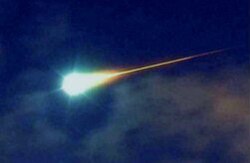
衝突による破壊力は、天体の直径、密度、速度、および衝突角度によって決まります。最も可能性の高い衝突角度は45度とされており、大気圏での爆発(エアバースト)か、地表への直接衝突かによって被害の形態が異なります。
予測と防御の取り組み
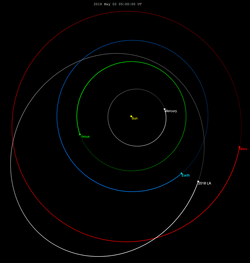
天文学者たちは、軌道データを分析することで将来の衝突を予測しています。例えば、2018 LAのような小惑星の軌道計算により、衝突の可能性を事前に把握することが可能です。また、NASAのDARTミッションのように、意図的に天体に衝突させて軌道を変更させる実験も行われています。
太陽系および系外惑星での衝突
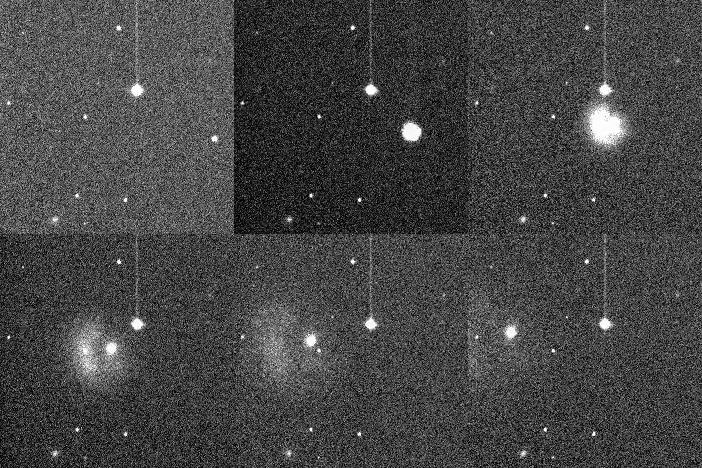
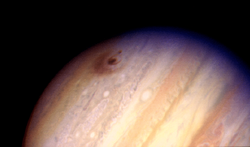
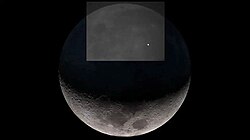
衝突現象は地球以外でも頻繁に起きています。1994年にシューメーカー・レヴィ9彗星が木星に衝突した際は、人類が初めて他天体への衝突を直接観測する機会となりました。また、月面では2013年に30cmほどの隕石が秒速25kmで衝突し、20mのクレーターを作ったことが確認されています。
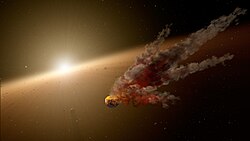
さらに、太陽系外でも衝突は起きています。2013年には、星団NGC 2547の恒星ID8の周囲で、巨大な地球型惑星による衝突が検出されました。
その他の観測事例
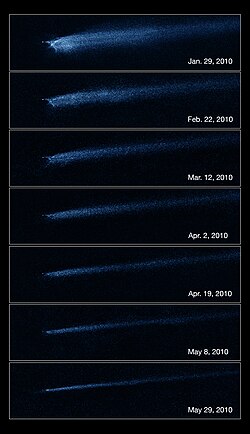
火星では2021年に複数のクレーターが形成され、最大で直径130mに達するものがありました。また、小惑星P/2010 A2の破片の進化から、より小さな小惑星との衝突が推測されています。
衝突規模と頻度のまとめ
天体のサイズが大きくなるほど、衝突頻度は劇的に減少します。以下の表は、想定される天体サイズごとの影響と頻度の目安です。
| 天体直径 | 主な現象 | 推定頻度 | 影響範囲 |
|---|---|---|---|
| 4m 〜 85m | エアバースト(空中爆発) | 1.3年 〜 3,300年 | 局所的な衝撃波・損壊 |
| 100m 〜 400m | クレーター形成 | 5,200年 〜 10万年 | 地域的な壊滅的被害 |
| 1km | 大規模衝突 | 約50万年に一度 | 広域的な環境変化 |
| 5km | 巨大衝突 | 約2,000万年に一度 | 地球規模の生物圏への影響 |
| 10km以上 | 超巨大衝突 | 数千万年〜億年単位 | 大量絶滅の誘発 |
Frequently Asked Questions
小惑星が地球に衝突する頻度はどのくらいですか?
非常に小さな天体は日常的に衝突していますが、被害をもたらす規模のものは稀です。直径1kmの小惑星は約50万年に一度、5km以上のものは約2,000万年に一度の頻度で衝突すると考えられています。
エアバーストとは何ですか?
天体が地表に到達する前に、大気圏との摩擦や圧力によって空中的に爆発する現象です。1908年のトゥングースカ大爆発や2013年のチェリャビンスク隕石がその代表例です。
天体衝突が生命の進化に寄与したというのは本当ですか?
はい。衝突によって水や有機物が地球に運ばれたという説があるほか、チクシュルーブ衝突のような大量絶滅イベントが、生き残った哺乳類の急速な進化と多様化を促したと考えられています。
現代の科学で天体衝突を防ぐことはできますか?
研究が進んでいます。NASAのDARTミッションのように、探査機を衝突させて小惑星の軌道をわずかに変えることで、将来的な衝突を回避する手法が検討・検証されています。
地球以外で衝突が観測されたことはありますか?
多くあります。木星へのシューメーカー・レヴィ9彗星の衝突や、月面・火星面での小規模なクレーター形成が現代の観測機器によって捉えられています。
References
- Rumpf, Clemens M.; Lewis, Hugh G.; Atkinson, Peter M. (19 April 2017). "Asteroid impact effects and their immediate hazards for human populations". Geophysical Research Letters. 44 (8): 3433–3440. :1703.07592. :2017GeoRL..44.3433R. :10.1002/2017gl073191. 0094-8276. 34867206.
- Koeberl, Christian; Sharpton, Virgil L. "Terrestrial Impact Craters, Second Edition". . Retrieved 27 January 2024.
- Bergstralh, Jay T.; Miner, Ellis; Matthews, Mildred (1991). Uranus. University of Arizona Press. pp. 485–86. .
- Tytell, David (10 October 2006). "Why Doesn't Venus Have a Moon?". . Retrieved 7 January 2016.
{{}}: CS1 maint: deprecated archival service () - Musser, George (10 October 2006). "Double Impact May Explain Why Venus Has No Moon". . Archived from the original on 26 September 2007. Retrieved 7 January 2016.
- Becker, Luann (2002). "Repeated Blows". Scientific American. 286 (3): 76–83. :2002SciAm.286c..76B. :10.1038/scientificamerican0302-76. 11857903.
- Hughes, Jonathan J.; Berv, Jacob S.; Chester, Stephen G. B.; Sargis, Eric J.; Field, Daniel J. (11 October 2021). "Ecological selectivity and the evolution of mammalian substrate preference across the K–Pg boundary". Ecology and Evolution. 11 (21). Wiley: 14540–14554. :2021EcoEv..1114540H. :10.1002/ece3.8114. 2045-7758. 8571592. 34765124.
- Lewis, John S. (1996), Rain of Iron and Ice, Helix Books (Addison-Wesley), p. 236,
- Wall, Mike (28 August 2014). "Smash! Aftermath of Colossal Impact Spotted Around Sunlike Star". Space.com.
- Homer, Aaron (28 April 2018). "Earth Will Be Hit by an Asteroid with 100 Percent Certainty, Says Space-Watching Group B612 – The group of scientists and former astronauts is devoted to defending the planet from a space apocalypse". . Archived from the original on 24 January 2020. Retrieved 28 April 2018.
📸 フォトギャラリー