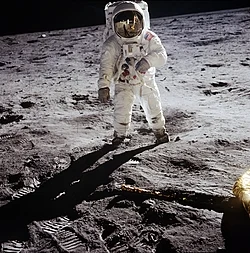
Astronaut Buzz Aldrin, standing on the Moon
← ホームへ戻る
アポロ計画NASA月面着陸サターンVニール・アームストロング

アポロ計画:人類を月へと導いた壮大な宇宙探査の軌跡

🗓 2026年8月10日

1960年代、世界は激しい宇宙開発競争の渦中にありました。その頂点に君臨したのが、アメリカ航空宇宙局(NASA)によるアポロ計画です。この計画は、単なる技術的な挑戦ではなく、人類が初めて地球以外の天体に足跡を刻むという、種としての限界を突破する壮大なプロジェクトでした。

1961年、ジョン・F・ケネディ大統領は、10年以内に人間を月に着陸させ、安全に地球へ帰還させるという野心的な目標を掲げました。この宣言が、後の歴史を塗り替える一連のミッションの号砲となりました。
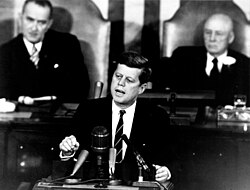
President John F. Kennedy addresses a joint session of Congress, with Vice President Lyndon B. Johnson and House Speaker Sam Rayburn seated behind him

Key Facts

  • 実施期間:1961年から1972年まで
  • 総費用:約254億ドル(1973年時点)
  • 最大の成果:計6回の有人月面着陸を達成
  • 主要機材:サターンVロケット、コマンド・サービスモジュール(CSM)、月着陸船(LM)
  • 象徴的出来事:1969年7月20日、ニール・アームストロングによる人類初の月面歩行

月への道を切り拓いた技術と戦略

ミッション方式の決定と設計

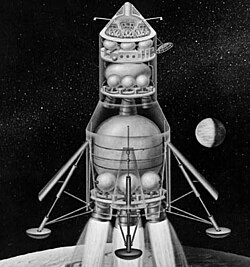
月へ到達するためには、膨大な燃料と重量の壁を乗り越える必要がありました。そこで採用されたのが月軌道ランデブー(LOR)という方式です。これは、すべての機材を月面に降ろすのではなく、司令船を月軌道に待機させ、小型の着陸船だけを月面に派遣して再び合流させる効率的な手法でした。
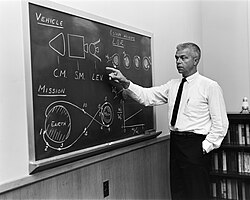
John Houbolt explaining the LOR concept
An early Apollo configuration for Direct Ascent and Earth Orbit Rendezvous, 1961

宇宙船とロケットの構成

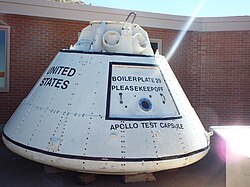
アポロ計画を支えたのは、当時の最高技術を凝縮したハードウェアでした。乗組員の居住区となるコマンドモジュールと推進力を担うサービスモジュール、そして月面への降下と離陸に特化した月着陸船(LM)が組み合わされました。
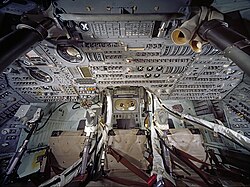
Original cockpit of the command module of Apollo 11 with three seats, photographed from above. It is located in the National Air and Space Museum; the very high resolution image was produced in 2007 by the Smithsonian Institution.
An Apollo boilerplate command module is on exhibit in the Meteor Crater Visitor Center in Winslow, Arizona.

これらの宇宙船を月まで運んだのが、史上最強のロケットであるサターンVです。また、開発段階ではリトルジョーIIやサターンI、サターンIBといった多様なロケットがテストに投入され、安全性の検証が行われました。
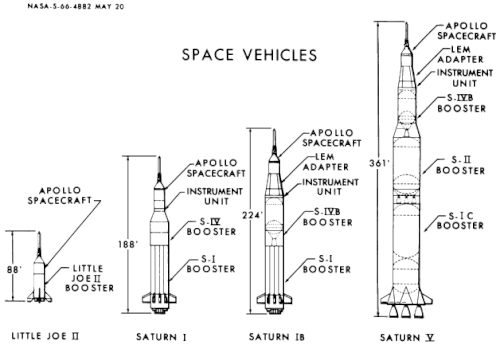
Four Apollo rocket assemblies, drawn to scale: Little Joe II, Saturn I, Saturn IB, and Saturn V
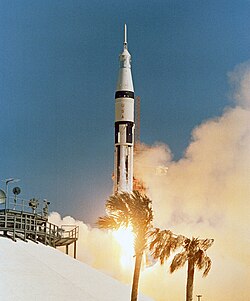
A Saturn IB rocket launches Apollo 7, 1968
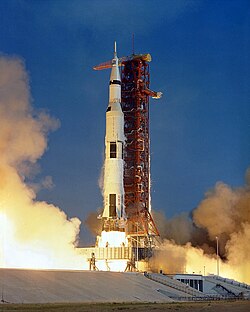
A Saturn V rocket launches Apollo 11, 1969

困難と悲劇を乗り越えた開発史

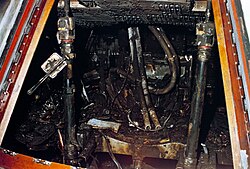
成功への道のりは決して平坦ではありませんでした。1967年、地上訓練中に発生したアポロ1号の火災事故により、3名の宇宙飛行士が犠牲となる悲劇に見舞われました。この事故を受け、NASAは宇宙服の材質や船内環境の抜本的な見直しを行い、安全基準を大幅に強化しました。
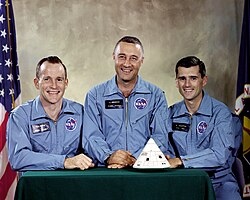
Apollo 1 crew: Ed White, command pilot Gus Grissom, and Roger Chaffee
Charred Apollo 1 cabin interior
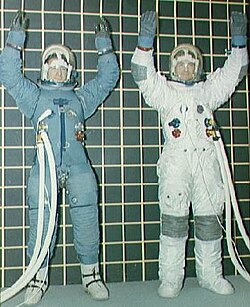
Block II spacesuit in January 1968, before (left) and after changes recommended after the Apollo 1 fire

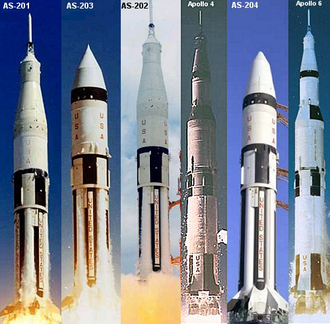
その後、無人テスト飛行を経て、アポロ7号から10号までの開発ミッションが実施されました。地球周回軌道でのテストや、月周回軌道への到達、そして月面への接近という段階的なステップを踏むことで、最終的な着陸への確信を深めていきました。
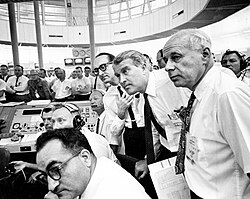
George Mueller, Wernher von Braun, and Eberhard Rees watch the AS-101 launch from the firing room.
Composite image of uncrewed development Apollo mission launches in chronological sequence.
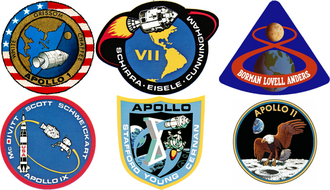
Composite image of six crewed Apollo development mission patches, from Apollo 1 to Apollo 11.

月面着陸の実現と探査の拡大

人類初の快挙:アポロ11号

1969年7月、ついにアポロ11号が月面に到達しました。ニール・アームストロングとバズ・オルドリンが「静かの海」に着陸し、人類史上初めて他天体の土を踏みました。この瞬間は世界中に生中継され、人類にとっての「大きな一歩」となりました。
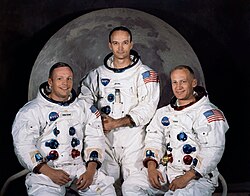
Apollo 11 crew, from left: Commander Neil Armstrong, Command Module Pilot Michael Collins, and Lunar Module Pilot Buzz Aldrin
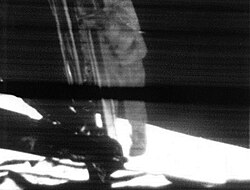
Neil Armstrong descends the LM's ladder in preparation for the first steps on the lunar surface, as televised live on July 20, 1969.
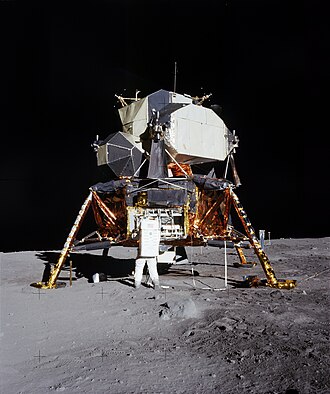
Apollo 11 Lunar Module Eagle (and Buzz Aldrin) on the Moon, photographed by Neil Armstrong
Astronaut Buzz Aldrin, standing on the Moon

科学探査の深化と月面車

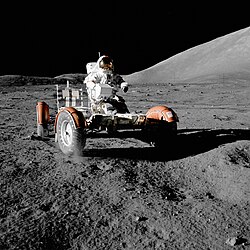
アポロ12号以降、ミッションの目的は単なる「到達」から「科学的調査」へと移行しました。特にアポロ15号から17号にかけては、月面車(LRV)が導入され、飛行士たちはより広範囲な地質調査を行うことが可能になりました。
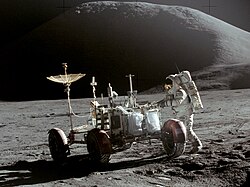
Lunar Roving Vehicle used on Apollos 15–17.
The Apollo 17 Lunar Roving Vehicle

彼らは月面で様々な実験装置を設置し、多くの岩石サンプルを地球に持ち帰りました。これにより、月の成り立ちや太陽系の歴史に関する貴重なデータが得られました。
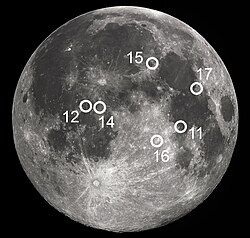
Apollo landings on the Moon, 1969–1972
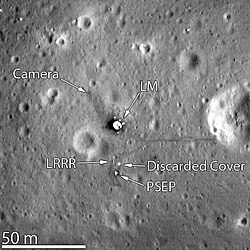
Tranquility Base, imaged in March 2012 by the Lunar Reconnaissance Orbiter

地球を再発見した視点

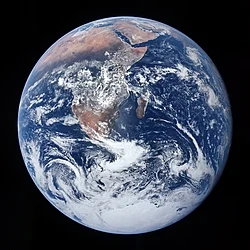
月からの視点は、人類に「地球という惑星」の脆さと美しさを教えました。アポロ8号が撮影した「地球の出」や、アポロ17号による「ブルーマーブル」などの写真は、環境保護意識の高まりにも大きな影響を与えたと言われています。
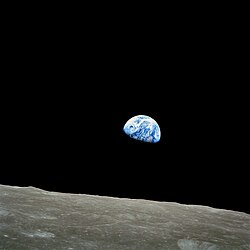
Earthrise, the iconic 1968 image from Apollo 8 taken by astronaut William Anders
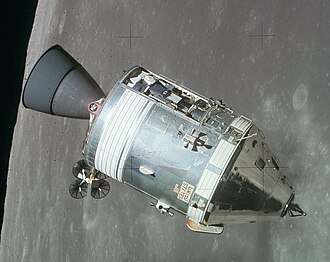
The cone-shaped command module, attached to the cylindrical service module, orbits the Moon with a panel removed, exposing the scientific instrument module
The Blue Marble photograph taken on December 7, 1972, during Apollo 17. "We went to explore the Moon, and in fact discovered the Earth." —Eugene Cernan

アポロ計画のまとめ

アポロ計画は、高度なソフトウェア開発(マーガレット・ハミルトンらによる貢献)と、数万人のエンジニアの努力によって成し遂げられました。
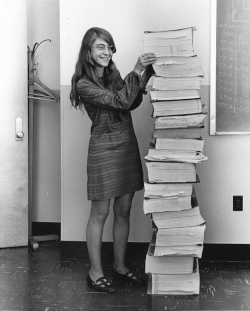
Margaret Hamilton standing next to the navigation software that she and her MIT team produced for the Apollo project
アポロ計画の主要ミッション概要
ミッション 主な目的・成果 特記事項
アポロ7号 有人地球周回飛行 初の有人飛行ミッション
アポロ8号 有人月周回飛行 人類初の月周回達成
アポロ11号 有人月面着陸 アームストロングらが初着陸
アポロ13号 月面着陸(未達成) 機体故障から劇的に生還
アポロ15〜17号 高度な月面科学探査 月面車の導入と長期滞在

Frequently Asked Questions

アポロ計画の総費用はどれくらいでしたか?

1973年時点の公式報告では約254億ドルとされています。これを現代の価値(2020年時点)に換算すると、約2,570億ドルという莫大な金額になります。

月面着陸に成功したのは何回ですか?

アポロ11号から始まり、12、14、15、16、17号までの計6回、有人月面着陸に成功しました。アポロ13号は事故により着陸を断念しました。

月面車(LRV)はすべてのミッションで使われましたか?

いいえ、月面車が導入されたのは後半のミッションであるアポロ15号、16号、17号のみです。それ以前のミッションでは、飛行士は徒歩で探査を行っていました。

アポロ計画で得られた最大の科学的成果は何ですか?

大量の月面岩石や土壌サンプルの回収です。これにより、月の地質学的構成や、地球と月の関係性についての理解が飛躍的に進みました。

アポロ計画の後はどうなったのでしょうか?

アポロ計画の技術は、その後のスカイラブ(宇宙ステーション)やアポロ・ソユーズテスト計画に引き継がれました。そして現代では、次世代の月探査計画である「アルテミス計画」へと進化しています。
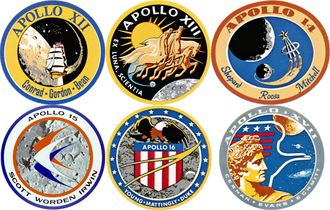
Composite image of six production crewed Apollo lunar landing mission patches, from Apollo 12 to Apollo 17.

References

  1. "How much did the Apollo program cost?". . Archived from the original on April 1, 2025. Retrieved March 25, 2024.
  2. "Apollo 11 Moon Landing Stories". National Air and Space Museum. February 25, 2021. Retrieved March 10, 2026.
  3. "NASA Adds Mission to Artemis Lunar Program, Updates Architecture". NASA. February 27, 2026. Retrieved April 27, 2026.
  4. , p. 55.
  5. Kelsey, Charles E. (July 14, 1969). "1969 Apollo 11 News Release" (PDF) (Press release). Cleveland, OH: . 69-36. Archived (PDF) from the original on February 6, 2025. Retrieved April 8, 2025.
  6. Portree, David S. F. (September 2, 2013). "Project Olympus (1962)". . Archived from the original on March 23, 2025. Retrieved October 12, 2023.
  7. , Ch. 1.7: "Feasility Studies". pp. 16–21.
  8. Preble, Christopher A. (2003). ""Who Ever Believed in the 'Missile Gap'?": John F. Kennedy and the Politics of National Security". Presidential Studies Quarterly. 33 (4): 813. :10.1046/j.0360-4918.2003.00085.x.  27552538.
  9. , pp. 117–118

📸 フォトギャラリー

Astronaut Buzz Aldrin, standing on the Moon
The Apollo 17 Lunar Roving Vehicle
Earthrise, the iconic 1968 image from Apollo 8 taken by astronaut William Anders
President John F. Kennedy addresses a joint session of Congress, with Vice President Lyndon B. Johnson and House Speaker Sam Rayburn seated behind him
George Mueller, Wernher von Braun, and Eberhard Rees watch the AS-101 launch from the firing room.
John Houbolt explaining the LOR concept
An early Apollo configuration for Direct Ascent and Earth Orbit Rendezvous, 1961
An Apollo boilerplate command module is on exhibit in the Meteor Crater Visitor Center in Winslow, Arizona.
The cone-shaped command module, attached to the cylindrical service module, orbits the Moon with a panel removed, exposing the scientific instrument module
Original cockpit of the command module of Apollo 11 with three seats, photographed from above. It is located in the National Air and Space Museum; the very high resolution image was produced in 2007 by the Smithsonian Institution.
Apollo 11 Lunar Module Eagle (and Buzz Aldrin) on the Moon, photographed by Neil Armstrong
Four Apollo rocket assemblies, drawn to scale: Little Joe II, Saturn I, Saturn IB, and Saturn V
A Saturn IB rocket launches Apollo 7, 1968
A Saturn V rocket launches Apollo 11, 1969
Apollo 1 crew: Ed White, command pilot Gus Grissom, and Roger Chaffee
Apollo 11 crew, from left: Commander Neil Armstrong, Command Module Pilot Michael Collins, and Lunar Module Pilot Buzz Aldrin
Composite image of uncrewed development Apollo mission launches in chronological sequence.
Charred Apollo 1 cabin interior
Block II spacesuit in January 1968, before (left) and after changes recommended after the Apollo 1 fire
Composite image of six crewed Apollo development mission patches, from Apollo 1 to Apollo 11.
Neil Armstrong descends the LM's ladder in preparation for the first steps on the lunar surface, as televised live on July 20, 1969.
Composite image of six production crewed Apollo lunar landing mission patches, from Apollo 12 to Apollo 17.
Apollo landings on the Moon, 1969–1972
Lunar Roving Vehicle used on Apollos 15–17.
Tranquility Base, imaged in March 2012 by the Lunar Reconnaissance Orbiter
Margaret Hamilton standing next to the navigation software that she and her MIT team produced for the Apollo project
The Blue Marble photograph taken on December 7, 1972, during Apollo 17. "We went to explore the Moon, and in fact discovered the Earth." —Eugene Cernan