1960年代、人類が初めて月面に降り立つという壮大な目標を達成するために開発されたのが、アポロ月着陸船(Lunar Module, LM)です。この機体は、地球から月まで旅をする司令船・機械船とは異なり、月面への降下とそこからの離脱という極めて特殊な任務に特化して設計されました。NASAの指揮下、グルマン社によって製造されたこの宇宙機は、まさに「月面専用の乗り物」として最適化された機能美の結晶といえます。
初期の設計段階では、ミッションの効率を最大化するために「月軌道ランデブー」という手法が採用されました。これにより、重い燃料や設備をすべて月面まで運ぶ必要がなくなり、着陸専用の軽量な機体を運用することが可能となりました。
Key Facts
- 製造元:アメリカのグルマン社(設計責任者:トーマス・J・ケリー)
- 運用実績:全15機が製造され、うち10機が打ち上げられ、すべてが運用に成功した
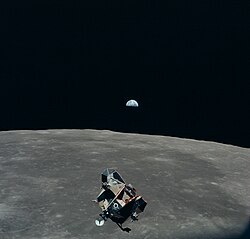
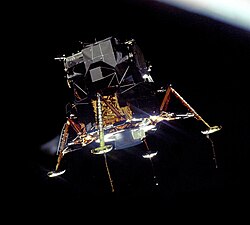
- 構造:月面へ降りる「下降段」と、再び宇宙へ戻る「上昇段」の2段構成
- 乗員:最大2名まで収容可能
- 歴史的快挙:1969年7月20日、LM-5「イーグル」が人類初の月面着陸を実現
機体の構造と機能的な設計
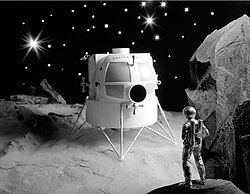
月着陸船は、その目的が「月面での活動」に限定されていたため、空気抵抗を考慮する必要がなく、非常に独特な外観となりました。開発過程では、その形状から非公式に「バグ(虫)」と呼ばれることもありました。
下降段(Descent Stage)の役割
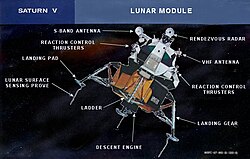
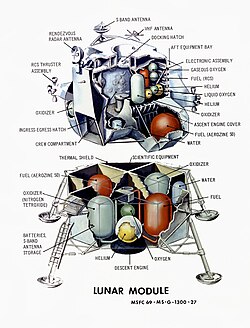
下降段は、月軌道から月面へと安全に降り立つためのプラットフォームです。強力なTRW製下降エンジンを搭載し、推力を10%から60%の間で調整することで、精密な着陸を可能にしました。また、着陸脚や科学観測機器、そして上昇段への電力供給を担う銀亜鉛電池などが搭載されていました。
上昇段(Ascent Stage)の役割
上昇段は、宇宙飛行士が生活し、再び月軌道上の司令船へと戻るための居住兼脱出ユニットです。内部は限られた空間ながら、2名の飛行士が活動できるキャビンと、休息のための簡易的な設備が備わっていました。月面を離れる際は、下降段をそのまま発射台として利用し、ベル・エアロスペース製の上昇エンジンで加速しました。
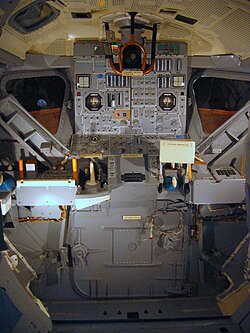
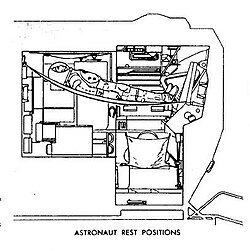
この2段構成の仕組みにより、月面から離脱する際に不要な重量(下降段のエンジンや脚)を切り離し、最小限の燃料で効率的に上昇することができました。
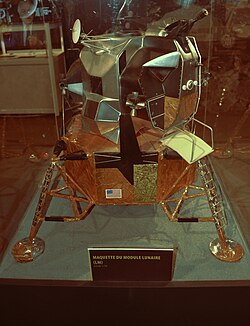
開発から運用までの軌跡
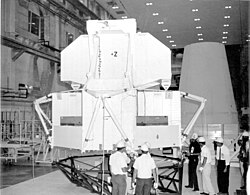
実用化に至るまでには、数多くのテストと訓練が行われました。地上では「月着陸研究車両(LLRV)」などの試験機を用いて、低重力下での操縦感覚を養う訓練が繰り返されました。
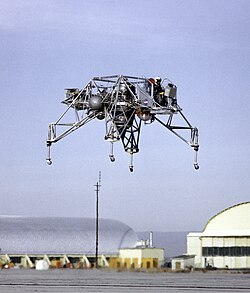
また、無人での飛行試験(LTAシリーズなど)を通じて、システムの信頼性が検証されました。アポロ6号などで使用されたテスト機は、実際の運用に向けた重要なデータを提供しました。
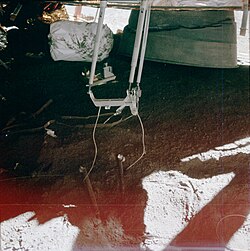
1969年のアポロ11号による「イーグル」の着陸成功後、アポロ計画はさらに進化しました。特に後半の「Jクラス」ミッションでは、月面滞在時間を延ばし、より高度な科学調査を行うために機体の拡張が行われました。しかし、過酷な環境での運用は困難を伴い、アポロ15号では着陸時にエンジンのノズルが接触し、一部が屈曲する事象も発生しています。
最終的に、アポロ17号の「チャレンジャー」が月面を離れた1972年12月をもって、月着陸船の運用は幕を閉じました。
月着陸船の主要諸元まとめ
以下に、標準的な月着陸船の仕様をまとめます。
| 項目 | 標準仕様 | 拡張仕様(Jクラス) |
|---|---|---|
| 打ち上げ質量 | 約15,200 kg | 約16,400 kg |
| 乾燥質量 | 約4,280 kg | 約4,920 kg |
| 全長 | 約7.04 m | 約7.04 m |
| 最大幅(脚展開時) | 約9.4 m | 約9.4 m |
| 乗員数 | 2名 | 2名 |
| 設計寿命 | - | 最大75時間 |
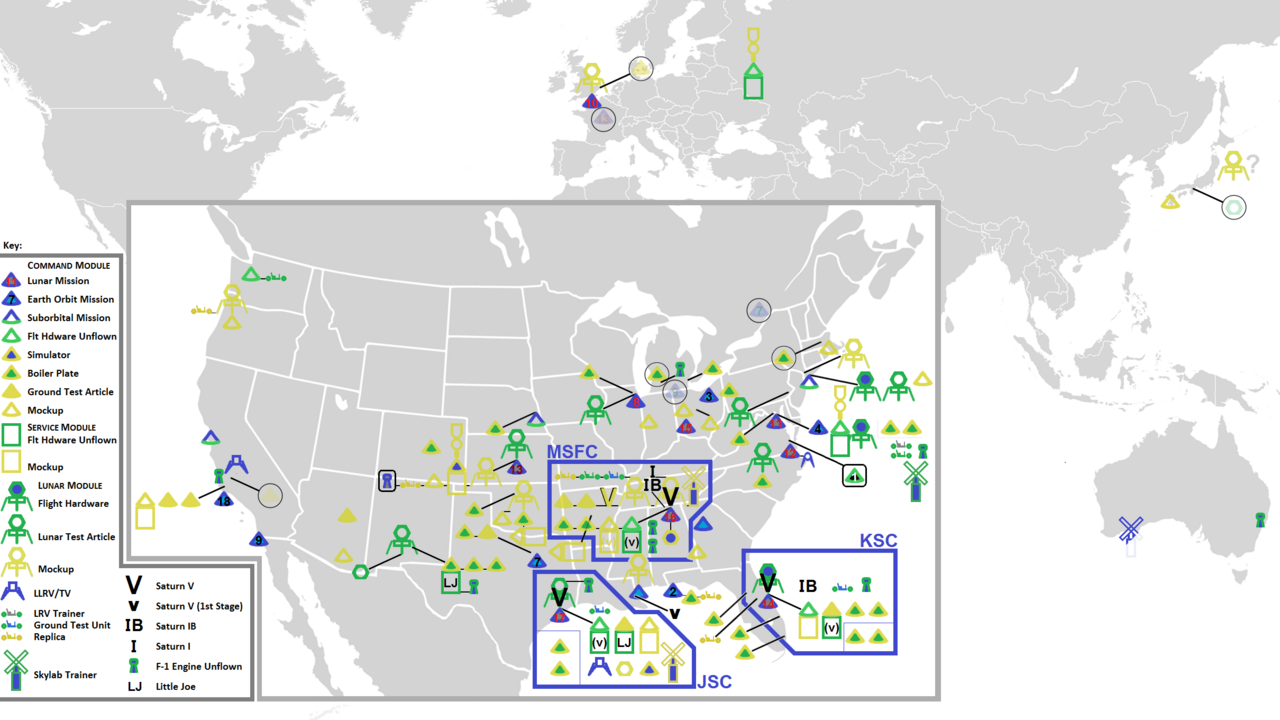
現在、かつての月着陸船の下降段は、アポロ11号から17号までの着陸地点にそのまま残されており、人類の挑戦の証となっています。
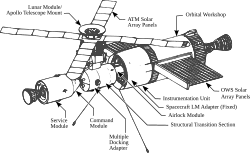
なお、アポロ計画終了後、一部の設計思想は宇宙ステーション「スカイラブ」の構築にも応用されました。当初検討されていた「ウェットワークショップ」案などは、月着陸船の技術的知見が活かされた例といえます。
Frequently Asked Questions
なぜ月着陸船はあのような奇妙な形をしているのですか?
月着陸船は地球の大気圏を飛行することがなく、月面でのみ運用されるため、空気力学的な形状(流線型)にする必要がなかったからです。機能性を最優先し、重量軽減と安定した着陸を追求した結果、あのような独特な形状になりました。
下降段と上昇段に分かれている理由は何ですか?
月面から再び飛び立つ際に、着陸に使用した重いエンジンや脚などの設備をすべて持ち上げるのは燃料効率が悪すぎるためです。不要な部分(下降段)を切り捨て、最小限の重量で上昇することで、少ない燃料で司令船へ戻ることが可能になります。
月着陸船は全部で何機作られたのでしょうか?
合計で15機が製造されました。そのうち10機が実際に打ち上げられ、アポロ11号から17号までの月面着陸や軌道試験に運用されました。残りの5機は地上テスト用や予備として使用されました。
月面での電力はどうやって確保していたのですか?
銀亜鉛電池(シルバージンクバッテリー)が搭載されていました。下降段と上昇段にそれぞれ複数のバッテリーが配置されており、生命維持装置や通信機器、エンジンの制御に必要な電力を供給していました。
月着陸船は地球に帰還したのですか?
いいえ、月着陸船自体は地球に戻りません。上昇段が月軌道上の司令船とドッキングした後、宇宙飛行士は司令船へ移動し、上昇段は月面に衝突させるか、軌道上に放棄されました。地球に帰還したのは、司令船の再突入カプセルのみです。
References
- Moon Race: The History of Apollo DVD, Columbia River Entertainment (Portland, Oregon, 2007)
- Orloff, Richard (1996). Apollo by the Numbers (PDF). . p. 22. Archived (PDF) from the original on February 22, 2016. Retrieved May 23, 2016.
- "NASA New Start Inflation Indices". National Aeronautics and Space Administration. Archived from the original on June 24, 2016. Retrieved May 23, 2016.
- Dickinson, David (June 14, 2019). "ASTRONOMERS MIGHT HAVE FOUND APOLLO 10'S "SNOOPY" MODULE".
- "Apollo 11 Lunar Orbit Phase". Archived from the original on December 26, 2017. Retrieved July 12, 2017.
- Gatland, Kenneth (1976). Manned Spacecraft, Second Revision. New York: Macmillan Publishing Co. pp. 194–196. .
- Agle, D.C. (September 1998). "Flying the Gusmobile". Air & Space. Archived from the original on April 3, 2020. Retrieved December 15, 2018.
- "Landing on the Moon, 1966 episode of MIT's Science Reporter". January 20, 2016. Archived from the original on April 15, 2021. Retrieved December 20, 2017 – via YouTube (posted by MIT).
While one astronaut explores the area around the LEM, the second remains inside to maintain communications.
- Ryba, Jeanne, ed. (July 8, 2009). "Apollo 10". NASA. Archived from the original on July 23, 2013. Retrieved June 26, 2013.
- "Current locations of the Apollo Command Module Capsules (and Lunar Module crash sites)". Apollo: Where are they now?. NASA. Archived from the original on July 17, 2011. Retrieved December 27, 2014.
📸 フォトギャラリー