The Apollo seventeen emblem containing Apollo, an eagle made of lines, the Moon, and Saturn; around the outside of the emblem the text Apollo XVII, and then the names Cernan, Evans, and Schmitt.
← ホームへ戻る
アポロ17号月面着陸NASAジーン・サーナンハリソン・シュミット

アポロ17号:人類最後の月面着陸ミッションの全記録

🗓 2026年8月11日

1972年12月、NASAが実施したアポロ計画の最終章となる「アポロ17号」が地球を飛び立ちました。このミッションは、単なる月への旅ではなく、人類が月面で得られる科学的知見を最大限に引き出すための集大成として設計されました。専門の科学者が初めて同行し、高度な探査機器を駆使して月の地質学的謎に迫ったこの旅は、今なお宇宙探査の金字塔として語り継がれています。

ミッションの象徴ともいえるのが、宇宙から撮影された地球の姿「ザ・ブルーマーブル(青いビー玉)」です。この写真は、漆黒の宇宙に浮かぶ鮮やかな地球の美しさを世界に知らしめ、環境意識の高まりにも影響を与えました。
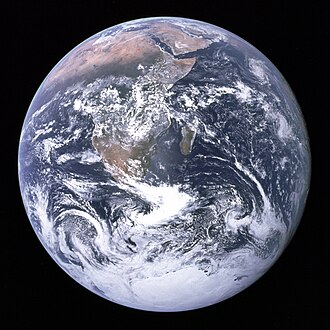
View of Earth from Apollo 17 while in transit to the Moon, a photo now known as The Blue Marble

Key Facts

  • ミッション期間:12日13時間51分59秒
  • 月面滞在:3回の船外活動(EVA)を実施し、合計約22時間に及ぶ探査を遂行
  • 採取サンプル:約115kgという膨大な量の月岩・土壌を回収
  • 移動距離:月面車(LRV)を用いて合計35.7kmを走行
  • 乗組員:ジーン・サーナン(船長)、ロナルド・エバンス(司令船操縦士)、ハリソン・シュミット(月面船操縦士)

ミッションの準備と打ち上げ

アポロ17号の成功を支えたのは、徹底したトレーニングと巨大なロケット「サターンV(SA-512)」のパワーでした。特に月面での地質調査を重視し、乗組員は地球上の類似地帯で厳しい訓練を重ねました。
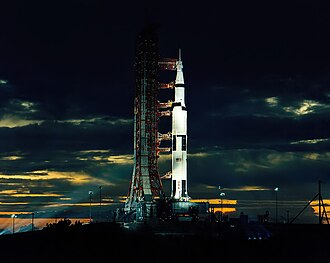
Saturn five rocket on a launch pat at dusk while cloudy outside.

1972年12月7日、ケネディ宇宙センターの39A発射台から轟音と共に打ち上げられた宇宙船は、司令船「アメリカ」と月着陸船「チャレンジャー」で構成されていました。
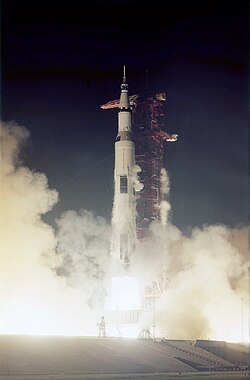
Apollo 17 launches on December 7, 1972

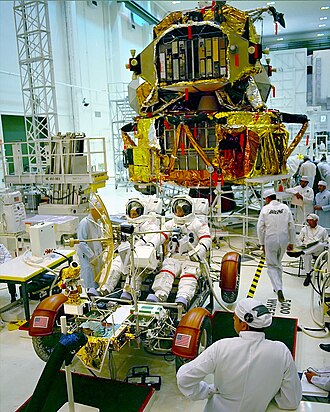
訓練段階では、月面車(LRV)の操作や、月面での地質学的サンプリングの手法が重点的に練習されました。特に、地質学者であるハリソン・シュミットの参加により、科学的な視点からの探査精度が飛躍的に向上しました。
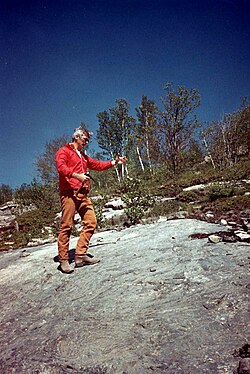
A photo of Gene Cernan standing on a rock with holding a stick while participating in geology training.
Schmitt, (left), Cernan, (right) in a training LRV, with the Lunar Landing Module in the background.

タウルス・リットロウでの月面探査

12月11日、月着陸船チャレンジャーは「タウルス・リットロウ」と呼ばれる谷に降り立ちました。ここは高い山々に囲まれた地形で、月の形成過程を解明するための重要な手がかりが眠っていると考えられていた場所です。
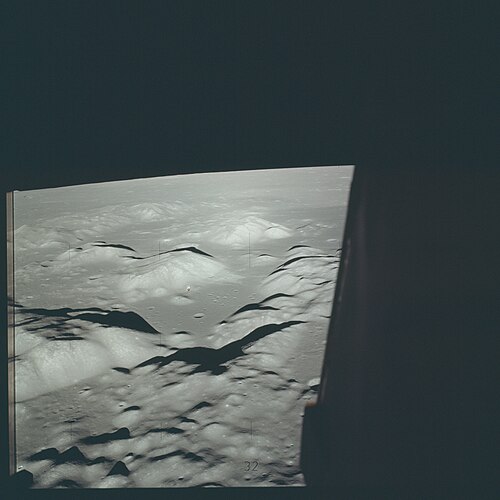
The valley of Taurus-Littrow as seen from the Lunar Module Challenger on the orbit before powered descent there. The Command and Service Module America can just be seen crossing the base of the 2.3 km high South Massif. Between the South and North Massifs, the valley is 7 km wide. Mare Serenitatis, the Sea of Serenity, is on the horizon.

月面での活動は3回に分けて行われ、乗組員は月面車を駆使して広範囲を調査しました。月面車には表面電気特性(SEP)実験用のアンテナなどが搭載されており、移動しながらのデータ収集が可能でした。
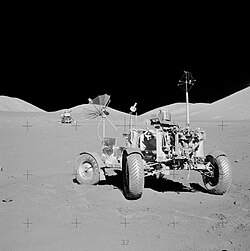
Black and white photo of a lunar rover with a lunar landing module in the background.

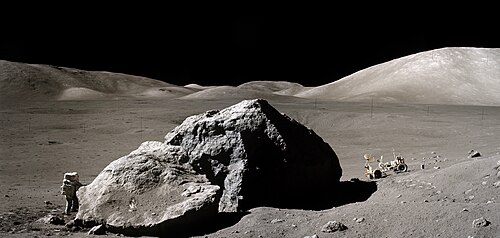
特に注目されたのが、地質学的な価値の高い「トレイシーの岩」などのサンプル採取です。彼らは過酷な環境下で、合計22時間を超える船外活動を行い、月の歴史を物語る貴重な岩石を回収しました。
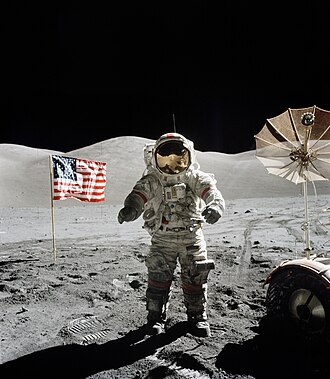
Cernan on the lunar surface, December 13, 1972
Composite image of Harrison Schmitt working next to Tracy's Rock during EVA-3

また、軌道上の司令船からは、地球からの光が月面を照らす「アースライト」現象や、表面からの謎の光の点滅(ライトフラッシュ現象)などの観測も行われました。
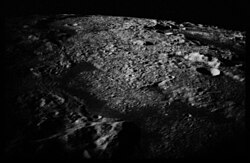
An oblique, black-and-white view of a portion of Mare Orientale from the CSM, illustrating the illuminating effect of Earthlight on the lunar terrain below during local nighttime; Evans reported seeing a light "flash" apparently originating from the surface in this area

地球への帰還とミッションの遺産

すべての任務を完遂したアポロ17号は、12月19日に南太平洋へ splashdown(海面着水)し、USSタイコンデロガによって回収されました。これにより、人類による月面着陸の時代は一旦幕を閉じました。
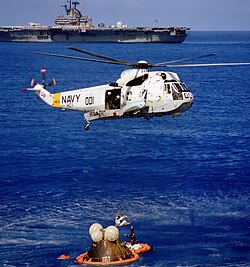
Apollo 17 post-splashdown recovery operations

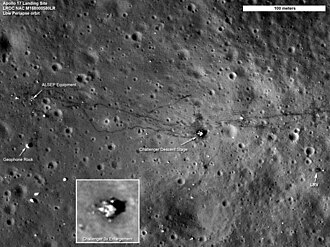
現在、使用された司令船「アメリカ」はヒューストン宇宙センターに展示されており、当時の栄光を伝えています。また、2011年に月周回偵察機(LRO)が撮影した画像には、今も月面に残された着陸船の下降段や月面車の姿がはっきりと写っています。
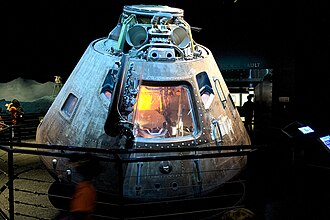
Apollo 17 command module America, on display at Space Center Houston
Lunar Reconnaissance Orbiter image of the Apollo 17 mission site taken in 2011, the Challenger descent stage is in the center, the Lunar Roving Vehicle appears in the lower right.

ミッションの記念として作られたロビンス・メダルなどの遺品は、この壮大な旅の記憶を今に伝えています。

The Apollo seventeen emblem containing Apollo, an eagle made of lines, the Moon, and Saturn; around the outside of the emblem the text Apollo XVII, and then the names Cernan, Evans, and Schmitt.
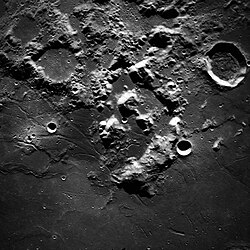
Black and white photo of a created surface of the Moon showing the landing site and surrounding area for Apollo 17 as taken from Apollo 17.
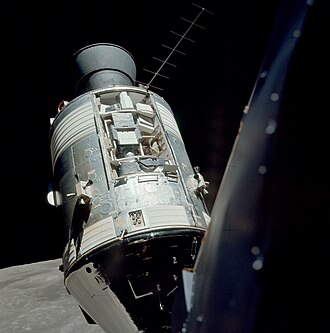
Apollo 17 SIM bay on the service module America, seen from the Lunar Module Challenger in orbit around the Moon

ミッション概要まとめ

アポロ17号 ミッション主要データ
項目 詳細内容
打ち上げ日 1972年12月7日
月面着陸日 1972年12月11日
着陸地点 タウルス・リットロウ
総サンプル量 115 kg
月面走行距離 35.7 km
回収船 USSタイコンデロガ

Frequently Asked Questions

アポロ17号が他のアポロミッションと違っていた点は何ですか?

最大の特徴は、プロの地質学者であるハリソン・シュミットが乗組員として参加したことです。これにより、月面でのサンプル採取や地質調査がより専門的かつ効率的に行われました。

月面でどれくらいの距離を移動したのでしょうか?

月面車(LRV)を使用し、合計で35.7kmを走行しました。これにより、徒歩では不可能な広範囲の地質調査を実現しました。

「ザ・ブルーマーブル」とはどのような写真ですか?

地球から月へ向かう途中で撮影された、地球全体が完璧な球体として写っている写真です。宇宙から見た地球の美しさと孤独さを象徴する一枚として非常に有名です。

月面には何が残されていますか?

月着陸船チャレンジャーの下降段や、月面車(LRV)、そして科学実験装置(ALSEP)などがそのまま残されています。これらは後年の月周回偵察機(LRO)によって確認されています。

ミッションの期間はどのくらいでしたか?

打ち上げから地球への帰還まで、合計で12日13時間51分59秒に及びました。

References

  1. Apart from the Apollo program's moonwalks (and a unique trio of deep-space EVAs conducted during the program's J-missions), all other spacewalks have been conducted in Low-Earth orbit, of which almost all have involved a safety tether keeping the spacefarer attached to the spacecraft by a short distance. The exceptions occurred in 1984 and 1994, when a series of seven EVAs involved untethered activity using the (MMU) and the Unit (SAFER). Among this latter group, the greatest distance traveled away from a spacecraft during orbital flight was approximately 100 meters (320 feet), achieved by on during the first test of the MMU.

📸 フォトギャラリー

The Apollo seventeen emblem containing Apollo, an eagle made of lines, the Moon, and Saturn; around the outside of the emblem the text Apollo XVII, and then the names Cernan, Evans, and Schmitt.
Black and white photo of a created surface of the Moon showing the landing site and surrounding area for Apollo 17 as taken from Apollo 17.
A photo of Gene Cernan standing on a rock with holding a stick while participating in geology training.
Saturn five rocket on a launch pat at dusk while cloudy outside.
Schmitt, (left), Cernan, (right) in a training LRV, with the Lunar Landing Module in the background.
Black and white photo of a lunar rover with a lunar landing module in the background.
Apollo 17 SIM bay on the service module America, seen from the Lunar Module Challenger in orbit around the Moon
Apollo 17 launches on December 7, 1972
View of Earth from Apollo 17 while in transit to the Moon, a photo now known as The Blue Marble
The valley of Taurus-Littrow as seen from the Lunar Module Challenger on the orbit before powered descent there. The Command and Service Module America can just be seen crossing the base of the 2.3 km high South Massif. Between the South and North Massifs, the valley is 7 km wide. Mare Serenitatis, the Sea of Serenity, is on the horizon.
Cernan on the lunar surface, December 13, 1972
Composite image of Harrison Schmitt working next to Tracy's Rock during EVA-3
An oblique, black-and-white view of a portion of Mare Orientale from the CSM, illustrating the illuminating effect of Earthlight on the lunar terrain below during local nighttime; Evans reported seeing a light "flash" apparently originating from the surface in this area
Apollo 17 post-splashdown recovery operations
Apollo 17 command module America, on display at Space Center Houston
Lunar Reconnaissance Orbiter image of the Apollo 17 mission site taken in 2011, the Challenger descent stage is in the center, the Lunar Roving Vehicle appears in the lower right.