タグ

電気化学

9 件の記事

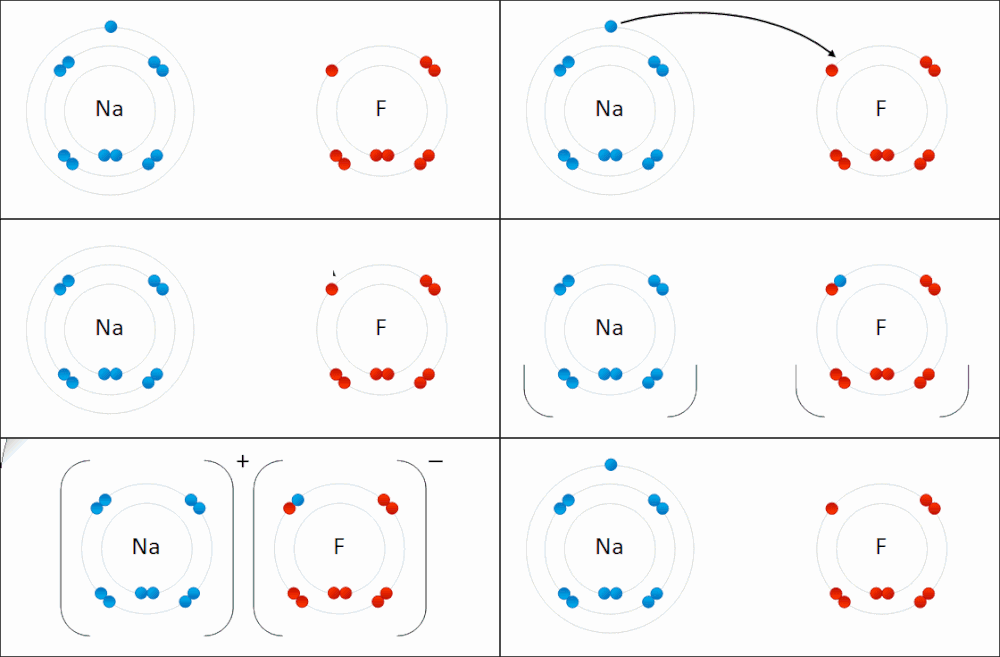
Sodium "gives" one outer electron to fluorine, bonding them to form sodium fluoride. The sodium atom is oxidized, and fluorine is reduced.

酸化還元反応(レドックス)の仕組みと化学的役割

酸化還元反応レドックス電子移動酸化剤
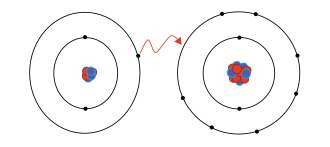
Electron transfer from a neutral lithium (Li) atom on the left to a neutral fluorine (F) atom on the right would give Li+ and F− ions.

イオンの基礎知識陽イオンと陰イオンの性質と化学的役割

イオン陽イオン陰イオン電離
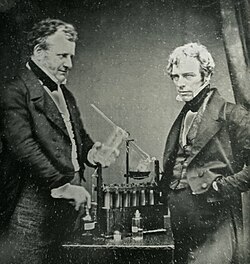
English chemist John Daniell (left) and physicist Michael Faraday (right), both credited as founders of electrochemistry

電気化学の基礎と歴史電子の移動が切り拓く化学反応の新世界

電気化学電解酸化還元反応ネルンストの式
Example of a reduction–oxidation reaction between sodium and chlorine, with the OIL RIG mnemonic[6]

還元剤の仕組みと化学的特性酸化還元反応の基礎知識

還元剤酸化剤酸化還元反応電子供与体
Electron transfer from a neutral lithium (Li) atom on the left to a neutral fluorine (F) atom on the right would give Li+ and F− ions.

イオンの基礎知識陽イオンと陰イオンの性質と形成メカニズム

イオン陽イオン陰イオン電離
Sodium "gives" one outer electron to fluorine, bonding them to form sodium fluoride. The sodium atom is oxidized, and fluorine is reduced.

酸化還元反応(レドックス)の仕組みと化学的役割

酸化還元反応レドックス電子移動酸化剤
Sodium "gives" one outer electron to fluorine, bonding them to form sodium fluoride. The sodium atom is oxidized, and fluorine is reduced.

酸化還元反応(レドックス)の仕組みと化学的役割

酸化還元反応レドックス電子移動酸化剤
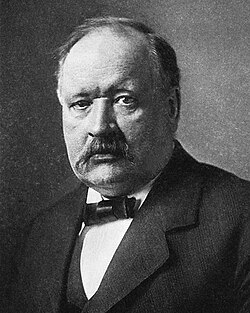
Svante Arrhenius, father of the concept of electrolyte dissociation in aqueous solution for which he received the Nobel Prize in Chemistry in 1903

電解質とは?仕組みから生理学的役割、産業利用までを徹底解説

電解質イオン電気伝導電解質バランス
Electron transfer from a neutral lithium (Li) atom on the left to a neutral fluorine (F) atom on the right would give Li+ and F− ions.

イオンの基礎知識陽イオンと陰イオンの性質と形成メカニズム

イオン陽イオン陰イオン電離