私たちの身の回りの物質を構成する原子や分子は、常に電気的に中性であるとは限りません。電子の数と陽子の数が不均衡になったとき、その粒子はイオンと呼ばれる電荷を帯びた状態になります。イオンは、太陽の輝きから地球の電離層、さらには生命維持に不可欠なエネルギー代謝に至るまで、自然界のあらゆる現象に深く関わっています。
Key Facts
- イオンとは、電子と陽子の数が異なるため、正または負の正味の電荷を持つ原子や分子のこと。
- 陽イオン(カチオン)は電子を失い正に帯電し、陰イオン(アニオン)は電子を得て負に帯電する。
- 正負の電荷を持つイオン同士は静電気的な引力で結びつき、イオン結合による化合物を形成する。
- 一般的に、陽イオンは元の原子より小さくなり、陰イオンは元の原子より大きくなる傾向がある。
- イオンは単一の原子からなる「単原子イオン」と、複数の原子からなる「多原子イオン」に分類される。
イオンの正体と種類
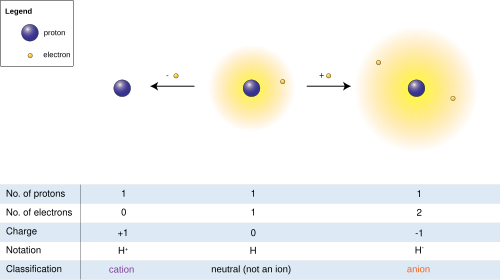
原子の核にある陽子は正の電荷を持ち、その周囲を回る電子は負の電荷を持っています。通常、これらの数は等しいため電気的に中性ですが、何らかの要因で電子が移動すると、電荷のバランスが崩れます。
陽イオン(Cation)
陽イオンは、陽子の数よりも電子の数が少ないため、正の電荷を帯びたイオンです。例えば、カリウムイオン(K+)などがこれに当たります。電子を失うことで電子雲が収縮するため、元の原子よりもサイズが小さくなるのが特徴です。
陰イオン(Anion)
陰イオンは、陽子の数よりも電子の数が多く、負の電荷を帯びたイオンです。塩化物イオン(Cl−)や水酸化物イオン(OH−)が代表例です。過剰な電子同士が反発し合うため、電子雲が広がり、元の原子や分子よりも半径が大きくなります。
構造による分類
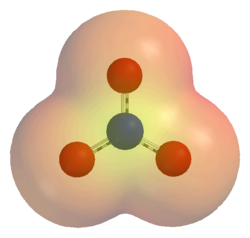
イオンはその構成要素によってさらに分けられます。一つの原子のみで構成されるものを単原子イオン(または単純イオン)と呼び、二つ以上の原子が結合して一つの電荷を持つものを多原子イオン(または分子イオン)と呼びます。
イオンの形成プロセス
イオンが生成される過程は「イオン化」と呼ばれます。これは主に、原子がより安定した電子配置(閉殻構造)を得ようとする性質によって引き起こされます。
単原子イオンの生成
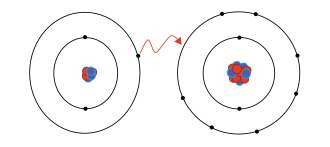
原子の最外殻にある電子(価電子)が移動することで形成されます。例えば、ナトリウム(Na)は最外殻に1つの電子を持つため、これを放出することで安定した電子配置となり、陽イオン(Na+)になります。逆に、塩素(Cl)は最外殻に7つの電子を持ち、あと1つ得れば安定するため、電子を取り込んで陰イオン(Cl−)となります。
多原子イオンの生成
多原子イオンは、電子単体ではなく、プロトン(H+)などの小さなイオンが分子に付加または脱離することで形成されることが多いです。例えば、アンモニア(NH3)がプロトンを受け取ると、アンモニウムイオン(NH4+)になります。これにより、分子全体の安定した電子配置を維持したまま電荷を持つことができます。
物理的・化学的特性
イオンは電荷を持っているため、電磁場に対して特有の反応を示します。磁場の中を移動すると軌道が曲げられ、また反対の電荷を持つ粒子とは強く引き合います。
溶媒による安定化
気体状態のイオンは非常に反応性が高く、すぐに中和されますが、液体(特に水などの極性溶媒)中では溶媒分子がイオンを取り囲む「溶媒和」という現象が起こります。これによりエネルギー的に安定し、海水などの自然環境下で安定して存在できるようになります。
![Schematic of an ion chamber, showing drift of ions. Electrons drift faster than positive ions due to their much smaller mass.[5]](/images/a2/55/a2553c7913a6f0d5d7c8bbb60909e074f3544e9a178cf01b85841469ccde4514.gif)
イオン化エネルギー
気体状態の原子や分子から電子を1つ取り出すのに必要な最小エネルギーをイオン化エネルギー(またはイオン化ポテンシャル)と呼びます。電子をさらに取り出すたびに、このエネルギーは増大していきます。
表記法と名称のルール
化学式では、元素記号の右上に正味の電荷を上付き文字で表記します。電荷が1の場合は数字を省略し、「+」や「−」のみで記述します(例:Na+, F−)。電荷が2以上の場合は、「2+」のように数字を先に書き、その後に符号を添えます。
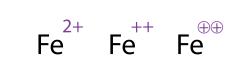
また、単原子イオンの場合は、酸化数をローマ数字で表記する方法(例:鉄(III)イオン)が用いられることもあります。これは特に分光法などの分野で一般的です。
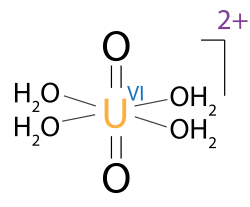
応用技術と自然界での役割
イオンの性質は、多くの科学技術に利用されています。高電圧や高温を用いて人工的にイオンを生成し、質量分析計や粒子加速器、イオンエンジンなどの高度な装置に活用されています。また、空気清浄機での微生物の不活性化や、煙感知器などの家庭用品にも応用されています。
自然界では、金属イオンが光を吸収することで宝石に美しい色がつくほか、生体内のATP(アデノシン三リン酸)の分解など、生命活動のエネルギー源となる化学反応においてもイオンの挙動が極めて重要な役割を果たしています。
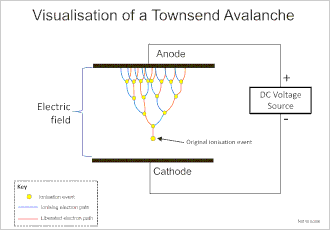
主要なイオンの一覧
以下に、化学で頻繁に登場する代表的なイオンをまとめます。
| 分類 | 名称 | 化学式 | 特徴 |
|---|---|---|---|
| 単原子陽イオン | ナトリウムイオン | Na+ | アルカリ金属由来 |
| カルシウムイオン | Ca2+ | アルカリ土類金属由来 | |
| 鉄(III)イオン | Fe3+ | 遷移金属由来 | |
| 単原子陰イオン | 塩化物イオン | Cl− | ハロゲン元素由来 |
| 酸化物イオン | O2− | 地球上で最も一般的な陰イオンの一つ | |
| フッ化物イオン | F− | 強い電気陰性度を持つ | |
| 多原子イオン | アンモニウムイオン | NH4+ | 代表的な多原子陽イオン |
| 硝酸イオン | NO3− | オキソアニオンの一種 | |
| 硫酸イオン | SO42− | 強い酸の共役塩基 |
Frequently Asked Questions
イオンと原子の決定的な違いは何ですか?
最大の違いは「電気的な電荷」の有無です。原子は陽子の数と電子の数が等しいため電気的に中性ですが、イオンは電子を失うか得ることで、正または負の電荷を帯びた状態になっています。
なぜ陽イオンは小さく、陰イオンは大きくなるのですか?
陽イオンは電子を失うため、核の正電荷による引力が相対的に強まり、残った電子雲が中心に引き寄せられるためです。一方、陰イオンは電子が増えるため、電子同士の反発力が強まり、電子雲が外側に広がります。
「ツィッターイオン(双性イオン)」とは何ですか?
一つの分子の中に、正の電荷を持つ部位と負の電荷を持つ部位が同時に存在し、分子全体としては電気的に中性である特殊なイオンのことです。
イオン結合とはどのような仕組みで成り立っていますか?
正に帯電した陽イオンと、負に帯電した陰イオンが、静電気的な引力(クーロン力)によって強く引き付け合うことで形成される化学結合です。これにより、規則正しく並んだ結晶格子構造が作られます。
イオンは水以外でも形成されますか?
はい。気体状態での放射線照射による電離や、非極性液体中でのイオン化も可能です。ただし、非極性液体では溶媒和による安定化が難しいため、水などの極性溶媒に比べてイオンが形成されにくい傾向があります。
References
- "ion". . HarperCollins. 1120411289. "Collins English Dictionary | Always Free Online". Archived from the original on 24 December 2013. Retrieved 21 December 2013.
{{}}: CS1 maint: bot: original URL status unknown (). - "cation". . Merriam-Webster. 1032680871. Retrieved 6 October 2021. "Definition of CATION". Archived from the original on 6 October 2021. Retrieved 6 October 2021.
{{}}: CS1 maint: bot: original URL status unknown (). - "anion". . Merriam-Webster. 1032680871. Retrieved 6 October 2021. "Definition of ANION". Archived from the original on 6 October 2021. Retrieved 6 October 2021.
{{}}: CS1 maint: bot: original URL status unknown (). - "What Is an Ion? Definition and Examples". ThoughtCo. Archived from the original on 26 August 2024. Retrieved 26 August 2024.
- Knoll, Glenn F. (1999). Radiation Detection and Measurement (3rd ed.). New York: . .
- Frank A. J. L. James, ed. (1991). The Correspondence of Michael Faraday, Vol. 2: 1832–1840. p. 183. . Archived from the original on 14 April 2021. Retrieved 16 October 2020.
- Michael Faraday (1791–1867). UK: . Archived from the original on 25 August 2016. Retrieved 21 December 2019.
- "Online etymology dictionary". Archived from the original on 14 May 2011. Retrieved 7 January 2011.
- "The Nobel Prize in Chemistry 1903". nobelprize.org. Archived from the original on 8 July 2018. Retrieved 13 June 2017.
- Harris, William; Levey, Judith, eds. (1976). The New Columbia Encyclopedia (4th ed.). New York City: . p. 155. .
📸 フォトギャラリー