周期表の右端、第18族に位置する希ガス(Noble gases)は、その極めて低い反応性から、かつては「不活性ガス」と呼ばれていました。これらの元素は、自然界において単独で存在する傾向が強く、化学的な安定性が非常に高いことが最大の特徴です。本記事では、希ガスの基礎的な性質から、最新の化学的知見、そして産業利用までを詳しく解説します。
Key Facts
- 高い安定性: 最外殻電子が満たされているため、他の元素と反応しにくい。
- 物理的特性: 無色、無臭、無味の気体であり、沸点と融点が非常に低い。
- 名称の由来: 反応性の低さが「貴金属」に似ていることから、ドイツ語の「Edelgas(貴ガス)」に由来する。
- 化合物の存在: かつては不活性とされたが、キセノンなどを中心に多くの化合物が発見されている。
- 多様な用途: 超低温冷却剤(液体ヘリウム)から照明(ネオン)、医療(MRI)まで幅広く活用されている。
希ガスの基礎と歴史
希ガスという名称は、1900年にフーゴ・エルドマンがその反応性の低さを表現するために用いたことに始まります。かつては「不活性ガス(Inert gases)」と呼ばれていましたが、現在では多くの化合物が確認されているため、この呼称は避けられる傾向にあります。また、「希少ガス(Rare gases)」とも呼ばれますが、アルゴンなどは地球の大気中に一定量(体積比で約0.94%)存在しているため、必ずしも希少とは言い切れません。
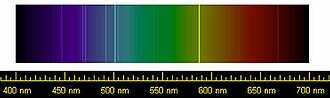
興味深いことに、ヘリウムは地球上で発見されるよりも先に、太陽のスペクトル線からその存在が確認されました。
電子配置と安定性の理由
希ガスがなぜこれほどまでに安定しているのか、その理由は電子配置にあります。ヘリウムは2個、それ以外の希ガスは最外殻に8個の電子を持つ「閉殻構造」をとっており、これが化学的な安定をもたらしています。
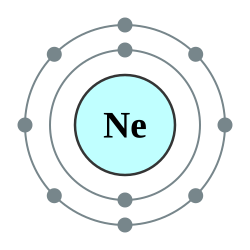
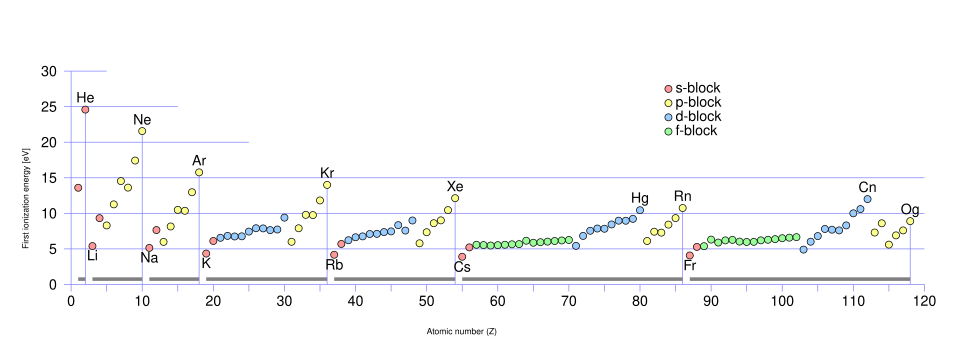
この構造により、電子を剥ぎ取るのに必要なエネルギーであるイオン化エネルギーが非常に高くなります。一般的に周期表の各周期において、希ガスが最大のイオン化エネルギーを示します。ただし、第7周期のオガネソン(Z=118)については、相対論的効果によりこの傾向が崩れ、イオン化エネルギーが低下すると予測されています。
化学的性質と化合物の形成
長らく「反応しない」と考えられていた希ガスですが、1962年にニール・バートレットがキセノンを用いた初の化合物(ヘキサフルオロ白金酸キセノン)を合成したことで、その常識は覆されました。その後、ラドンやクリプトンの化合物も次々と発見され、2000年には極低温(40K)においてアルゴンの安定化合物(HArF)が報告されました。
キセノン化合物の多様性
希ガスの中で最も多くの化合物を形成するのはキセノンです。主にフッ素や酸素のような電気陰性度の高い元素と結合し、+2, +4, +6, +8といった酸化状態で存在します。代表的な例として、四フッ化キセノン(XeF4)などが挙げられます。
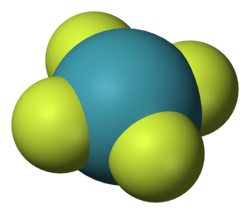
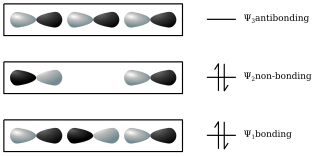
これらの結合モデルの一つに、3中心4電子結合という概念があり、二フッ化キセノン(XeF2)などの構造を説明する際に用いられます。
特殊な構造:エンドヘドラルフルレン
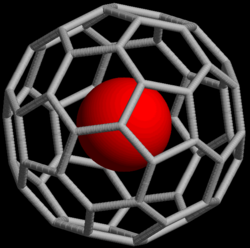
化学結合とは異なる形態として、炭素原子60個からなる球状分子「フルレン(C60)」の内部に希ガス原子を閉じ込めたエンドヘドラルフルレン化合物が存在します。高圧条件下で形成されるこの複合体(例:He@C60)は、核磁気共鳴(NMR)を用いたフルレンの構造研究に利用されています。
物理的特性と産業利用
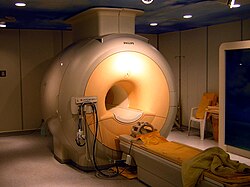
希ガスは沸点と融点が極めて低いため、強力な低温冷却剤として不可欠です。特に液体ヘリウム(沸点 4.2K)は、MRI(核磁気共鳴画像法)などの超伝導マグネットを冷却するために使用されています。
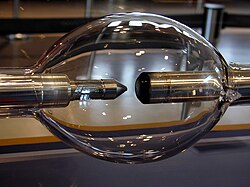
また、その他の元素も特有の性質を活かして利用されています。ネオンは看板などの照明に、キセノンはIMAXプロジェクターの高輝度ランプに、ヘリウムは浮力を持つガスとして飛行船(グッディヤー・ブリンプなど)に活用されています。

地球科学における応用と分析
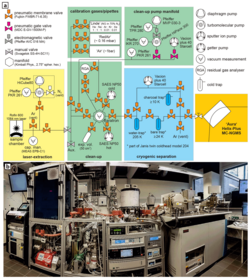
地球科学の分野では、希ガスは地球の進化やマントルのダイナミクスを解明するための重要なトレーサー(追跡物質)として利用されます。火山ガスなどのサンプルを採取する際は、ギゲンバッハボトルと呼ばれる特殊な容器が用いられ、漏れのないように慎重に回収されます。
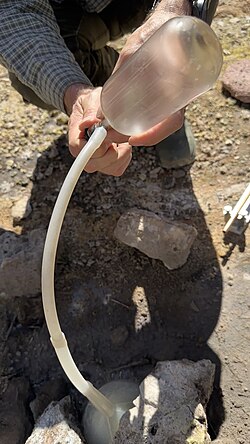
採取されたサンプルは、高度な質量分析計を用いて分析され、同位体比などのデータから地球内部の物質循環が研究されています。
希ガスの物理的特性まとめ
| 元素名 | 原子番号 | 沸点 (K) | 融点 (K) | 密度 (g/dm3) | イオン化エネルギー (kJ/mol) |
|---|---|---|---|---|---|
| ヘリウム (He) | 2 | 4.4 | - | 0.1786 | 2372 |
| ネオン (Ne) | 10 | 27.3 | 24.7 | 0.9002 | 2080 |
| アルゴン (Ar) | 18 | 87.4 | 83.6 | 1.7818 | 1520 |
| クリプトン (Kr) | 36 | 121.5 | 115.8 | 3.708 | 1351 |
| キセノン (Xe) | 54 | 166.6 | 161.7 | 5.851 | 1170 |
| ラドン (Rn) | 86 | 211.5 | 202.2 | 9.97 | 1037 |
| オガネソン (Og) | 118 | 450±10 (予) | 325±15 (予) | 7200 (予) | 839 (予) |
Frequently Asked Questions
なぜ希ガスは反応しにくいのですか?
最外殻の電子殻が完全に満たされているため、エネルギー的に非常に安定した状態にあるからです。これにより、他の原子から電子を奪ったり、逆に電子を放出したりする必要がなく、化学反応が起こりにくくなっています。
「不活性ガス」と「希ガス」の違いは何ですか?
かつては全く反応しないと考えられていたため「不活性ガス」と呼ばれていましたが、実際にはキセノンなどの化合物が存在することが判明しました。そのため、現在はより適切な「希ガス(または貴ガス)」という呼称が一般的です。
希ガスは生物にとって重要な役割を持っていますか?
一般的に、希ガスは化学的に不活性であるため、生物学的なプロセスにおいて重要な役割を果たすことはなく、生物学的な重要性は低いと考えられています。
液体ヘリウムがMRIに使われる理由は何ですか?
液体ヘリウムは沸点が極めて低く(約4.2K)、物質を超伝導状態にするために必要な極低温環境を作り出せるためです。超伝導状態になれば電気抵抗がゼロになり、強力な磁場を維持することが可能になります。
オガネソンは他の希ガスと同じ性質を持っていますか?
予測によれば、オガネソンは他の希ガスとは異なる挙動を示すと考えられています。例えば、イオン化エネルギーが低くなる傾向にあり、ガスではなく固体である可能性や、半導体のような性質を持つ可能性が指摘されています。
References
- Bauzá, Antonio; Frontera, Antonio (2015). "Aerogen Bonding Interaction: A New Supramolecular Force?". Angewandte Chemie International Edition. 54 (25): 7340–3. :10.1002/anie.201502571. 25950423.
- "Xenon | Definition, Properties, Atomic Mass, Compounds, & Facts". Britannica. 28 November 2023. Retrieved 12 January 2024.
- Smits, Odile R.; Mewes, Jan-Michael; Jerabek, Paul; Schwerdtfeger, Peter (2020). "Oganesson: A Noble Gas Element That Is Neither Noble Nor a Gas". Angewandte Chemie International Edition. 59 (52): 23636–23640. :10.1002/anie.202011976. 7814676. 32959952.
- Koppenol, W. (2016). "How to name new chemical elements" (PDF). Pure and Applied Chemistry. DeGruyter. :10.1515/pac-2015-0802. :10045/55935. 102245448. Archived (PDF) from the original on 18 December 2023.
- Renouf, Edward (1901). "Noble gases". . 13 (320): 268–270. :1901Sci....13..268R. :10.1126/science.13.320.268. 34534533.
- , p. 30
- , p. 4
- "argon". . 2008.
- Oxford English Dictionary (1989), s.v. "helium". Retrieved 16 December 2006, from Oxford English Dictionary Online. Also, from quotation there: Thomson, W. (1872). Rep. Brit. Assoc. xcix: "Frankland and Lockyer find the yellow prominences to give a very decided bright line not far from D, but hitherto not identified with any terrestrial flame. It seems to indicate a new substance, which they propose to call Helium."
- , p. 1
📸 フォトギャラリー