タグ
スイングバイ
6 件の記事
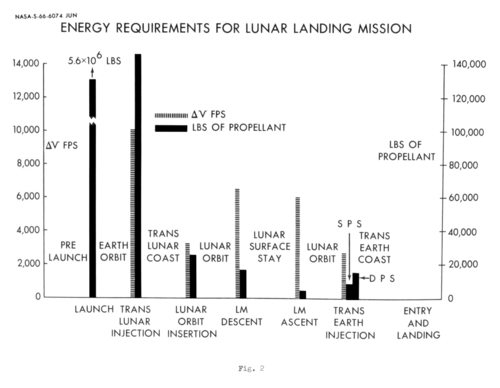
デルタV予算宇宙ミッションの設計を決定づける速度変化の計画
デルタV宇宙工学軌道遷移ツィオルコフスキーのロケット方程式
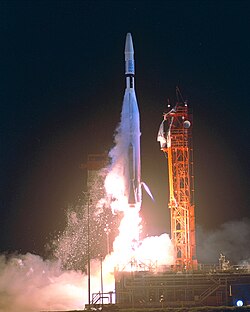
マリナー計画内太陽系探査の先駆者となったNASAのロボット探査機
マリナー計画NASA金星探査火星探査
![Example encounter.[2]In the planet's frame of reference, the space probe leaves with the exact same speed at which it had arrived. But when observed in the reference frame of the Solar System (fixed to the Sun), the benefit of this maneuver becomes apparent. Here it can be seen how the probe gains speed by tapping energy from the speed of the planet as it orbits the Sun. (If the trajectory is designed to pass in front of the planet instead of behind it, the gravity assist can be used as a braking maneuver rather than accelerating.) Because the mass of the probe is many orders of magnitude smaller than that of the planet, while the result on the probe is quite significant, the deceleration reaction experienced by the planet, according to Newton's third law, is utterly imperceptible.](/images/e3/67/e367c784a28bd69f02fded5e336759cdbacb3a28af2abee7c9583277a6053255.gif)
Gravity Assist(スイングバイ)の仕組みと宇宙探査への応用
Gravity Assistスイングバイ重力アシスト軌道力学
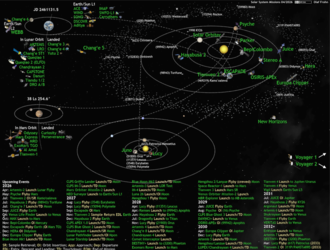
惑星間航行の現状と未来地球を飛び出し深宇宙へ挑む技術
惑星間航行宇宙探査脱出速度スイングバイ
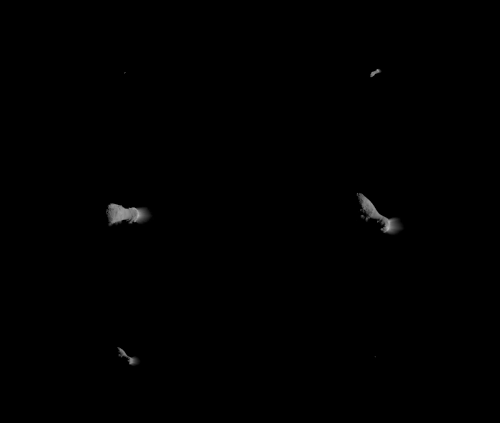
フライバイ(接近通過)の仕組みと宇宙探査における役割
フライバイ宇宙探査スイングバイ惑星接近
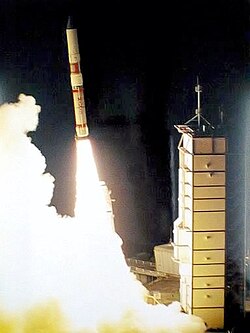
のぞみ(Nozomi)の挑戦火星探査機が辿った波乱の軌道とミッション
のぞみ火星探査機M-Vロケットスイングバイ