現代の映画産業が世界的な影響力を持つまでには、数多くの挑戦者が存在しました。その中でも、ウィリアム・ニコラス・セリグ(William Nicholas Selig)は、単なる映画制作者にとどまらず、撮影機材の開発からスタジオの設立、そしてロサンゼルスを映画の聖地へと導いた真のパイオニアでした。手品師としてのキャリアから始まり、「大佐(Colonel)」の愛称で知られた彼の足跡は、初期アメリカ映画の歴史そのものと言っても過言ではありません。
Key Facts
- 業界の先駆者: 1896年にセリグ・ポリスコープ社を設立し、アメリカ初期の映画制作を牽引した。
- ロサンゼルスの開拓: 1909年にロサンゼルスのエデンドールに初の恒久的なスタジオを建設し、西海岸への映画制作移転を促した。
- 革新的な形式: 初の本格的な映画シリーズ(シリアル)である『キャスリンの冒険』を制作し、「クリフハンガー」の手法を普及させた。
- 才能の育成: ブロンコ・ビリーやトム・ミックスなど、後の西部劇スターを世に送り出した。
- 多才な活動: 映画制作の傍ら、数百頭の動物を飼育する巨大な動物園を運営し、撮影に活用した。
手品師から映画界の巨匠へ
1864年にシカゴで生まれたセリグは、当初はマジシャンやミンストレル・ショーのパフォーマーとして活動していました。転機となったのは1894年、テキサス州ダラスの州博覧会でトーマス・エジソンのキネトスコープ(初期の映画投影機)を目にしたことです。この体験に衝撃を受けた彼は、エジソン社に特許料を支払わずに独自の映画制作システムを構築することに執念を燃やしました。
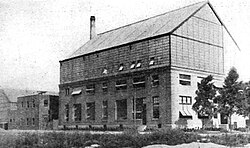
彼は熟練の金属加工職人や機械工のアンドリュー・シュツェクと協力し、リュミエール兄弟のシネマトグラフに似た独自のカメラと投影機を開発しました。こうして1896年、シカゴにセリグ・ポリスコープ社を設立。当初は企業の産業映画や旅行記などの短編を中心に制作していましたが、同時に『The Tramp and the Dog』のような物語形式の映画にも着手し、シカゴを舞台にした初のナラティブ映画を世に送り出しました。
ロサンゼルスへの進出とスタジオ時代の黄金期
セリグの最大の功績の一つは、映画制作の拠点を西海岸へ移したことです。1909年、彼はロサンゼルスのエデンドール地区に恒久的なスタジオを建設しました。南カリフォルニアの温暖な気候は年間を通じて屋外撮影を可能にし、多様な地形は世界中のあらゆる場所を再現するのに最適でした。また、当時エジソンが率いていた映画特許会社(MPPC)の厳しい監視から地理的に距離を置く狙いもありました。
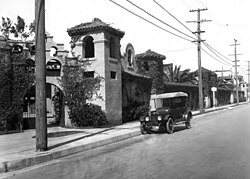
この地で、セリグは西部劇というジャンルを確立させました。ブロンコ・ビリー・アンダーソンなどのスターを起用し、本物の風景を活かした作品を量産しました。また、1910年には初の『オズの魔法使い』を映画化し、20分ほどの長尺となる「2リール映画」の先駆けとなった『デーモンとピュティアス』を制作するなど、形式面でも常に挑戦を続けました。
さらに、セリグは撮影用の動物を確保するために、東ロサンゼルスに700頭以上の野生動物を飼育する巨大な動物園を併設しました。これにより、ジャングルを舞台にした作品や冒険活劇において、圧倒的なリアリティを追求することが可能となりました。
映画形式の革新と波乱の展開
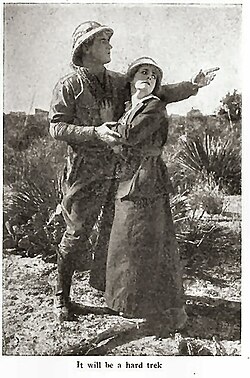
セリグは、物語を途中で切り、次回への期待感を高める「クリフハンガー」という手法を普及させた人物でもあります。1913年に制作された『キャスリンの冒険』は、アメリカ初の本格的な映画シリーズ(シリアル)として大ヒットを記録しました。
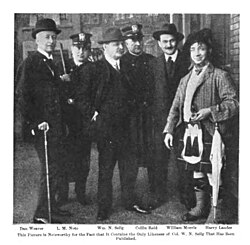
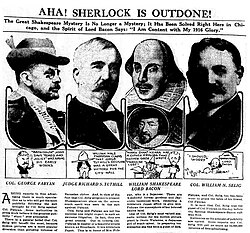
しかし、彼のキャリアは平坦ではありませんでした。1916年には、シェイクスピアの作品を映画化する計画に関連し、フランシス・ベーコンこそが真の著者であると主張するジョージ・ファビアンを訴えるという奇妙な法廷闘争に巻き込まれました。一時的に裁判所がファビアンの主張を認めるという騒動になりましたが、最終的にこの判決は取り消されました。
時代の変遷と晩年
第一次世界大戦の勃発により、ヨーロッパでの事業利益が減少したことに加え、映画業界がより高予算の長編映画へとシフトしたことで、セリグ・ポリスコープ社は競争力を失い、1918年に閉鎖に追い込まれました。その後も独立プロデューサーとして活動し、1930年代まで映画に関わり続けましたが、世界恐慌によって動物園や資産の多くを失いました。
晩年は、かつて自身が権利を保有していた物語の権利を販売する文芸エージェントとして生計を立てていました。1948年に84歳で没しましたが、その功績は後世に高く評価され、ハリウッド・ウォーク・オブ・フェームに星が刻まれているほか、1947年には映画産業の構築への貢献が認められ、アカデミー名誉賞を授与されています。
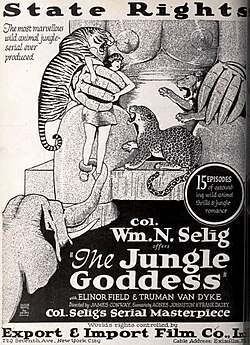
セリグの主要業績まとめ
| カテゴリー | 主な成果・作品 | 歴史的意義 |
|---|---|---|
| スタジオ設立 | エデンドール・スタジオ (1909) | ロサンゼルスを映画制作の中心地へと導いた |
| 形式の導入 | 『キャスリンの冒険』 (1913) | 初の本格的シリアル映画とクリフハンガーの普及 |
| ジャンル開拓 | ブロンコ・ビリー作品 | 初期西部劇のスタイルを確立 |
| 技術・設備 | セリグ・ポリスコープ / 動物園 | 独自機材の開発と大規模な動物撮影環境の整備 |
Frequently Asked Questions
ウィリアム・N・セリグはなぜ「大佐(Colonel)」と呼ばれていたのですか?
彼が映画業界に入る前、ミンストレル・ショーの巡業を行っていた際に、自らにつけた肩書き(ステージ名)であったためです。映画制作に転身した後も、この名称が彼のトレードマークとして定着しました。
彼がロサンゼルスにスタジオを作った理由は何ですか?
主に2つの理由があります。一つは、年間を通じて屋外撮影が可能な気候と、世界各地を模した多様な風景が揃っていたこと。もう一つは、当時エジソンが率いていた映画特許会社(MPPC)の法的・経済的な圧力から逃れるため、地理的に離れた場所を求めたことです。
「クリフハンガー」とはどのような手法ですか?
物語の絶頂期や危機的な状況でエピソードを終了させ、視聴者に「この後どうなるのか」という強い好奇心を抱かせ、次回の視聴を促す演出技法です。セリグはシリアル映画を通じてこの形式を一般化させました。
セリグが運営していた動物園はどのような役割を果たしましたか?
スタジオに併設されたこの動物園には700頭以上の野生動物が収容されており、ジャングル映画や冒険活劇の撮影において、わざわざ海外へ行かずに本物の動物を起用できるという大きな競争力をスタジオに与えました。
彼が映画業界に残した最大の遺産は何ですか?
単一の作品よりも、ロサンゼルスという土地に映画制作の基盤を築いたこと、そして物語映画の形式(シリアルや長尺映画)を模索し、後のハリウッド・システムへと繋がる道を切り拓いた点にあります。
References
- Loerzel, Robert (2003). Alchemy of Bones: Luetgert Judge Rules Bacon Wrote Shakespeare's Plays. University of Illinois Press. .
He claimed to have made the first narrative film shot in Los Angeles, 1908 's The Count of Monte Cristo, and he established what may have been the first permanent studio in the Los Angeles area in 1909. He had other claims to fame as well: His studio was credited with being the first U.S. company to shoot a two-reel film, Damon and Pythias (1908), and the first true serial, The Adventures of Kathlyn (1913-1914). Western star Tom Mix got his start with Selig. Selig shut down his Selig Polyscope Company in 1918 but continued to produce motion pictures into the 1930s. The final pictures credited to Selig were The Drag-Net (1936) and Convicts at Large (1938).
- Erish, Andrew A. (1 March 2012). Col. William N. Selig, the Man Who Invented Hollywood. . . Retrieved 3 August 2021. PDF
- Davis, Robert Murray (2005). "Shooting Cowboys and Indians: Silent Western Films, American Culture, and the Birth of Hollywood by Andrew Brodie Smith (review)". Western American Literature. 39 (4): 465–466. :10.1353/wal.2005.0061. 1948-7142. 165425332. Retrieved 3 August 2021.
Later he was rescued from near-bankruptcy by the Armour Company, which wanted his help in combating bad publicity from Upton Sinclair's The Jungle (1906). Selig turned to Westerns partly because of Harry H. Buckwalter, a photographer and pitchman for Colorado tourism who had a keen eye for what is now called product placement and brought to Western films authenticity of background, if not of plot.
- "Col. William Selig, Hollywood's Forgotten Man". Silver Lake News. August 18, 2015. Archived from the original on 2 November 2021. Retrieved 3 August 2021.
In 1909, Selig opened a permanent studio in Edendale, at 1800 Glendale Boulevard; the site, still a comparatively isolated area with a backdrop of mountains, quiet residential streets and bodies of water, all within striking distance of a bustling downtown, proved to be ideal. Others would follow Selig's lead in dramatic fashion: Mack Sennett's Keystone Film Company arrived in town and set up shop a block away (at 1712 Glendale Boulevard) followed by cowboy star Tom Mix's "Mixville" at the corner of Glendale and Silver Lake Boulevards.
-
Giambrone, Jeff T. (19 October 2011). "The Crisis: Mississippi's First Civil War Film". Mississippians in the Confederate Army. Retrieved 3 August 2021.
the silent movie The Crisis. This was the first feature-length film to be shot in Mississippi, a Civil War epic that was released in 1916......The future studio executive got his start in the entertainment industry as a magician in 1894, billing himself as "Selig, Conjurer." From this humble beginning he expanded and developed his act into a minstrel show attraction, and picked up the rank of "Colonel." Selig saw his first movie in 1895, on a Kinetoscope, which had been invented by Thomas Edison.
- Smith, Michael Glover; Selzer, Adam (20 January 2015). "4". Flickering Empire: How Chicago Invented the U.S. Film Industry. Columbia University Press. :10.7312/columbia/9780231174497.001.0001. .
Selig was one of the most successful, and colorful, motion-picture pioneers of the 1890s and early 1900s. A native Chicagoan and traveling magician, Selig conferred the title "Colonel" upon himself while touring the minstrel show circuit. It was while in Dallas that Selig first saw Thomas Edison's Kinetoscope, and he soon became obsessed with motion pictures and with finding his own way to create and exhibit them. Selig returned to Chicago, where he created, in collaboration with machinist Andrew Schustek, his own camera and projector based on the design of the Cinematographe. Selig named his camera the "Selig Standard Camera" and his projector the "Selig Polyscope."
- "William N. Selig ('Colonel') (1864-1948)". Who's Who of Victorian Cinema. Retrieved 4 August 2021.
- "Makes 'Scope' Films". The Phonoscope. 1 (7). Phonoscope Publishing Company: 13. June 1897. Retrieved 4 August 2021.
- "Multiscope & Film Company Camera Listing". Historic Camera. Retrieved 4 August 2021.
- Keil, Charlie (3 December 2001). Early American Cinema in Transition: Story, Style, and Filmmaking, 1907–1913. Univ of Wisconsin Press. . Retrieved 4 August 2021.
📸 フォトギャラリー