映画史における最も独創的なコメディアンの一人、バスター・キートン(本名:ジョセフ・フランク・キートン)は、緻密に計算された身体的アクションと、一切の感情を表に出さない独特の表情で世界を魅了しました。彼は単なる俳優にとどまらず、監督としても類まれなる才能を発揮し、現代の映画表現にも多大な影響を与え続けています。
Key Facts
- トレードマーク:「グレート・ストーン・フェイス(偉大なる石の顔)」と呼ばれる無表情な演技。
- 特技:自らスタントをこなす驚異的な身体能力と、独創的なギャグの考案。
- 代表作:『ゼネラル』、『シャーロック・Jr.』、『蒸気船ビリー』など。
- 象徴的アイテム:自らカスタマイズしたポークパイハット(山高帽)。
- 評価:1959年にアカデミー名誉賞を受賞。
ヴォードヴィルから映画界への飛躍
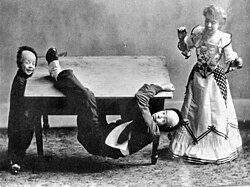
キートンの芸能人生は、幼少期に家族と共に巡業していたヴォードヴィル(寄席のような演芸場)から始まりました。子供時代からステージに立っていた彼は、この時期に身体を巧みに使ったパフォーマンスの基礎を築きました。
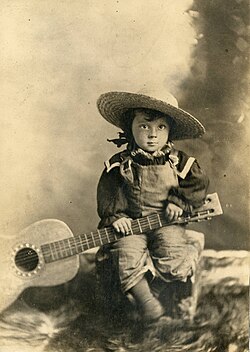
幼い頃の彼は、両親と共に「ザ・スリー・キートンズ」として活動し、観客を笑わせる術を身につけていきました。
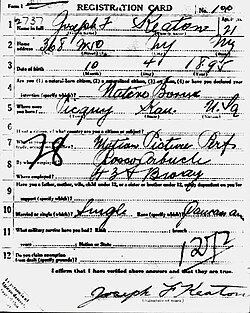
その後、映画の世界に足を踏み入れたキートンは、ロスコ・アーバックルらと共に短編コメディで頭角を現します。1920年代初頭には自身の制作ユニットを設立し、『ワン・ウィーク』や『プレイハウス』などの2リール短編で成功を収めました。
黄金時代と独創的な映画スタイル
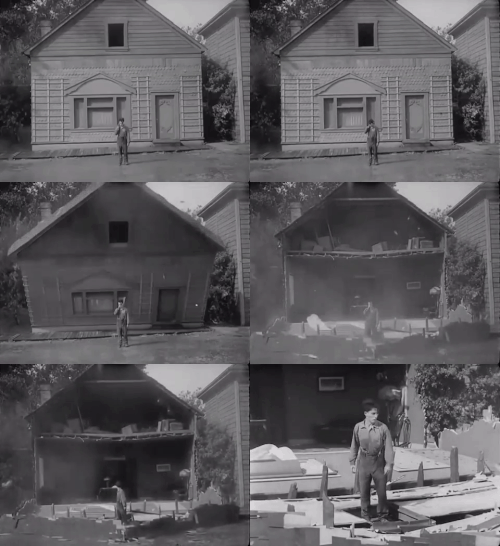
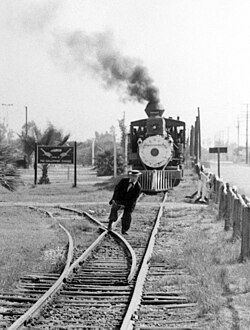
1920年代半ばから後半にかけて、キートンは長編映画へと活動の幅を広げます。特に『ゼネラル』(1926年)は、オーソン・ウェルズが「史上最高のコメディ映画」と称賛するほどの傑作となりました。彼のスタイルは、単なるドタバタ劇ではなく、幾何学的な構図と緻密なタイミングに基づいた「身体的発明」とも呼べるものでした。
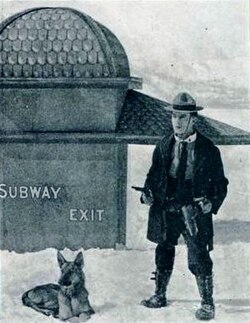
キートンの最大の特徴は、危険極まりないスタントを自ら演じる点にありました。例えば『蒸気船ビリー』(1928年)では、命に関わるほどの過酷なシーンにも挑戦し、観客に本物の緊張感と笑いを提供しました。
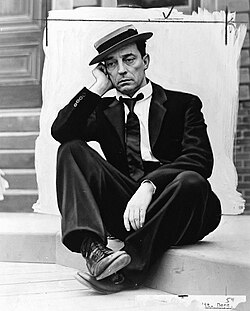
また、彼の視覚的なアイコンであるポークパイハットは、既製品のステットソンを切り詰め、砂糖水でつばを固めるなど、彼自身がこだわりを持って制作していました。激しいアクションで頻繁に破損するため、1本の映画を撮るのに数個から数十個の帽子を消費したと言われています。
苦難の時代と再起への道のり
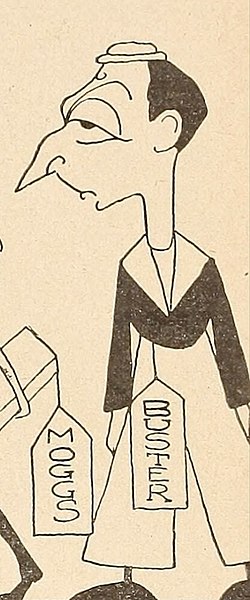
1928年以降、メトロ・ゴールドウィン・メイヤー(MGM)社との契約により、キートンはそれまで持っていた芸術的な独立性を失います。私生活では離婚やアルコール依存症に悩み、1933年にはMGMを解雇され、主演俳優としてのキャリアは一時途絶えました。
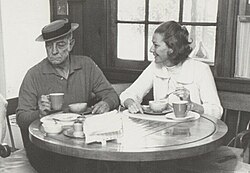
しかし、1940年代にエレノア・ノリスと再婚したことで人生の転機を迎えます。彼女の支えにより心身ともに回復したキートンは、再びコメディアンとしての活動を再開。パリのシルク・メドラノでの公演や、テレビ番組への出演を通じて、新たな世代にその才能を伝えました。
晩年には、ビリー・ワイルダー監督の『サンセット大通り』やチャップリンの『ライムライト』への出演、さらには1960年代のビーチパーティー映画シリーズへの参加など、多彩な活動を展開しました。
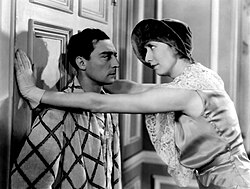
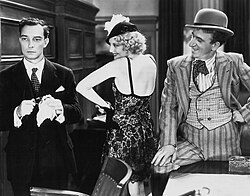
また、テレビドラマ『トワイライト・ゾーン』や『ルート66』などのゲスト出演を通じ、その唯一無二の存在感を示し続けました。
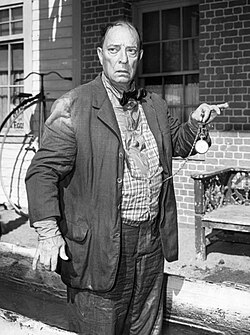
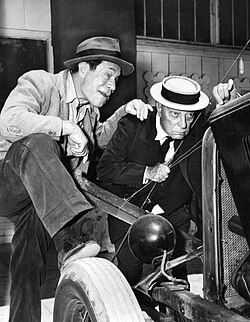
不滅のレガシー
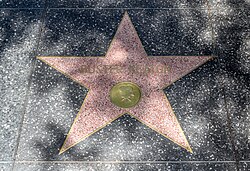
キートンは1966年に肺がんのためこの世を去りましたが、その功績は今なお高く評価されています。ハリウッド・ウォーク・オブ・フェームには2つの星が刻まれ、彼が撮影を行った路地は「チャップリン・キートン・ロイド路地」と改名されました。
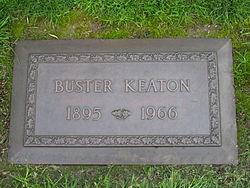
| 項目 | 詳細 |
|---|---|
| 生没年 | 1895年10月4日 - 1966年2月1日 |
| 出身地 | アメリカ合衆国カンザス州ピクア |
| 主な役職 | 俳優、コメディアン、映画監督、スタントマン |
| 活動期間 | 1899年 - 1966年 |
| 代表的な受賞 | アカデミー名誉賞(1959年) |
Frequently Asked Questions
なぜ「グレート・ストーン・フェイス」と呼ばれたのですか?
どんなに混乱した状況や危険なシーンに直面しても、一切表情を変えないストイックな演技スタイルが特徴的だったため、このニックネームがつきました。
スタントは本当に本人が行っていたのですか?
はい、キートンは自らスタントを設計し、実行することにこだわっていました。CGや特殊効果がない時代に、物理的な計算に基づいた本物の危険を伴うアクションを演じていました。
ポークパイハットにはどのようなこだわりがありましたか?
彼は既製品をベースに、つばの形を調整したり砂糖水で補強したりして、自分に最適な形にカスタマイズしていました。激しいアクションで壊れることが多かったため、大量に自作していました。
キャリアの絶頂期はいつでしたか?
一般的に1920年から1929年までのサイレント映画時代が黄金期とされており、この期間に監督・主演として数多くの独創的な傑作を残しました。
チャールズ・チャップリンとの違いは何ですか?
チャップリンが感情豊かなキャラクターによる人間ドラマを重視したのに対し、キートンは数学的な精密さと身体的なメカニズム、そして状況が生み出すシュールな笑いを追求した点が異なります。
References
- Meade, Marion (1997). Buster Keaton: Cut to the Chase. Da Capo. p. 16. .
- Obituary , February 2, 1966, page 63.
- (October 15, 1995). "The Fall Guy". .
- Barber, Nicholas (January 8, 2014). "Deadpan but alive to the future: Buster Keaton the revolutionary". . Retrieved November 3, 2015.
- (November 10, 2002). "The Films of Buster Keaton". . Archived from the original on November 3, 2015. Retrieved January 28, 2016.
- "Buster Keaton's Acclaimed Films". They Shoot Pictures, Don't They. Archived from the original on March 29, 2016. Retrieved September 29, 2016.
- "Sight & Sound Critics' Poll (2002): Top Films of All Time". Sight & Sound via . Archived from the original on January 29, 2016. Retrieved January 29, 2016.
- "Votes for The General (1924)". British Film Institute. Retrieved September 29, 2016.
- Andrew, Geoff (January 23, 2014). "The General: the greatest comedy of all time?". Sight & Sound. Archived from the original on September 6, 2015. Retrieved January 28, 2016.
- Orson Welles interview, from the Kino November 10, 2009 Blu-Ray edition of The General
📸 フォトギャラリー