映画の黄金時代を築き上げた巨匠の一人、キング・ヴィダーは、サイレント映画からトーキーへの移行期、そして大作映画の時代まで、半世紀以上にわたって映画界に多大な影響を与え続けました。彼は単なる演出家にとどまらず、脚本家やプロデューサーとしても活動し、人間ドラマへの深い洞察と革新的な視覚表現を融合させた作品を数多く世に送り出しました。
Key Facts
- 活動期間: 1913年から1980年まで、約67年間にわたり映画制作に従事。
- 代表作: 『ビッグ・パレード』『ザ・クラウド』『ハレルルヤ』など。
- 受賞歴: 映画界への多大な貢献により、アカデミー名誉賞を受賞。
- 特筆すべき功績: サイレント映画の頂点の一つとされる戦争映画や、人種的な壁を越えた作品を制作。
- 教育活動: 後年、UCLAやUSCで映画制作に関する講義を行い、次世代の育成にも尽力。
キャリアの始まりとハリウッドへの道
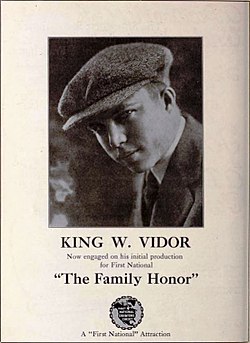
1894年にテキサス州ガルベストンで生まれたヴィダーは、地元のHotex Motion Picture Companyなどで経験を積み、映画制作の基礎を学びました。1915年から1918年にかけてハリウッドでの修行時代を過ごし、その後Brentwood Film Corporationなどで監督としてのキャリアを本格的にスタートさせました。
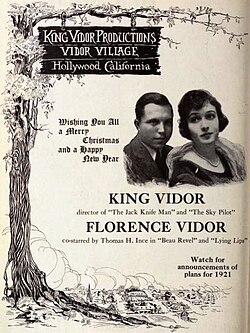
1920年代に入ると、First National ExhibitorsやMetro(後のMGM)と契約し、その才能を開花させます。特に1921年の『ザ・スカイ・パイロット』などの作品を通じて、物語を視覚的に伝える能力を磨いていきました。
MGM時代とサイレント映画の頂点
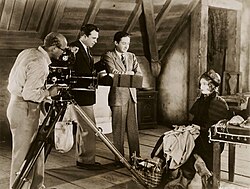
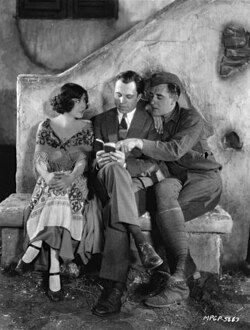
1923年から1944年まで、ヴィダーは映画の殿堂ともいえるMGM(メトロ・ゴールドウィン・メイヤー)に所属し、数々の傑作を誕生させました。中でも1925年の『ビッグ・パレード』は、戦争の悲劇と人間性を描き出したサイレント時代の金字塔として高く評価されています。
また、1928年の『ザ・クラウド』では、都会の群衆の中に埋もれる個人の孤独を鋭く描き、映画におけるポピュリズム的な視点を提示しました。この時期、彼はジョン・ギルバートら名優たちと協力し、映画表現の限界を押し広げました。
トーキーへの移行と多様な挑戦
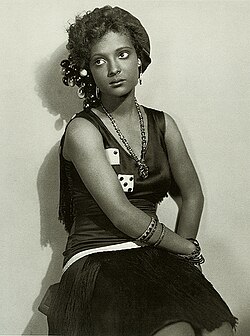
音響付き映画(トーキー)の時代が到来しても、ヴィダーの創造性は衰えませんでした。1929年の『ハレルルヤ』では、黒人文化と生活を主題に据え、当時の映画界では極めて挑戦的な試みを行いました。
その後、彼は「戦争・小麦・鋼鉄」という三部作の構想を掲げ、『ビッグ・パレード』(戦争)、『我らの日々の糧』(小麦)、そして『アメリカン・ロマンス』(鋼鉄)を通じて、アメリカ社会の変遷と人間の闘争を描き出しました。
晩年の活動と芸術的探求
1940年代以降も、『太陽の決闘』のような大作や、『日本人の戦時花嫁』などの作品を手がけました。また、1939年の名作『オズの魔法使』では、ジュディ・ガーランドが「Over the Rainbow」を歌うシーンを含むカンザスのモノクロパートの演出を担当したことでも知られています。
ハリウッドの第一線を退いた後も、形而上学をテーマにした『真実と幻想』や、画家アンドリュー・ワイエスとの共同プロジェクト『メタファー』など、より個人的で哲学的な表現を追求し続けました。1972年には、自身の経験をまとめた映画制作ハンドブック『On Film Making』を出版しています。
![Vidor directed the black & white sequences for The Wizard of Oz (1939), including Judy Garland singing "Over the Rainbow"[121]](/images/95/89/9589d684fe37064079ee7833aeab58af6e241c796f4d0d80a86b3855e0285af0.jpg)
キング・ヴィダーの主要作品まとめ
| 作品名 | 公開年 | 主な特徴・意義 |
|---|---|---|
| ビッグ・パレード | 1925 | サイレント映画の傑作。戦争の現実を鮮烈に描写。 |
| ザ・クラウド | 1928 | 都市生活者の孤独と匿名性を描いた社会派作品。 |
| ハレルルヤ | 1929 | 黒人キャストを起用した先駆的な音楽映画。 |
| 我らの日々の糧 | 1934 | 大恐慌時代の背景を持つ、土地と人間への回帰を描いた作品。 |
| 太陽の決闘 | 1946 | 情熱的な人間ドラマを描いたサウンド時代の代表作。 |
Frequently Asked Questions
キング・ヴィダーはどのようなスタイルの監督でしたか?
彼はアメリカの風景や農村生活を詩的に描くことに長けており、個人の内面的な葛藤と、それを包み込む壮大な社会背景や自然を対比させる演出を得意としました。
『オズの魔法使』でどのような役割を果たしましたか?
映画全体の監督ではありませんが、物語の導入部であるカンザスのモノクロシーンの演出を担当しました。これには、主人公ドロシーが有名な楽曲を歌う重要な場面が含まれています。
彼が掲げた「戦争・小麦・鋼鉄」の三部作とは何ですか?
アメリカの精神性を象徴する3つのテーマに基づいた作品群です。『ビッグ・パレード』が戦争、『我らの日々の糧』が小麦(農業)、『アメリカン・ロマンス』が鋼鉄(工業)を象徴しています。
アカデミー賞との関わりはどうでしたか?
多くの作品で監督賞にノミネートされたほか、彼が演出した俳優たちが主演男優賞や主演女優賞を受賞・ノミネートされました。最終的に、その革新的な功績が認められ、アカデミー名誉賞を授与されました。
晩年は映画制作以外にどのような活動をしていましたか?
大学での講義を通じて映画制作の技術や理論を教えたほか、自伝の執筆や、映画の枠を超えた芸術的な実験映像の制作に没頭していました。
References
- Berlinale Retrospective 2020: "...he was actively involved in making movies for 67 years." And "allowed the material to define the style." And on "auteur": "Vidor's status as an auteur is definitely underscored by his independence and by the passion he brought to films. ...Vidor was indeed at times something of an auteur filmmaker..." And on "humane": "There is also a whole series of motifs that repeatedly turn up in his films, and which reflect the things he cared about – issues of class, as well as the issue of race in the US, which he incorporated into his films with a humanist bent..."
WSWS Reinhardt 2020: "What distinguished him as an artist was his instinct for substantial and relevant social topics and conflicts."
Gustaffson 2016: "At his best, Vidor "made films about the human condition, about human's moral and physical battles, and the battle between us and nature.
Baxter 1976, p. 41: "...Vidor adapted well to sound." - Phillips, 2009: "The 141-minute feature was the first silent American movie to deal realistically with the horrors of war and to do it from the standpoint of ordinary soldiers. It was also the most profitable silent-era feature and remained MGM's most successful film until Gone with the Wind in 1939. In some American cities, it screened for more than a year." Also: Decades after its release "it remains a formidable work."
Thomson, 2007: The metronome "sequence seems to have influenced many directors especially Kurosawa and Spielberg."
Reinhardt 2020: "His film The Big Parade (1925) influenced other anti-war films such as Lewis Milestone's All Quiet on the Western Front (1930)." - Sarris, 1973. P. 27: "...the major directors of 1940 by almost any standard...included King Vidor (Northwest Passage, Comrade X)
Baxter 1976. P. 63: The 1940s and early 50s were "Vidor's greatest period...in [his] career." - Koszarski, "...later films [such as] Northwest Passage, An American Romance, and The Fountainhead demonstrate that Vidor was able to create films of personal expressiveness...it could be easily argued that only in the '40s and '50s do his heroes and heroines develop the richness of personality that characterizes any director's mature style."
- Thomson, 2007: "He made films glorifying the effects of Western civilization and its contents, detailing how ordinary men are made extraordinary through their fight against the neutral destructiveness of nature."
- Baxter 1976: "...the sense of the American landscape...distinguishes his best films. What sets Vidor apart from his contemporaries is...a dark, almost demonic view of the land." And p. 9: "...Vidor's disquiet about natural forces."
- Higham 1972: "Vidor has always been a poet of the American landscape, creating vivid images of rural life..."
- Higham 1972: "Vidor's earlier movies had tended to emphasize the virtues of the common man. But gradually he came to believe that the individualist was the most important of beings, that a man must ignore received opinion and hold ruthlessly to what he believes."
- Senses of Cinema 2007: In his later films "Vidor's men became more unlikable and scarier as his country itself veered away from the proletarian dreams of the 1930s and into the consumer culture of the '50s and beyond. All his men work against things: war, consuming lust, the land, the illnesses of the body, bourgeois routine, lost love. They always emerge stronger from their struggle."
- Berlinale, 2020: "In general, King Vidor was a great "actors' director". You often see performances in his films that are absolutely astounding. And often it's the women who shine..."
📸 フォトギャラリー