「西洋(ウェスト)」という言葉は、単なる地理的な方位を指すものではありません。一般的にヨーロッパ、北アメリカ、オーストララシアなどの国家を指しますが、その境界線は時代や文脈によって絶えず変化してきました。ラテン語で「日没」を意味するOccident(オクシデント)とも呼ばれ、対照的に「日の出」を意味するOrient(オリエント=東洋)と対比されます。
西洋とは、固定された国境を持つ地域ではなく、文化的な共通性、政治的な同盟、そして経済的な相互作用によって形成される動的な概念です。そのため、ラテンアメリカや旧ソ連圏の国々を西洋に含めるかどうかについては、現在でも議論が続いています。
Key Facts
- 起源: 古代ギリシャと古代ローマが西洋文明の揺籃(ようらん)地とされる。
- 宗教的基盤: ラテン・キリスト教の伝統が西洋のアイデンティティ形成に深く関与している。
- 地理的拡大: 大航海時代以降、植民地化を通じてアメリカ大陸やオセアニアへ概念が拡大した。
- 現代的定義: 地理的な位置よりも、政治的価値観や経済的状況、歴史的背景が重視される。
西洋文明の誕生と古代の遺産
西洋の知的・文化的基盤は、古代ギリシャの哲学や科学、そしてローマ帝国の法と統治システムにあります。これらは現代の民主主義や法治国家の根源となりました。
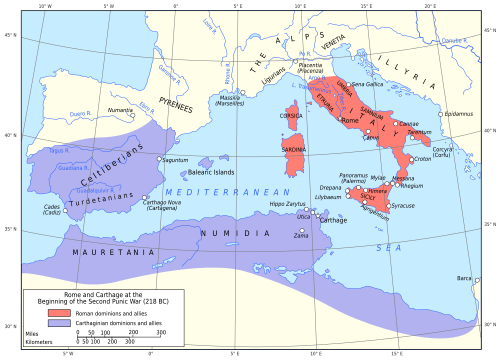
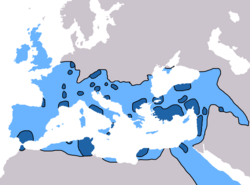
紀元前218年頃のローマ共和国はイタリア半島をほぼ制覇し、その後、地中海世界を支配する巨大な帝国へと成長しました。この時代に形成されたインフラや統治機構が、後のヨーロッパの基礎となります。
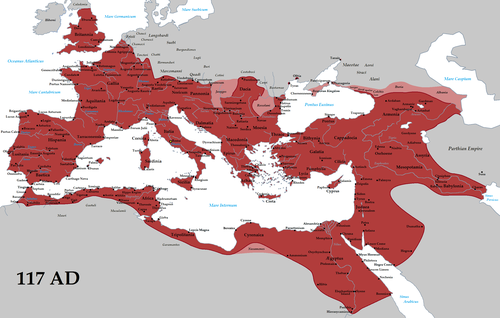
西暦117年頃のローマ帝国は、最盛期にその領土を劇的に拡大させ、多様な民族を一つの政治体系の下に統合しました。
東西の分断と中世の展開
「西洋」という地理的概念が明確に現れ始めたのは、4世紀のことです。コンスタンティヌス帝によるローマ帝国の東西分割により、ギリシャ文化圏の東方と、ラテン文化圏の西方に分かれました。
![Map of the Western and Eastern Roman Empire at the death of the last emperor to rule both halves.[89]](/images/ee/89/ee890d8230bbfc78cb00c6e4997b6818114ff356df00b9ec2eb07e78520dc99d.webp)
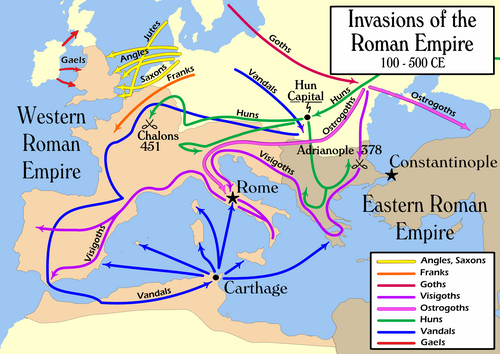
その後、西ローマ帝国は5世紀にゲルマン民族の侵入などにより崩壊し、各地にゲルマン王国が成立しました。一方で、東ローマ帝国(ビザンツ帝国)はその後1000年以上にわたって存続し、独自の発展を遂げました。
宗教的な対立も深刻化し、1054年の「大分裂(東西教会分裂)」によって、ローマ教皇を中心とする西欧教会と、コンスタンティノープルの総主教を中心とする東方教会が完全に分断されました。この宗教的・政治的な溝は、後の十字軍遠征などを通じて決定的なものとなりました。
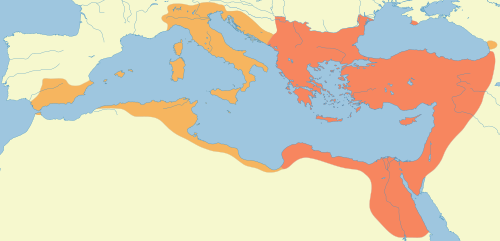
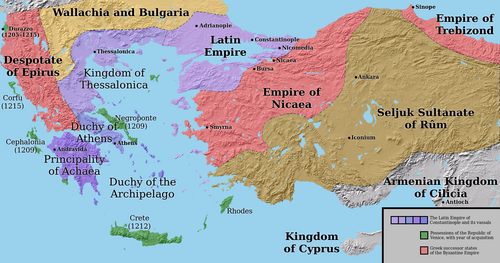
ビザンツ帝国は一時期、広大な領土を回復し、正教会の中心として繁栄しましたが、次第に衰退し、ラテン帝国による占領などの混乱を経て、西洋とは異なる独自の道を歩むことになります。
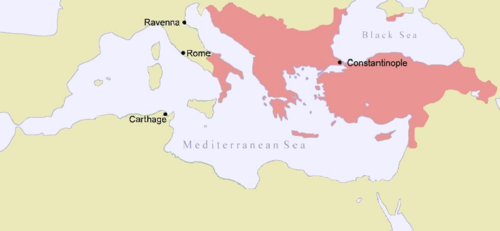
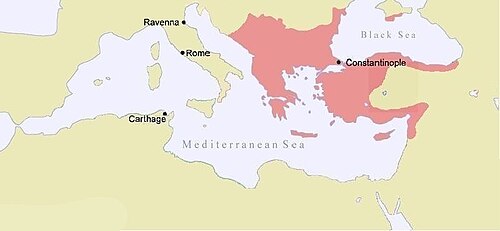
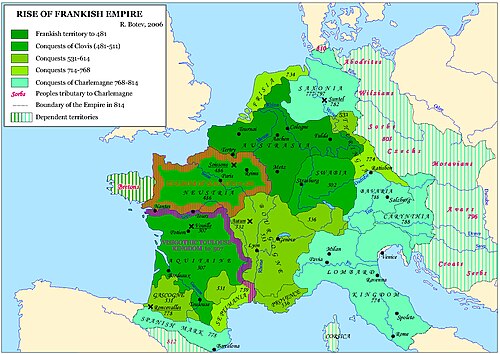
一方、西欧ではフランク王国などの台頭により、キリスト教を基盤とした新しいヨーロッパの秩序が形成されていきました。
大航海時代と世界への拡大
中世末期から近世にかけて、西洋は東方への貿易ルートを求めて海へ乗り出しました。これが「大航海時代」の始まりです。ポルトガルやスペインなどの国家が主導し、未知の航路が開拓されました。
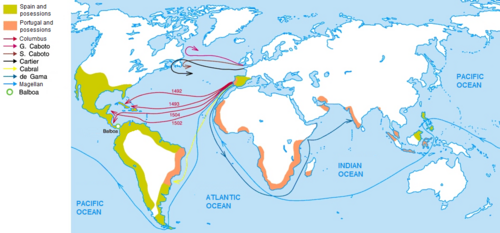
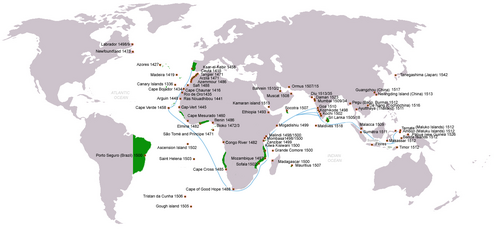
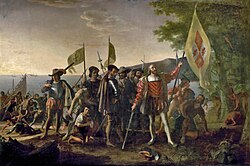
1492年のクリストファー・コロンブスによる新大陸到達は、世界史の転換点となりました。これにより、西洋の文化、宗教、政治制度がアメリカ大陸へと移植されました。
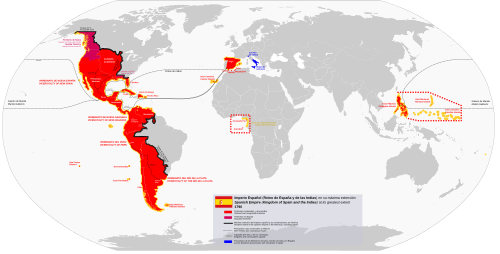
スペイン帝国などは、18世紀末までに地球規模で広大な領土を支配し、西洋という概念は「ラテン・キリスト教の継承者」として世界的に拡大していきました。
近代から現代へ:概念の変容
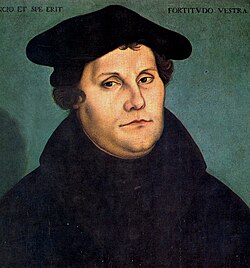
16世紀の宗教改革により、マルティン・ルターらがカトリック教会に異を唱え、プロテスタントが誕生したことで、西洋内部でも多様な価値観が生まれました。
その後、啓蒙主義や産業革命を経て、西洋は科学技術と経済力で世界をリードするようになります。19世紀から20世紀にかけては、イギリスやアメリカの台頭により、英語圏(アングロスフィア)の影響力が強まりました。
冷戦時代(1947年〜1991年)には、「西側諸国」という言葉が、資本主義と自由民主主義を掲げる陣営を指す政治的な用語として定着しました。
現代における「西洋」の定義
現代では、地理的な位置よりも「価値観の共有」が重視されます。例えば、東半球に位置するオーストラリアやニュージーランドは、イギリスの植民地時代を経て西洋的な制度と文化を継承したため、西洋世界の一員と見なされます。
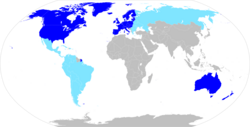
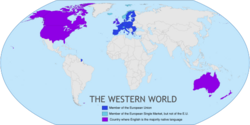
また、経済的な所得水準や、キリスト教(特にカトリックおよびプロテスタント)の信仰分布なども、西洋を定義する指標として用いられることがあります。
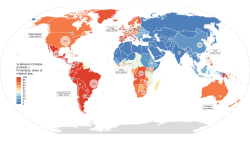
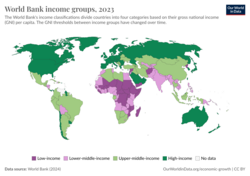
一方で、ロシアのように、歴史的に西洋と東洋の両方の性質を持ち、時代によってその定義が揺れ動く国も存在します。
西洋世界の構成要素まとめ
| 視点 | 主な構成要素・特徴 | 該当する主な地域 |
|---|---|---|
| 歴史・文化 | 古代ギリシャ・ローマの遺産、ラテン・キリスト教の伝統 | 西欧、北米、中南米の一部 |
| 政治・価値観 | 自由民主主義、個人主義、法の支配 | EU加盟国、米国、カナダ、豪州、NZ |
| 経済 | 高度に工業化された経済、高所得水準(グローバルノース) | 先進工業国 |
Frequently Asked Questions
オーストラリアやニュージーランドは地理的に東にあるのに、なぜ「西洋」なのですか?
西洋の定義は地理的な位置ではなく、歴史的な背景や文化的な影響に基づいているためです。これらの国々はイギリスによる植民地化を経て、法制度、言語、政治体制などの西洋的な基盤を継承したため、現代では西洋世界の一部と見なされています。
ラテンアメリカは西洋に含まれますか?
視点によって異なります。スペインやポルトガルの植民地時代にカトリック信仰とラテン系言語が導入されたため、文化・宗教的には西洋の一部とされますが、経済的・政治的な文脈では区別されることがあります。
「西洋」と「東洋」の境界線はどこにありますか?
明確な境界線は存在しません。歴史的には、ローマ帝国の東西分割や、キリスト教の東西教会分裂がその分水嶺となりましたが、現代では政治的な同盟関係や経済的な発展段階によって、流動的に定義されています。
ロシアは西洋世界の一部と言えますか?
ロシアは非常に複雑な位置にあります。正教会の伝統や地理的な広がりから東洋的な側面を持ちつつ、文化や芸術、政治制度において西洋の影響を強く受けてきました。時代や政治状況によって、西洋の一部とされることもあれば、対立する「他者」とされることもあります。
西洋文明の根源は何ですか?
主に3つの柱があると言われています。一つは古代ギリシャの哲学と民主主義、二つ目は古代ローマの法と統治システム、そして三つ目はエルサレムに端を発するユダヤ・キリスト教の倫理的伝統です。これらが融合して現在の西洋文明が形成されました。
References
- See
See - See
- By Rome's central location at the heart of the Empire, "West" and "East" were terms used to denote provinces west and east of the capital itself. Therefore, (Portugal and Spain), (France), the Mediterranean coast of (Tunisia, Algeria, and Morocco) and were all part of the "West". Greece, Cyprus, Anatolia, Lebanon, Syria, Israel, Palestine, Egypt, and Libya were part of the "East". Italy itself was considered central, until the reforms of dividing the Empire into true two halves: Eastern and Western.[]
- Portuguese sailors began exploring the coast of Africa and the Atlantic archipelagos in 1418–19, using recent developments in navigation, cartography and maritime technology such as the , in order that they might find a sea route to the source of the lucrative .[] In 1488, rounded the southern tip of Africa under the sponsorship of Portugal's , from which point he noticed that the coast swung northeast ().[] In 1492 would land on an island in the on behalf of the Spanish, and documenting the 's routes would be granted a by in 1502.[] With the discovery of the American continent or '' in 1492–1493, the European colonial and exploration was born, revisiting an view accompanied by the invention of , while marking the start of the . During this long period the launched a major effort to spread Christianity in the New World and to convert the and others. A 'Modern West' emerged from the (after the Renaissance and fall of Constantinople) as a new civilization greatly influenced by the interpretation of Greek thought preserved in the Byzantine Empire, and from there by Latin and through . (Popular such as were inspired and designed from transcriptions during this period.) works, of and styles, flourished during this modern period throughout . In 1497 Portuguese navigator made the first open voyage from Europe to India.[] In 1520, , a Portuguese navigator in the service of the (''), found a sea route into the .
- In the 16th century, the Portuguese broke the (overland) medieval monopoly of the Arabs and Italians of trade (goods and slaves) between Asia and by the around the Cape of Good Hope. With the ensuing rise of the rival Dutch East India Company, Portuguese influence in Asia was gradually eclipsed; Dutch forces first established fortified independent bases in the East and then between 1640 and 1660 wrestled some southern Indian ports, and the lucrative trade from the Portuguese. Later, the and the established some settlements in and trade with , and their own acquisitions would gradually surpass those of the Dutch. In 1763, the British eliminated French influence in India and established the as the most important political force on the .
- The was the occupation, division, and colonization of African territory by European powers during the period of , between 1881 and 1914. It is also called the 'Partition of Africa' and by some the 'Conquest of Africa'. In 1870, only 10 percent of Africa was under formal Western/European control; by 1914 it had increased to almost 90 percent of the continent, with only (Abyssinia), the (a portion of present-day ) and still being independent.
- In (8th century BC – AD 6th century), hegemony denoted the politico-military dominance of a over other city-states. The dominant state is known as the hegemon.
📸 フォトギャラリー