聖金曜日(グッドフライデー)は、キリスト教においてイエス・キリストが十字架にかけられ、亡くなった出来事を追悼する極めて重要な日です。復活祭(イースター)の直前の金曜日にあたり、信徒たちはキリストの受難と死を通じてもたらされた人類の救済を深く黙想します。
この日は単なる悲しみの記念日ではなく、キリストの犠牲が希望へとつながる転換点であるため、「グッド(聖なる)」という言葉が冠されています。世界中の教会では、祈祷、断食、そして厳かな典礼を通じて、この日の精神的な意味を再確認しています。
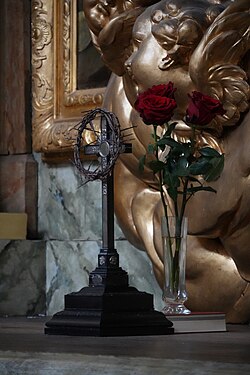
Key Facts
- 目的:イエス・キリストの受難、十字架刑、および死を記念すること。
- 日程:復活祭(イースター)の直前の金曜日。
- 主な習慣:礼拝、祈祷、徹夜祈祷、断食、喜捨(寄付)。
- 宗教的意味:キリストの犠牲による人類の救済と贖罪。
キリスト教各宗派における典礼と儀式
聖金曜日の過ごし方は宗派によって異なりますが、共通して「静寂」と「悔い改め」が重視されます。
東方正教会
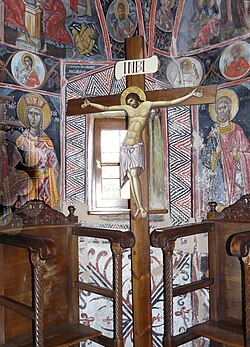
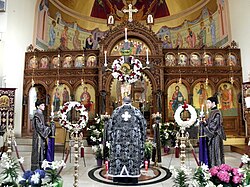
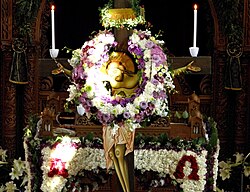
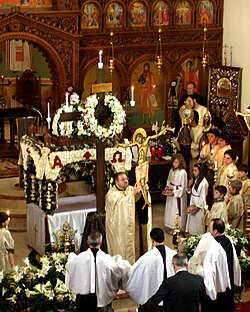
正教会では、非常に詳細な典礼が行われます。聖金曜日の早課(マティンズ)では、福音書からキリストの最後の説教、ゲッセマネの園での苦悶、そして十字架での死に至るまでの場面が朗読されます。
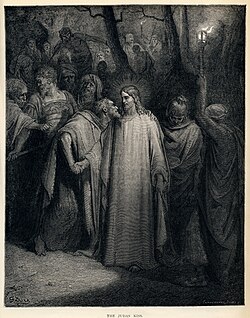
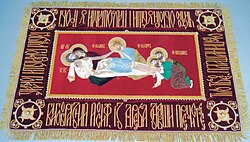
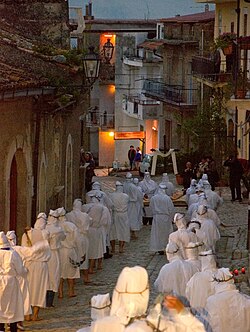
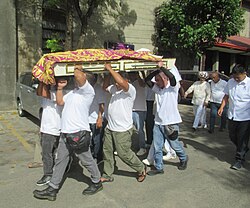
また、「ロイヤル・アワーズ(王の時間)」と呼ばれる特別な祈祷が行われ、夕刻の晩課(ヴェスパーズ)では、キリストが十字架から降ろされ、墓に安置される場面が再現されます。特にエピタフィオス(キリストの遺体を包む聖布のアイコン)を担いで練り歩く行列は、正教会の伝統的なハイライトです。
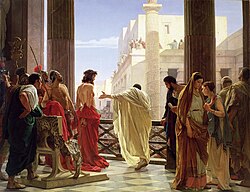
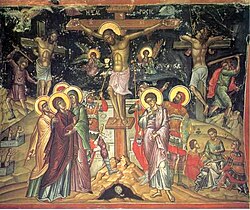
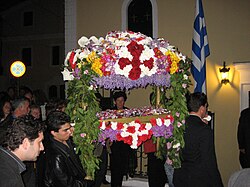
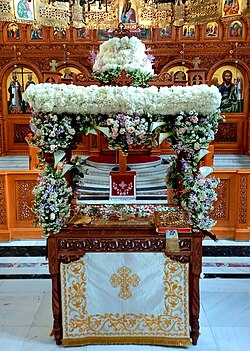
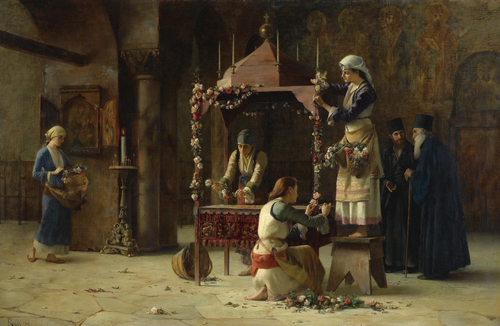
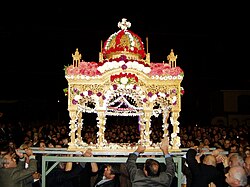
ローマ・カトリック教会
カトリック教会では、この日を断食の日として過ごします。代表的な儀式に「十字架の道行き(Stations of the Cross)」があり、イエスが十字架を背負ってゴルゴタの丘へ向かう14の場面を辿りながら瞑想します。
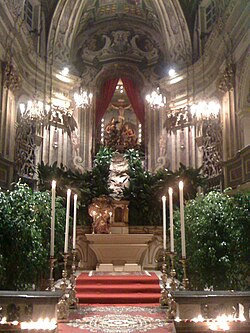
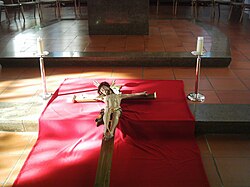
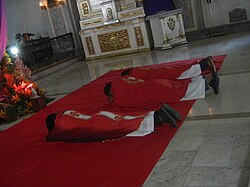
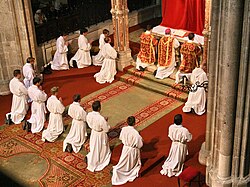
また、聖職者が床に伏して祈る謙譲の姿勢や、神聖な慈悲へのノベナ(九日間の祈り)なども行われます。
プロテスタント諸教会
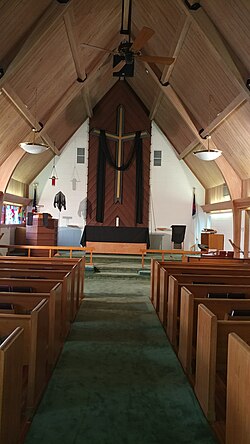
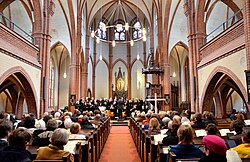
ルター派、聖公会、メソジスト、改革派などのプロテスタント教会でも、聖金曜日の礼拝が行われます。多くの教会では、喪を象徴する黒色の典礼色(パラメント)が用いられ、十字架や祭壇が黒い布で覆われることがあります。
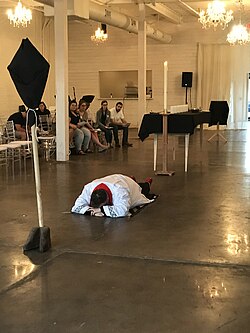
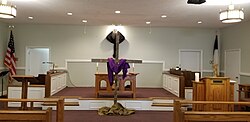
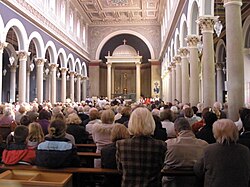
世界各地の文化的習慣と伝統
宗教的な儀式に加え、地域ごとに独自の文化的な習慣が根付いています。
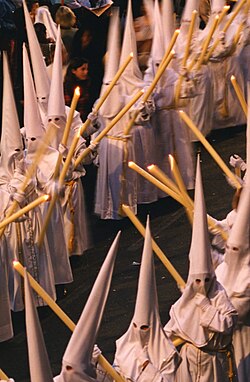
- スペイン:「ナザレノ」と呼ばれる、円錐形の帽子(カピロテ)を被った人々による厳かな行列が行われます。
- イギリス・カナダ・オーストラリア:伝統的に「ホットクロスバン(十字型の印がついた菓子パン)」を焼いて食べる習慣があります。
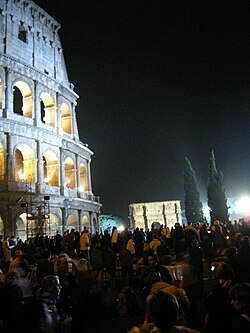
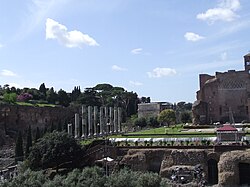
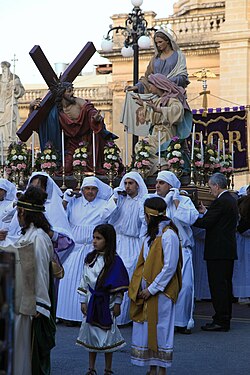
- イタリア・マルタ:街中を練り歩く大規模な受難の行列が伝統的に行われています。
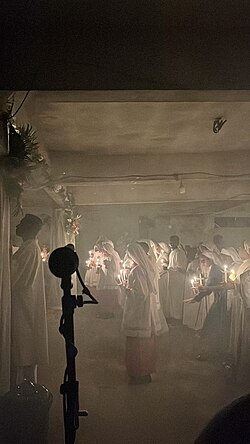
- カメルーン:復活の喜びを先取りする「イースター・ファイア(復活の火)」の祝祭が見られます。
![Hot cross buns are traditionally toasted and eaten on Good Friday in Britain, Canada, Australia and New Zealand.[139]](/images/71/c3/71c3ee898c1d6485fbf59a06ae3add05bb86db425b0a46eb02e7b50d7707307c.jpg)
聖金曜日の日程(西欧・東欧)
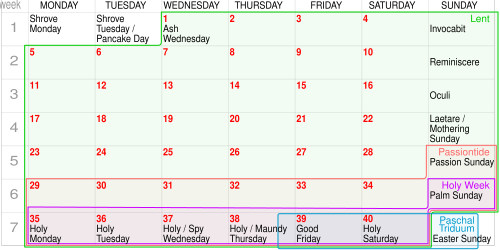
聖金曜日の日付は、月暦の計算方法(西欧のグレゴリオ暦と東欧のユリウス暦)によって異なる場合があります。
| 年 | 西欧(Western) | 東欧(Eastern) |
|---|---|---|
| 2025年 | 4月18日 | 4月18日 |
| 2026年 | 4月3日 | 4月10日 |
| 2027年 | 3月26日 | 4月30日 |
| 2028年 | 4月14日 | 4月14日 |
Frequently Asked Questions
聖金曜日とはどのような日ですか?
イエス・キリストが十字架にかけられ、亡くなったことを記念し、その受難と犠牲を追悼するキリスト教の重要な日です。
なぜ「グッド(良い)」フライデーと呼ぶのですか?
単に「良い」という意味ではなく、キリストの死が人類の救済という「聖なる(Good)」結果をもたらしたという信仰に基づいています。
どのような習慣がありますか?
教会での礼拝や祈祷のほか、断食や喜捨、また地域によってはホットクロスバンを食べるなどの伝統的な習慣があります。
宗派によって違いはありますか?
はい。正教会ではエピタフィオスの行列、カトリックでは十字架の道行き、プロテスタントでは黒い典礼色を用いた静かな礼拝など、それぞれ独自の形式で追悼を行います。
日付は毎年変わるのですか?
はい。復活祭(イースター)の日付に基づいて決定されるため、毎年変動します。また、西欧と東欧で計算方法が異なるため、日付がずれる年もあります。
References
- Franklin M. Segler; Randall Bradley (2006). Christian Worship: Its Theology And Practice. B&H Publishing Group. p. 226. . Archived from the original on 3 October 2021. Retrieved 13 April 2012.
- Gilman, Daniel Coit; Peck, Harry Thurston; Colby, Frank Moore (1903). The New International Encyclopaedia. Dodd, Mead and Company. p. 77.
Good Friday is also known as Black Friday in the Western Church, because on that day clerical vestments and altar draperies are black.
- Ripley, George; Dana, Charles Anderson (1883). The American Cyclopaedia: A Popular Dictionary for General Knowledge. D. Appleton and Company. p. 101.
The Protestant Episcopal, Lutheran, and Reformed churches, as well as many Methodists, observe the day by fasting and special services.
- Pfatteicher, Philip H. (1990). Commentary on the Lutheran Book of Worship: Lutheran Liturgy in Its Ecumenical Context. Augsburg Fortress Publishers. pp. 223–244, 260. .
The Good Friday fast became the principal fast in the calendar, and even after the Reformation in Germany many Lutherans who observed no other fast scrupulously kept Good Friday with strict fasting.
- Jacobs, Henry Eyster; Haas, John Augustus William (1899). The Lutheran Cyclopedia. Scribner. p. 110.
By many Lutherans Good Friday is observed as a strict fast. The lessons on Ash Wednesday emphasize the proper idea of the fast. The Sundays in Lent receive their names from the first words of their Introits in the Latin service, Invocavit, Reminiscere, Oculi, Lcetare, Judica.
- "What is the significance of Good Friday?". . 2 April 2021. Archived from the original on 3 October 2021. Retrieved 3 April 2021.
- Hill, Wesley (4 February 2025). Easter: The Season of the Resurrection of Jesus. InterVarsity Press. .
Many Christians are familiar with the so-called Stations of the Cross. If you walk into a Catholic, Lutheran, or Anglican parish church, you are likely to see a series of icons or small carvings set up along the north and south walls of the nave. Each one depicts a moment of Jesus' passion—Jesus' sentencing, his shouldering his cross, his meeting the women of Jerusalem, his stripping, his being nailed to the cross, and so on, continuing through his being laid to rest in the tomb. Originally pilgrims observed these "stations" in Jerusalem, on the Via Dolorosa, the "sorrowful way" from the fortress Antonia in Jerusalem to Golgota outside the city gates, but they exported them around the world so that even those who could not make a pilgrimage to the Holy Land could still pray through them during Lent and Holy Week especially.
- "PHOTOS: Cleaning Moravian gravestones, a Good Friday tradition". . 10 April 2020. Retrieved 11 April 2020.[]
- Harper's New Monthly Magazine, Volume 36, Issue 214. Harper & Brothers. 1868. p. 521.
In England Good-Friday and Christmas are the only close holidays of the year when the shops are all closed and the churches opened.
- Petre, Jonathan (21 March 2008). "Good Friday gambling anger churches". The Telegraph. Archived from the original on 11 November 2021. Retrieved 5 April 2018.
Bookmakers estimate that thousands of shops will be operating, even though Good Friday is one of three days in the year when no horse racing takes place.
📸 フォトギャラリー