1639年12月4日(当時の英国ユリウス暦では11月24日)、天文学の歴史に刻まれる重要な出来事が起こりました。英国の若き天文学者ジェレマイア・ホロックスとウィリアム・クラブツリーが、金星が太陽の表面を横切る「金星の日面通過」を世界で初めて記録したのです。この快挙は、当時の天文学の常識を塗り替え、後の太陽系の規模を決定づける重要な一歩となりました。
Key Facts
- 世界初の記録: 1639年にジェレマイア・ホロックスとウィリアム・クラブツリーが独立して観測に成功。
- 独学の天才たち: 二人はケプラーの理論を支持し、独学で数学的天文学を習得した。
- 太陽系の規模: この観測結果に基づき、太陽系が従来考えられていたよりも遥かに巨大であることが示唆された。
- 英国天文学の父: ホロックス、クラブツリー、そしてウィリアム・ガスコインの3名は、英国における研究天文学の創始者と見なされている。
観測の背景とケプラーの予言
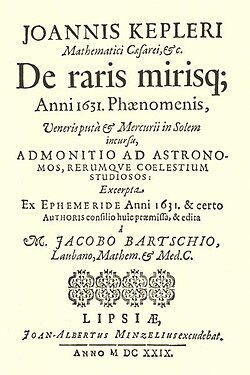
この歴史的観測の土台となったのは、ヨハネス・ケプラーが1627年に発表した「ルドルフ表」でした。ケプラーは1631年の水星および金星の日面通過について警告を発していましたが、1631年の金星通過は欧州の観測者にとって地平線の下にあり、記録されませんでした。多くの天文学者が次のチャンスまで100年以上待つ必要があると考えていた中、ホロックスだけが独自の計算により、1639年にも通過が起こることに気づいたのです。
先駆者たちのプロフィール
ジェレマイア・ホロックス
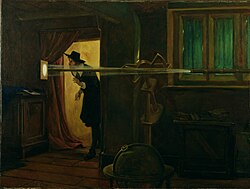
リバプール近郊に生まれたホロックスは、時計職人の家系に育ち、幼少期から天文学に強い関心を持っていました。ケンブリッジ大学のエマニュエル・カレッジに入学したものの、正規の課程では最新のガリレオやケプラーの理論を学べなかったため、空き時間に独学で高度な数学的天文学を習得しました。卒業せずに大学を去った後、ランカシャーに戻り、研究に没頭しました。
ウィリアム・クラブツリー
マンチェスター近郊のブロートンで布商を営んでいたクラブツリーは、数学と天文学を趣味とする知識人でした。彼は惑星の動きを精密に測定し、ケプラーのルドルフ表をより正確に書き直すほどの情熱を持っていました。ホロックスとは書簡を通じて交流し、互いに「ケプラー主義者(nos Keplari)」と呼び合う親密な関係を築いていました。
1639年の観測プロセス
ホロックスは、金星が太陽面を通過する際、通常の観測よりも遥かに精密に惑星の視直径を測定できると考えました。彼は太陽の像を紙に投影する装置(後のヘリオスコープに相当するもの)を自作し、1639年11月24日の観測に備えました。
観測当日、ホロックスは午後3時15分頃に太陽面を横切る小さな黒い点(金星)を発見し、日没まで約30分間にわたり観察を続けました。一方、クラブツリーも同様の装置で観測を試みましたが、ブロートンの悪天候により、金星が太陽面上にあることを確認できたのはごく短時間でした。
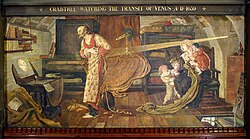
しかし、クラブツリーが急いで描いたスケッチから導き出された金星の視直径(1分3秒)は、驚くべきことに現代の数値とほぼ一致しており、ホロックスの測定値(1分12秒)よりも正確な結果となりました。
![An image of the solar disk Hevelius added to his report, based on Horrocks's description of his observation. The image does not, however, give a true representation of what Horrocks would have seen.[note 2]](/images/ea/e2/eae23a4a9bdf26588aa5547ed68e6320916ffe51b2e195c57f3fa5f854ab9889.jpg)
科学的成果と太陽系の再定義
ホロックスはこの観測結果から、惑星の大きさと太陽からの距離には一定の法則があるという仮説を立てました。彼は地球から太陽までの平均距離を約6,000万マイル(約9,700万km)と推定しました。これは現代の天文単位(約1億5,000万km)とは異なりますが、当時の定説よりも太陽系が10倍も大きいことを示唆しており、宇宙の規模に関する認識を劇的に広げることとなりました。
後世への遺産と記念碑
ホロックスは22歳という若さで急逝し、クラブツリーもその数年後に世を去りました。彼らの手稿は一時期紛失したり焼失したりしましたが、後にオランダのホイヘンス経由でヘヴェリウスによって出版され、英国王立協会に大きな衝撃を与えました。自国で放置されていた天才的な研究の存在が明らかになったためです。
![Memorial to Jeremiah Horrocks in St Michael's Church, Hoole. The Latin is taken from Horrocks's report of the 1639 transit and reads "Ecce gratissimum spectaculum et tot votorum materiem": "oh, most grateful spectacle, the realization of so many ardent desires".[22]](/images/78/dd/78dd4c00d932043bae5dfd7e36a18bd5f09714338964310ff7b81f8c970a81bc.jpg)
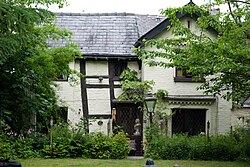
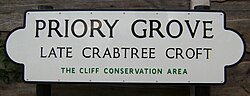
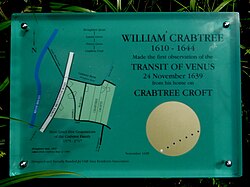
現在、ホロックスが活動したフール(Hoole)の聖マイケル教会には彼を記念する礼拝堂があり、クラブツリーの故郷ブロートンには彼の功績を称えるプレートが設置されています。
| 項目 | ジェレマイア・ホロックス | ウィリアム・クラブツリー |
|---|---|---|
| 観測場所 | ランカシャー州フール(Carr House) | マンチェスター近郊ブロートン |
| 役割 | 理論的予測と主導的な観測 | 精密な測定とスケッチによる補完 |
| 測定結果(視直径) | 1分12秒 | 1分3秒(極めて高精度) |
| 主な貢献 | 日面通過の予見と太陽系規模の推定 | 観測データの記録と手稿の保存 |
Frequently Asked Questions
なぜ1639年の観測がそれほど重要だったのですか?
金星の日面通過は非常に稀な現象であり、これを正確に観測することで、惑星の大きさや太陽までの距離を算出することが可能になるためです。ホロックスらの観測は、太陽系が従来考えられていたよりも遥かに巨大であることを示す先駆的なデータとなりました。
ホロックスとクラブツリーは協力して観測したのですか?
いいえ、二人はそれぞれ独立した場所(フールとブロートン)で観測を行いました。しかし、彼らは書簡を通じて密に情報を交換し、共通の理論的背景(ケプラー主義)を持って研究に取り組んでいました。
ケプラーの予測は間違っていたのでしょうか?
ケプラーのルドルフ表自体には1639年の通過が示唆されていましたが、ケプラー自身はそれに気づいていなかったか、あるいは確信を持てなかったと考えられています。ホロックスは表を精査し、独自の計算で通過の可能性を導き出しました。
彼らの研究はどのようにして後世に伝わりましたか?
ホロックスの死後、手稿は家族や知人の間で受け継がれましたが、一部は紛失しました。最終的にオランダの天文学者ホイヘンスがこれを発見し、ヘヴェリウスが出版したことで、世界的な評価を得ることとなりました。
「英国研究天文学の父」と呼ばれる理由は?
彼らが単なる観察にとどまらず、数学的な計算と精密な測定を用いて天体の運行を解明しようとしたためです。このアプローチは、後のアイザック・ニュートンらに続く英国の近代天文学の基礎となりました。
References
- This is the account given by most sources, but Kollerstrom (2004) says that the Rudolphine tables did predict the 1639 Venus transit, but that Kepler had only noticed the 1631 transit while preparing the for that year and had not realised that the tables predicted a second transit for 1639.
- According to Van Roode (2012), Horrocks actually wrote "ad sinistram" (to the left) rather than "ad dextram", as does a letter from Nicolaus Mercator to Samuel Hartlib, quoting directly from Horrocks's own writing. Hevelius thought Horrocks was in error and changed it to "ad dextram". John Wallis also added the note "lege dextram" (read right) after "sinistram" in his Opera Posthuma of Horrocks. Van Roode assumes from this that both Hevelius and Wallis must have been confused about the orientation of the projected image from a Galileian telescope – which is inverted top to bottom, but not left to right. Also. the three disks of Venus are evenly spaced whereas the observations were made at intervals of 20 and 10 minutes. In A. B. Whatton's translation of "Venus in Sole Visa" Horrocks writes:
I found that the shadow of Venus at the aforesaid hour, namely fifteen minutes past three, had entered the Sun's disk about 620 30', certainly between 600 and 650, from the top towards the right. This was the appearance in the dark apartment; therefore out of doors beneath the open sky, according to the laws of optics, the contrary would be the case, and Venus would be below the centre of the Sun, distant 620 30' from the lower limb, or the nadir, as the Arabians term it.
- For the full text of Horrocks's account of the observation see Jeremiah Horrox: "Venus in Sole Visa".
- Horrocks wrote in Venus in sole visa "I do not put forward this conjecture as a certain demonstration, but as a probability".
📸 フォトギャラリー