宇宙の広大さを測る際、キロメートルのような日常的な単位では桁数が大きくなりすぎ、不便です。そこで天文学の世界で基準として用いられるのが天文単位(astronomical unit)です。一般的に、地球から太陽までの平均的な距離をベースにした単位として知られています。
Key Facts
- 定義値: 1 au = 149,597,870,700 メートル(固定値)
- シンボル: 「au」が国際的に推奨されている表記
- 物理的意味: 地球と太陽の間の平均距離に相当する
- 光速との関係: 光が1 auを移動するのに約8分19秒かかる
- 用途: 太陽系内の惑星間距離や、恒星までの距離を測る視差の基準線として利用される
天文単位の現代的な定義と表記
かつて天文単位は、地球の近日点と遠日点の平均距離として概念化されていました。しかし、相対性理論の影響や測定精度の向上に伴い、2012年に国際天文学連合(IAU)によって再定義されました。現在は、観測値に基づく変動する値ではなく、149,597,870,700メートルという厳密な固定値として定義されています。
表記に関しては、歴史的に「AU」やフランス語のunité astronomiqueに由来する「ua」などが混在していましたが、現在は「au」という小文字の表記が標準として推奨されています。これにより、科学論文や国際的な規格(SI)における統一が図られています。
距離測定の進化:古代から現代まで
太陽までの距離を正確に知ることは、天文学における長年の挑戦でした。紀元前3世紀のエラトステネスやアリスタルコスらは、月の位相や角度を利用して推定を試みましたが、当時の測定精度では実際よりも大幅に短い距離として算出されていました。
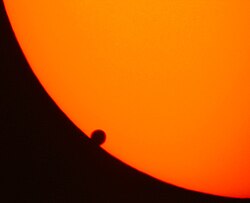
その後、17世紀から19世紀にかけて、より精緻な手法が登場します。特に金星の日面通過(金星が太陽面を横切る現象)の観測は、異なる地点から視差を測定することで太陽までの距離を導き出す極めて有効な手段となりました。ただし、観測時に「ブラックドロップ効果」と呼ばれる視覚的な現象が妨げとなるなど、困難も伴いました。
さらに、火星の視差測定や、光の速度の有限性の発見、そして現代のレーダー技術やテレメトリ(遠隔測定)の導入により、精度は飛躍的に向上しました。宇宙探査機が送信する電波の往復時間を計測し、真空中の光速を乗じることで、ミリメートル単位に近い精度で距離を特定することが可能になったのです。
天文学における実用性と重要性
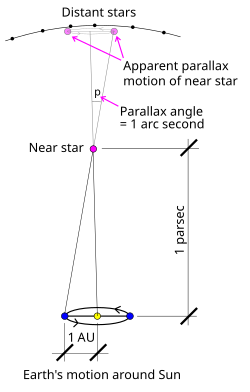
天文単位は、単なる距離の指標ではなく、より遠い宇宙の距離を測るための「ものさし」の起点となります。例えば、地球の公転軌道を底辺とする三角形を想定し、恒星のわずかな位置変化(年周視差)を観測することで、隣接する恒星までの距離を算出できます。
また、太陽系内の天体配置を記述する際、auを用いることで数値が簡略化され、天体間の相対的な位置関係を直感的に把握しやすくなります。
天文単位による距離の比較
| 対象・基準 | 距離 (au) | 備考 |
|---|---|---|
| 光秒 | 約 0.002 | 光が1秒間に進む距離 |
| 地球〜月 | 約 0.0026 | 平均距離 |
| 水星 | 約 0.39 | 太陽からの平均距離 |
| 地球 | 1.00 | 定義の基準となる距離 |
| 火星 | 約 1.52 | 太陽からの平均距離 |
| 木星 | 約 5.2 | 太陽からの平均距離 |
| 海王星 | 約 30.1 | 太陽からの平均距離 |
| 光年 | 約 63,241 | 光が1年間に進む距離 |
| パーセク | 約 206,265 | 視差1秒角に対応する距離 |
Frequently Asked Questions
なぜ天文単位は「平均距離」ではなく「固定値」になったのですか?
地球の公転軌道は完全な円ではなく楕円であるため、実際の太陽との距離は常に変動しています。また、一般相対性理論を考慮すると、観測者の基準系によって距離の定義が複雑になります。計算の簡略化と国際的な標準化のため、2012年にメートル法に基づいた固定値として再定義されました。
1 auを光速で移動するとどのくらいの時間がかかりますか?
光が1 au(約1億4960万km)を移動するのにかかる時間は、約499秒、つまり約8分19秒です。
「AU」と「au」に違いはありますか?
歴史的にどちらも使われてきましたが、現在の国際天文学連合(IAU)の推奨は小文字の「au」です。多くの学術誌や国際規格でもこの表記が採用されています。
天文単位はどのような場面で最も役に立ちますか?
太陽系内の惑星や小惑星の軌道計算、および恒星までの距離を測るための「年周視差」の基準線として不可欠な単位です。キロメートルで表記するよりも数値が扱いやすいため、天文学の計算において非常に効率的です。
古代の人々はどのようにして太陽までの距離を推測していたのですか?
主に幾何学的な手法が用いられました。例えば、月が半月(上弦または下弦)に見える瞬間の地球・月・太陽のなす角度を測定し、三角形の性質を利用して比率を算出する方法などが試みられていました。
References
- On the re-definition of the astronomical unit of length. XXVIII General Assembly of International Astronomical Union. Beijing, China: International Astronomical Union. 31 August 2012. Resolution B2. Archived (PDF) from the original on 5 March 2025.
... recommends [adopted] 1. that the astronomical unit be re-defined to be a conventional unit of length equal to exactly 149597870700 metres, in agreement with the value adopted in IAU 2009 Resolution B2 ... 5. that the unique symbol "au" be used for the astronomical unit.
- "Monthly Notices of the Royal Astronomical Society: Instructions for Authors". Oxford Journals. Archived from the original on 22 October 2012. Retrieved 20 March 2015.
The units of length/distance are Å, nm, μm, mm, cm, m, km, au, light-year, pc.
- "Manuscript Preparation: AJ & ApJ Author Instructions". American Astronomical Society. Archived from the original on 21 February 2016. Retrieved 29 October 2016.
Use standard abbreviations for ... natural units (e.g., au, pc, cm).
- The International System of Units (PDF), V4.01 (9th ed.), International Bureau of Weights and Measures, June 2026, p. 145,
- Luque, B.; Ballesteros, F.J. (2019). "Title: To the Sun and beyond". . 15 (12): 1302. :2019NatPh..15.1302L. :10.1038/s41567-019-0685-3.
- Commission 4: Ephemerides/Ephémérides (1976). item 12: Unit distance (PDF). XVIth General Assembly of the International Astronomical Union. IAU (1976) System of Astronomical Constants. Grenoble, FR. Commission 4, part III, Recommendation 1, item 12. Archived from the original (PDF) on 9 October 2022.
{{}}: CS1 maint: numeric names: authors list () - (2006), The International System of Units (SI) (PDF) (8th ed.), Organisation Intergouvernementale de la Convention du Mètre, p. 126, archived from the original (PDF) on 9 October 2022
- "Instructions to Authors". Monthly Notices of the Royal Astronomical Society. Oxford University Press. Retrieved 5 November 2020.
The units of length/distance are Å, nm, µm, mm, cm, m, km, au, light-year, pc.
- "The International System of Units (SI)". SI Brochure (8th ed.). BIPM. 2014 [2006]. Retrieved 3 January 2015.
- "The International System of Units (SI)" (PDF). SI Brochure (9th ed.). BIPM. 2019. p. 145. Archived (PDF) from the original on 9 October 2022. Retrieved 1 July 2019.
📸 フォトギャラリー