アメリカ合衆国のコロラド州とユタ州に深く根ざしたユート族(自称:Núuchi)は、豊かな自然と共に生きてきた先住民族です。彼らはかつて広大な地域を支配し、狩猟採集を中心とした生活を送っていました。時代の変遷とともに、スペイン人やアメリカ人入植者との接触を経て、その社会構造や文化は劇的に変化しましたが、現在も独自のアイデンティティと伝統を大切に守り続けています。
彼らが話す言語はユート・アステカン語族に属しており、北米西部の広範な地域に分布していました。
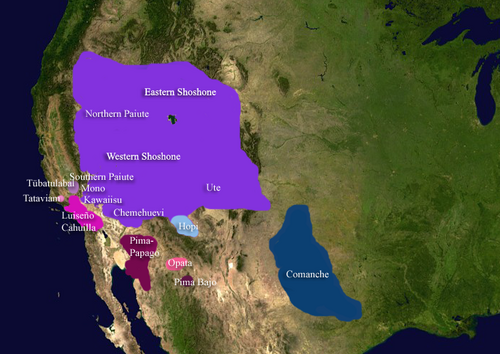
主要な事実(Key Facts)
- 現在の人口: 約4,800人から10,000人(2020年国勢調査では15,119人がユート族と回答)。
- 主な居住地: アメリカ合衆国のコロラド州およびユタ州。
- 公認部族: 南ユート族、ユタ州のユインタ・アンド・オーレイ族、ユート山ユート族の3つの連邦承認部族が存在。
- 言語: 英語、スペイン語に加え、伝統的なユート語(Núuchi-u)を使用。
- 信仰: 伝統的な先住民宗教のほか、ネイティブアメリカン教会やキリスト教を信仰。
歴史的変遷と社会の変化
先史時代からスペイン人との接触まで
ユート族の祖先は、1300年頃には現在のコロラド州南西部やユタ州南東部に定住していたと考えられています。1600年代までにはコロラド州の大部分を占めるまでになり、1700年代初頭には東部でコマンチ族と共存していました。その後、アラパホ族やシャイアン族が南下してきたことで、領土争いが生じました。
1637年にスペイン人と衝突し、一部が奴隷として捕らえられた経験を持ちますが、1680年頃に馬を大規模に導入したことで生活が一変しました。馬による機動力の向上は、狩猟効率を高めただけでなく、交易の拡大や戦士としての地位向上をもたらし、平原インディアンに近い文化へと変容していきました。
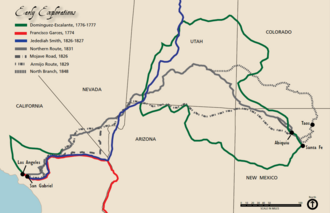
入植者の到来と領土の喪失
1847年のモルモン教徒の到来や1850年代のゴールドラッシュにより、欧米人との接触が激化しました。ユート族は故郷を守るために激しく抵抗しましたが、1864年にはリンカーン大統領の署名によりユタ州の住民が強制的に保留地へ移住させられました。コロラド州のユート族も同様に、1881年までに保留地への移住を余儀なくされました。
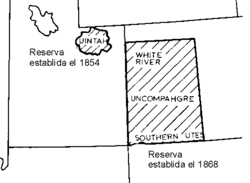
1868年の条約では、大陸分水嶺の東側にある聖地や狩猟地を含む広大な土地を放棄させられました。その後も、金鉱の発見や「ミーカー虐殺事件」などの衝突を経て、彼らの土地はさらに削り取られていきました。
文化遺産と芸術的表現
岩壁画と考古学的証拠
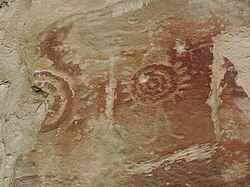
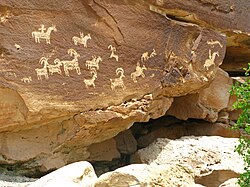
コロラド州のカニョン・ピンタード(彩色峡谷)には、先住のフレモント文化の人々とユート族による岩壁画が残されています。初期の絵には農業への関心を示すトウモロコシなどが描かれていましたが、1800年代になると、入植者の影響を反映した銃や馬の図柄が刻まれるようになりました。
伝統工芸と儀式
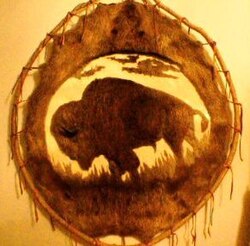
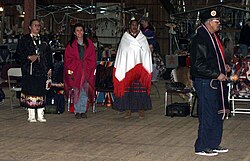
ユート族は独自の芸術形式を持っており、例えばビーバーの皮を薄く削って絵を描く「ビーバーハイド・ペインティング」は、住居の装飾や儀式に用いられてきました。また、現代でもキオワ族から伝わった「ガードダンス」などの伝統舞踊が披露され、文化の継承が行われています。
現代のユート族と保留地
現在、ユート族は3つの主要な保留地で自治を行っています。ユタ州のユインタ・アンド・オーレイ保留地は全米で2番目に大きな規模を誇り、畜産業や石油・ガス開発が重要な収入源となっています。コロラド州のユート山保留地は、メサ・ベルデ国立公園に隣接し、聖なるユート山を抱えています。

人口は20世紀初頭に激減しましたが、20世紀半ば以降、大学教育を受けた若者が戻るなどして再び増加傾向にあります。1934年のインディアン再編法以降は、部族評議会による自己統治体制を確立しています。
部族の構成と分布
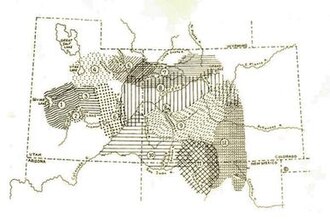
歴史的にユート族は多くのバンド(集団)に分かれていました。北部のバンド(ユインタ、ヤンパ、タベグアチェなど)と南部のバンド(カポテ、ムアチェなど)に大別され、それぞれが異なる地域で独自のコミュニティを形成していました。
ユート族の概要まとめ
| 項目 | 詳細 |
|---|---|
| 主要言語 | ユート語(Núu-'apaghapi Wanawmanik)、英語、スペイン語 |
| 主要居住地 | コロラド州、ユタ州 |
| 伝統的生業 | 狩猟採集 → 馬文化の導入 → 畜産・資源開発(現代) |
| 主な保留地 | ユインタ・アンド・オーレイ、南ユート、ユート山 |
| 人口推移 | 19世紀半ば(約2.6万人)→ 1920年(約1,800人)→ 2020年(約1.5万人) |
歴史的な人物と記録
ユート族の歴史には、連邦政府との交渉に尽力したリーダー、オーレイ(Ouray)やその妻チペタ(Chipeta)のような重要な人物が名を刻んでいます。また、ジョン・ウェズリー・パウエルのような探検家による記録や写真が、当時の彼らの生活や戦士の姿を今に伝えています。
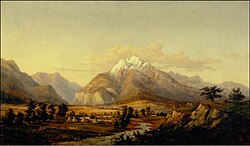
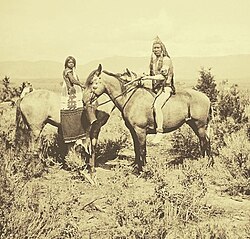
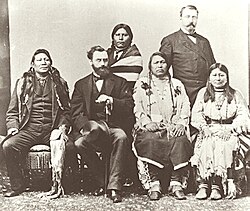
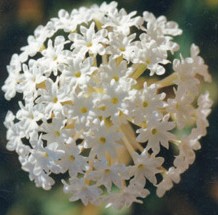
また、彼らの生活圏には Abronia fragrans のような固有の植物相も存在し、民族植物学的な視点からも注目されています。
Frequently Asked Questions
ユート族は現在どこに住んでいますか?
主にアメリカ合衆国のコロラド州とユタ州に居住しています。具体的には、ユタ州のユインタ・アンド・オーレイ保留地、およびコロラド州の南ユート保留地とユート山保留地の3つの連邦承認保留地に分かれて暮らしています。
ユート族の文化に最も大きな影響を与えたものは何ですか?
17世紀後半に導入された「馬」です。馬の所有は彼らの移動能力を飛躍的に高め、狩猟や交易の形態を変え、戦士としての地位や社会的なステータスを決定づける重要な要素となりました。
ユート語は今でも話されていますか?
はい、伝統的なユート語(Núuchi-u)は受け継がれていますが、現在は英語やスペイン語と共に使用されています。言語の保存と継承は、部族のアイデンティティを維持するための重要な取り組みとなっています。
ユート族の人口はどのように変化しましたか?
19世紀半ばには約26,000人と推定されていましたが、保留地への強制移住や生活環境の変化により、1920年頃には約1,800人まで激減しました。しかし、20世紀後半から回復し、2020年の国勢調査では約15,000人がユート族であると回答しています。
ユート族の伝統的な芸術にはどのようなものがありますか?
代表的なものに、ビーバーの皮を加工して描く「ビーバーハイド・ペインティング」があります。また、古代から続く岩壁画(ペトログリフ)や、現代でも継承されている伝統的な舞踊(ガードダンスなど)が挙げられます。
References
- "Ute-Southern Paiute". . Retrieved 27 Feb 2014.
- "American Indian, Alaska Native Tables from the Statistical Abstract of the United States: 2004–2005" (Archived 2012-10-04 at the ). , USA.
- Bakken, Gordon Morris; Kindell, Alexandra (February 24, 2006). "Utes". Encyclopedia of Immigration and Migration in the American West. SAGE. .
- "wanawmanik(i)". Ute Dictionary Online. Ute Mountain Ute. Retrieved March 25, 2025.
- O’Meara, Sean; Hopkins, Maren P.; Spears, Michael C.; Ferguson, T. J. Ute Ethnographic and Ethnobotanical Research in the Bonita Peak Mining District (PDF). Anthropological Research, LLC (Report). Ignacio, Colorado, USA: Southern Ute Indian Tribe. p. 47. Retrieved March 25, 2025.
- Denison, Brandi (2017). Ute Land Religion in the American West, 1879–2009. Lincoln: University of Nebraska Press. pp. 13–14. .
- Pritzker, Barry (2000). "Utes". A Native American Encyclopedia: History, Culture, and Peoples. . pp. 242–246. .
- Iyuba (November 15, 2021). "Book of the Week — A Few Words in the Utah and Sho-sho-ne Dialects…". J. Willard Marriott Library. University of Utah. Retrieved October 5, 2024.
- "Southern Ute". Museum of Northern Arizona. Retrieved October 5, 2024.
- Givón, Talmy (January 1, 2011). Ute Reference Grammar. John Benjamins Publishing. pp. 1–3. .
📸 フォトギャラリー