ภาพประกอบบทความ
← ホームへ戻る

アメリカ合衆国大統領の権限と役割国家元首としての仕組み

🗓 2026年8月12日

アメリカ合衆国の政治体制において、大統領は単なる行政の長ではなく、国家元首、政府首脳、そして軍の最高司令官という三つの重要な役割を一身に担う極めて強力なポストです。1789年の憲法制定以来、この職務は時代の要請に合わせて進化し、世界で最も影響力のある政治的地位の一つとなりました。

現在はドナルド・トランプ氏が2025年1月20日より就任しており、ホワイトハウスを拠点に国政を指揮しています。大統領は「POTUS(President of the United States)」という略称で親しまれ、外交的な場では「閣下(His Excellency)」、フォーマルな場では「名誉ある(The Honorable)」という敬称で呼ばれます。
ภาพประกอบบทความ

Key Facts

  • 任期: 4年(最大2期まで就任可能)
  • 資格: 米国生まれの市民であり、35歳以上であること
  • 選出方法: 選挙人団(Electoral College)による間接選挙
  • 年俸: 40万ドル
  • 主な役割: 国家元首、政府首脳、軍最高司令官

大統領が持つ多角的な権限

立法への関与とアジェンダ設定

大統領は直接法律を作ることはできませんが、議会が可決した法案への署名権や拒否権(Veto)を持っており、立法プロセスに強い影響を及ぼします。また、国家の優先事項を提示することで、政治的なアジェンダを主導する役割を担っています。
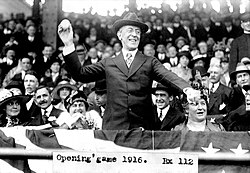
President Woodrow Wilson throws out the ceremonial first ball on Opening Day in 1916.

行政および司法上の権限

行政権の執行責任者として、連邦政府の各省庁を管理し、規制を公布します。また、最高裁判所を含む連邦裁判所の判事を指名する権限を持っており、長期的な司法の方向性に影響を与えることができます。
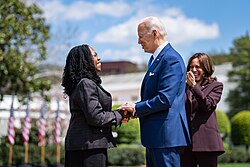
President Joe Biden with his Supreme Court appointee Justice Ketanji Brown Jackson and Vice President Kamala Harris (in background) following Brown Jackson's 2022 United States Senate confirmation

外交と軍事の最高責任者

外交面では国家を代表して条約を締結し、他国との関係を構築します。同時に、軍の最高司令官として国防の指揮を執り、国家安全保障を維持する責任を負っています。
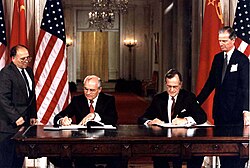
President George H. W. Bush and Soviet president Mikhail Gorbachev sign the 1990 Chemical Weapons Accord at the White House.

選出プロセスと就任までの流れ

大統領への道は、政党による予備選挙から始まります。候補者は支持を集めて指名を得た後、本選挙へと進みます。アメリカの選挙制度の特徴は、有権者が直接大統領を選ぶのではなく、各州に割り当てられた「選挙人」を通じて選出する点にあります。全538票のうち、過半数の270票を獲得した者が当選となります。
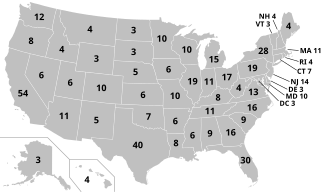
A map of the United States showing the number of electoral votes allocated following the 2020 United States census to each state and the District of Columbia for the 2024 and 2028 presidential elections. 270 electoral votes are required for a majority out of 538 votes possible.

当選後、1月20日の就任式を経て正式に権限を継承します。万が一、大統領が職務を遂行できなくなった場合には、あらかじめ定められた継承順位に従って権限が移譲されます。
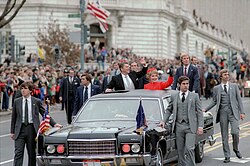
President Ronald Reagan waves following his inauguration as the nation's 40th president on January 20, 1981.

大統領の生活とサポート体制

公邸と移動手段

大統領の公邸はワシントンD.C.にあるホワイトハウスですが、休暇や休息のための別荘としてキャンプ・デービッドが利用されます。また、移動には最高レベルのセキュリティを備えた専用車「ザ・ビースト」、専用機「エアフォースワン」、専用ヘリコプター「マリンワン」が使用されます。

ภาพประกอบบทความ

退任後の活動と遺産

任期を終えた大統領には年金などの給付が行われるほか、自身の在任中の記録を保存し、研究に供するための「大統領図書館」を建設することが一般的です。リンカーンやブッシュ、トルーマンなど、多くの歴代大統領がこのような施設を通じて後世にその功績を残しています。
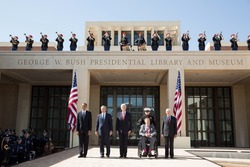
From left to right: Presidents Barack Obama, George W. Bush, Bill Clinton, George H. W. Bush, and Jimmy Carter at the dedication of the George W. Bush Presidential Library and Museum in Dallas in 2013

歴代大統領の傾向と政治的背景

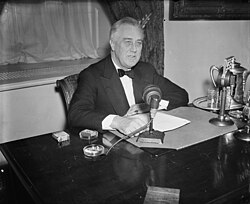
アメリカの歴史を振り返ると、共和党と民主党の二大政党が交互に政権を担ってきました。初期には連邦党やホイッグ党などの政党が存在していましたが、現在はこの二党による競争が中心です。また、フランクリン・D・ルーズベルトのように、憲法改正前に4回の当選を果たした例もありますが、現在は2期までという制限が設けられています。
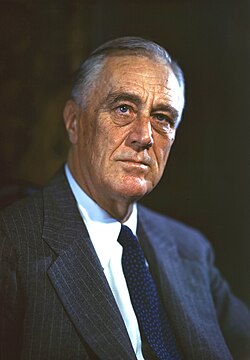
Franklin D. Roosevelt won a record four presidential elections in 1932, 1936, 1940, and 1944 prior to the implementation of the 22nd amendment in 1951, which instituted a two-term limit.

歴史的な転換点において、リンカーンは南北戦争を通じて連邦を維持し、ルーズベルトは世界恐慌や第二次世界大戦という危機を乗り越えました。また、ジョンソンによる公民権法の署名など、社会構造を大きく変えた決定も大統領の権限によるものです。
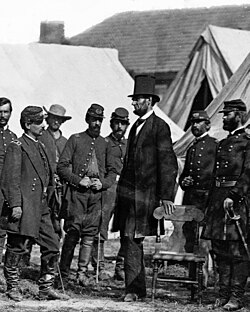
President Abraham Lincoln successfully preserved the Union during the American Civil War. Here he is (center) with General George B. McClellan (left), and soldiers at Antietam, on October 3, 1862.
President Franklin D. Roosevelt delivers a radio address in 1933.
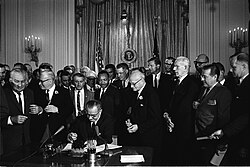
President Lyndon B. Johnson signs the 1964 Civil Rights Act at the White House on July 2, 1964, as Martin Luther King Jr. and others look on.
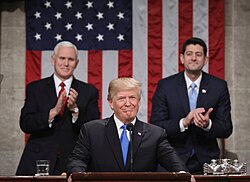
President Donald Trump delivers his 2018 State of the Union Address before Congress.
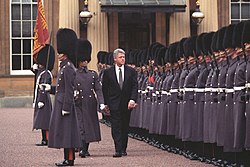
President Bill Clinton reviews honor guards at Buckingham Palace during a 1995 state visit to the UK.
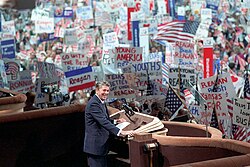
President Ronald Reagan giving his acceptance speech at the 1984 Republican National Convention.
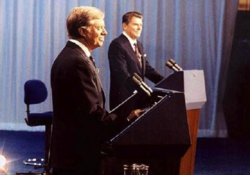
President Jimmy Carter (left) debates Republican nominee Ronald Reagan on October 28, 1980, during the 1980 U.S. presidential campaign.
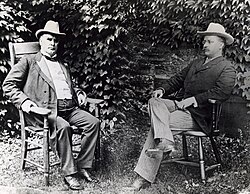
President William McKinley and his vice presidential running mate, New York governor Theodore Roosevelt, c. 1900
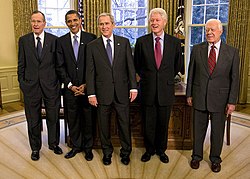
From left to right: Presidents George H. W. Bush, Barack Obama, George W. Bush, Bill Clinton, and Jimmy Carter in the Oval Office on January 7, 2009; Obama took office thirteen days later.
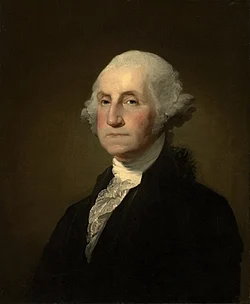
George Washington, the first president of the United States

大統領の待遇と年俸の変遷

大統領の給与は時代とともに上昇しており、初期の金額を現在の価値に換算すると、その変動が明確に分かります。

導入年 当時の年俸 2025年時点の価値(推定)
1789年 25,000ドル 675,604ドル
1873年 50,000ドル 1,343,750ドル
1909年 75,000ドル 2,687,500ドル
1949年 100,000ドル 1,353,147ドル
1969年 200,000ドル 1,755,898ドル
2001年 400,000ドル 727,307ドル

Frequently Asked Questions

大統領になるための条件は何ですか?

米国で生まれ育った市民(natural-born citizen)であること、および35歳以上であることが憲法で定められています。

任期は何年で、何回まで就任できますか?

1回の任期は4年です。憲法修正第22条により、最大で2期(合計8年)までしか就任することができません。

選挙人団(Electoral College)とはどのような仕組みですか?

国民が直接大統領を選ぶのではなく、各州に割り当てられた選挙人を投票で選び、その選挙人が大統領を決定する間接選挙方式です。合計538票のうち270票を得た候補者が当選します。

大統領が職務不能になった場合はどうなりますか?

あらかじめ定められた継承順位(Line of Succession)に従い、副大統領などが権限を引き継ぎます。

大統領は法律を完全に拒否できるのでしょうか?

大統領は法案に拒否権を行使できますが、議会が再び投票を行い、上下両院で3分の2以上の賛成を得た場合は、大統領の拒否を覆して法律として成立させることができます。

References

  1. In addition to $100,000 in travel reimbursement, $19,000 for entertainment and $50,000 for additional expenses.
  2. The informal term POTUS originated in the , a shorthand method created in 1879 by for the rapid transmission of press reports by telegraph.
  3. The nine vice presidents who succeeded to the presidency upon their predecessor's death or resignation and served for the remainder of his term are: (1841); (1850); (1865); (1881); (1901); (1923); (1945); (1963); and (1974).
  4. and are each counted twice due to serving two nonconsecutive terms.
  5. Nearly all scholars rank Lincoln among the nation's top three presidents, with many placing him first. See for a collection of survey results.
  6. See .
  7. Republican Abraham Lincoln was elected for a second term as part of the ticket with Democrat Andrew Johnson in 1864.
  8. Former Democrat John Tyler was elected vice president on the Whig Party ticket with Harrison in 1840. Tyler's policy priorities as president soon proved to be opposed to most of the Whig agenda, and he was expelled from the party in September 1841.
  9. Democrat Andrew Johnson was elected vice president on the National Union Party ticket with Republican Abraham Lincoln in 1864. Later, while president, Johnson tried and failed to build a party of loyalists under the National Union banner. Near the end of his presidency, Johnson rejoined the Democratic Party.

📸 フォトギャラリー

ภาพประกอบบทความ
George Washington, the first president of the United States
President Franklin D. Roosevelt delivers a radio address in 1933.
President Lyndon B. Johnson signs the 1964 Civil Rights Act at the White House on July 2, 1964, as Martin Luther King Jr. and others look on.
President Donald Trump delivers his 2018 State of the Union Address before Congress.
President George H. W. Bush and Soviet president Mikhail Gorbachev sign the 1990 Chemical Weapons Accord at the White House.
President Abraham Lincoln successfully preserved the Union during the American Civil War. Here he is (center) with General George B. McClellan (left), and soldiers at Antietam, on October 3, 1862.
President Joe Biden with his Supreme Court appointee Justice Ketanji Brown Jackson and Vice President Kamala Harris (in background) following Brown Jackson's 2022 United States Senate confirmation
ภาพประกอบบทความ
President Woodrow Wilson throws out the ceremonial first ball on Opening Day in 1916.
President Bill Clinton reviews honor guards at Buckingham Palace during a 1995 state visit to the UK.
President Ronald Reagan giving his acceptance speech at the 1984 Republican National Convention.
President Jimmy Carter (left) debates Republican nominee Ronald Reagan on October 28, 1980, during the 1980 U.S. presidential campaign.
A map of the United States showing the number of electoral votes allocated following the 2020 United States census to each state and the District of Columbia for the 2024 and 2028 presidential elections. 270 electoral votes are required for a majority out of 538 votes possible.
President William McKinley and his vice presidential running mate, New York governor Theodore Roosevelt, c. 1900
Franklin D. Roosevelt won a record four presidential elections in 1932, 1936, 1940, and 1944 prior to the implementation of the 22nd amendment in 1951, which instituted a two-term limit.
President Ronald Reagan waves following his inauguration as the nation's 40th president on January 20, 1981.
From left to right: Presidents George H. W. Bush, Barack Obama, George W. Bush, Bill Clinton, and Jimmy Carter in the Oval Office on January 7, 2009; Obama took office thirteen days later.
From left to right: Presidents Barack Obama, George W. Bush, Bill Clinton, George H. W. Bush, and Jimmy Carter at the dedication of the George W. Bush Presidential Library and Museum in Dallas in 2013