Color lines in a spectral range
← ホームへ戻る
ウラン核分裂原子力発電ウラン235濃縮ウラン

ウランの特性と用途:エネルギーから軍事利用まで

🗓 2026年8月10日

ウランは、周期表の第7周期に位置する非常に重い放射性元素であり、現代社会におけるエネルギー供給と軍事戦略の両面で極めて重要な役割を果たしています。銀白色の金属光沢を持つこの元素は、空気中で酸化して黒色の被膜を形成するのが特徴です。その最大の特徴は、特定の同位体が核分裂を起こし、膨大なエネルギーを放出することにあります。

名称の由来は、ギリシャ神話の天空神ウラノスにちなんで名付けられた惑星「天王星(Uranus)」からきています。
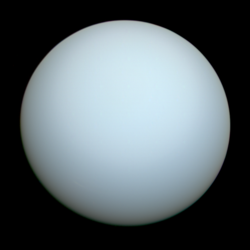
The planet Uranus, which uranium is named after

Key Facts

  • 原子番号92の放射性元素であり、天然に存在する最も重い元素の一つ。
  • ウラン235という同位体が核分裂可能であり、原子力発電の主燃料となる。
  • 1kgのウラン235が完全に核分裂すると、石炭約1,500トン分に相当する約20テラジュールのエネルギーを生成する。
  • 主な産出地はカザフスタン、カナダ、ナミビアなどで、鉱石(ウラニナイトなど)から抽出される。
  • 軍事的には、高密度の特性を活かした装甲貫通弾(劣化ウラン弾)としても利用される。

ウランの物理的・化学的性質

ウランは密度が非常に高く(約19.05g/cm³)、融点は1,132.2°C、沸点は4,131°Cという高い耐熱性を備えています。化学的には多様な酸化状態(+1から+6まで)を取り、特に+6の状態であるウラニルイオンとして安定して存在することが多いです。
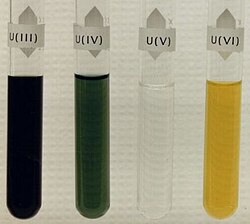
Uranium in its oxidation states III, IV, V, VI

また、スペクトル分析において特有の線を示すため、元素の特定に利用されます。

Color lines in a spectral range

化学反応においては、フッ素と反応して六フッ化ウラン(UF₆)を形成します。この化合物は揮発性が高く、同位体を分離してウランを濃縮するプロセスにおいて不可欠な原料となります。
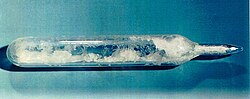
Snow-like substance in a sealed glass ampoule.

安定性と化学的挙動

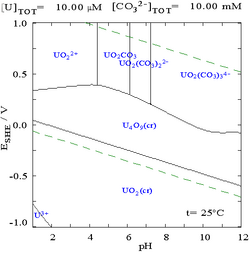
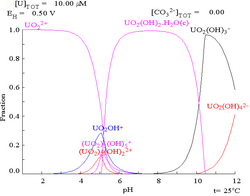
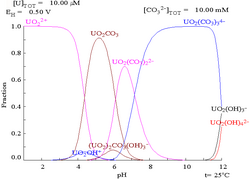
ウランの化合物は、pH値や電位によってその安定領域が異なります。これらの化学的特性を理解することは、環境中でのウランの挙動や回収技術の開発において重要です。
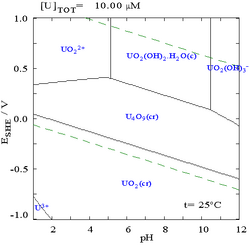
A graph of potential vs. pH showing stability regions of various uranium compounds

金属ウランは、条件によって異なる反応を示し、激しく反応する場合もあります。

Reactions of uranium metal

天然の存在と抽出プロセス

ウランは地球上の地殻に天然に存在しており、最も一般的な鉱石は「ウラニナイト(ピッチブレンド)」です。その他にもカーノタイトやオートナイトなどの鉱物として発見されます。
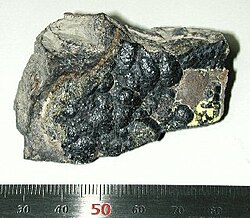
A shiny gray 5-centimeter piece of matter with a rough surface.

現代のウラン生産は、主に大規模な鉱山開発によって行われています。2024年の世界生産量は約60,213トンに達し、その約39%をカザフスタンが占めています。次いでカナダ、ナミビア、オーストラリアなどが主要な生産国となっています。

また、ウランの同位体比は地球の熱流量にも影響を与えており、ウラン235と238の崩壊熱が地球内部の熱源の一部となっています。
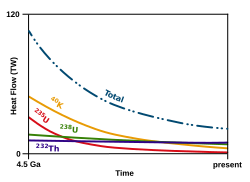
The evolution of Earth's radiogenic heat flow over time: contribution from 235U in red and from 238U in green

核エネルギーへの応用と濃縮

天然ウランの大部分(約99.3%)は核分裂しにくいウラン238ですが、わずか0.72%含まれるウラン235が核分裂の主役となります。多くの商業用原子炉では、このウラン235の割合を約3%まで高める「濃縮」という工程が必要です。

濃縮には、ガス遠心分離機を用いたカスケード方式が一般的に利用されており、これにより燃料としての効率を高めています。
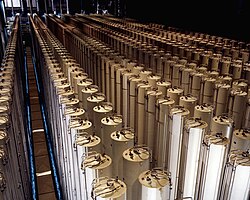
A photo of a large hall filled with arrays of long white standing cylinders.

核分裂の仕組みは、中性子がウラン235の原子核に衝突し、それが分裂してさらなる中性子と莫大なエネルギーを放出するという連鎖反応に基づいています。
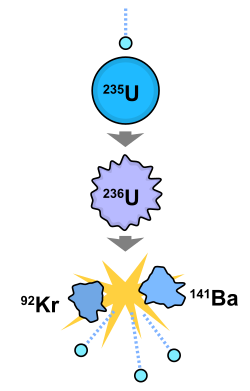
A diagram showing a chain transformation of uranium-235 to uranium-236 to barium-141 and krypton-92

発電から兵器まで

このエネルギーを制御して利用するのが原子力発電所です。1951年には世界初の人工的な発電用原子炉(EBR-I)が稼働し、電球を点灯させることに成功しました。
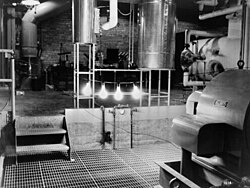
An industrial room with four large illuminated light bulbs hanging down from a bar.

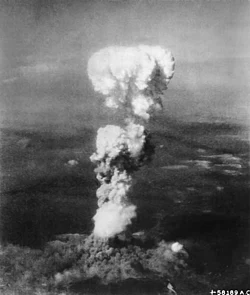
一方で、この反応を極限まで加速させると核兵器となります。第二次世界大戦末期、ウランを用いた「リトルボーイ」が広島に投下され、甚大な被害をもたらしました。
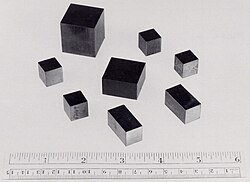
Cuboids of uranium produced during the Manhattan Project
White fragmentred mushroom-like smoke cloud evolving from the ground.

冷戦期には、米国とソ連を中心に核兵器の備蓄量が激増しましたが、その後の軍縮条約により管理が進められています。
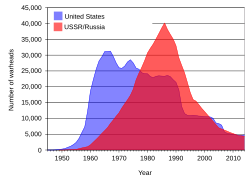
A graph showing evolution of number of nuclear weapons in the US and USSR and in the period 1945–2005. US dominates early and USSR later years with and crossover around 1978.

その他の多様な用途

ウランはエネルギー源以外にも、その物理的特性を活かして利用されてきました。例えば、非常に高い密度を持つため、軍事用として装甲を貫通する「劣化ウラン弾」に使用されています。
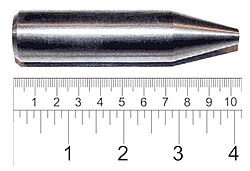
Shiny metallic cylinder with a sharpened tip. The overall length is 9 cm and diameter about 2 cm.

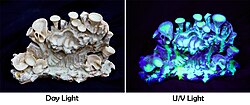
また、装飾的な用途として「ウランガラス」が存在します。ウランを添加したガラスやセラミックの釉薬は、紫外線(UV)を照射すると鮮やかな緑色や黄色に発光する性質があり、骨董品や工業用シールとして利用されてきました。
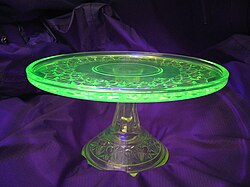
A glass place on a glass stand. The plate is glowing green while the stand is colorless.
The uranium glaze on a ceramic artwork glowing under UV light.
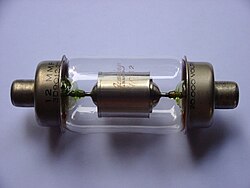
A glass cylinder capped on both ends with metal electrodes. Inside the glass bulb there is a metal cylinder connected to the electrodes.

歴史的背景と発見

ウランは1789年にマルティン・ハインリヒ・クラプロートによって発見され、1841年にウジェーヌ=メルキオール・ペリゴによって初めて単離されました。その後、1896年にアンリ・ベクレルがウランを用いた写真乾板の実験を通じて「放射能」を発見し、近代物理学の扉を開きました。
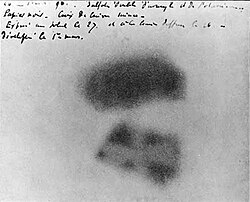
Two fuzzy black features on a fuzzy white paper-like background. There is a handwriting at the top of the picture.

市場価格については、需要と供給の変動により激しく上下しており、特に2007年には大きな価格ピークを記録しています。
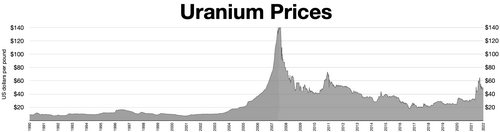
Uranium price 1990–2022.
Monthly uranium spot price in US$ per pound. The 2007 price peak is clearly visible.[98]

ウランの基本データまとめ

ウランの物理的・化学的特性一覧
項目 詳細値 / 内容
原子番号 92
標準原子量 238.028 91
密度 (20°C) 19.050 g/cm³
融点 1,132.2 °C
沸点 4,131 °C
主な同位体 U-238 (99.3%), U-235 (0.72%)
主な鉱石 ウラニナイト (Pitchblende)

Frequently Asked Questions

ウラン235とウラン238の違いは何ですか?

最大の違いは「核分裂しやすさ」です。ウラン235は中性子を吸収して核分裂を起こしやすいため、核燃料や兵器に利用されます。一方、ウラン238は天然に最も多く存在しますが、そのままでは核分裂しにくいため、主にウラン235の希釈剤としての役割を果たします。

「濃縮ウラン」とは具体的に何をすることですか?

天然ウランに含まれるウラン235の割合(約0.72%)を、人工的に高めることです。発電所で使用する低濃縮ウランでは約3%まで高められます。この分離には、六フッ化ウランにした状態で遠心分離機にかける手法が一般的です。

劣化ウランとは何ですか?

ウラン濃縮プロセスで、核分裂可能なウラン235が取り除かれた後に残った、ウラン238が主成分のウランのことです。放射能は天然ウランより低くなりますが、密度が極めて高いため、軍事的な貫通弾として利用されます。

ウランガラスが光るのはなぜですか?

ガラスの原料にウラン化合物が添加されているためです。ウランイオンが特定の波長の紫外線を吸収し、それを可視光(緑色など)として再放出する蛍光現象が起きるため、UVライトの下で光って見えます。

ウランはどこで採掘されていますか?

世界各地で採掘されていますが、特にカザフスタンが世界最大の生産量を誇ります。次いでカナダ、ナミビア、オーストラリア、ウズベキスタン、ロシアなどが主要な供給国となっています。

References

  1. The thermal expansion is : the coefficients for each crystal axis (at 20 °C) are αa = 25.27×10⁻⁶/K, αb = 0.76×10⁻⁶/K, αc = 20.35×10⁻⁶/K, and αaverage = αvolume/3 = 15.46×10⁻⁶/K.

📸 フォトギャラリー

Color lines in a spectral range
A diagram showing a chain transformation of uranium-235 to uranium-236 to barium-141 and krypton-92
Shiny metallic cylinder with a sharpened tip. The overall length is 9 cm and diameter about 2 cm.
A glass place on a glass stand. The plate is glowing green while the stand is colorless.
The uranium glaze on a ceramic artwork glowing under UV light.
A glass cylinder capped on both ends with metal electrodes. Inside the glass bulb there is a metal cylinder connected to the electrodes.
The planet Uranus, which uranium is named after
Two fuzzy black features on a fuzzy white paper-like background. There is a handwriting at the top of the picture.
Cuboids of uranium produced during the Manhattan Project
White fragmentred mushroom-like smoke cloud evolving from the ground.
An industrial room with four large illuminated light bulbs hanging down from a bar.
A graph showing evolution of number of nuclear weapons in the US and USSR and in the period 1945–2005. US dominates early and USSR later years with and crossover around 1978.
A shiny gray 5-centimeter piece of matter with a rough surface.
The evolution of Earth's radiogenic heat flow over time: contribution from 235U in red and from 238U in green
Uranium price 1990–2022.
Monthly uranium spot price in US$ per pound. The 2007 price peak is clearly visible.[98]
Reactions of uranium metal
Uranium in its oxidation states III, IV, V, VI
A graph of potential vs. pH showing stability regions of various uranium compounds
Snow-like substance in a sealed glass ampoule.
A photo of a large hall filled with arrays of long white standing cylinders.