私たちが生きるこの広大な宇宙は、単なる星々の集まりではありません。最新の天文学と物理学によれば、宇宙は絶えず変化し、膨張し続けるダイナミックなシステムです。目に見える星や銀河は、実は宇宙全体のほんの一部に過ぎず、その大部分は正体不明の「暗黒」の要素で満たされています。
Key Facts
- 宇宙の年齢: 約137.87億年(誤差±0.020億年)
- 観測可能な直径: 約930億光年(8.8 × 1026 m)
- 主要構成要素: ダークエネルギー(約68.3%)、ダークマター(約26.8%)、通常物質(約4.9%)
- 平均温度: 約2.725ケルビン(マイナス270.4℃)
- 形状: 誤差0.4%の範囲内で「平坦」であるとされる
宇宙の成り立ちと時間軸
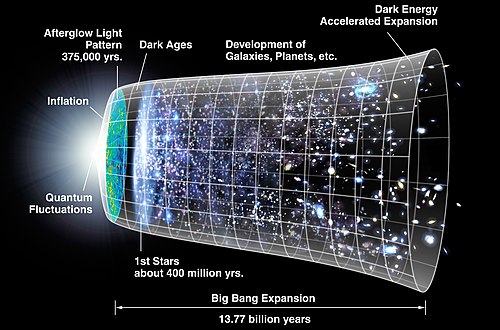
現代の宇宙論において、宇宙は「ビッグバン」と呼ばれる超高密度・超高温の状態から始まったと考えられています。誕生直後の宇宙は急激なインフレーション(加速膨張)を経て、その後、元素合成や再電離といった重要な段階を通り、現在の姿へと進化しました。
時間の経過とともに、宇宙は冷却され、物質が凝集することで星や銀河が形成されました。この進化の過程を視覚化すると、初期の極めて短い期間から、現在の広大な膨張に至るまでの劇的な変化が見て取れます。
宇宙の観測範囲と視点
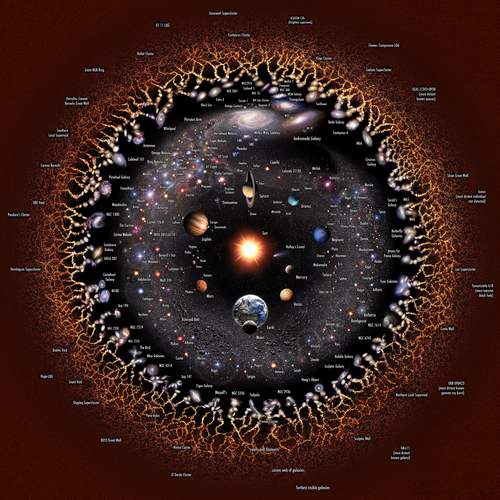
私たちが観測できる範囲は「観測可能な宇宙」と呼ばれます。光の速度が有限であるため、遠くの天体を見ることは、そのまま過去の宇宙を見ることを意味します。太陽を中心とした視点から見ると、距離が離れるほど、より初期の宇宙の姿が映し出されています。
宇宙を構成する「目に見えない」正体
宇宙の質量とエネルギーの分布を分析すると、驚くべき事実が浮かび上がります。私たちが知っている原子で構成される「バリオン物質(通常物質)」は、全体のわずか5%程度に過ぎません。残りの大部分は、光を発せず直接観測できない未知の要素です。
ダークマター(暗黒物質)
ダークマターは、重力を通じてのみその存在が確認される物質です。銀河の回転速度や重力レンズ効果などの観測から、目に見える物質だけでは説明できないほどの強力な重力が働いていることが分かっており、宇宙の構造形成において重要な役割を果たしています。
ダークエネルギー(暗黒エネルギー)
宇宙の膨張速度を加速させている謎のエネルギーがダークエネルギーです。これは宇宙全体の約68%を占めており、重力に反して空間を押し広げる性質を持っていると考えられています。
![Comparison of the contents of the universe today to 380,000 years after the Big Bang, as measured with 5 year WMAP data (from 2008).[100] Due to rounding, the sum of these numbers is not 100%.](/images/29/31/2931523037d7a5bb3199206997312822567b76e88c41ae05ce0b61826ae85014.webp)
宇宙の形状と大規模構造
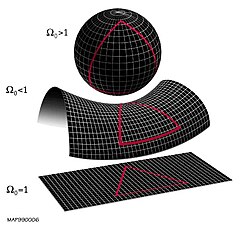
宇宙全体の幾何学的な形状については、観測データに基づき「平坦」であるという説が有力です。形状には、正の曲率を持つ閉じた宇宙、負の曲率を持つ開いた宇宙、そして平坦な宇宙の3つの可能性が検討されてきました。
宇宙の網目構造(コスミックウェブ)
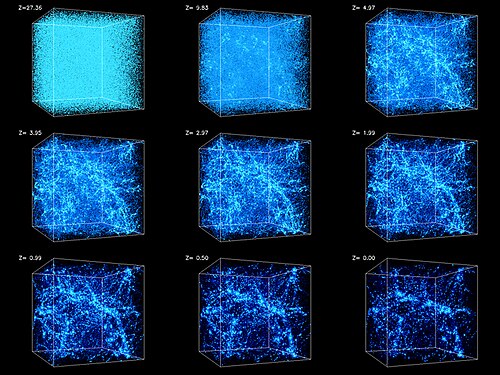
宇宙を極めて大きな視点で見ると、銀河はランダムに配置されているのではなく、フィラメントと呼ばれる網目状の構造に沿って集まっています。このフィラメントの交点には巨大な銀河団が存在し、その間には「ボイド」と呼ばれる物質がほとんど存在しない巨大な空洞が広がっています。
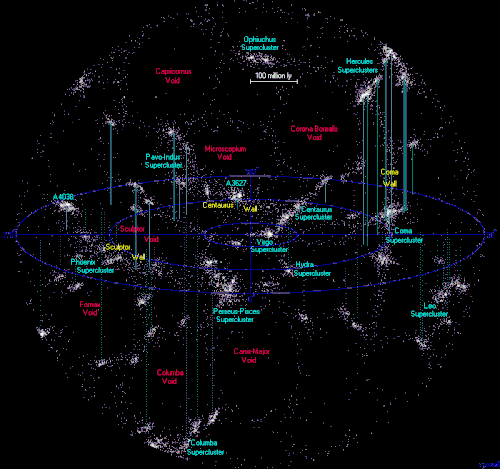
物質の最小単位から巨大構造まで
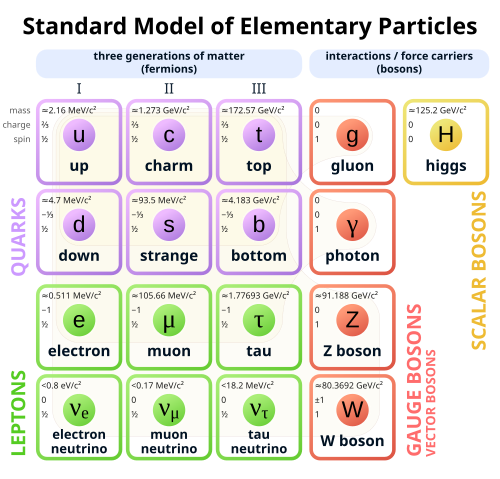
宇宙の構成を理解するには、ミクロな素粒子からマクロな超銀河団まで、そのスケール感を把握することが不可欠です。標準模型に基づけば、宇宙はクォークやレプトンといった基本粒子から構成され、それらが組み合わさって原子、星、そして銀河へと発展しました。
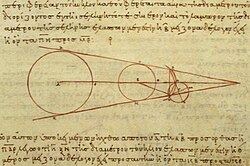
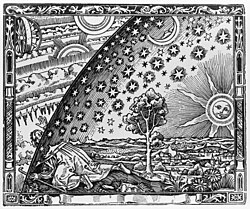
天文学の歴史を振り返ると、古代ギリシャの計算からコペルニクスの地動説、そして現代のハッブル宇宙望遠鏡による深宇宙観測に至るまで、人類は絶えず宇宙のサイズと位置付けを更新し続けてきました。
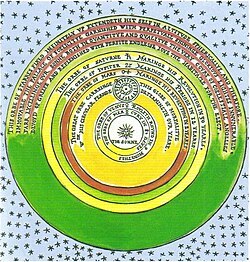
現在の観測技術では、月面のわずかな面積に相当する極めて狭い領域からでも、数千もの遠方銀河を捉えることができ、宇宙の深淵に迫っています。
![Masses and sizes of objects in the Universe[109]](/images/ab/44/ab44e72df1045ba9574290f99fb6287a5b8287bc2a95f0c6c8786a6b671e6cc5.png)
宇宙の基本データまとめ
| 項目 | 数値・特性 |
|---|---|
| 推定年齢 | 約137.87億年 |
| 観測可能直径 | 約930億光年 |
| 平均密度 | 9.9 × 10⁻²⁷ kg/m3 |
| 構成比(ダークエネルギー) | 約68.3% |
| 構成比(ダークマター) | 約26.8% |
| 構成比(通常物質) | 約4.9% |
| 空間の形状 | 平坦(誤差0.4%) |
Frequently Asked Questions
宇宙の年齢はどうやって測定しているのですか?
主に宇宙マイクロ波背景放射(CMB)の精密な観測データと、宇宙の膨張率を示すハッブル定数を用いることで算出されています。最新の解析では約137.87億年と推定されています。
ダークマターとダークエネルギーの違いは何ですか?
ダークマターは「重力によって物質を引き寄せる」性質を持ち、銀河などの構造を維持する役割を果たします。対してダークエネルギーは「空間を押し広げる」性質を持ち、宇宙の膨張を加速させる働きをします。
「宇宙が平坦である」とはどういう意味ですか?
これは見た目が平らということではなく、幾何学的な曲率がゼロであることを意味します。つまり、宇宙規模で平行線を引いた場合、それらが永遠に交わらず、また離れないというユークリッド幾何学が成り立つ状態を指します。
バリオン物質とは何のことですか?
プロトン(陽子)や中性子など、私たちが日常的に目にする原子を構成する粒子(バリオン)からなる物質のことです。星、惑星、そして人間を含むすべての可視物質がこれに該当します。
宇宙の最後はどうなると考えられていますか?
現在の加速膨張が続けば、すべての物質が互いに遠ざかり、最終的に温度が均一化して活動が停止する「熱的死(ヒートデス)」や、膨張が極限まで進んで物質さえも引き裂かれる「ビッグリップ」などのシナリオが提唱されています。
References
- "Hubble sees galaxies galore". spacetelescope.org. Archived from the original on May 4, 2017. Retrieved April 30, 2017.
- Planck Collaboration (2016). "Planck 2015 results. XIII. Cosmological parameters". Astronomy & Astrophysics. 594: A13, Table 4. :1502.01589. :2016A&A...594A..13P. :10.1051/0004-6361/201525830. 119262962.
- Bars, Itzhak; Terning, John (2009). Extra Dimensions in Space and Time. Springer. pp. 27–. . Retrieved May 1, 2011.
- NASA/WMAP Science Team (January 24, 2014). "Universe 101: What is the Universe Made Of?". NASA. Archived from the original on March 10, 2008. Retrieved February 17, 2015.
- Turner, Michael S. (November 5, 1993). "Why Is the Temperature of the Universe 2.726 Kelvin?". Science. 262 (5135): 861–867. :astro-ph/9308018. :10.1126/science.262.5135.861. 0036-8075. 17757353.
- Fixsen, D.J. (2009). "The Temperature of the Cosmic Microwave Background". . 707 (2): 916–920. :0911.1955. :2009ApJ...707..916F. :10.1088/0004-637X/707/2/916. 0004-637X. 119217397.
- "First Planck results: the universe is still weird and interesting". Matthew Francis. Ars technica. March 21, 2013. Archived from the original on May 2, 2019. Retrieved August 21, 2015.
- NASA/WMAP Science Team (January 24, 2014). "Universe 101: Will the Universe expand forever?". NASA. Archived from the original on March 9, 2008. Retrieved April 16, 2015.
- Planck Collaboration; ; Akrami, Y.; Ashdown, M.; Aumont, J.; Baccigalupi, C.; Ballardini, M.; Banday, A. J.; Barreiro, R. B.; Bartolo, N.; Basak, S. (September 2020). "Planck 2018 results: VI. Cosmological parameters". Astronomy & Astrophysics. 641: A6. :1807.06209. :2020A&A...641A...6P. :10.1051/0004-6361/201833910. 0004-6361. 119335614.
- (2011). . .
📸 フォトギャラリー