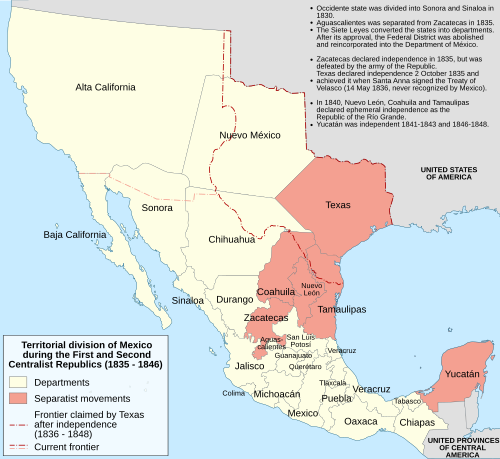
19世紀半ば、北米大陸では政治的な激動が巻き起こっていました。その中心となったのがテキサス革命です。この紛争は、単なる地域的な反乱ではなく、中央集権化を推し進めるメキシコ政府と、自治を求めるテキサス入植者(テキシャン)との間の激しい対立から始まりました。わずか半年余りの期間で、テキサスはメキシコからの事実上の独立を勝ち取り、独自の共和国を樹立することになります。
当時のメキシコでは、アントニオ・ロペス・デ・サンタ・アンナが権力を掌握し、1824年憲法を破棄して中央集権的な体制へと移行しました。この急進的な政治転換は、州議会の解散や民兵の武装解除を伴い、テキサスを含む多くの地域で強い反発を招きました。
Key Facts
- 期間:1835年10月2日 〜 1836年4月21日
- 結果:テキシャン側の勝利により、メキシコから事実上の独立を達成
- 主要人物:サム・ヒューストン(テキサス側)、サンタ・アンナ(メキシコ側)
- 象徴的な戦い:アラモの戦い、サンジャシントの戦い
- 最終的な帰結:1845年にアメリカ合衆国へ併合され、第28番目の州となる
革命の勃発と初期の攻勢
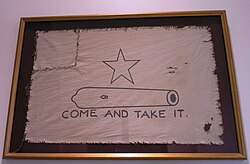
革命の火蓋を切ったのは、ゴンザレスでの衝突でした。この際、テキシャン側が掲げた「Come and take it(取りに来い)」という旗は、不屈の抵抗精神の象徴となりました。
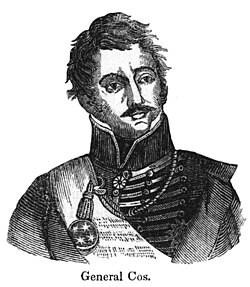
その後、テキシャン軍は攻勢に転じます。10月にはゴリアドのラ・バヒーア要塞を急襲し、メキシコ軍を降伏させました。さらに、ベハール(現在のサンアントニオ)での包囲戦を経て、メキシコ軍の指揮官であったマルティン・ペルフェクト・デ・コスを追い出すことに成功します。
初期の戦いでは、テキサス居住者が中心となって戦っていましたが、次第にアメリカ合衆国からの志願兵が増加しました。1836年初頭には、軍の約8割が最近到着したばかりのアメリカ人志願兵で構成されるようになり、軍の性質が変化していきました。
サンタ・アンナの反撃と悲劇のアラモ
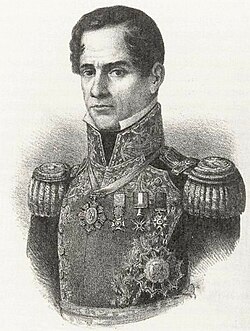
事態を重く見たメキシコ大統領サンタ・アンナは、自ら軍を率いてテキサスへの大規模な侵攻を開始しました。
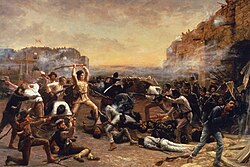
その象徴的な激突となったのが、サンアントニオのアラモ伝道所での戦いです。少数のテキシャン兵が立てこもり、激しい攻撃に耐えましたが、最終的に全滅という悲劇的な結末を迎えました。デイヴィ・クロケットやウィリアム・トラビスといった人物たちがこの地で散ったことは、後にテキシャンの団結を強める強力な政治的シンボルとなりました。
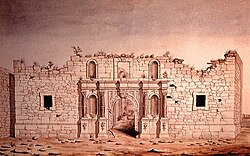
軍事的な視点で見れば、アラモでの戦いは小規模なものでしたが、サンタ・アンナがこの地に2週間留まったことで、テキサス側は独立宣言を採択するための貴重な時間を稼ぐことができました。
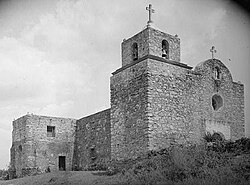
一方、ゴリアドではジェームズ・ファニン率いる部隊が敗北し、捕虜となった多くの兵士が処刑されるという「ゴリアドの虐殺」が発生しました。この残酷な出来事は、テキシャン側に激しい復讐心を植え付けることになります。
決戦:サンジャシントの戦いと独立
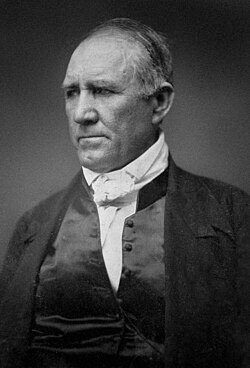
絶望的な状況の中、テキサス軍の指揮を執ったサム・ヒューストンは、あえて敵との正面衝突を避け、後退を繰り返す戦略を採りました。兵士たちからは「臆病者」と非難されましたが、これは訓練不足の軍を整え、決定的な好機を待つための忍耐強い策でした。
1836年4月21日、ついに好機が訪れます。サンジャシントの戦いにおいて、ヒューストン率いる軍は不意を突き、メキシコ軍に壊滅的な打撃を与えました。
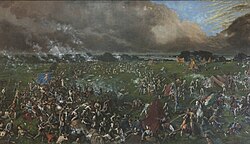
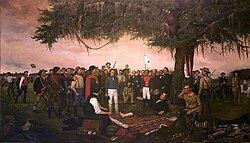
この戦いで、なんとメキシコ軍の総司令官であるサンタ・アンナ自身が捕虜となりました。彼は屈辱的な降伏文書に署名し、テキサスの独立を事実上認めることになります。
革命の結末と歴史的影響
戦いの後、テキサスは独立共和国として歩み始めました。しかし、その地位は不安定であり、常にアメリカ合衆国への併合という選択肢が議論されていました。
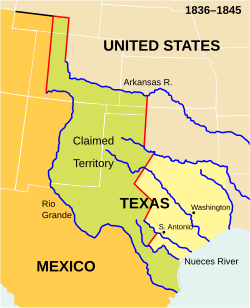
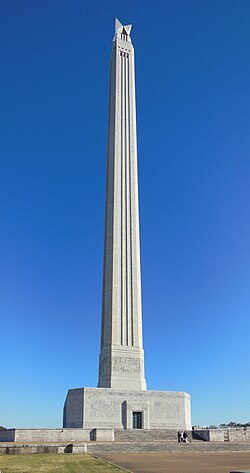
1845年、テキサスは正式にアメリカ合衆国に併合され、第28番目の州となりました。これに反発したメキシコとの間で米墨戦争が勃発し、結果としてメキシコは領土の半分以上を失うことになります。現在、サンジャシントには当時の犠牲者を悼む巨大な記念碑が建てられています。
この革命における特筆すべき点は、死傷者の比率です。当時の戦争では負傷者が死亡者の数倍になるのが一般的でしたが、テキサス革命では死亡者が負傷者を上回りました。これは、サンタ・アンナが反乱者を「反逆者」として処刑したことや、テキシャン側の激しい復讐心が影響していたと考えられています。
| 項目 | テキサス共和国側 | メキシコ共和国側 |
|---|---|---|
| 主要リーダー | サム・ヒューストン | アントニオ・ロペス・デ・サンタ・アンナ |
| 推定兵力 | 約 2,000人 | 約 6,500人 |
| 死者数 | 約 600人 | 約 1,000人 |
| 負傷者数 | 約 350人 | 約 400人 |
| 最終結果 | 勝利・独立達成 | 敗北・領土喪失 |
Frequently Asked Questions
アラモの戦いは軍事的に重要だったのですか?
軍事的な規模や結果だけを見れば、テキサス側が全滅したため重要性は低いと言えます。しかし、政治的な影響は絶大で、テキシャンの団結力を高め、独立への意欲を燃え上がらせる象徴となりました。
なぜテキサスはメキシコから独立しようとしたのですか?
主な理由は、サンタ・アンナによる中央集権化への反発です。1824年憲法が破棄され、州の自治権や立法権が奪われたことで、自由と自治を求める入植者たちが武装蜂起に至りました。
サム・ヒューストンが後退を続けたのはなぜですか?
彼の軍隊は訓練が不十分で規律も乱れており、正面からぶつかれば敗北する可能性が高かったためです。時間を稼いで軍を整備し、敵が油断したタイミングで奇襲をかける戦略を採りました。
革命後のテキサスはどうなりましたか?
一度はテキサス共和国として独立しましたが、1845年にアメリカ合衆国に併合されました。これが引き金となり、メキシコとの間で米墨戦争が起こり、現在の米墨国境の原型が作られました。
この戦争での死傷者の特徴は何ですか?
通常の19世紀の戦争とは異なり、負傷者よりも死者が多いという異常な統計が出ています。これは、捕虜の処刑や、双方の激しい憎しみによる殺戮が多かったためと分析されています。
References
- Spain did not ratify the treaty until February 1821, in the hopes that the delay would stop the Americans from recognizing Mexico as an independent country.
- For the purposes of this article, "Texas" refers to the area north of the Medina and Nueces Rivers and west of the Sabine River. "Coahuila y Tejas" comprises both Texas and the province of Coahuila. The "Republic of Texas" includes Texas and the land between the Nueces River and the Rio Grande.
- , p. 166), states that in 1830, there were approximately 7,000 foreign-born residents and 3,000 Mexican-born residents. , p. 4), states that there were 16,000 Anglos and only 4,000 Mexican-born residents in Texas in 1830.
- , p. 26) claims 14 Mexican soldiers died. , p. 23) estimated 60 Mexican casualties. , p. 34) claims 76 Mexican soldiers died.
- Milam was killed by a sharpshooter on December 7.
- If those who arrived after the battle of Gonzales are included, the average immigration date is 1832.
- These numbers are gathered from a combination of surviving muster rolls and veteran applications for land grants. It is likely that the statistics on the Texian army size in both 1835 and 1836 underestimate the number of Tejanos who served in the army. American volunteers who returned to the U.S. without claiming land are also undercounted.
- As of March 2015, no other historian has examined Reid's theory in detail. The 's article on Grant was written by Reid and includes mention of this theory.
- Houston's orders to Bowie were vague, and historians disagree on their intent. An alternative interpretation is that Bowie's orders were to destroy only the barricades that the Mexican army had erected around San Antonio de Béxar, and that he should then wait in the Alamo until Governor Henry Smith decided whether the mission should be demolished and the artillery removed. Smith never gave orders on this issue.
- The marked the eastern border of Mexican Texas.
📸 フォトギャラリー