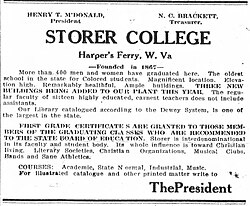
アメリカ合衆国ウェストバージニア州のハーパーズフェリーに位置したストーラー大学(Storer College)は、単なる教育機関ではなく、人種差別の壁に立ち向かった希望の象徴でした。1867年に創立され、1955年に閉校するまでの約90年間にわたり、多くのアフリカ系アメリカ人に高等教育の門戸を開き、社会のリーダーを育成し続けました。
かつて「ストーラー師範学校」として始まったこの学校は、人種や肌の色に関わらず教育を受けられる場を目指して設立されました。その精神は、当時の社会情勢において極めて革新的であり、多くの卒業生が教師や牧師、法曹界の先駆者として社会に貢献しました。
Key Facts
- 創立年:1867年(ウェストバージニア州初の黒人向け高等教育機関)
- 所在地:ウェストバージニア州ハーパーズフェリー
- 教育目的:人種を問わない教育の提供と教員養成(師範学校)
- 累計学生数:約7,000名
- 閉校年:1955年(州政府の資金援助打ち切りと認定問題が原因)
- 現在の状況:キャンパスの多くがハーパーズフェリー国立歴史公園として保存
大学の誕生と理念
ストーラー大学の礎を築いたのは、慈善家ジョン・ストーラーによる寛大な寄付でした。メイン州出身のストーラーは、人種に関係なく若者が学べる学校を南部に設立することを希望し、フリーウィル・バプテスト教会に1万ドルの助成金を提示しました。この資金提供により、1869年12月22日に大学が正式に捧げられました。
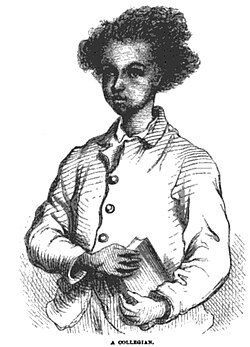
設立当初から、大学の憲章に「人種や色の区別なく」という文言を盛り込むことについて、州議会では激しい議論が交わされました。最終的に承認されたものの、この理念を貫くことは、当時の人種隔離政策が根強い社会において大きな挑戦となりました。
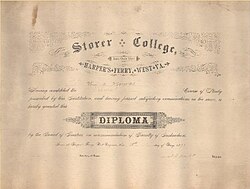
キャンパスの発展と教育内容
大学は当初、ハーパーズフェリー兵器廠の建物や土地を利用して運営されました。中心的な施設であったアンソニー・メモリアル・ホールを軸に、男子寮のリンカーン・ホールや女子寮のマートル・ホールなどが整備され、学生たちの生活拠点となりました。
![The central and largest building on campus was Anthony Memorial Hall, with Myrtle Hall, the girl's dormitory, on its north (right) side, and the boys' dormitory, Lincoln Hall, on the south (left) side. "It is so common for married couples to apply for admission to the school, that a building [unidentified] has been set apart for their especial accommodation."[7]: 461](/images/90/0f/900f4b14f4b7cedb18651cfd0e0ffd30924606028d13a05bb5e55736f5fc1715.jpg)
教育課程は主に教員養成(ノーマル・ディグリー)に重点を置いていましたが、次第に学術的な学位コースや産業訓練も導入されました。特に産業部門では、ハミルトン・ハッターのような卒業生が教員として戻り、大工仕事からギリシャ語、ラテン語、数学まで幅広く指導しました。
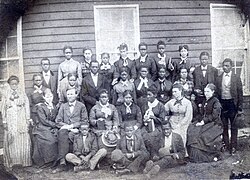
1938年にはヘンリー・T・マクドナルド学長の指導のもと、4年制大学へと昇格しました。1940年には物理学実験室や家政学部を収容するクック・ホールが完成し、設備面での拡充が進みました。
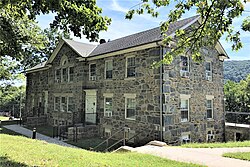
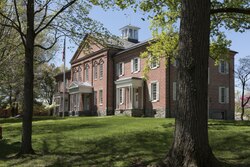
キャンパス内には、かつて兵器廠の給与支払係の住居であったロックウッド・ハウスがあり、ここが大学の最初の本部として使用されました。
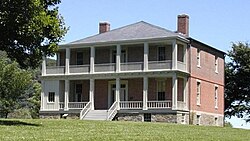
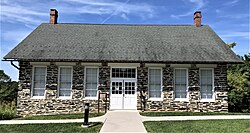
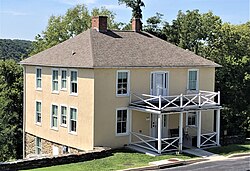
また、産業訓練や後の図書館として利用されたルイス・アンソニー・ビルディングや、教職員の私邸であったバード・ブレイディ・ハウスなど、多様な建築物が学生たちの学びを支えました。
社会的な象徴としての役割
ストーラー大学は、アフリカ系アメリカ人にとっての精神的な拠点となりました。1881年には、著名な奴隷制廃止論者であるフレデリック・ダグラスが演説を行い、1906年にはW.E.B.デュボイスらが主導したナイアガラ運動の会議が開催されるなど、公民権運動の先駆けとなる重要な出来事の舞台となりました。
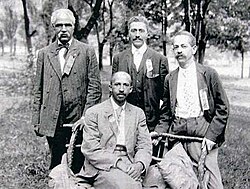
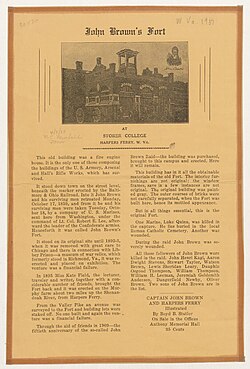
また、奴隷制終焉の象徴である「ジョン・ブラウンの砦」が1909年から1968年までキャンパス内に置かれ、大学の博物館として利用されていたことも、この地の歴史的な意味を深めています。
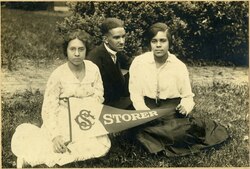
学生たちは、人種隔離という厳しい環境にありながらも、誇りを持って学びました。キャンパスの芝生でペンナントを掲げる学生たちの姿は、当時の希望を象徴しています。
衰退と閉校への道のり
大学の運営は常に困難を伴いました。地域社会の白人層からの強い敵意にさらされ、内部的な管理上の問題も発生しました。さらに、地域認定(アクレディテーション)を受けるために必要な10万ドルの基金を確保できず、医学部への進学ルートを確保できなかったことが大きな打撃となりました。
決定的な打撃となったのは、1954年の「ブラウン対教育委員会裁判」による公立学校の人種隔離違憲判決でした。皮肉にも、この歴史的な勝利により、ウェストバージニア州議会は「黒人学生が他の州立大学に入学できるようになったため、ストーラー大学への専用予算は不要である」として、年間2万ドルの助成金を打ち切りました。
資金源を失った大学は、1955年に惜しまれつつ閉校しました。最終年度の学生数はわずか88名まで減少していました。
現代に受け継がれる遺産
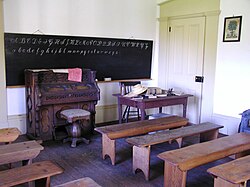
現在、ストーラー大学のキャンパス跡地の多くは、ハーパーズフェリー国立歴史公園の一部として保存されています。国立公園局によって再建された教室などは、かつての学び舎の記憶を今に伝えています。
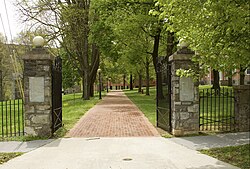
また、キャンパスの入り口にあったソルジャーズ・ゲートなどの遺構も、人種を超えた教育への情熱の証として残されています。
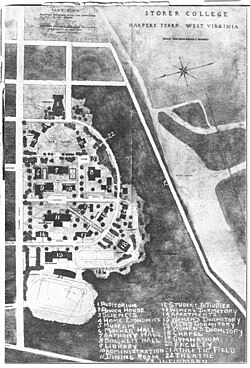
大学の配置を記した当時の地図からは、鉄道駅に向かうキャンパスの広がりを確認でき、当時の学生たちがどのような環境で学んでいたかを想像させます。
ストーラー大学の概要まとめ
| 項目 | 詳細 |
|---|---|
| 活動期間 | 1867年 〜 1955年 |
| 主な教育課程 | 教員養成(師範)、学術学位、産業訓練 |
| 著名な関係者 | フレデリック・ダグラス、W.E.B.デュボイス |
| 閉校の主因 | 州政府の予算打ち切り、認定基金の不足 |
| 現在の保存形態 | ハーパーズフェリー国立歴史公園 |
Frequently Asked Questions
ストーラー大学はどのような目的で設立されましたか?
慈善家ジョン・ストーラーの寄付により、人種や肌の色に関わらず、南部で若者が高等教育を受けられる場を提供することを目的として設立されました。特に黒人教員の育成に力を入れていました。
なぜ大学は閉校することになったのですか?
主な理由は資金不足です。地域認定に必要な基金を確保できず、さらに1954年の人種隔離違憲判決を受けて、ウェストバージニア州政府が「他校への入学が可能になった」として助成金を打ち切ったため、運営が不可能となりました。
ジョン・ブラウンの砦と大学の関係は何ですか?
奴隷制廃止の象徴であるジョン・ブラウンの砦は、1909年から1968年までストーラー大学のキャンパス内に置かれ、大学の博物館として利用されていました。
卒業生はどのような分野で活躍しましたか?
多くの卒業生が小学校の教師や牧師として活躍したほか、ウェストバージニア州初の黒人弁護士となったJ.R.クリフォードや、政治家、学者など、多方面で社会的なリーダーとなりました。
現在、キャンパスを訪れることはできますか?
はい、キャンパスの大部分は現在「ハーパーズフェリー国立歴史公園」の一部となっており、保存された建物や跡地を訪れることが可能です。
References
- HISTORIC AMERICAN BUILDINGS SURVEY ADDENDUM TO STORER COLLEGE, COOK HALL (Permelia Eastman Cook Hall), p. 3. Note: Permelia Eastman Cook Hall was not constructed until 1939-1940. Archived 2017-02-25 at the , HABS Survey, Library of Congress
- (1881). John Brown. An address by Frederick Douglass, at the fourteenth anniversary of Storer College, Harper's Ferry, West Virginia, May 30, 1881. Dover, New Hampshire.
{{}}: CS1 maint: location missing publisher () - "On Negro Schools". Harper's New Monthly Magazine. 49 (292): 457–468, at p. 460. September 1874. Archived from the original on June 11, 2021. Retrieved May 25, 2021.
- Gordon, Vivian Verde (Autumn 1961). "A History of Storer College, Harpers Ferry, West Virginia". . 30 (4): 445–449. :10.2307/2294066. 2294066. Archived from the original on May 11, 2021. Retrieved February 27, 2021.
- Mongin, Alfred. "A College in Secessia: The Early Years of Storer College". . 23 (4): 263–268.
- "Remembering Storer College". : 2–15, at p. 3. Fall 2015. Archived from the original on April 14, 2021. Retrieved April 14, 2021.
- "On Negro Schools". Harper's New Monthly Magazine. 49 (292). Illustrated by : 457–468. September 1874. Archived from the original on May 16, 2021. Retrieved May 16, 2021.
{{}}: CS1 maint: others () - "Storer College" Harpers Ferry National Historical Park
- Minutes of the Twenty-Seventh General Conference of Free Baptists, held at Harper's Ferry, West Virginia, September–October 1889. Boston. 1890.
{{}}: CS1 maint: location missing publisher () - Burke, Dawne Raines (2015). An American Phoenix: A History of Storer College from Slavery to Desegregation, 1865–1955. : Storer College Books, an imprint of . .
📸 フォトギャラリー