私たちが生きる現実の枠組みを超え、「もしも」という仮定から新しい世界を構築する物語の総称をスペキュレイティブ・フィクション(思索的フィクション)と呼びます。これは単なる娯楽ではなく、科学的根拠や幻想的な設定を用いて、人間社会や存在の在り方を問い直す知的な試みでもあります。SF、ファンタジー、ホラーといった多様なジャンルを内包し、文学から映画、アニメーションまで幅広く展開しています。
Key Facts
- 広範な定義:SF、ファンタジー、ホラー、代替歴史など、「現実には起こり得ないが、論理的に想定可能な設定」を持つ物語を包括する。
- SFの核心:未来設定、宇宙旅行、異星人、高度なテクノロジーなど、科学的推論に基づいた世界観が特徴。
- ファンタジーの特性:魔法や伝説の生物、独自の神話体系など、超自然的な要素を基盤とする。
- ホラーの役割:恐怖や不安、未知の存在を通じて、人間の心理的限界や社会の闇を浮き彫りにする。
- 社会的影響:ディストピア小説や気候フィクション(Cli-Fi)のように、現代社会への警鐘や政治的プロテストとしての側面を持つ。
想像力の系譜:SFとファンタジーの歴史的展開
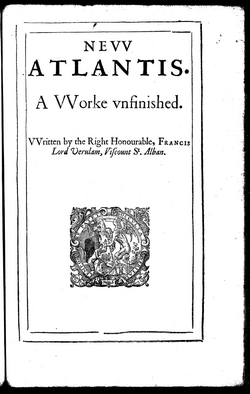
思索的な物語の起源は古く、古代の神話や伝説にまで遡ります。しかし、近代的な形式としてのSFは、科学革命後の知的好奇心と結びついて発展しました。初期の試みとして、フランシス・ベーコンのような思想家が描いた理想郷の構想などが挙げられます。
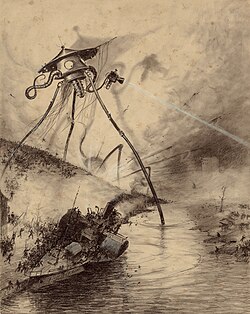
19世紀に入ると、メアリー・シェリーの『フランケンシュタイン』のように、科学の暴走と倫理を問う作品が登場し、ジャンルの基礎が築かれました。その後、H.G.ウェルズやジュール・ヴェルヌらが、宇宙旅行や時間旅行といった概念を一般化させ、物語としての「科学的ロマンス」を確立しました。

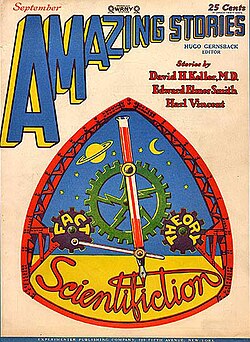
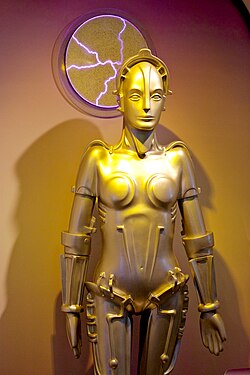
20世紀に入ると、パルプ・マガジンの台頭によりSFは黄金時代を迎えます。ヒューゴー・ガーンズバックらが「サイエンティクション(Scientiction)」という言葉を提唱し、雑誌を通じて多くの作家や読者が結びつきました。この時代、想像力は宇宙の果てまで広がり、未知の惑星や高度なロボットが物語の主役となりました。
![The August 1923 issue of Science and Invention — the "Scientific Fiction number" — was the first issue of a Gernsback-published magazine to have significant fiction content.[56]](/images/c7/bc/c7bc9b8a382edd86e19b9c1cb0092ef04f5f91700efbc18807a8fd44e6e4a6c3.jpg)
その後、SFは単なる技術的予測を超え、社会批評や心理的探求へと深化しました。ジョージ・オーウェルの『1984年』に代表されるディストピア文学は、権力による監視社会の恐怖を描き、現代においても強い影響力を持ち続けています。

多様なサブジャンルと表現形式
スペキュレイティブ・フィクションは、時代の変化とともに細分化され、独自の進化を遂げています。特にテクノロジーの進化と密接に関わっているのが、サイバーパンクやスチームパンクといった「パンク」系ジャンルです。これらは、高度な情報ネットワークと退廃的な社会、あるいは蒸気機関が発展した代替世界を描きます。
また、現代では地球温暖化などの環境問題に焦点を当てた気候フィクション(Climate Fiction)が注目されており、未来の生態系や人類の生存戦略をシミュレーションする役割を果たしています。
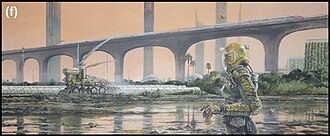
表現媒体も多岐にわたり、小説だけでなく、映画やテレビドラマ、アニメーション、そしてポッドキャストなどのデジタルメディアへと広がっています。特に日本のアニメやマンガは、独自のSF世界観を構築し、世界的な文化現象となっています。
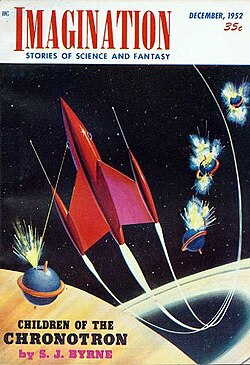
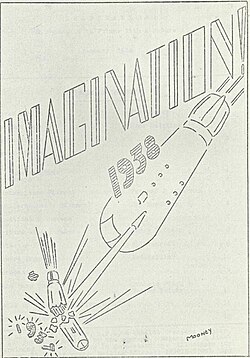
さらに、ファンコミュニティ(ファンダム)の活動も重要です。ファンジン(同人誌)の制作や、世界各地で開催されるコンベンションを通じて、作家と読者が双方向に影響し合う文化が形成されています。

SFがもたらす「センス・オブ・ワンダー」と社会的意義
SFの最大の魅力は、未知なるものに触れた時に感じる強烈な驚き、すなわちセンス・オブ・ワンダーにあります。宇宙の広大さや時間の不可逆性、あるいは異質な知性との接触を描くことで、読者は日常の視点から解放され、宇宙的な視座を獲得します。
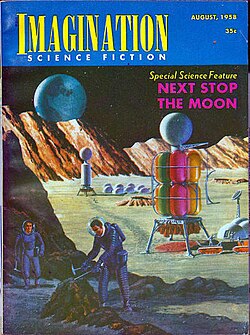
また、SFは未来を予測するツールとしても機能します。過去の作品が予測した通信技術や宇宙探査が現実となった例は多く、想像力が科学的探究のインスピレーションとなる好循環を生んでいます。
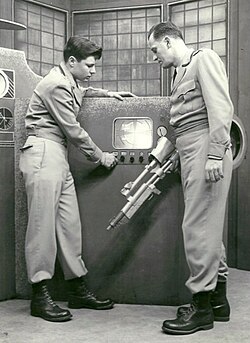
同時に、現実の場所を聖地化する文化も生まれています。例えば、『スタートレック』のキャラクターの誕生日にちなんだ記念碑が設置されるなど、フィクションが現実の空間に意味を付与する現象も見られます。

現在では、大学でSFを専門的に研究する学位プログラムも存在し、文学的価値だけでなく、社会学や哲学の観点からも分析が進んでいます。

ジャンル別 特徴まとめ
| ジャンル | 主たる構成要素 | 主なテーマ | 代表的なアプローチ |
|---|---|---|---|
| サイエンスフィクション (SF) | 科学技術、宇宙、未来、異星人 | 進化、文明の興亡、倫理 | 論理的推論に基づく世界構築 |
| ファンタジー | 魔法、神話、伝説の生物 | 善悪の対立、運命、冒険 | 超自然的な法則の設定 |
| ホラー | 未知の恐怖、怪異、心理的圧迫 | 死、狂気、生存本能 | 不安や恐怖の喚起 |
| 代替歴史 | 歴史の分岐点、異なる過去 | 因果関係、社会構造の変化 | 「もしあの時こうだったら」の検証 |
Frequently Asked Questions
SFとファンタジーの決定的な違いは何ですか?
一般的に、SFは「科学的に説明可能、あるいは理論的に想定できる根拠」に基づいた世界を描くのに対し、ファンタジーは「魔法や神話など、科学的根拠を必要としない超自然的な法則」に基づいた世界を描く点に違いがあります。
「ハードSF」と「ソフトSF」とはどういう意味ですか?
ハードSFは、物理学や天文学などの自然科学的な正確さを重視する作品を指します。一方、ソフトSFは、心理学、社会学、政治学などの人文・社会科学的な側面や、人間ドラマに重点を置く作品を指します。
ディストピア作品がなぜ現代で人気なのですか?
格差の拡大や環境破壊、監視社会の強化など、現代社会が抱える不安が、ディストピア作品が描く極端な未来像と共鳴するためです。物語を通じて現状への危機感を共有し、警鐘を鳴らす役割を果たしています。
スペキュレイティブ・フィクションを学ぶメリットはありますか?
固定観念にとらわれず、「別の可能性」を想定する思考力が養われます。また、未知の状況に対する想像力を鍛えることで、複雑な現代社会における問題解決能力や、多様な価値観への理解を深めることができます。
References
- ; ; (1993). "Definitions of SF". In Clute, John; Nicholls, Peter (eds.). Encyclopedia of Science Fiction. London: /. pp. 311–314. .
- "SFE: Definitions of SF". sf-encyclopedia.com. Retrieved 2 November 2025.
- Asimov, Isaac (April 1975). "How Easy to See the Future!". . 84 (4). New York: : 92. 0028-0712 – via Internet Archive.
- Heinlein, Robert A.; Cyril Kornbluth; Alfred Bester; Robert Bloch (1959). The Science Fiction Novel: Imagination and Social Criticism. University of Chicago: Advent Publishers.
- Del Rey, Lester (1980). The World of Science Fiction 1926–1976. Ballantine Books. .
- Canton, James; Cleary, Helen; Kramer, Ann; Laxby, Robin; Loxley, Diana; Ripley, Esther; Todd, Megan; Shaghar, Hila; Valente, Alex (2016). The Literature Book. New York: . p. 343. .
- Menadue, Christopher Benjamin; Giselsson, Kristi; Guez, David (1 October 2020). "An Empirical Revision of the Definition of Science Fiction: It Is All in the Techne . . ". SAGE Open. 10 (4) 2158244020963057. :10.1177/2158244020963057. 2158-2440. 226192105.
- Seed, David (23 June 2011). Science Fiction: A Very Short Introduction. OUP Oxford. .
- Knight, Damon Francis (1967). In Search of Wonder: Essays on Modern Science Fiction. Advent Publishing. p. xiii. .
- "Forrest J Ackerman, 92; Coined the Term 'Sci-Fi'". . 7 December 2008. Archived from the original on 22 October 2017. Retrieved 17 December 2015.
📸 フォトギャラリー