El Sol (Madrid), 28 May 1918: "The three-day fever – In Madrid 80,000 Are Infected – H.M. the King is sick"
← ホームへ戻る

スペイン風邪の歴史と教訓1918年のパンデミックが世界に与えた衝撃

🗓 2026年8月14日

20世紀初頭、世界を未曾有の恐怖に陥れた感染症がありました。それがスペイン風邪です。1918年から1920年にかけて猛威を振るったこのパンデミックは、当時の世界人口の約3分の1にあたる5億人が感染したと推定されており、その犠牲者数は2,500万から5,000万人、推計によっては最大1億人に達すると言われています。

この疾患は単なる季節性のインフルエンザではなく、極めて高い致死率と急速な伝播力を持ち、社会構造や歴史の転換点にまで影響を及ぼしました。

Key Facts

  • 病原体: A/H1N1亜型インフルエンザウイルス
  • 流行期間: 1918年2月 〜 1920年4月
  • 推定感染者数: 約5億人
  • 推定死者数: 2,500万 〜 1億人
  • 特異点: 通常のインフルエンザとは異なり、若年層の死亡率が非常に高かった

パンデミックの発生と世界的な拡大

スペイン風邪の起源については諸説ありますが、1918年1月に米国カンザス州ハスケル郡で最初の症例が確認されたという記録があります。その後、第一次世界大戦という歴史的背景が、ウイルスの世界的な拡散を加速させました。兵士たちが密集して生活し、国境を越えて移動したことで、ウイルスは瞬く間に戦地から後方へと広がっていきました。
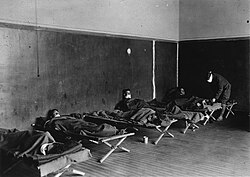
U.S. Army flu patients at Field Hospital No. 29 near Hollerich, Luxembourg 1918. As U.S. troops deployed en masse for the war effort in Europe, they carried the Spanish flu with them.

「スペイン風邪」という名称は、この病気がスペインで発生したためではなく、戦時中の検閲がなかったスペインのメディアが被害状況を率直に報じたため、あたかもスペインで流行しているかのように見えたことに由来します。実際には、マドリードなどの主要都市でも甚大な被害が出ており、国王までもが罹患する事態となりました。
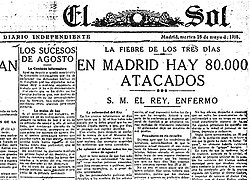
El Sol (Madrid), 28 May 1918: "The three-day fever – In Madrid 80,000 Are Infected – H.M. the King is sick"

流行は一度に終わったのではなく、複数の「波」となって世界を襲いました。1918年前半の第1波に続き、同年後半に極めて致死率の高い第2波が到来し、その後1919年から1920年にかけて第3波、第4波が続いたと分析されています。

Three pandemic waves: weekly combined flu and pneumonia mortality, United Kingdom, 1918–1919[236]

医学的特徴と身体への影響

このパンデミックを引き起こしたのはA/H1N1という亜型のウイルスでした。現代の科学的な解析により、このウイルスが再構築され、その構造が研究されています。
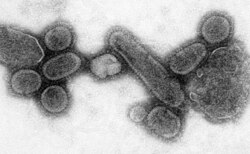
An electron micrograph showing recreated 1918 influenza virions
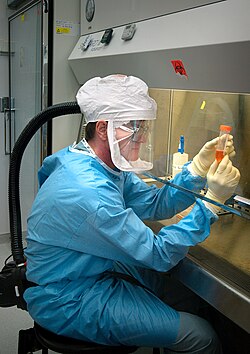
Dr Terrence Tumpey examines a reconstructed version of the Spanish flu virus at the CDC

特筆すべきは、その死亡パターンの異常さです。通常のインフルエンザでは乳幼児や高齢者の死亡率が高くなりますが、スペイン風邪では20代から40代の健康な若年層に多くの死者が出ました。これは、免疫系が過剰に反応する「サイトカインストーム」のような現象が起きたためと考えられています。

Difference between the flu mortality age-distributions of the 1918 pandemic and normal epidemics – deaths per 100,000 persons in each age group, United States, for the interpandemic years 1911–1917 (dashed line) and the pandemic year 1918 (solid line)[235]

主な症状としては、高熱、激しい咳、呼吸困難などが挙げられ、多くの場合、二次的な細菌性肺炎を併発することが死因となりました。当時の医療水準では抗生物質が存在しなかったため、肺炎への対処は極めて困難でした。
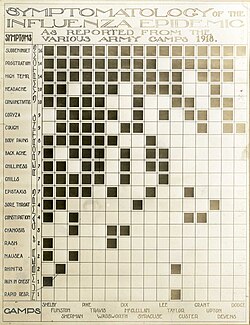
US Army symptomology of the flu

社会的な混乱と公衆衛生への対応

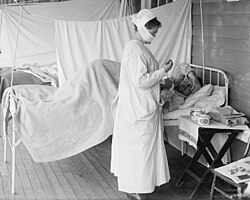
ワクチンや効果的な治療薬が存在しなかった時代、人々は経験的な対策に頼らざるを得ませんでした。各国では、集会の禁止やマスクの着用、手洗いの推奨といった公衆衛生上の措置が講じられました。米国では赤十字などが布マスクを配布し、警察官や看護師が着用して活動しました。
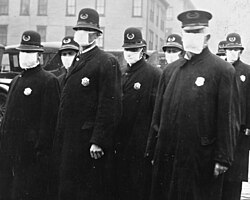
Seattle policemen wearing cloth face masks handed out by the American Red Cross during the Spanish flu pandemic, December 1918
A nurse wears a cloth face mask while treating a flu patient in Washington, DC, c. 1919

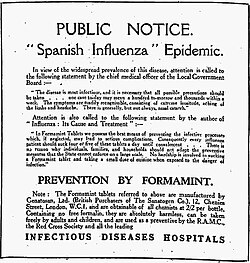
しかし、こうした規制に対する反発もありました。シカゴでは集会禁止令に違反した富裕層が公表されるなどの騒動があり、サンフランシスコではマスク着用に反対する団体まで結成されました。また、不安に駆られた人々は、科学的根拠のない予防薬やサプリメントの広告に惑わされることもありました。

An article naming wealthy socialites for violating city law banning public gatherings, Chicago Tribune, October 19, 1918. Named violators include Joan Pinkerton Chalmers, daughter of Pinkertons private police founder Allan Pinkerton.[105]
Advertisement in The Times, 28 June 1918 for Formamint tablets to prevent "Spanish influenza"

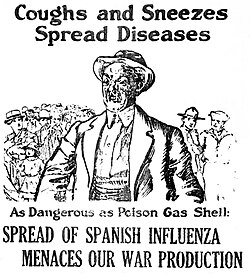
情報の拡散にはポスターなどが活用され、「咳やくしゃみが病気を広める」というシンプルなスローガンで啓発活動が行われました。
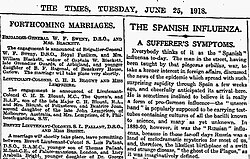
Front page of The Times (London), 25 June 1918: "The Spanish Influenza"
US poster with the slogan "Coughs and sneezes spread diseases"
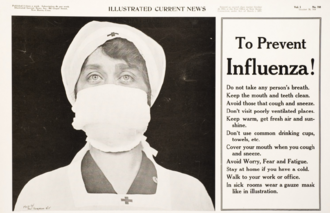
Public health recommendations from the Illustrated Current News
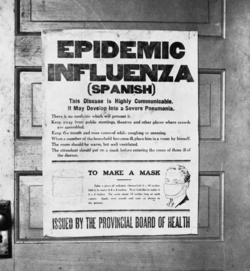
Provincial Board of Health poster from Alberta, Canada

日本においても、このパンデミックは大きな影響を与え、多くの人々が罹患しました。当時の写真には、街中でマスクを着用して生活する人々の姿が記録されています。
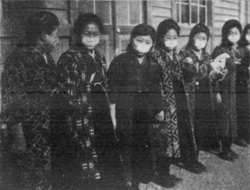
Japanese women in Tokyo during the Spanish flu pandemic, 1920

甚大な被害と歴史的遺産

被害は都市部だけでなく、世界中のあらゆる地域に及びました。ロンドンやニューヨーク、パリ、ベルリンなどの大都市では、1918年10月から11月にかけて死亡者数が急増し、ピークを迎えました。
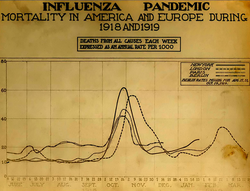
Deaths from all causes for New York, London, Paris, and Berlin with peaks in October and November 1918
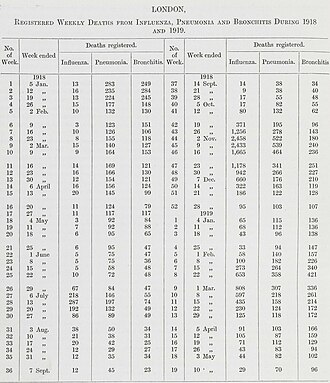
London weekly deaths from influenza during 1918 and 1919

あまりに多くの死者が出たため、個別の埋葬が追いつかず、ニュージーランドなどの地域では集団墓地が作られるという悲劇的な光景も見られました。
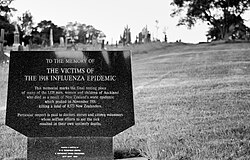
Mass burial site of flu victims from 1918 in Waikumete Cemetery, Auckland, New Zealand

また、このパンデミックは芸術の世界にも影響を与えました。画家エドヴァルド・ムンクは自らが罹患した際の姿を自画像として残しており、当時の苦しみと孤独が表現されています。
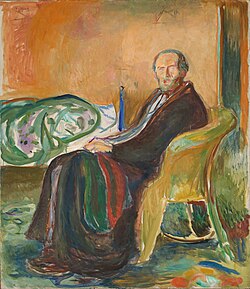
Edvard Munch (1863–1944), Self-Portrait with the Spanish Flu (1919)

戦時下の混乱と重なったことで、この惨劇は一時的に戦争の記憶に塗りつぶされましたが、後の公衆衛生体制の整備やウイルス研究に多大な教訓を残しました。
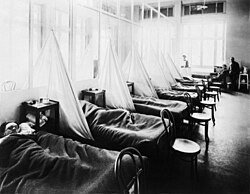
American Expeditionary Force flu patients at U.S. Army Camp Hospital no. 45 in Aix-les-Bains, France, 1918
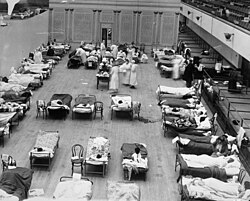
American Red Cross nurses tend to flu patients in temporary wards set up inside the Oakland Municipal Auditorium
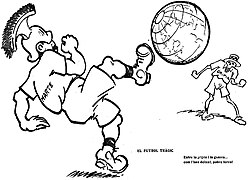
Spanish satirical cartoon published in November 1918 depicting a "tragic game of football" between Mars, Greek god of war, and the Spanish Flu. There is a short poem as a caption which roughly translates to English as "Between flu and war, look at how they've left her, our poor Earth"
US comic published in 1922

パンデミック比較まとめ

スペイン風邪を他の主要なパンデミックと比較すると、その規模と深刻さが際立ちます。

主要なインフルエンザ・パンデミックの比較
名称 流行時期 亜型 推定感染者数 推定死者数 深刻度
スペイン風邪 1918–20年 H1N1 5億人以上 1,700万〜1億人 最高 (5)
アジア風邪 1957–58年 H2N2 5億人以上 100万〜400万人 中 (2)
香港風邪 1968–69年 H3N2 5億人以上 100万〜400万人 中 (2)
新型インフルエンザ 2009–10年 H1N1/09 0.7〜14億人 15万〜57万人 低 (1)

Frequently Asked Questions

なぜ「スペイン風邪」と呼ばれているのですか?

スペインで発生したからではなく、第一次世界大戦中のスペインが中立国であり、他国が検閲で伏せていた流行情報を自由に報じたため、世界的に「スペインで流行している病気」という印象がついたためです。

なぜ若者が多く亡くなったのですか?

正確な理由は研究中ですが、健康な若年層ほど免疫反応が強く出すぎてしまい、自身の免疫系が肺などの組織を攻撃して破壊する「サイトカインストーム」のような現象が起きたためと考えられています。

当時の主な対策は何でしたか?

ワクチンや抗生物質がなかったため、布マスクの着用、手洗いの徹底、集会の禁止、隔離といった非薬物的な介入(NPIs)が中心的な対策となりました。

このパンデミックの死因は何でしたか?

ウイルスによる直接的な肺へのダメージに加え、多くの場合、二次的に細菌性肺炎を併発したことが直接的な死因となりました。

現代のインフルエンザと何が違ったのですか?

ウイルス自体の毒性が非常に強かったことに加え、当時の医療体制(抗生物質や人工呼吸器の不在)や、世界大戦による兵士の大量移動という特殊な環境が重なったことで、被害が極大化したと考えられています。

References

  1. Not pandemic, but included for comparison purposes.

📸 フォトギャラリー

El Sol (Madrid), 28 May 1918: "The three-day fever – In Madrid 80,000 Are Infected – H.M. the King is sick"
Advertisement in The Times, 28 June 1918 for Formamint tablets to prevent "Spanish influenza"
Front page of The Times (London), 25 June 1918: "The Spanish Influenza"
Edvard Munch (1863–1944), Self-Portrait with the Spanish Flu (1919)
Seattle policemen wearing cloth face masks handed out by the American Red Cross during the Spanish flu pandemic, December 1918
An article naming wealthy socialites for violating city law banning public gatherings, Chicago Tribune, October 19, 1918. Named violators include Joan Pinkerton Chalmers, daughter of Pinkertons private police founder Allan Pinkerton.[105]
American Expeditionary Force flu patients at U.S. Army Camp Hospital no. 45 in Aix-les-Bains, France, 1918
Spanish satirical cartoon published in November 1918 depicting a "tragic game of football" between Mars, Greek god of war, and the Spanish Flu. There is a short poem as a caption which roughly translates to English as "Between flu and war, look at how they've left her, our poor Earth"
London weekly deaths from influenza during 1918 and 1919
Public health recommendations from the Illustrated Current News
American Red Cross nurses tend to flu patients in temporary wards set up inside the Oakland Municipal Auditorium
U.S. Army flu patients at Field Hospital No. 29 near Hollerich, Luxembourg 1918. As U.S. troops deployed en masse for the war effort in Europe, they carried the Spanish flu with them.
US Army symptomology of the flu
US poster with the slogan "Coughs and sneezes spread diseases"
Difference between the flu mortality age-distributions of the 1918 pandemic and normal epidemics – deaths per 100,000 persons in each age group, United States, for the interpandemic years 1911–1917 (dashed line) and the pandemic year 1918 (solid line)[235]
Three pandemic waves: weekly combined flu and pneumonia mortality, United Kingdom, 1918–1919[236]
Deaths from all causes for New York, London, Paris, and Berlin with peaks in October and November 1918
Japanese women in Tokyo during the Spanish flu pandemic, 1920
A nurse wears a cloth face mask while treating a flu patient in Washington, DC, c. 1919
Provincial Board of Health poster from Alberta, Canada
Mass burial site of flu victims from 1918 in Waikumete Cemetery, Auckland, New Zealand
US comic published in 1922
An electron micrograph showing recreated 1918 influenza virions
Dr Terrence Tumpey examines a reconstructed version of the Spanish flu virus at the CDC