人類が地球という揺りかごを離れ、他の天体に永住の地を求める「宇宙植民(Space Colonization)」は、かつてのSFの世界から現実的な科学的議論の対象へと進化しました。単なる探査に留まらず、持続可能な居住区を構築することは、種としての生存戦略や資源問題の解決策として注目されています。
しかし、この壮大な計画には、技術的な困難だけでなく、倫理的な対立や法的な整備といった複雑な課題が横たわっています。本記事では、宇宙に住まうことの意義から、具体的な候補地、そして直面する壁について詳しく解説します。
Key Facts
- 生存戦略: 地球規模の災害や人口過剰へのリスクヘッジとして、多惑星種になることが提唱されている。
- 資源確保: 小惑星や月などの天体には、地球で枯渇しつつある希少資源が豊富に存在する。
- 主要候補地: 月、火星、ラグランジュ点、および木星や土星の衛星が有力な居住候補である。
- 技術的障壁: 強烈な宇宙放射線、低重力による健康被害、完全な生命維持システムの構築が不可欠。
- 倫理的議論: 過去の植民地主義の再来への懸念や、他天体の生態系を破壊する汚染リスクが議論されている。
宇宙居住を推進する論理と正当性
なぜ人類は多大なコストとリスクを冒してまで宇宙へ進出しようとするのでしょうか。最大の理由は文明の存続です。小惑星の衝突や壊滅的なパンデミックなど、地球単一の環境に依存し続けることは、種としての絶滅リスクを高めることになります。スティーヴン・ホーキング博士などの科学者は、人類が生き残るためには100年以内に宇宙へ進出する必要があると警鐘を鳴らしました。
また、経済的な側面からも正当性が主張されています。宇宙空間には膨大な天然資源が眠っており、これらを活用することで地球上の資源需要を緩和し、環境負荷を軽減できる可能性があります。産業活動を宇宙へ移転させることで、地球の自然環境を回復させるという視点もあります。
さらに、生命の美しさや知性を宇宙全体に広めるという哲学的・精神的な動機も、多くの推進者を後押ししています。
宇宙植民への反対意見と倫理的課題
一方で、宇宙植民という概念自体に強い批判もあります。特に「植民(Colonization)」という言葉が持つ歴史的な背景から、かつての帝国主義や植民地支配の精神を宇宙に持ち込むことへの懸念が示されています。一部の専門家は、領有権を主張しない「宇宙定住(Space Settlement)」という表現を用いるべきだと主張しています。
![Photo of the first national flag assembled by a human on the Moon (Apollo 11, 1969). With colonization of space having been a critically discussed issue since the dawn of the space age, resulting in the Outer Space Treaty (1967), the flag was not to symbolize any territorial claims.[1]](/images/80/1d/801d406ed4c53a8742d796ece5420bc74205d5f82ad3467865dcbe98c9701694.jpg)
また、惑星保護の観点からも議論が分かれています。地球の微生物が他の天体を汚染し、もしそこに未知の生命が存在していた場合に、その生態系を破壊してしまうリスクがあるためです。また、宇宙開発が一部の富裕層や強国による独占的な利益追求に終わるという社会経済的な懸念も根強くあります。
![Gemini 5 mission badge (1965) connecting spaceflight to colonial endeavours[89]](/images/20/64/2064fd962b7be562f106e50ad002ad25f6ecd8f513a36e16ff71632e0a126868.png)
![The logo and name of the in the past pursued Lunar Gateway references the St. Louis Gateway Arch,[90] which some see as associating Mars with the American frontier and like the whole Artemis program[91] with the manifest destiny mentality of American settler colonialism.[92]](/images/f6/ce/f6ce1d6472f748a3c09120bcc95bbd0ef580b33dcd5666dc7a61d7ec00a0e7c7.png)
居住候補地とその特性
宇宙での居住地は、地球からの距離や環境条件によっていくつかのカテゴリーに分けられます。
近地球圏と月
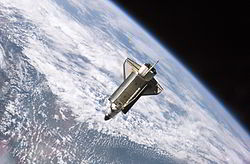
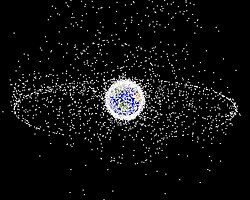
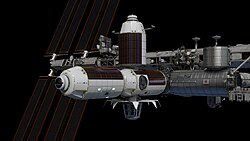
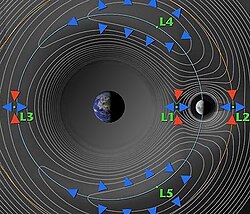
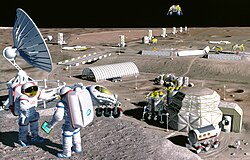
地球軌道上の宇宙ステーションや、地球と月の重力が釣り合うラグランジュ点は、輸送コストが低く、初期の拠点として最適です。月は地球に最も近く、水資源の存在が確認されているため、火星へ向かうための「中継基地」としての役割が期待されています。
火星と内太陽系
火星は、大気が存在し、かつて液体の水があったと考えられているため、最も現実的な移住先とされています。大気を改造して地球に近い環境にするテラフォーミングという構想もあり、多くの民間企業や団体がこの目標を掲げています。
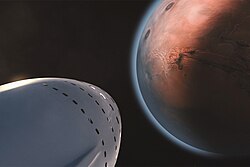
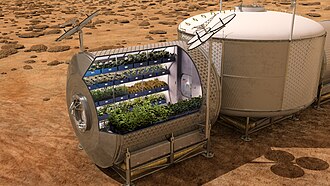
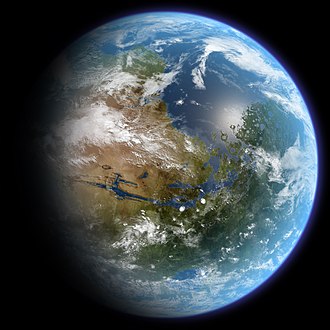
水星や金星などの内太陽系天体も検討対象ですが、極端な温度環境や大気圧のため、地下都市などの特殊な構造物が必要となります。
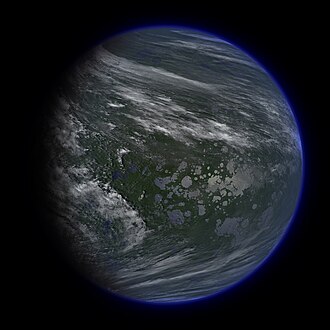
外太陽系とその他の天体
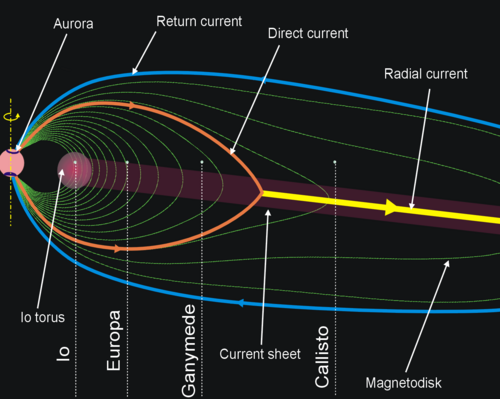
木星や土星の衛星(エウロパ、ガニメデ、カリスト、タイタンなど)は、氷の下に海を持つ可能性があり、生命探査と居住の両面で注目されています。特にタイタンは厚い大気を持つため、放射線遮蔽の面で有利と考えられています。
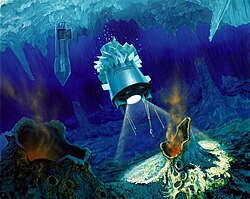
![Artist's impression of a base on Callisto[163]](/images/b1/ae/b1aeca16f9478a4f059033bf2e18ff6982e8f336566711a7abdf8d467b4311f5.png)
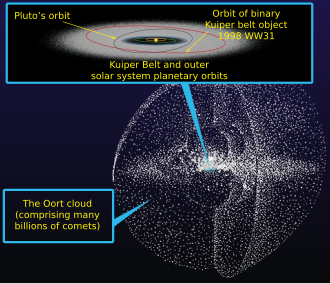
さらに遠方では、カイパーベルトやオールトの雲といった太陽系外縁部まで視野に入れた構想が存在します。

実装に向けた技術的・社会的ハードル
実際に人間が宇宙で生活するためには、地球上の環境を完全に再現するか、人間側を適応させる必要があります。
生命維持と健康管理
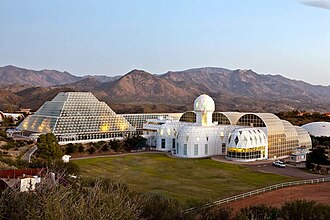
宇宙放射線からの遮蔽、低重力による筋力低下や骨密度の減少、そして閉鎖環境による精神的なストレスへの対策が不可欠です。これらを解決するために、地球上で閉鎖生態系を再現する「バイオスフィア2」のような実験が行われてきました。
資源の自給自足
地球からの補給に頼らず、現地にある資源を利用して建設資材や燃料、食料を調達する現地資源利用(ISRU)の技術が鍵となります。月や小惑星での鉱山開発などがその一環です。
社会構造とガバナンス
宇宙での法執行、通貨制度、統治形態をどう構築するかという政治的な課題もあります。地球上の国家の延長線上の法律を適用するのか、あるいは全く新しい宇宙独自の主権を認めるのか、国際的な合意形成が必要です。
巨大構造物による居住構想
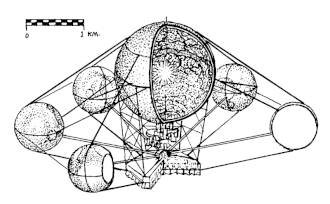
惑星の表面ではなく、宇宙空間に巨大な人工居住区を建設するアイデアもあります。ジェラルド・オニールが提唱した「オニール・シリンダー」や「スタンフォード・トーラス」などは、回転による遠心力で擬似的な重力を生み出し、内部に地球に近い環境を構築する設計です。
![Diagram of the Stanford Torus-based world ship described in World Ships – Architectures & Feasibility Revisited paper,[178] also considering the detailed design of Stanford Torus as described in Space Settlements: A Design Study book[179]](/images/42/c7/42c784da7e9a8129f1b80804beddd8ea955f89586708ca9b9354c99ffdaca0cf.png)
宇宙居住地の特性比較まとめ
| 候補地 | 主なメリット | 主な課題 | 期待される役割 |
|---|---|---|---|
| 地球軌道/ラグランジュ点 | 地球へのアクセスが容易 | 完全な人工環境が必要 | 研究・商業拠点 |
| 月 | 距離が近く、水資源がある | 大気がなく放射線が強い | 中継基地・資源採掘 |
| 火星 | 地球に似た環境(潜在的) | 輸送距離が長く、環境が過酷 | 恒久的な第二の故郷 |
| 外惑星の衛星 | 内部海や厚い大気の可能性 | 極低温、地球から極めて遠い | 深宇宙探査の拠点 |
| 人工居住区 | 重力や環境を自由に設計可能 | 建設コストと材料が膨大 | 大規模な人口収容 |
Frequently Asked Questions
宇宙に住むことで地球の環境問題は解決しますか?
産業活動や人口の一部を宇宙へ移転させることで、地球上の資源消費と環境負荷を軽減できるという理論があります。ただし、宇宙開発自体が排出するガスやスペースデブリなどの新たな環境問題を引き起こすリスクも併せ持っています。
テラフォーミングは本当に可能なのでしょうか?
理論的には、温室効果ガスの導入や磁気シールドの構築などで惑星環境を変える構想がありますが、現在の技術では数百年から数千年単位の時間と、想像を絶するエネルギーが必要です。現実的な第一歩としては、ドーム型の閉鎖居住区を構築することが先決とされています。
宇宙での健康被害はどうやって防ぎますか?
放射線対策としては、厚い遮蔽壁の設置や、月や火星の地下(溶岩チューブなど)への居住が検討されています。低重力による影響に対しては、激しい運動プログラムの導入や、人工重力を生み出す回転型居住区の建設が解決策として挙げられます。
誰が宇宙の土地を所有することになりますか?
1967年の宇宙条約により、天体に対する国家による領有権の主張は禁止されています。しかし、民間企業による資源採掘の権利をどう扱うかについては、現在も国際的な議論が続いており、新たな法整備が進められています。
References
- Smith, Kiona N. (20 July 2019). "How Apollo 11 Raised The Flag on the Moon, And What It Means Today". Forbes. Retrieved 16 September 2021.
- Wall, Mike (25 October 2019). "Bill Nye: It's Space Settlement, Not Colonization". . Retrieved 26 November 2020.
- Collis, Christy (2009). "The Geostationary Orbit: A Critical Legal Geography of Space's Most Valuable Real Estate". The Sociological Review. 57 (1_suppl). SAGE Publications: 47–65. :10.1111/j.1467-954x.2009.01816.x. 0038-0261. 127857448.
- Goguichvili, Sophie; Linenberger, Alan; Gillette, Amber; Novak, Alexandra (1 October 2021). "The Global Legal Landscape of Space: Who Writes the Rules on the Final Frontier?". Wilson Center. Retrieved 14 October 2022.
- Lagatta, Eric (9 September 2024). "Elon Musk says human could reach Mars in 4 years after uncrewed SpaceX Starship trips". USA Today. Retrieved 2 October 2024.
- Chon-Torres, Octavio Alfonso; Murga-Moreno, César Andreé (October 2021). "Conceptual discussion around the notion of the human being as an inter and multiplanetary species". International Journal of Astrobiology. 20 (5): 327–331. :2021IJAsB..20..327C. :10.1017/S1473550421000197. 1473-5504.
- Calanchi, Alessandra (21 December 2023). "De-colonizing the Earth to Re-enact Colonialism on Mars". Iperstoria (22). :10.13136/2281-4582/2023.I22.1373.
- Marshall, Alan (February 1995). "Development and imperialism in space". Space Policy. 11 (1): 41–52. :1995SpPol..11...41M. :10.1016/0265-9646(95)93233-B. Retrieved 28 June 2020.
- (2020). Dark Skies: Space Expansionism, Planetary Geopolitics, and the Ends of Humanity. Oxford University Press. . 1145940182.
- Dickens, Peter; Ormrod, James (November 2010). The Humanization of the Cosmos – to What End?. . Archived from the original on 3 October 2016. Retrieved 3 October 2016.
📸 フォトギャラリー