Diagram of the early Solar System's protoplanetary disk, out of which Earth and other Solar System bodies formed
← ホームへ戻る
太陽系惑星準惑星カイパーベルトオールトの雲

太陽系:構造から果てしなき境界までを読み解く

🗓 2026年8月11日

私たちが暮らす地球を含む太陽系は、約45.68億年前に誕生しました。中心に位置する恒星である太陽の強力な重力に束ねられたこのシステムは、単なる惑星の集まりではなく、多様な天体と広大な空間が織りなす複雑な構造体です。かつては地球を中心とした世界観が信じられていましたが、観測技術の向上により、太陽系が天の川銀河のオリオン・キグナス腕という局所的な領域に位置していることが明らかになりました。

太陽系の始まりは、巨大なガスと塵の雲が重力で崩壊し、回転する円盤状の構造が形成されたことにあります。この原始惑星系円盤の中で物質が衝突・合体を繰り返した結果、現在の惑星や小惑星が形作られました。
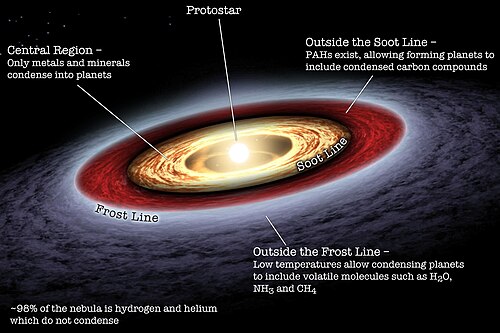
Diagram of the early Solar System's protoplanetary disk, out of which Earth and other Solar System bodies formed

Key Facts

  • 年齢:約45.68億年
  • 中心星:太陽(スペクトル型 G2V)
  • 主要構成:8つの惑星、複数の準惑星、758個の天然衛星(既知)
  • 銀河内位置:天の川銀河の中心から約24,000〜28,000光年
  • 公転周期:銀河中心を一周するのに約2.3億年を要する
  • 近隣の星:プロキシマ・ケンタウリ(約4.2465光年)

太陽:システムの心臓部

太陽系全体の質量の大部分を占める太陽は、光と熱を供給する唯一の恒星です。現在は主系列星として安定していますが、将来的に赤色巨星へと進化し、そのサイズは劇的に拡大すると予測されています。
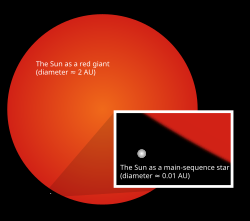
The current Sun compared to its peak size in the red-giant phase

太陽から放出されるプラズマや電磁波は「太陽風」となり、太陽系の広大な範囲に影響を及ぼしています。この影響圏は磁気圏やヘリオスフィア(太陽圏)として定義され、星間物質との境界線であるヘリオポーズ(太陽圏界面)まで広がっています。
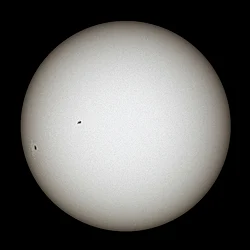
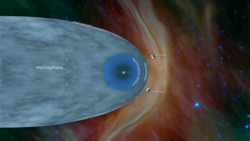
White ball of plasma
Diagram of the Sun's magnetosphere and helioshealth

内太陽系:岩石の世界と小惑星帯

太陽に近い領域には、水星、金星、地球、火星の4つの地球型惑星が存在します。これらは主に岩石と金属で構成されており、サイズが比較的小さく、密度が高いのが特徴です。
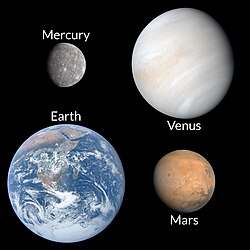
Venus and Earth about the same size, Mars is about 0.55 times as big and Mercury is about 0.4 times as big

これらの惑星は、それぞれ異なる公転周期と速度で太陽の周りを回っています。内惑星の運動は比較的速く、ダイナミックな軌道を描いています。
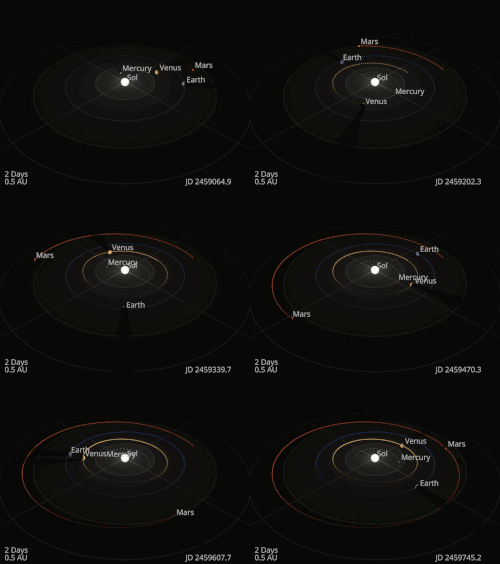
Animations of the Solar System's inner planets orbiting. Each frame represents 2 days of motion.
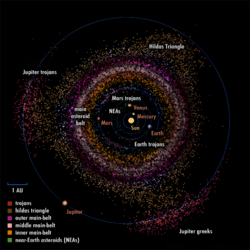
Asteroid populations depicted: near-Earth asteroids, Earth trojans, Mars trojans, main asteroid belt, Jupiter trojans, Jupiter Greeks, Jupiter Hilda's triangle

火星と木星の間には、無数の小惑星が密集する小惑星帯(メインベルト)が広がっています。ここには準惑星であるケレスや、ベスタ、パラス、ヒギエアといった大型の小惑星が含まれています。
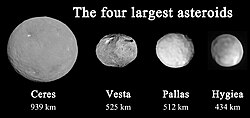
The four largest asteroids: Ceres, Vesta, Pallas, Hygiea. Only Ceres and Vesta have been visited by a spacecraft and thus have a detailed picture.

外太陽系:巨大惑星と氷の領域

小惑星帯の外側には、木星、土星、天王星、海王星の4つの巨大惑星が位置しています。木星と土星は主に水素とヘリウムからなるガス惑星であり、天王星と海王星は氷や岩石を多く含む天王星型惑星(氷巨大惑星)に分類されます。
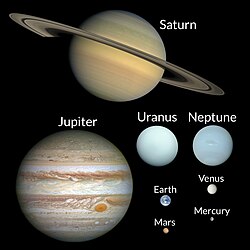
Jupiter and Saturn is about 2 times bigger than Uranus and Neptune, 10 times bigger than Venus and Earth, 20 times bigger than Mars and 25 times bigger than Mercury

外惑星の公転周期は内惑星に比べて極めて長く、太陽からの距離が離れているため、公転速度は緩やかになります。
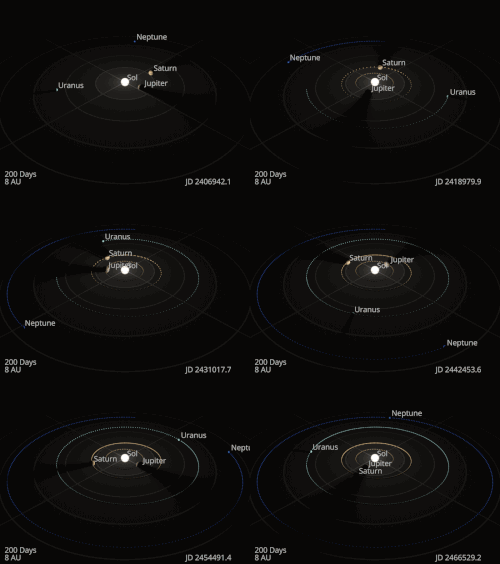
Animations of the Solar System's outer planets orbiting. This animation is 100 times faster than the inner planet animation.

惑星間の距離を視覚化すると、内惑星同士は比較的近くに集まっていますが、外惑星の間には想像を絶する広大な空間が広がっていることがわかります。
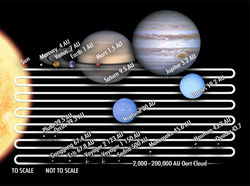
Relative orbital distances in the Solar System visualized as a condensed rectangle
Comparison of the distances between planets, with the white bar showing orbital variations. The size of the planets is not to scale.

太陽系の果て:エッジ領域と星間空間

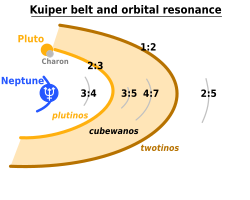
海王星の軌道よりもさらに外側には、カイパーベルトと呼ばれる氷天体や準惑星(冥王星など)の集まりが存在します。この領域はさらに「散在円盤」へと続き、極めて遠方に位置するセドナのような天体も確認されています。
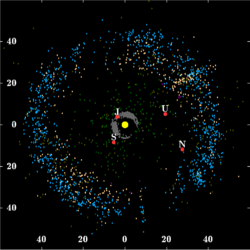
Plot of objects around the Kuiper belt and other asteroid populations. J, S, U and N denotes Jupiter, Saturn, Uranus and Neptune.
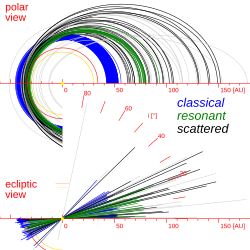
Orbit classification of Kuiper belt objects. Some clusters that are subject to orbital resonance are marked.
The orbital eccentricities and inclinations of the scattered disc population compared to the classical and resonant Kuiper belt objects

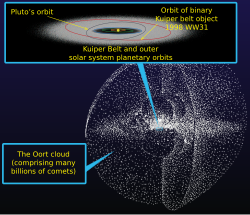
さらに遠方には、未知の巨大惑星「プラネット・ナイン」の存在が示唆される領域や、太陽系の重力圏の最果てに位置する球殻状のオールトの雲が広がっていると考えられています。ここは長周期彗星の故郷とされており、太陽系の物理的な境界を形成しています。
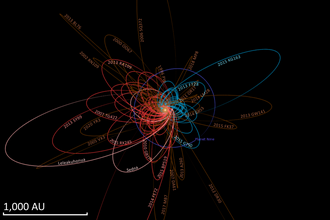
The current orbits of Sedna, 2012 VP113, Leleākūhonua (pink), and other very distant objects (red, brown and cyan) along with the predicted orbit of the hypothetical Planet Nine (dark blue)
An artist's impression of the Oort cloud, a region still well within the sphere of influence of the Solar System, including a depiction of the much further inside Kuiper belt (inset); the sizes of objects are over-scaled for visibility.

太陽系の外側には、局所星間雲などの星間物質が存在し、私たちのシステムは銀河系というさらに大きな構造の一部として漂っています。
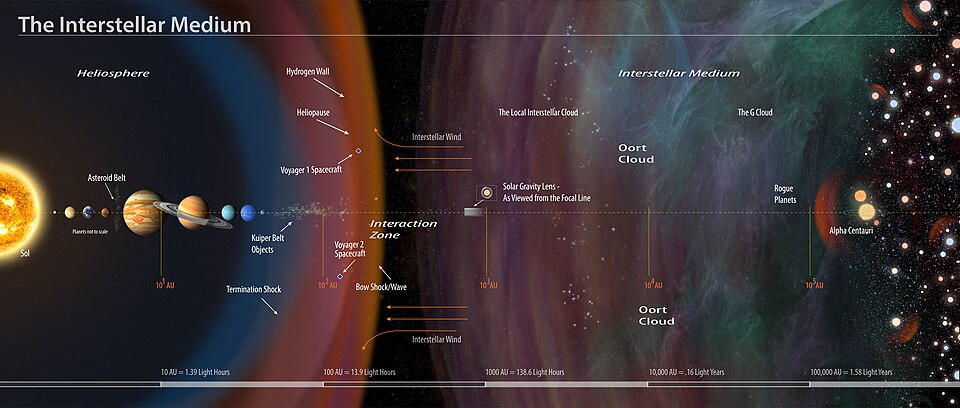
The Solar System (left) within the interstellar medium, with the different regions and their distances on a logarithmic scale
Diagram of the Local Interstellar Cloud, the G-Cloud and surrounding stars. As of 2022[update], the exact position of the Solar System within the interstellar clouds remains an unresolved question in astronomy.[277]
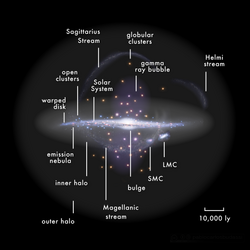
Diagram of the Milky Way, with galactic features and the relative position of the Solar System labeled.

天体の分類と特性まとめ

太陽系を構成する主要な天体の特性を以下の表にまとめます。

太陽系主要天体の特性一覧
分類 代表的な天体 主な構成成分 特徴
地球型惑星 地球、火星など 岩石、金属 高密度、小型、固体表面あり
巨大ガス惑星 木星、土星 水素、ヘリウム 超大型、低密度、強力な重力
氷巨大惑星 天王星、海王星 水、アンモニア、メタンの氷 極低温、青色の外観
準惑星 冥王星、ケレスなど 岩石、氷 球形だが軌道上の天体を一掃していない
小天体 彗星、小惑星 岩石、氷、塵 不規則な形状、多様な軌道

観測と探査の歴史

人類は古くから夜空に動く「放浪する星(惑星)」を観察してきました。初期のモデルでは地球が中心とされていましたが、科学の発展とともに太陽中心モデルへと移行しました。
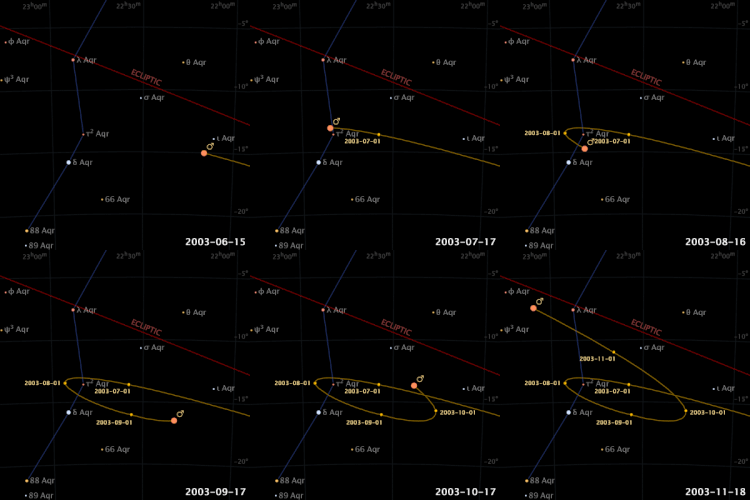
The motion of 'lights' moving across the sky is the basis of the classical definition of planets: wandering stars.
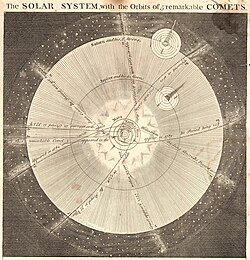
Solar system diagram by Emanuel Bowen in 1747, when neither Uranus, Neptune, nor the asteroid belts had yet been discovered. Orbits of planets are to scale, but the orbits of moons and the sizes of bodies are not.

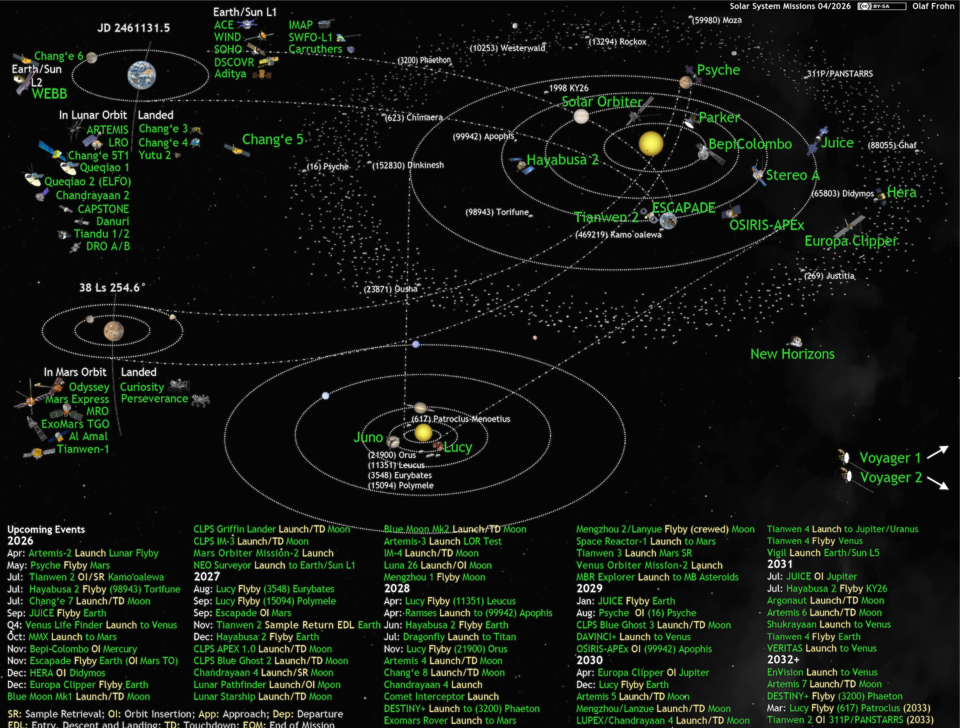
現代では、無人探査機が太陽系の隅々まで送られており、惑星の表面や衛星の海、さらには太陽圏の境界までを調査しています。これらのミッションにより、太陽系の成り立ちや生命存在の可能性についての理解が深まっています。
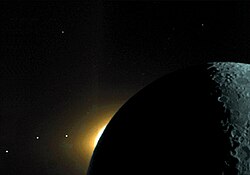
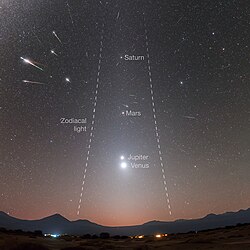
A color enhanced photograph from the Moon of a range of components of the Solar System. The three dots at the lower left are from left to right the planets Saturn, Mars, and Mercury, and in the middle of the picture rises the Sun's corona over the dark limb of the Moon, which is from the right lit by earthshine.
The planets, zodiacal light and meteor shower (top left of image)
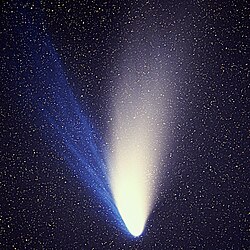
At lower left, a white coma stands out against a black background. Nebulous material streams away to the top and left, slowly fading with distance.
All active Solar System space probes in 2026 (and a list of upcoming ones)
The Sun, the planets, their moons, and several trans-Neptunian objects

Frequently Asked Questions

太陽系の端はどこにあるのですか?

物理的な境界としては、太陽風が星間物質に阻まれる「ヘリオポーズ(太陽圏界面)」が挙げられますが、重力的な影響範囲である「オールトの雲」までを含めると、さらに遥か遠方までが太陽系の領域となります。

準惑星と惑星の違いは何ですか?

準惑星は、十分な質量を持って球形になっているものの、その軌道周辺から他の天体を排除(一掃)できていない天体を指します。例えば冥王星は、カイパーベルトの多くの天体と共に軌道を共有しているため、準惑星に分類されます。

太陽系は銀河系の中でどのように動いていますか?

太陽系は天の川銀河の中心の周りを、時速約72万キロメートルという猛烈な速度で公転しています。銀河を一周するのにかかる時間は約2億3000万年と推定されています。

小惑星帯とカイパーベルトは何が違うのですか?

小惑星帯は火星と木星の間に位置し、主に岩石質の天体で構成されています。一方、カイパーベルトは海王星の外側に位置し、氷や凍ったガスを主成分とする天体が集まっている点が異なります。

太陽系にまだ見つかっていない惑星はありますか?

公式に認められた惑星は8つですが、遠方の天体の軌道乱れから、海王星よりもさらに外側に「プラネット・ナイン」と呼ばれる未知の巨大惑星が存在する可能性が議論されています。

References

  1. The , , and are not added because the individual asteroids are too small to be shown on the diagram.
  2. The date is based on the oldest found to date in , 4568.2+0.2
    −0.4 million years, and is thought to be the date of the formation of the first solid material in the collapsing nebula.
  3. If ψ {\displaystyle \psi } is the angle between the and the north then:
    cos ψ = cos ( β g ) cos ( β e ) cos ( α g α e ) + sin ( β g ) sin ( β e ) {\displaystyle \cos \psi =\cos(\beta _{g})\cos(\beta _{e})\cos(\alpha _{g}-\alpha _{e})+\sin(\beta _{g})\sin(\beta _{e})}
    where β g {\displaystyle \beta _{g}} = 27° 07′ 42.01″ and α g {\displaystyle \alpha _{g}} = 12h 51m 26.282s are the declination and right ascension of the north galactic pole, whereas β e {\displaystyle \beta _{e}} = 66° 33′ 38.6″ and α e {\displaystyle \alpha _{e}} = 18h 0m 00s are those for the north pole of the ecliptic. (Both pairs of coordinates are for epoch.) The result of the calculation is 60.19°.
  4. The scale of the Solar System is sufficiently large that astronomers use a custom unit to express distances. The , abbreviated AU, is equal to 150,000,000 km; 93,000,000 mi. This is what the distance from the Earth to the Sun would be if the planet's orbit were perfectly circular.
  5. For more classifications of Solar System objects, see and .
  6. The mass of the Solar System excluding the Sun, Jupiter and Saturn can be determined by adding together all the calculated masses for its largest objects and using rough calculations for the masses of the Oort cloud (estimated at roughly 3 Earth masses), the Kuiper belt (estimated at 0.1 Earth mass) and the asteroid belt (estimated to be 0.0005 Earth mass) for a total, rounded upwards, of ~37 Earth masses, or 8.1% of the mass in orbit around the Sun. With the combined masses of Uranus and Neptune (~31 Earth masses) subtracted, the remaining ~6 Earth masses of material comprise 1.3% of the total orbiting mass.

📸 フォトギャラリー

Diagram of the early Solar System's protoplanetary disk, out of which Earth and other Solar System bodies formed
The current Sun compared to its peak size in the red-giant phase
A color enhanced photograph from the Moon of a range of components of the Solar System. The three dots at the lower left are from left to right the planets Saturn, Mars, and Mercury, and in the middle of the picture rises the Sun's corona over the dark limb of the Moon, which is from the right lit by earthshine.
Animations of the Solar System's inner planets orbiting. Each frame represents 2 days of motion.
Animations of the Solar System's outer planets orbiting. This animation is 100 times faster than the inner planet animation.
Relative orbital distances in the Solar System visualized as a condensed rectangle
Comparison of the distances between planets, with the white bar showing orbital variations. The size of the planets is not to scale.
White ball of plasma
Venus and Earth about the same size, Mars is about 0.55 times as big and Mercury is about 0.4 times as big
Asteroid populations depicted: near-Earth asteroids, Earth trojans, Mars trojans, main asteroid belt, Jupiter trojans, Jupiter Greeks, Jupiter Hilda's triangle
The four largest asteroids: Ceres, Vesta, Pallas, Hygiea. Only Ceres and Vesta have been visited by a spacecraft and thus have a detailed picture.
Jupiter and Saturn is about 2 times bigger than Uranus and Neptune, 10 times bigger than Venus and Earth, 20 times bigger than Mars and 25 times bigger than Mercury
Plot of objects around the Kuiper belt and other asteroid populations. J, S, U and N denotes Jupiter, Saturn, Uranus and Neptune.
Orbit classification of Kuiper belt objects. Some clusters that are subject to orbital resonance are marked.
The orbital eccentricities and inclinations of the scattered disc population compared to the classical and resonant Kuiper belt objects
The current orbits of Sedna, 2012 VP113, Leleākūhonua (pink), and other very distant objects (red, brown and cyan) along with the predicted orbit of the hypothetical Planet Nine (dark blue)
An artist's impression of the Oort cloud, a region still well within the sphere of influence of the Solar System, including a depiction of the much further inside Kuiper belt (inset); the sizes of objects are over-scaled for visibility.
The planets, zodiacal light and meteor shower (top left of image)
At lower left, a white coma stands out against a black background. Nebulous material streams away to the top and left, slowly fading with distance.
The Solar System (left) within the interstellar medium, with the different regions and their distances on a logarithmic scale
Diagram of the Sun's magnetosphere and helioshealth
Diagram of the Local Interstellar Cloud, the G-Cloud and surrounding stars. As of 2022[update], the exact position of the Solar System within the interstellar clouds remains an unresolved question in astronomy.[277]
Diagram of the Milky Way, with galactic features and the relative position of the Solar System labeled.
The motion of 'lights' moving across the sky is the basis of the classical definition of planets: wandering stars.
Solar system diagram by Emanuel Bowen in 1747, when neither Uranus, Neptune, nor the asteroid belts had yet been discovered. Orbits of planets are to scale, but the orbits of moons and the sizes of bodies are not.
All active Solar System space probes in 2026 (and a list of upcoming ones)
The Sun, the planets, their moons, and several trans-Neptunian objects