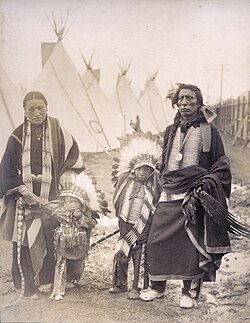
Chief Black Tail Deer and his family at the 1904 World's Fair
← ホームへ戻る

スー族(オチェティ・シャコウィン)の歴史と文化広大な平原を駆け抜けた民族の軌跡

🗓 2026年8月15日

北米大陸の広大な平原に深く根ざしたスー族(Očhéthi Šakówiŋ)は、強靭な精神と豊かな文化を持つ先住民族です。彼らは単一のグループではなく、言語や地理的な要因によって密接に関連し合う複数の集団で構成されており、その歴史は自然との共生、そして外来勢力との激しい衝突と適応の連続でした。

かつてはバイソンの狩猟を中心とした移動生活を送り、独自の社会構造と精神世界を築き上げていた彼らは、現代においてもそのアイデンティティを保持し、権利の回復に向けて歩み続けています。
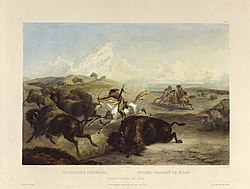
Illustration of Indians hunting the bison by Karl Bodmer

Key Facts

  • 構成:主にラコタ、ダコタ(東部・西部)の3つの言語グループに分かれる。
  • 人口:2010年時点で約170,110人。
  • 主要人物:シッティング・ブルやクレイジー・ホースなど、抵抗運動の象徴的な指導者が多い。
  • 歴史的転換点:1890年のウーンドニー虐殺が、激しい戦争時代の終焉と同化時代の始まりとされる。
  • 現代の課題:聖地の返還請求や、環境保護(ダコタ・アクセス・パイプライン反対運動など)に取り組んでいる。

スー族の構成と多様なアイデンティティ

スー族は、言語的な差異に基づいて大きく3つのグループに分類されます。これらは互いに親戚関係にありながら、歴史的な移動や定住地によって独自の発展を遂げました。

ラコタ(テトン)

「草原に住む人々」を意味するラコタは、最も西側に位置し、オグララやフンクパパなどのバンド(集団)で構成されています。彼らは平原文化の象徴的な存在であり、米軍との激しい戦いでも中心的な役割を果たしました。
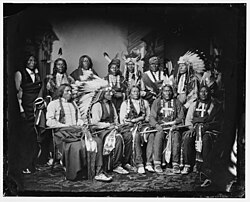
Chief Red Cloud and other Lakota leaders, c. 1865–1880

ダコタ(東部および西部)

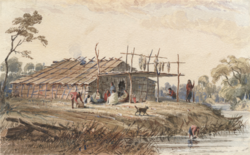
東部ダコタ(サンティー)はミネソタ州周辺に、西部ダコタ(ヤンクトン・ヤンクトナイ)はその西側に分布していました。17世紀から18世紀にかけて、フランスやイギリスから銃を得たオジブワ族の圧力により、彼らの居住域は絶えず変動しました。
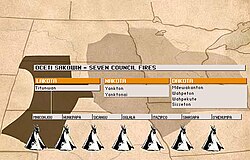
Santee Dakota, Yankton-Yanktonai and Lakota historic distribution(the map still misnames the Yankton-Yanktonai grouping as Nakota)

Permanent Residence, Santee Dakota, by Seth Eastman 1846

伝統的な社会構造と精神世界

スー族の社会は、ティヨシュパエ(Thiyóšpaye)と呼ばれる親族ベースのコミュニティを基盤としていました。この強い絆が、厳しい自然環境の中での生存と、外敵に対する団結力を支えていました。
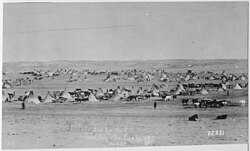
Thiyóšpaye at Pine Ridge, South Dakota, c. 1890

精神面では、伝統的な宗教であるウォチェキエ(Wocekiye)や、自然界の精霊への信仰が深く根付いています。また、葬儀の習慣も独特で、かつては死者を高い足場に安置する「葬儀用足場」が用いられていました。
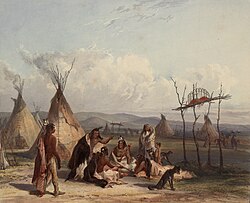
Funeral scaffold of a Sioux chief (Karl Bodmer)

芸術面では、台帳(レジャー)に描かれたアートワークが有名であり、精神的な体験や歴史的な出来事が視覚的に記録されてきました。
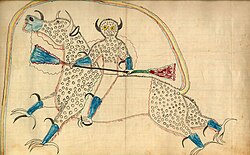
Ledger artwork by Lakota artist Black Hawk representing a heyókȟa, (dreamer of a Wakíŋyaŋ, thunder being), c.1880

激動の歴史:衝突から同化、そして自決へ

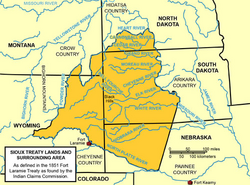
スー族の歴史は、19世紀の米国拡大に伴う悲劇的な衝突の歴史でもあります。1851年と1868年のフォートララミー条約により、彼らの領土は定義されましたが、金鉱の発見や入植者の増加により、これらの約束は繰り返し破られました。
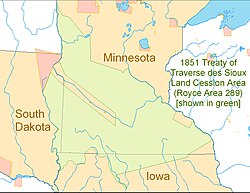
Map showing the boundaries of the 1851 Treaty of Traverse des Sioux land cession area (Royce Area 289)

The Lands of the 1851 Ft. Laramie Treaty

戦争と抵抗の時代

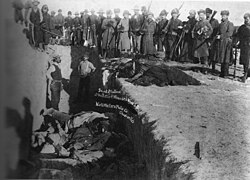
1862年のダコタ戦争や、レッドクラウドの戦争、そしてリトルビッグホーンの戦いなど、彼らは自らの土地と自由を守るために戦いました。しかし、1890年のウーンドニー虐殺という惨劇を経て、武力による抵抗の時代は幕を閉じました。
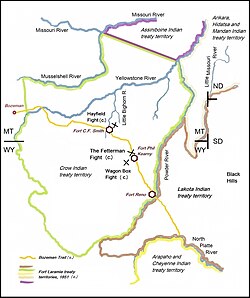
Map showing the major battles of Red Cloud's War, along with major treaty boundaries. During Red Cloud's War, the Sioux defeated the US Army on the same plains on which they previously defeated the Crow

Mass grave for the dead Lakota after massacre of Wounded Knee.

同化政策と苦難の時代

20世紀初頭、米国政府は「同化政策」を推し進め、土地の割当制や、子供たちを強制的に寄宿学校へ送る制度を導入しました。これにより、伝統的な言語や文化の継承が激しく妨げられました。
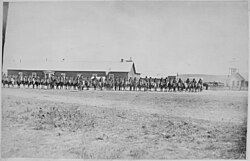
Sioux Indian police lined up on horseback in front of Pine Ridge Agency buildings, Dakota Territory, August 9, 1882

現代の権利回復運動

1970年代以降、アメリカ・インディアン運動(AIM)などの活動を通じて、自決権の回復に向けた動きが加速しました。ブラックヒルズ(黒い丘)の土地返還請求や、聖地を脅かすパイプライン建設への抗議活動は、世界的な注目を集めています。
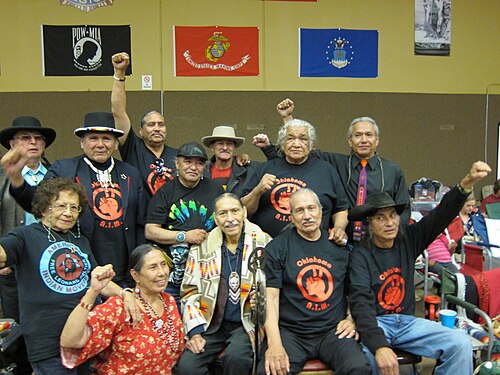
Wounded Knee AIM veterans (2013)

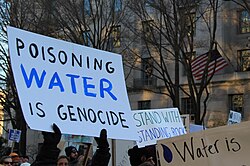
Demonstration in support of Standing Rock to stop DAPL occurred all over the world throughout 2016 and in March 2017 in Washington, DC

Chief Black Tail Deer and his family at the 1904 World's Fair

主要な保留地と分布

現在、スー族の人々は米国およびカナダの多くの保留地に居住しています。かつての広大な領土に比べれば限定的ですが、それぞれのコミュニティで文化の復興に取り組んでいます。
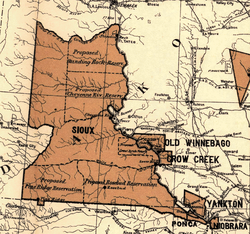
Great Sioux Reservation, 1888; established by Treaty of Fort Laramie (1868)

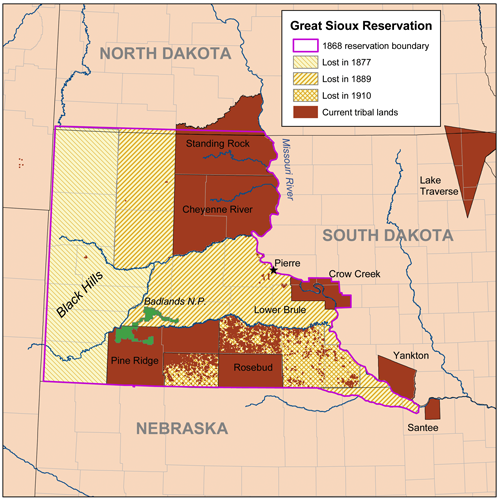
Map showing the Great Sioux Reservation and current reservations in North and South Dakota

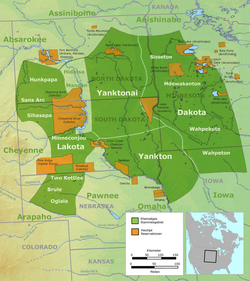
Location of Sioux tribes prior to 1770 (dark green) and their current reservations (orange) in the US

主要な保留地と居住グループの例
保留地名 主な居住グループ 所在地
パインリッジ オグララ・ラコタ サウスダコタ州
スタンディングロック フンクパパ、シハサパ等 ノース/サウスダコタ州
ローズバッド シカング・ラコタ サウスダコタ州
チェイエンリバー ミニコンジョ、シハサパ等 サウスダコタ州
サンティー ムデワカントン、ワペクテ ネブラスカ州

歴史を彩った重要人物

スー族には、勇猛な戦士であると同時に、深い洞察力を持つ指導者が多く存在しました。シッティング・ブルクレイジー・ホースは、不屈の精神で米軍に立ち向かった象徴として知られています。
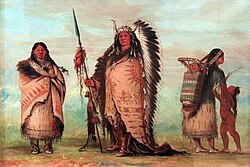
Sioux chief with family, by George Catlin, 1854

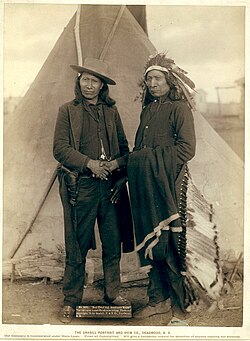
Chiefs Red Cloud and American Horse (1891)

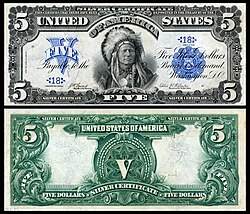
Running Antelope, a Hunkpapa Lakota Chief, depicted on the US 1899 $5 silver certificate.

また、現代においても、軍功を立てたウッドロウ・キーブルのような人物や、教育・政治分野で活躍する人々が、民族の誇りを次世代に伝えています。
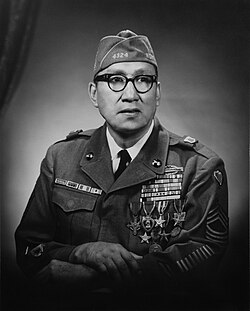
Woodrow Keeble, Medal of Honor recipient.

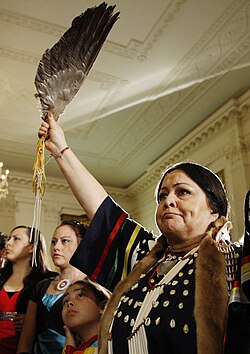
Family members of US Army Master Sgt. Woodrow Wilson Keeble attending his Medal of Honor ceremony

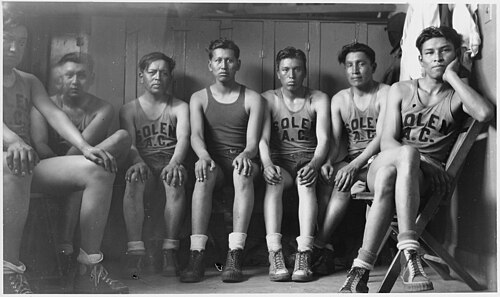
日々の生活の中では、子供たちが伝統を学びながら成長し、スポーツや教育を通じて社会と関わりを持っています。
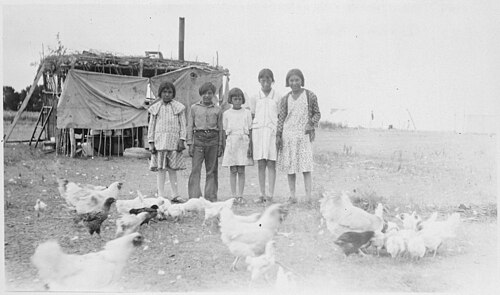
Children with their chickens, Standing Rock Agency (1947)

Solen basketball team, Standing Rock Agency (1947)

また、伝統的な育児道具であるクレードルボード(揺りかご)などの文化遺産は、今も大切に受け継がれています。
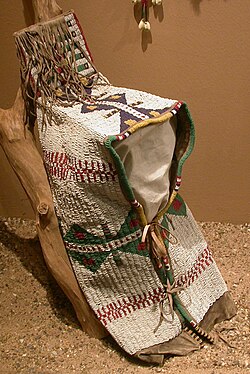
Sioux cradleboard

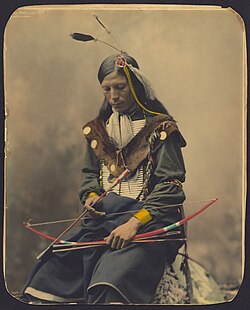
Chief Bone Necklace, an Oglala Lakota from the Pine Ridge Indian Reservation (1899)

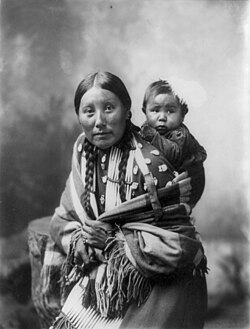
Portrait of Stella Yellow Shirt and her baby (Dakota, 1899)

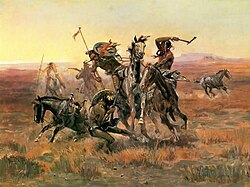
War on the plains. Blackfoot fighting the Sioux. Painting by Charles Marion Russell

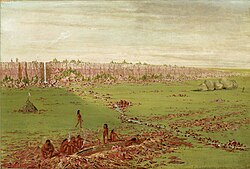
Yankton Pipestone Quarries as seen by George Catlin in 1836

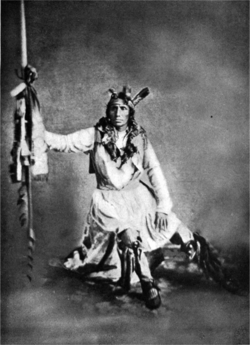
Little Crow, leader of the Mdewakanton during the 1862 Dakota War, c. 1863

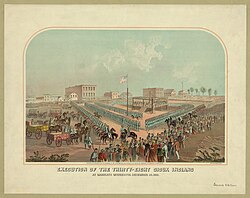
Drawing of the mass hanging of Dakota in Mankato, Minnesota

Frequently Asked Questions

スー族とラコタ、ダコタの違いは何ですか?

スー族(オチェティ・シャコウィン)は全体の総称であり、その中に言語や地域によってラコタ(テトン)、西部ダコタ(ヤンクトン・ヤンクトナイ)、東部ダコタ(サンティー)という3つの主要なグループが含まれています。

ウーンドニー虐殺とはどのような出来事でしたか?

1890年に発生した、米軍による先住民への大規模な殺戮事件です。これにより、スー族による武力抵抗の時代が事実上終わり、強制的な同化政策へと移行する転換点となりました。

フォートララミー条約が重要視されるのはなぜですか?

1851年と1868年の条約により、スー族の領土範囲が法的に定義されたためです。特に1868年の条約で認められたブラックヒルズなどの聖地が、後に米国政府によって不当に奪われたことが、現代まで続く土地返還請求の根拠となっています。

現代のスー族はどのような活動を行っていますか?

伝統言語の復興、文化遺産の返還請求、そして環境保護活動に積極的に取り組んでいます。特にスタンディングロックでのパイプライン建設反対運動は、先住民の権利と自然保護を世界に訴える大きな出来事となりました。

伝統的な社会構造「ティヨシュパエ」とは何ですか?

血縁関係に基づいた緊密なコミュニティのことです。個人のアイデンティティは家族や親族グループに強く結びついており、相互扶助と団結を重視する社会システムでした。

References

  1. Norris, Tina; Vines, Paula L.; Hoeffel, Elizabeth M. (January 2012). "The American Indian and Alaska Native Population: 2010" (PDF). United States Census Bureau. United States Department of Commerce. Archived (PDF) from the original on May 5, 2012. Retrieved September 9, 2012.
  2. for a report on the long-established blunder of misnaming as "Nakota", the Yankton and the Yanktonai, see the article
  3. Johnson, Michael (2000). The Tribes of the Sioux Nation. Osprey Publishing Oxford.  .
  4. Ullrich, Jan (2008). New Lakota Dictionary (Incorporating the Dakota Dialects of Yankton-Yanktonai and Santee-Sisseton). Lakota Language Consortium. pp. 1–2.  .
  5. NAA MS 4800 [59]. Three drafts of On the Comparative Phonology of Four Siouan Languages. James O. Dorsey papers, circa 1870–1956, bulk 1870–1895. National Anthropological Archives, Smithsonian Institution
  6. "Among the Sioux". The New York Times. Archived from the original on July 4, 2017. Retrieved November 30, 2023.
  7. Sehgal, Paul (October 22, 2019). "'Lakota America' Puts the Tribe of Sitting Bull and Crazy Horse Front and Center". The New York Times. Archived from the original on March 21, 2023. Retrieved November 30, 2023.
  8. ohtadmin (August 30, 2018). "Countries and Their Capitals". Lakota Times. Archived from the original on December 11, 2023. Retrieved November 30, 2023.
  9. Frederic C. Wagner III (2016). Participants in the Battle of the Little Big Horn: A Biographical Dictionary. McFarland & Company; 2nd edition. p. 117.  . Archived from the original on December 11, 2023. Retrieved November 30, 2023.
  10. Learn about the history of the Sioux Indians Archived April 14, 2012, at the . Indians.org. Retrieved on 2012-07-08.

📸 フォトギャラリー

Chief Black Tail Deer and his family at the 1904 World's Fair
Thiyóšpaye at Pine Ridge, South Dakota, c. 1890
Ledger artwork by Lakota artist Black Hawk representing a heyókȟa, (dreamer of a Wakíŋyaŋ, thunder being), c.1880
Sioux chief with family, by George Catlin, 1854
Chief Red Cloud and other Lakota leaders, c. 1865–1880
Funeral scaffold of a Sioux chief (Karl Bodmer)
Permanent Residence, Santee Dakota, by Seth Eastman 1846
War on the plains. Blackfoot fighting the Sioux. Painting by Charles Marion Russell
Yankton Pipestone Quarries as seen by George Catlin in 1836
Map showing the boundaries of the 1851 Treaty of Traverse des Sioux land cession area (Royce Area 289)
Little Crow, leader of the Mdewakanton during the 1862 Dakota War, c. 1863
Drawing of the mass hanging of Dakota in Mankato, Minnesota
Illustration of Indians hunting the bison by Karl Bodmer
The Lands of the 1851 Ft. Laramie Treaty
Map showing the major battles of Red Cloud's War, along with major treaty boundaries. During Red Cloud's War, the Sioux defeated the US Army on the same plains on which they previously defeated the Crow
Sioux Indian police lined up on horseback in front of Pine Ridge Agency buildings, Dakota Territory, August 9, 1882
Great Sioux Reservation, 1888; established by Treaty of Fort Laramie (1868)
Mass grave for the dead Lakota after massacre of Wounded Knee.
Map showing the Great Sioux Reservation and current reservations in North and South Dakota
Children with their chickens, Standing Rock Agency (1947)
Solen basketball team, Standing Rock Agency (1947)
Wounded Knee AIM veterans (2013)
Demonstration in support of Standing Rock to stop DAPL occurred all over the world throughout 2016 and in March 2017 in Washington, DC
Chief Bone Necklace, an Oglala Lakota from the Pine Ridge Indian Reservation (1899)
Santee Dakota, Yankton-Yanktonai and Lakota historic distribution(the map still misnames the Yankton-Yanktonai grouping as Nakota)
Portrait of Stella Yellow Shirt and her baby (Dakota, 1899)
Sioux cradleboard
Family members of US Army Master Sgt. Woodrow Wilson Keeble attending his Medal of Honor ceremony
Location of Sioux tribes prior to 1770 (dark green) and their current reservations (orange) in the US
Chiefs Red Cloud and American Horse (1891)
Running Antelope, a Hunkpapa Lakota Chief, depicted on the US 1899 $5 silver certificate.
Woodrow Keeble, Medal of Honor recipient.