夜空に静かに輝く月。古代ギリシャの人々は、この天体を単なる自然現象ではなく、美しくも神秘的な女神セレネ(Selene)の化身であると考えていました。彼女は夜の女王として天を駆け、地上に柔らかな光を届ける存在です。本記事では、彼女の家系から、情熱的な恋物語、そして芸術作品に刻まれた象徴的な姿までを詳しく解説します。
Key Facts
- 正体: 月を擬人化したティタン神族の女神。
- 家族: 父はハイペリオン、母はテイア。太陽神ヘリオスと暁の女神エオスは兄妹。
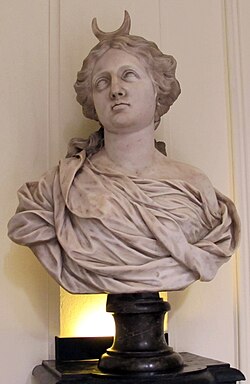
- 象徴: 三日月、馬車、たいまつ、なびくヴェール。
- ローマ神話での名: ルナ(Luna)。
- 有名な恋人: 美青年エンディミオン。
天上の系譜と役割
セレネは、宇宙の始まりに近い世代であるティタン神族に属しています。光の神ハイペリオンと視覚の女神テイアの娘として生まれ、兄のヘリオス(太陽)や妹のエオス(暁)と共に、一日の時間の流れを司る天体神としての役割を担いました。
彼女の主な住まいは天空であり、夜になると馬車を操って空を横切り、世界を月光で照らします。この役割は、ローマ神話におけるルナと完全に一致しており、古代世界において月という天体そのものが神格化されていたことを示しています。
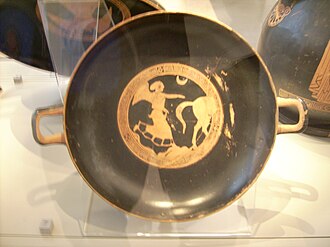
愛と永遠の眠り:エンディミオンの物語
セレネの神話の中で最も情熱的に語られるのが、人間である美青年エンディミオンとの恋です。セレネは地上で眠る彼の類まれなる美しさに心を奪われ、天から降りて彼を抱いたと伝えられています。
この恋を永遠にするため、セレネはゼウスに願い出て、エンディミオンが老いることなく永遠に眠り続ける力を与えてもらいました。これにより、彼女は毎夜、眠り続ける恋人のもとを訪れることができるようになったのです。この物語は、月が夜ごとに満ち欠けし、地上を訪れる様子を比喩的に表現したものと考えられています。
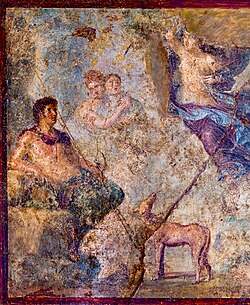
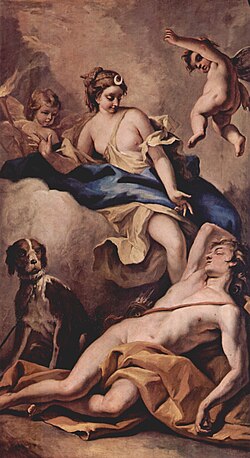
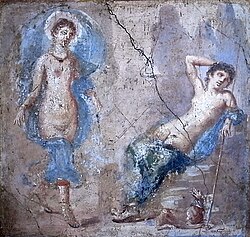
神話における戦いとエピソード
セレネは単に穏やかな女神であるだけではありません。神々の大きな戦いであるギガントマキア(巨神族との戦い)においても、その姿が描かれています。巨神たちが打ち倒される中、彼女が馬車で天に昇る様子は、秩序が回復し夜が訪れる象徴として表現されました。
![Detail of a sarcophagus depicting Endymion and Selene, shown with her characteristic attributes of lunate crown, billowing veil (velificatio) and heavenly chariot, from 3rd century AD, Roman Empire period.[16]](/images/d6/bd/d6bd816fb76a3b4c91cc01b224626f5b0ebbbf4981dc82ea86d75c0f9d997373.jpg)
![Selene riding horseback, detail of the Gigantomachy frieze, Pergamon Altar, Pergamon museum, Berlin, c. 180–159 BC.[88]](/images/23/28/2328b4500ce41a6f7a650ef167f5ac34c2a08d05757e19a7d0efb13306a614c8.jpg)
また、怪物ティフォンとの戦いや、ヘラクレス、パンといった他の神々や英雄との関わりについても断片的な記述が残っており、天界の調和を維持する重要な一翼を担っていたことがわかります。
芸術におけるセレネの表現(イコノグラフィー)
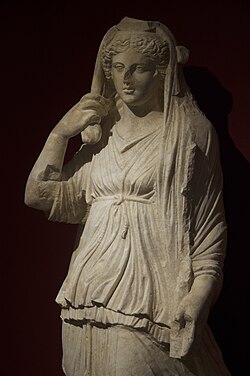
古代の美術品において、セレネは一目で彼女とわかる特徴的な属性と共に描かれます。最も代表的なのが、額に掲げた三日月の冠です。また、天を駆ける際の速さを象徴する「なびくヴェール(ヴェリフィカティオ)」や、夜道を照らすたいまつ、そして彼女を運ぶ馬や牛などの動物が頻繁に登場します。
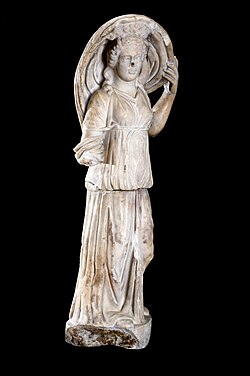
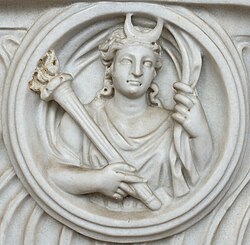
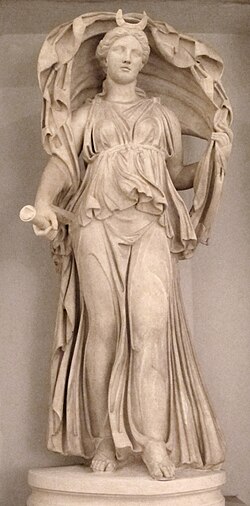
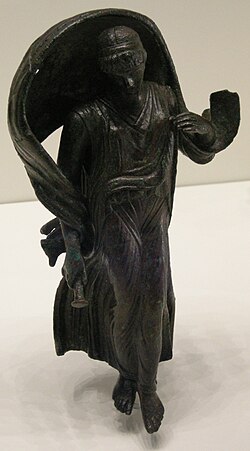
![Selene from an altar piece, flanked by either the Dioscuri, or by Phosphorus and Hesperus.[129]](/images/81/3b/813b013d1985e666ce8e14701466f7b9cc2ab383e738abd2d8e35756286cc863.jpg)
![Kushan coinage of Kanishka I with Selene (Greek legend "CAΛHNH") on the reverse, wearing lunar horns, c. AD 127 – 151.[141]](/images/96/66/96667c829cb3fbc0debdbc968b95019258aaa3d63b953738c5c87b1ee4e53759.jpg)
セレネの基本データまとめ
| 項目 | 詳細内容 |
|---|---|
| 別名 | メネ(Mene)、ルナ(ローマ名) |
| 親 | ハイペリオン & テイア |
| 兄弟姉妹 | ヘリオス(太陽)、エオス(暁) |
| 主な子供 | ナルキッソス、パンディア、エルサ、ホライなど |
| 聖なる場所 | デロス島、クレタ島、オリンポス山など |
| 象徴物 | 三日月、馬車、たいまつ、なびく衣 |
Frequently Asked Questions
セレネとアルテミスの違いは何ですか?
セレネは「月そのもの」を擬人化したティタン神族の女神であるのに対し、アルテミスは狩猟や純潔を司るオリンポス神族の女神です。後世にこの二つの概念が融合し、アルテミスが月の女神として扱われるようになりましたが、本来の起源は異なります。
エンディミオンはなぜ永遠に眠っているのですか?
セレネが彼の美しさを永遠に保ち、いつでも彼に会えるようにするために、ゼウスの力によって「永遠の眠り」を与えられたためです。
セレネの象徴である「なびくヴェール」にはどんな意味がありますか?
これは「ヴェリフィカティオ」と呼ばれ、彼女が天を高速で移動していることを視覚的に表現したものです。風に激しくなびく衣は、天体としてのダイナミックな動きを象徴しています。
セレネはどのような動物と結びついていますか?
主に馬車を引く馬が有名ですが、神話や芸術によっては牛やラバと共に描かれることもあります。
References
- Gury, p. 710.
- Evans, James (1998). The History and Practice of Ancient Astronomy. Oxford University Press. pp. 296–7. . Retrieved 2008-02-04.
- s.v. σελήνη.
- Hard, p. 46; , s.v. Selene; Morford, pp. 64, 219–220; Smith, s.v. Selene.
- Smith, s.v. Selene; Kerényi, pp. 196–197; , s.v. Selene; Hard, p. 43; Morford, pp. 64, 219–221.
- Smith, s.v. Selene; Hard, p. 43.
- Athanassakis and Wolkow, p. 90, on lines 1–2; Kerényi, pp. 196–197; Keightley, p. 56.
- Hard, p. 46; , s.v. Selene; Smith, s.v. Selene.
- Athanassakis and Wolkow, pp. 90, on lines 1–2, 91, on line 5; Kerényi, p. 197. Athanassakis and Wolkow speculate that Selene's name 'might have developed as a euphemism for the moon proper (Greek "mēnē")'.
- , s.v. Selene; Kerényi, p. 197.
📸 フォトギャラリー