夜空に揺らめく幻想的な光のカーテン、オーロラ。この自然現象は、太陽から放出されたエネルギーが地球の大気と衝突することで生まれる壮大な光のショーです。北極圏で見られるものは「北極光(オーロラ・ボレアリス)」、南極圏で見られるものは「南極光(オーロラ・アウストラリス)」と呼ばれ、世界中の人々を魅了し続けています。
オーロラは単なる視覚的な美しさだけでなく、地球の磁場や太陽活動、そして大気の組成が複雑に絡み合った科学的な相互作用の結果です。カーテン状や放射状、あるいは激しく明滅する光のパターンは、宇宙から降り注ぐ粒子のエネルギー量によってその姿を変えます。
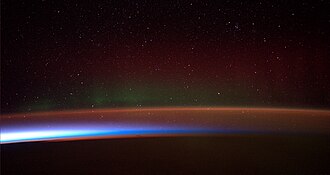
Key Facts
- 発生原因:太陽風に含まれる電子や陽子が地球大気の酸素や窒素原子と衝突し、励起された原子が光を放出することで発生します。
- 主な色:酸素原子による緑色や赤色、窒素分子による紫色などが代表的です。
- 出現場所:主に磁極付近の「オーロラ帯(オーロラ・ゾーン)」と呼ばれる緯度67度付近の帯状領域に現れます。
- 宇宙的な普遍性:地球だけでなく、木星や土星などの惑星、さらには彗星や褐色矮星でも観測されています。
オーロラが発生する仕組み
太陽風と地球磁気圏の相互作用
すべての始まりは太陽にあります。太陽のコロナホールやコロナ質量放出(CME)によって、高速の太陽風(電荷を帯びた粒子流)が宇宙空間に放出されます。これらの粒子が地球に到達すると、地球を包み込む磁気圏(地球の磁場によって形成される領域)によって軌道が曲げられます。
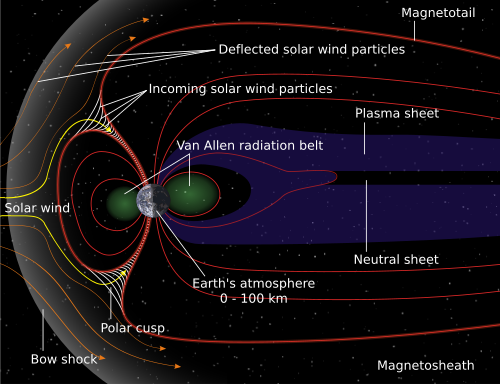
磁気圏内で加速された電子や陽子は、磁力線に沿って地球の極地方へと降り注ぎ、熱圏や外圏といった上層大気に突入します。ここで大気中の粒子と衝突し、エネルギーを得た原子が元の状態に戻る際に、特有の波長の光を放出します。これが私たちの目に見えるオーロラの正体です。
光の色を決定する要素
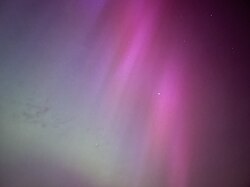
オーロラの色は、衝突する粒子の種類と、どの高度でどの原子と反応したかによって決まります。例えば、酸素原子は高度によって緑色や赤色の光を放ち、窒素は青や紫色の光を生成します。これらの色が混ざり合うことで、多彩なグラデーションが生まれます。
観測領域と形態の変化
オーロラ・オーバルと出現帯
オーロラは主に南北緯67度を中心とした幅約660kmの「オーロラ帯」に集中して現れます。特に活動が活発な領域は「オーロラ・オーバル(オーロラ楕円)」と呼ばれます。この楕円は固定されておらず、太陽風の影響を受けて磁極からずれた位置に移動します。観測者が磁極と太陽の間に位置する「磁気真夜中」の時間帯に、オーロラは最も赤道側にまで到達しやすくなります。
多様な視覚的形態
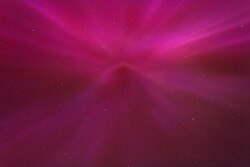
地上から見えるオーロラには、視認性の低いものから高いものまで多様な形態があります。一般的なカーテン状のほか、放射状に広がる光線、渦巻くスパイラル、あるいは激しく明滅するパターンなどが観測されます。
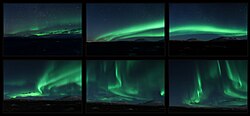
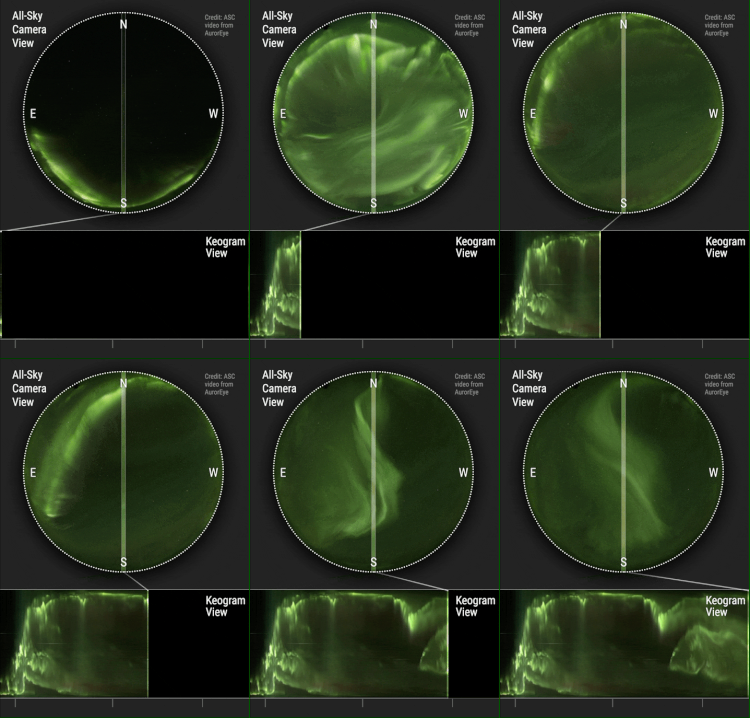
また、時間経過に伴う変化を可視化するために、全天カメラの記録から「キオグラム(Keogram)」という図を作成し、オーロラの動態を分析することが一般的です。
地球外のオーロラ現象
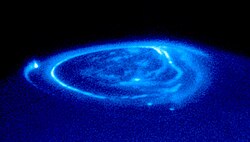
オーロラは地球固有の現象ではありません。強力な磁場を持つ木星や土星でも大規模なオーロラが観測されています。木星の場合、衛星イオなどの影響を受けた粒子が磁力線を通じて極地方に降り注ぐことで発生します。
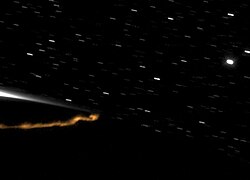
さらに、磁場を持たない彗星(例:チュリュモフ・ゲラシメンコ彗星)でも、太陽風の電子が彗星のコマにある水分子の光分解を引き起こし、紫外線領域でのオーロラのような発光が確認されています。また、太陽系外の褐色矮星においても、水素との相互作用による極めて明るい赤色のオーロラが発見されており、宇宙の至る所で同様の物理現象が起きていることが分かっています。
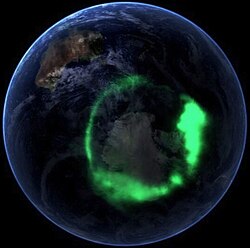
文化的な視点と歴史
古来より、オーロラは世界各地で神話や伝承の対象となってきました。オーストラリアのアボリジニは、地平線付近に見える赤いオーロラを「火」と結びつけて考えていました。また、北欧のサーミの人々や、紋章にオーロラを取り入れたフィンランドのウトヨキなどの地域では、独自の文化的解釈がなされてきました。
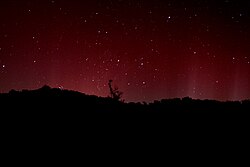

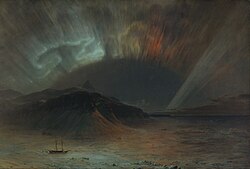
芸術の世界でも、19世紀の画家フレデリック・エドウィン・チャーチなどがその神秘的な光景をキャンバスに描き出し、科学的な解明が進む前から人々の想像力を刺激し続けてきました。
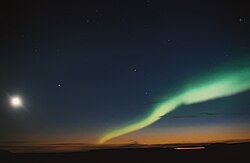
また、月などの天体と一緒に撮影されることもあり、宇宙の静寂とダイナミズムを同時に感じさせる光景として親しまれています。
オーロラ現象のまとめ
| 項目 | 詳細 |
|---|---|
| 主原因 | 太陽風(電子・陽子)と大気粒子の衝突 |
| 発光物質 | 酸素(緑・赤)、窒素(青・紫) |
| 主要観測地 | 南北緯67度付近(オーロラ帯) |
| 形態 | カーテン状、放射状、スパイラル、明滅など |
| 他天体での例 | 木星、土星、彗星、褐色矮星 |
Frequently Asked Questions
オーロラの色が違うのはなぜですか?
衝突する大気粒子の種類と高度が異なるためです。酸素原子は高度によって緑色や赤色の光を出し、窒素分子は青色や紫色を放出します。これらが組み合わさることで様々な色に見えます。
なぜ北極や南極でしか見られないのですか?
地球の磁場が、太陽から来る帯電粒子を磁極方向へ導くためです。粒子が集中して大気圏に突入するのは極地方であるため、基本的には高緯度地域でのみ観測されます。
地球以外の惑星でもオーロラはありますか?
はい。木星や土星などの磁場を持つ惑星で観測されています。また、磁場を持たない彗星や、太陽系外の褐色矮星でも異なるメカニズムによる発光現象が確認されています。
「STEVE」とは何ですか?
従来のオーロラとは異なるメカニズムで発生する、紫色の帯状の光現象です。粒子衝突による発光ではなく、高温のガス流による現象であると考えられており、厳密にはオーロラとは区別されることがあります。
オーロラが出るタイミングはどうやって分かりますか?
太陽活動(太陽風の速度やコロナ質量放出の有無)を監視することで予測します。宇宙天気予報などを通じて、地球の磁気圏に強い乱れが生じるタイミングを把握することで、出現の可能性を予測できます。
References
- "Auroras - NASA Science". 4 February 2025. Retrieved 9 March 2026.
- "Aurora". National Geographic.
- Mundt, Carlos S. (1930). "The Aurora Polaris and Its Spectrum". Publications of the Astronomical Society of the Pacific. 42 (247): 168–177. :1930PASP...42..168M. :10.1086/124025. 0004-6280. 40668733.
- "Aurora". ( ed.). Chicago: Encyclopædia Britannica, Inc. 1085-9721. 33663660. Retrieved 24 September 2025.
- Lui, A. T. Y. (11 September 2019). "Imaging global auroras in space". Light: Science & Applications. 8 (1) 83. :2019LSA.....8...83L. :10.1038/s41377-019-0197-z. 2047-7538. 6804675. 31645927.Lui, A., 2019. Imaging global auroras in space. Light: Science & Applications, 8(1).
- "Hubble Captures Vivid Auroras in Jupiter's Atmosphere - NASA Science". 30 June 2016. Retrieved 23 April 2025.
- WPGenius, Team. "AURORA". Chanakya Mandal Online. Archived from the original on 8 October 2025. Retrieved 23 April 2025.
- (1986). "An historical footnote on the origin of 'aurora borealis'". History of Geophysics. Vol. 2. pp. 11–14. :1986HGeo....2...11S. :10.1029/HG002p0011. . 8755-1217.
- Guiducci, Mario; Galilei, Galileo (1619). Discorso delle Comete [Discourse on Comets] (in Italian). Firenze (Florence), Italy: Pietro Cecconcelli. p. 39. Archived from the original on 12 May 2024. Retrieved 31 July 2019. On p. 39, Galileo explains that auroras are due to sunlight reflecting from thin, high clouds. From p. 39: "... molti di voi avranno più d'una volta veduto 'l Cielo nell' ore notturne, nelle parti verso Settentrione, illuminato in modo, che di lucidità non-cede alla piu candida Aurora, ne lontana allo spuntar del Sole; effetto, che per mio credere, non-ha origine altrode, che dall' essersi parte dell' aria vaporosa, che circonda la terra, per qualche cagione in modo più del consueto assottigliata, che sublimandosi assai più del suo consueto, abbia sormontato il cono dell' ombra terrestre, si che essendo la sua parte superiore ferita dal Sole abbia potuto rifletterci il suo splendore, e formarci questa boreale aurora." ("... many of you will have seen, more than once, the sky in the night hours, in parts towards the north, illuminated in a way that the clear [sky] does not yield to the brighter aurora, far from the rising of the sun; an effect that, by my thinking, has no other origin than being part of the vaporous air that surrounds the Earth, for some reason thinner than usual, which, being sublimated far more than expected, has risen above the cone of the Earth's shadow, so that its upper part, being struck by the sun['s light], has been able to reflect its splendor and to form this aurora borealis.")
- Harper, Douglas, ed. (2025). "Aurora". Online Etymology Dictionary. Retrieved 5 January 2025.
📸 フォトギャラリー