1660年に設立された王立協会(The Royal Society)は、イギリスのロンドンに本拠を置く、世界で最も権威ある科学アカデミーの一つです。360年以上の歴史を持つこの組織は、単なる研究者の集まりではなく、近代科学の基礎を築いた知的拠点として、今なお世界の科学的知見の向上に寄与し続けています。
協会の精神を象徴するのが、「Nullius in verba(誰の言葉も鵜呑みにするな)」というモットーです。これは、権威や伝聞に頼らず、実験と観察による客観的な証拠こそが真理への唯一の道であるという、科学的アプローチの根幹を成す思想を表しています。
Key Facts
- 設立日: 1660年11月28日
- 所在地: イギリス、ロンドン(カールトン・ハウス・テラス)
- 現在の会長: ポール・ナース(Paul Nurse)
- 会員構成: 約1,600名のフェロー(FRS)および約225名の外国会員
- 後援者: チャールズ3世
- 主要活動: 科学論文の出版、研究助成、科学政策の提言
歴史的変遷と発展
創設期から18世紀まで
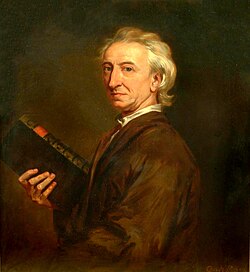
王立協会は、自然知識の向上を目的として、ジョン・エヴリンら先駆的な知識人によって設立されました。その後、チャールズ2世から王室憲章を授与され、公式な地位を確立しました。
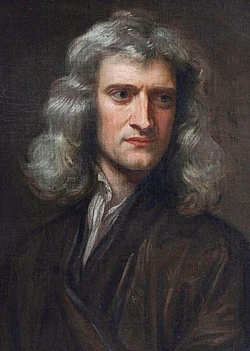
1703年から1727年にかけては、近代物理学の父であるアイザック・ニュートンが会長を務め、協会の権威を不動のものにしました。ニュートンは1672年にフェローに選出されており、彼のリーダーシップの下で科学的な議論と検証の文化が定着しました。
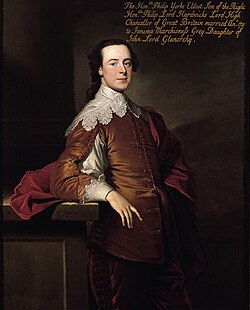
18世紀半ばには、ハードウィック卿を中心とする「ハードウィック・サークル」が協会の政治的な主導権を握るなど、時代の権力構造を反映した変遷も経験しています。
19世紀から現代へ
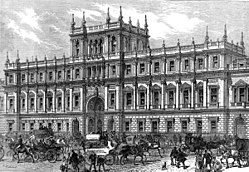
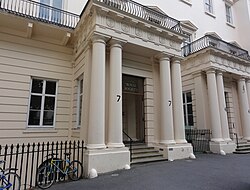
19世紀から20世紀にかけて、協会は科学の専門分化に伴い、より広範な分野をカバーする組織へと進化しました。1873年から1967年まではバーリントン・ハウスを拠点として活動していました。
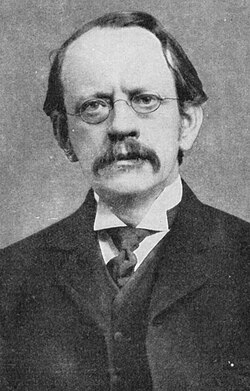
20世紀に入ると、J.J.トムソン(1884年選出)や、後に宇宙論で名を馳せるスティーヴン・ホーキング(1974年選出)など、時代を代表する天才たちがフェローとして名を連ねました。また、1940年代には女性のフェロー選出が認められるなど、会員構成の多様化も進みました。

組織構造と運営
王立協会は、会長(President)を筆頭とする評議会(Council)によって運営されています。現在の会長はポール・ナース氏であり、財務担当のジョナサン・キーティング氏や、共同外務秘書を務めるマーク・ウォルポート氏、アリソン・ノーブル氏らが組織の舵取りを担っています。
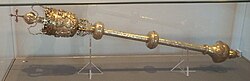
協会の象徴として、チャールズ2世から授与されたメイス(儀仗杖)や、独自の紋章が受け継がれています。

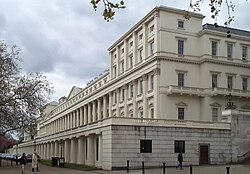
現在はロンドンのカールトン・ハウス・テラスに本部を構えており、カブリ王立協会国際センターなどの施設を通じて、国際的な科学交流を促進しています。
学術出版と功績の称賛
王立協会は、世界最古の科学雑誌の一つである『哲学論文集(Philosophical Transactions)』を1665年から発行しています。現在も数学、物理学、生物学などの分野で、厳格な査読を経た高品質な論文を出版し続けています。
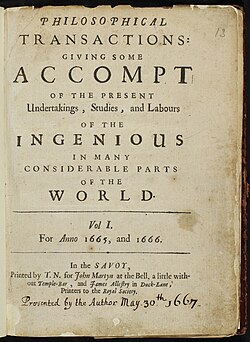
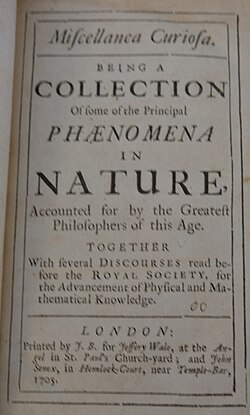
また、コープリー賞やクルーニアン講義など、科学的業績を称える数多くの賞やメダルを授与しており、これらは科学者にとって最高の名誉の一つとされています。
協会のコレクションは、科学史における貴重な資料として保存されており、大学などの教育機関と連携して公開されることもあります。
王立協会の概要まとめ
| 項目 | 詳細内容 |
|---|---|
| 正式名称 | The Royal Society |
| 設立年 | 1660年 |
| モットー | Nullius in verba(誰の言葉も鵜呑みにするな) |
| 主要出版物 | Philosophical Transactions, Proceedings of the Royal Society 等 |
| 会員資格 | Fellow of the Royal Society (FRS) |
| 本部所在地 | ロンドン、カールトン・ハウス・テラス |
Frequently Asked Questions
王立協会の「FRS」とは何を意味しますか?
FRSは「Fellow of the Royal Society(王立協会フェロー)」の略称です。これは、科学への顕著な貢献が認められた研究者にのみ与えられる非常に名誉ある称号です。
どのような論文を出版していますか?
数学や物理学を扱う「Philosophical Transactions A」、生物科学を扱う「Philosophical Transactions B」をはじめ、Biology LettersやRoyal Society Open Scienceなど、多岐にわたる専門誌を発行しています。
誰でも会員になれますか?
いいえ。フェローへの選出には、厳格な基準に基づいた候補者の推薦と審査が必要です。科学的な卓越性が証明された人物のみが選出されます。
協会の現在の役割は何ですか?
最先端の科学研究の促進、科学的知見に基づく政策提言、そして世界中の科学者間のネットワーク構築を通じて、人類の知識の拡大に寄与することを使命としています。
References
- "The formal title as adopted in the royal charter" (PDF). Royal Society. Archived from the original (PDF) on 10 April 2016. Retrieved 14 November 2014.
- Ellis Rubinstein, "Science Academies in the 21st Century: Can they address the world's challenges in novel ways?" Treballs de la SCB. Vol. 63, 2012, pp. 390. :10.2436/20.1501.02.130. Archived 5 February 2023 at the .
- "Fellows". The Royal Society. Archived from the original on 5 September 2015. Retrieved 24 March 2014.
- Yates, Frances (1984). Collected Essays Vol. III. p. 253.
- David A. Kronick, The Commerce of Letters: Networks and "Invisible Colleges" in Seventeenth- and Eighteenth-Century Europe, The Library Quarterly, Vol. 71, No. 1 (Jan. 2001), pp. 28–43; 4309484
- "JOC/EFR: The Royal Society, August 2004 retrieved online: 2009-05-14". Archived from the original on 11 April 2010. Retrieved 20 February 2018.
- "Tallents, Francis (TLNS636F)". A Cambridge Alumni Database. University of Cambridge.
- Margery Purver, The Royal Society: Concept and Creation (1967), Part II Chapter 3, The Invisible College.
- "Founding the Royal Society". www.wadham.ox.ac.uk. Retrieved 21 April 2025.
- Syfret (1948) p. 75
📸 フォトギャラリー